
 By Eva Lovia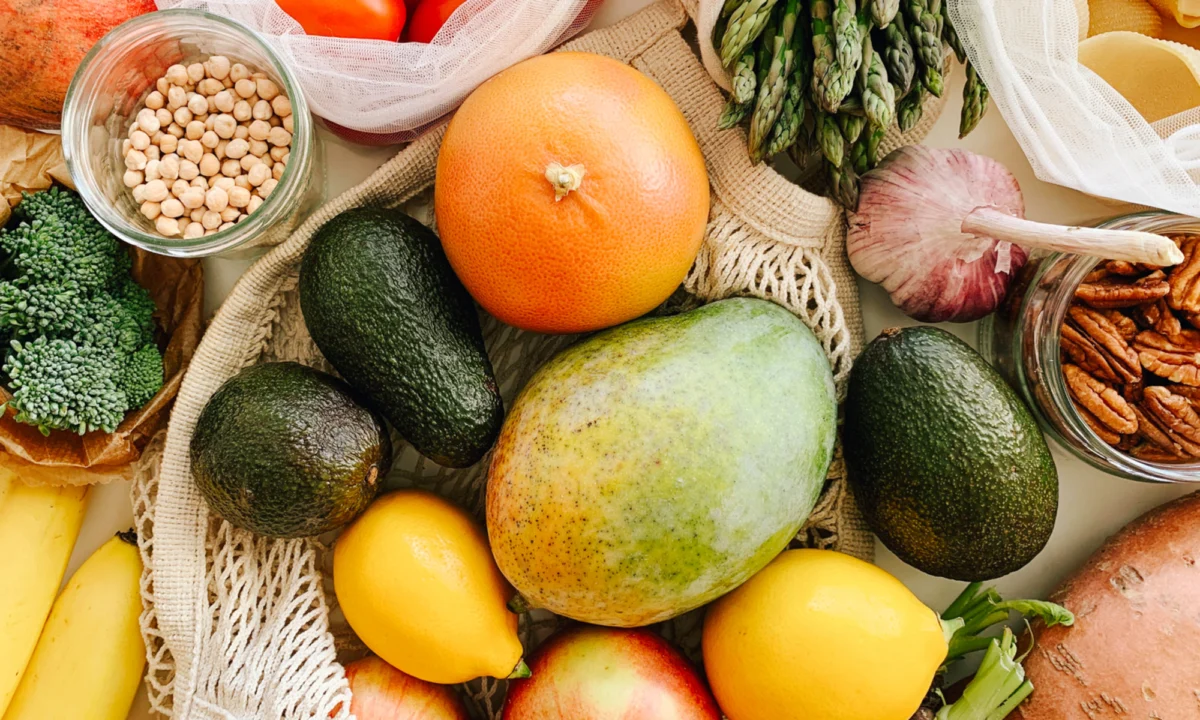
The pursuit of graceful and robust aging, characterized by sustained cognitive sharpness, physical vitality, and independent living, is a universal aspiration. While no single panacea exists, a compelling body of research, recently bolstered by a comprehensive study, points towards a surprisingly accessible dietary intervention: the regular consumption of flavonoid-rich foods. This extensive investigation, spanning over two decades and encompassing the health data of nearly 90,000 individuals, suggests that incorporating just a few daily servings of these plant-based compounds can serve as a potent shield against the multifaceted aspects of aging.
The foundational insights into the benefits of flavonoids for healthy aging have been steadily accumulating over the past few decades, with this latest research serving as a significant milestone. Flavonoids, a diverse group of phytonutrients abundant in fruits, vegetables, teas, and even certain wines, have long been recognized for their potent antioxidant and anti-inflammatory properties. However, this groundbreaking study moved beyond theoretical benefits, aiming to quantify their direct impact on key indicators of aging, including frailty, physical decline, and the preservation of mental acuity.
The Longstanding Quest for Longevity: A Scientific Perspective
The scientific community has long been captivated by the mechanisms of aging. From understanding cellular senescence to exploring the role of genetics and lifestyle, research has continuously sought to unravel the complex biological processes that contribute to the aging phenotype. Early research in the latter half of the 20th century began to highlight the critical role of oxidative stress and chronic inflammation in age-related diseases and functional decline. This paved the way for investigations into dietary components that could counteract these detrimental processes.
Flavonoids emerged as prime candidates due to their well-documented ability to neutralize free radicals and modulate inflammatory pathways. Initial studies, often conducted in vitro or in smaller animal models, demonstrated their potential to protect cells from damage and reduce markers of inflammation. However, translating these findings to robust human health outcomes, particularly over extended periods and across diverse populations, remained a crucial next step.
A Landmark Study Illuminates the Flavonoid-Aging Connection
The recent study, published in a peer-reviewed scientific journal and drawing upon data from two major, long-term health initiatives, represents a significant leap forward in understanding the practical applications of flavonoid consumption for healthy aging. The research meticulously tracked participants aged 60 and above for a period extending up to 24 years. During this extensive timeframe, participants regularly completed detailed food frequency questionnaires, providing researchers with a granular view of their dietary habits. Crucially, they also reported on various health outcomes, including their perceived energy levels, physical capabilities, and overall mood, offering a holistic picture of their well-being.
The sheer scale of the study—nearly 90,000 participants followed for over two decades—lends substantial weight to its findings. This longitudinal design is essential for observing the cumulative effects of dietary habits on health trajectories over time, minimizing the influence of short-term fluctuations or transient lifestyle changes.
Key Findings: Quantifying the Protective Effects
The study’s results reveal a clear and compelling correlation between higher flavonoid intake and improved aging outcomes, particularly in women. For individuals consuming the most flavonoid-rich foods, researchers observed a significant reduction in the risk of experiencing frailty, a decline in physical function, and a deterioration in mental health.
Specifically, the data indicated that women in the highest quartile of flavonoid intake experienced a substantial decrease in the incidence of frailty. This protective effect extended to physical decline, with these individuals demonstrating a greater capacity to maintain their mobility and functional independence as they aged. Furthermore, their mental health also appeared to benefit, suggesting a role for flavonoids in cognitive preservation.
While the study noted that the most pronounced benefits were observed in women, men also reaped significant rewards, particularly in the realm of mental health. The consistency of these findings across genders, albeit with differing magnitudes of effect for specific outcomes, underscores the broad-ranging positive impact of flavonoid-rich diets.
A particularly noteworthy aspect of the research was the observation that increasing flavonoid intake over time yielded even greater benefits. Participants who actively enhanced their consumption of these beneficial compounds demonstrated a more pronounced positive trajectory in their aging markers. The study highlighted that the addition of just three extra servings of flavonoid-rich foods per day was associated with a 6% to 11% lower risk of negative aging outcomes across the board in women. This suggests that dietary interventions, even modest ones, can have a tangible and measurable impact on long-term health.
Identifying the "Heavy Hitters": Top Sources of Flavonoids

The study also delved into identifying specific food groups that were most strongly associated with these positive aging outcomes. The research pinpointed several key dietary components that appeared to drive the observed benefits:
- Berries: This diverse category, including blueberries, strawberries, raspberries, and blackberries, consistently emerged as a powerhouse of flavonoids. Their rich anthocyanin content, a type of flavonoid responsible for their vibrant colors, is believed to contribute significantly to their health-promoting properties.
- Apples: A readily available and widely consumed fruit, apples, particularly their skins, are a good source of various flavonoids, including quercetin.
- Citrus Fruits: Oranges, grapefruits, lemons, and limes offer flavonoids such as hesperidin and naringenin, which have been linked to cardiovascular and cognitive health.
- Tea (especially Black Tea): Both black and green teas are rich in catechins, a class of flavonoids with potent antioxidant and anti-inflammatory effects. The study specifically noted the association with black tea, a common beverage consumed globally.
These foods were not only linked to a reduced risk of frailty and physical decline but also to improved mental well-being. The study indicated that even modest increases in the consumption of these specific foods—as little as an additional half-serving per day—could lead to observable improvements in aging markers over time. This accessibility and the potential for incremental dietary adjustments make the findings particularly actionable for individuals seeking to proactively manage their aging process.
The Multifaceted Mechanisms of Flavonoid Action
The protective power of flavonoids stems from their diverse array of biological activities. Beyond their well-established roles as antioxidants, combating cellular damage caused by free radicals, they exert their influence through several key mechanisms:
- Anti-inflammatory Properties: Chronic, low-grade inflammation is a hallmark of aging and contributes to numerous age-related diseases. Flavonoids can modulate inflammatory pathways, reducing the production of pro-inflammatory molecules and promoting a more balanced immune response.
- Improved Vascular Function: Healthy blood flow is crucial for delivering oxygen and nutrients to all tissues, including the brain. Certain flavonoids can enhance endothelial function, the health of the inner lining of blood vessels, leading to improved circulation and reduced risk of cardiovascular issues.
- Neuroprotection: Flavonoids have demonstrated the ability to protect brain cells from damage, support the growth of new neurons (neurogenesis), and improve communication between brain cells. This contributes to their role in preserving cognitive function and potentially mitigating the risk of neurodegenerative diseases.
- Metabolic Regulation: Some flavonoids can influence metabolic processes, potentially aiding in blood sugar control and improving insulin sensitivity, which are critical for preventing metabolic syndrome and type 2 diabetes, conditions often exacerbated by aging.
- Gut Microbiome Modulation: Emerging research suggests that flavonoids can interact with the gut microbiome, influencing the composition and function of gut bacteria. A healthy gut microbiome is increasingly recognized as vital for overall health, including immune function and even mental well-being.
Practical Strategies for Increasing Flavonoid Intake
The good news for individuals looking to harness the benefits of flavonoids is that implementing these dietary changes does not necessitate drastic overhauls or the reliance on expensive, exotic "superfoods." The study emphasizes that consistent, simple additions to one’s daily diet can make a significant difference.
Here are some practical and accessible ways to increase flavonoid intake:
- Embrace Berries: Add a handful of berries to your morning oatmeal, yogurt, or smoothie. Enjoy them as a snack or incorporate them into desserts.
- Snack Smart: Opt for an apple or a piece of citrus fruit as a mid-day snack. Keep a bowl of fruits readily accessible.
- Hydrate Wisely: Replace sugary drinks with a cup of black or green tea. Brewing loose-leaf tea can often provide a more potent dose of flavonoids.
- Incorporate Vegetables: Load up your salads, stir-fries, and other meals with a variety of colorful vegetables like bell peppers, onions, and leafy greens.
- Spice It Up: Many herbs and spices, such as parsley, thyme, and oregano, are rich in flavonoids. Use them liberally in your cooking.
- Consider Dark Chocolate: In moderation, dark chocolate (with a high cocoa content) can be a source of flavonoids, offering a delicious way to boost intake.
The focus should be on variety and consistency. By making small, sustainable changes to daily eating habits, individuals can effectively increase their flavonoid consumption and reap the long-term rewards.
Broader Implications and the Future of Aging Well
The implications of this research are far-reaching. It provides strong scientific backing for the concept that dietary choices play a pivotal role in the aging process. It moves beyond generalized advice about "eating healthy" and offers specific, actionable guidance that can empower individuals to take proactive control of their health trajectory.
The findings also have potential implications for public health initiatives and dietary recommendations. As populations age globally, strategies that promote healthy aging are increasingly critical. This research offers a cost-effective and accessible approach that can be integrated into widespread health education campaigns.
Looking ahead, further research may explore the synergistic effects of different flavonoid compounds, optimal dosages for specific age-related conditions, and personalized dietary recommendations based on genetic predispositions and individual health profiles. The ongoing study of flavonoids continues to reveal their profound impact on human health, offering a promising avenue for enhancing the quality of life in later years.
The Takeaway: Investing in a Healthier Future
In conclusion, the journey towards aging well is not solely dictated by genetics or chance. It is profoundly shaped by the accumulation of consistent, simple habits that nurture both the body and the brain over time. The latest scientific evidence strongly suggests that incorporating a few extra daily servings of flavonoid-rich foods—such as berries, apples, citrus fruits, and tea—is a powerful and accessible strategy for supporting cognitive function, maintaining physical vitality, and reducing the risk of frailty.
By embracing these dietary recommendations, individuals are not merely making healthier food choices; they are actively investing in a future characterized by greater strength, sharper minds, and sustained independence. The power of these natural compounds, readily available in our everyday diets, offers a tangible pathway to not just living longer, but living better.
