
 By Jia Lissa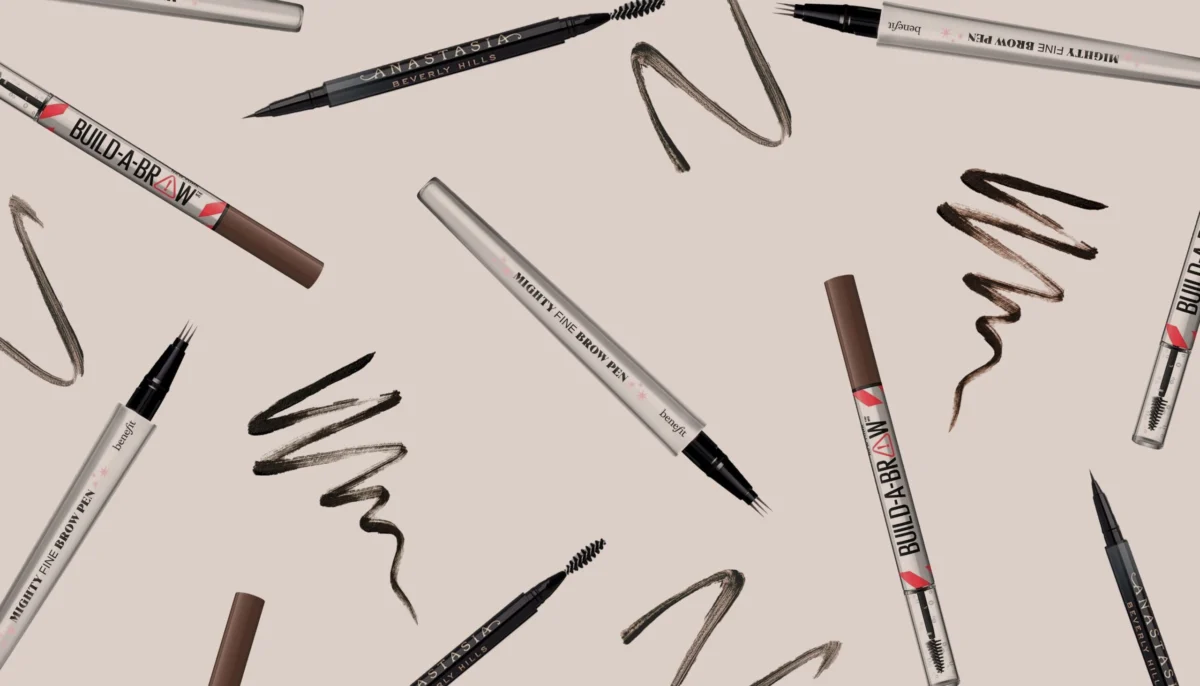
The pursuit of perfectly sculpted eyebrows has evolved into a sophisticated beauty practice, with consumers increasingly seeking precise tools to achieve their desired look. Among the most debated and utilized products in this domain are brow pencils and brow pens, each offering distinct applications and results. Understanding their fundamental differences is crucial for achieving both natural-looking fullness and sharp definition. This article delves into the functionalities of these popular brow enhancers, drawing on expert insights and industry standards to guide consumers toward optimal usage and selection.
Distinguishing Brow Pencils from Brow Pens
Brow pencils, a staple in most makeup bags for decades, are primarily designed to impart an overall sense of density and fullness to the brow. Their formulation allows for broad application across the entire brow area, enabling users to fill in sparser sections and create a more substantial base. Following application, the product can be effectively diffused and softened using a spoolie brush, blending the pigment for a natural, lived-in appearance. This versatility makes pencils an excellent choice for individuals seeking to enhance the existing shape and volume of their eyebrows without the need for hyper-realistic hair strokes.
In contrast, brow pens are engineered for precision and targeted application. Their fine tips mimic the appearance of individual eyebrow hairs, making them exceptionally adept at creating detailed strokes. This precision is invaluable for individuals with significantly sparse brows, or for those aiming to accentuate specific areas like the arch, the front (head) of the brow, or the tail. The ability to draw individual hairs allows for a more realistic and customizable fill, offering a level of control that pencils typically cannot match. Experts emphasize that this distinction is not merely about texture or application method, but about the fundamental aesthetic outcome each tool is designed to achieve.
Optimal Application Techniques for Brow Pens
Achieving the most effective results with a brow pen hinges on meticulous preparation and a refined application technique. According to New York City-based makeup artist Katie Jane Hughes, the foundational step involves ensuring the eyebrows are "completely clean and oil-free." This means diligently removing any traces of moisturizer, serums, oils, or even highlighters from the brow area. The presence of any slick product can impede the pen’s ability to adhere properly, leading to skipping, fading, or an uneven application of pigment. This preparation phase is paramount for ensuring the longevity and precision of the brow pen’s effect.
The timing of brow pen application within a makeup routine is also a critical factor. Makeup artist Childs recommends incorporating the brow pen as a subsequent step after the complexion base has been established. Applying foundation, concealer, bronzer, and other face products first helps to create a stable canvas. Applying the brow pen afterward prevents the potential for accidentally smudging or obscuring freshly drawn strokes with concealer or other complexion products. This sequential approach ensures that the delicate hair-like strokes remain intact and sharp.
For novice users, maintaining a light touch during application is highly advised. Childs suggests employing a technique that involves "light pressure and applying a few flicks toward the front of the brow to create a slight cowlick effect and then a few light strokes on the tail of the brow to elongate it." This approach allows for a gradual build-up of color and shape, minimizing the risk of over-application. For those aiming for a fluffy, natural finish, makeup artist Mehta offers a valuable tip: leave deliberate spaces between the drawn strokes. This technique creates the illusion of naturally fuller arches rather than a uniformly filled-in appearance. The final step, universally recommended by experts, involves brushing the brows with a spoolie. This essential action blends the drawn strokes with existing hairs, further enhancing the natural and cohesive look.
The selection of the appropriate shade is another crucial element in achieving a flattering brow. Mehta advises opting for a pen that is "a bit lighter [than the natural brow hairs] to add dimension and fullness without making the brow too dark." This nuanced approach prevents the brows from appearing overly harsh or artificial, instead promoting a subtle enhancement that complements the natural hair color.
The Rigorous Process Behind Product Evaluation
In the realm of beauty product reviews, particularly for items as personal and impactful as eyebrow enhancers, a comprehensive and multi-faceted testing methodology is indispensable. Allure’s commitment to providing trustworthy recommendations is underscored by a detailed evaluation process that scrutinizes a product’s efficacy, safety, and ethical considerations. Before any product is recommended, a series of critical questions are posed to ascertain its composition, its capacity to serve a diverse consumer base, and its overall value.
Key areas of investigation include the product’s ingredient list, with a particular focus on formulations that might be beneficial or detrimental to various skin types and sensitivities. A significant factor in the evaluation is the brand’s commitment to shade range inclusivity, ensuring that consumers across all skin tones and undertones can find a suitable match. Safety for individuals with sensitive skin or those who wear contact lenses is also a paramount concern. Furthermore, the assessment considers the product’s price point, categorizing it as either an affordable option or a more luxurious splurge. Finally, the sustainability and environmental impact of the packaging are examined, with a preference for consciously designed materials over needlessly wasteful alternatives.
For the specific review of the best eyebrow pens, Allure engaged a diverse panel of testers. This included multiple editors, staff writers, freelance contributors, and professional makeup artists. This broad base of evaluators ensures that the products are tested across a wide spectrum of skin tones, genders, and dermatological conditions, providing a robust and representative feedback loop. Each product’s performance was meticulously assessed across four primary categories: ingredients, wear and longevity, packaging, and inclusivity. This comprehensive approach, detailed further on Allure’s reviews process and methodology page, aims to provide consumers with unbiased and actionable insights.
The Diverse Expertise of Allure’s Testing Teams
The philosophy underpinning Allure’s product recommendations is rooted in the understanding that beauty products are deeply personal purchases. Whether a consumer is seeking a solution for persistent dryness, exploring new nail care rituals, or simply staying abreast of the latest hair care innovations, the goal is to ensure satisfaction with every suggested item. This commitment to user satisfaction is achieved through the cultivation of a diverse team of writers and editors, augmented by a broad array of external testers and industry experts.
This inclusive approach to product testing is not merely a procedural formality; it is considered essential to achieving the goal of ensuring that readers can confidently embrace and enjoy any product featured in Allure’s content. The varied perspectives brought forth by this diverse group of individuals—encompassing different backgrounds, experiences, and specialized knowledge—are instrumental in identifying products that resonate with a wide audience and address a multitude of individual needs and concerns. This dedication to representation and thorough evaluation forms the bedrock of Allure’s credibility in the beauty industry.
Historical Context and Evolving Beauty Standards
The evolution of eyebrow grooming and enhancement reflects broader shifts in beauty ideals and cosmetic innovation. In earlier eras, eyebrows were often thinned or even plucked into delicate arches, a stark contrast to the fuller, more natural-looking brows that have gained prominence in recent decades. The resurgence of thicker, more defined eyebrows began to gain momentum in the late 20th century and has continued to flourish, fueled by celebrity trends and a growing appreciation for facial framing.
This shift has spurred significant advancements in cosmetic technology. The development of brow pencils marked an initial step towards offering consumers more control over their brow appearance. These pencils, often wax-based or powder-infused, allowed for filling and shaping with relative ease. The subsequent introduction of brow gels, pomades, and, more recently, brow pens, represents a continuous innovation cycle aimed at providing increasingly sophisticated and targeted solutions.
The advent of brow pens, in particular, can be seen as a response to the demand for hyper-realistic brow enhancement. As social media platforms have amplified the visibility of meticulously groomed celebrity brows, consumers have sought tools that can replicate these precise effects at home. Brow pens, with their ability to mimic natural hair growth patterns, emerged as a key innovation in meeting this demand, offering a level of detail previously only achievable by professional makeup artists. This ongoing evolution in brow products underscores the dynamic nature of the beauty industry and its responsiveness to consumer desires and prevailing aesthetic trends. The continued refinement of formulas and application technologies suggests that the pursuit of the perfect brow will remain a focal point of cosmetic innovation for the foreseeable future.
