
 By Layla Zulfa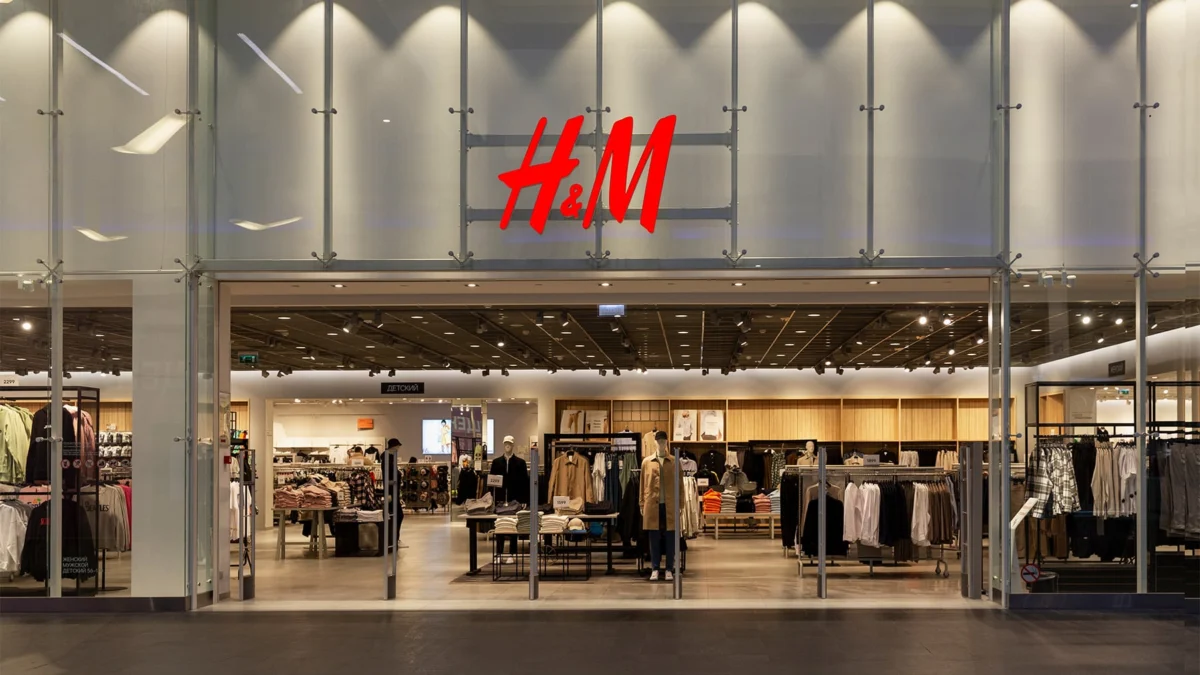
The Swedish fast-fashion behemoth, H&M Hennes & Mauritz AB, finds itself at a critical juncture, grappling with a landscape of stagnating quarterly sales and escalating competition, particularly from ultra-fast fashion entrants. Despite these formidable economic headwinds, the retailer continues to draw significant attention to its ambitious emissions reduction goals, distinguishing itself as one of a dwindling number of major companies openly foregrounding such environmental commitments. This strategic emphasis on sustainability, however, unfolds against a backdrop of complex global dynamics, including ongoing disruptions to global energy markets stemming from the conflict in the Middle East, and the vibrant, forward-looking energy of events like the upcoming Shanghai Fashion Week, which promises to offer a crucial barometer of Asian design and market trends.
H&M’s Economic Headwinds and the Shifting Retail Landscape
H&M’s recent financial performance has painted a picture of struggle, with quarterly sales figures consistently failing to meet market expectations, leading to flat or marginal growth. For instance, recent reports indicated that net sales for the fiscal quarter ending November 30, 2023, rose by a modest 1% in local currencies, falling short of analysts’ projections for more robust expansion. This stagnation is not merely an internal challenge but a symptom of profound shifts within the global retail sector. The traditional fast-fashion model, once pioneered by H&M and its Spanish rival Inditex (Zara), is facing unprecedented pressure from digitally native, ultra-fast fashion players such as Shein and Temu. These new entrants have mastered hyper-efficient, on-demand manufacturing models, often leveraging sophisticated AI and real-time trend data to introduce thousands of new styles daily, at price points that H&M struggles to match while maintaining its established supply chain and ethical commitments.
The rise of these competitors has created a "race to the bottom" on price and speed, fundamentally altering consumer expectations and market dynamics. Shein, for example, is reported to add between 700 to 1,000 new items to its platform daily, a volume and velocity that legacy retailers find nearly impossible to replicate without massive infrastructural overhauls and potentially compromising quality or sustainability efforts. This intense competition has eroded H&M’s market share, particularly among younger, digitally savvy consumers who prioritize novelty and extreme affordability. The challenge for H&M, therefore, is multifaceted: how to regain growth momentum, differentiate its offering beyond price, and justify its higher operating costs while simultaneously pursuing demanding environmental targets.
The Unwavering Commitment to Emissions Goals
Despite the commercial pressures, H&M has remained steadfast in its public commitment to environmental sustainability, particularly concerning carbon emissions. The company has set ambitious targets, including achieving net-zero emissions across its entire value chain by 2040 and reducing absolute Scope 1 and 2 emissions by 80% by 2030, alongside a 50% reduction in Scope 3 emissions (which account for the vast majority of its environmental footprint, primarily from its supply chain). This commitment stands in stark contrast to a broader industry trend where, amidst economic uncertainties and increased scrutiny over "greenwashing," some companies have reportedly scaled back or become less vocal about their sustainability initiatives.
H&M’s strategy involves a multi-pronged approach to de-carbonization. This includes significant investments in renewable energy for its own operations and encouraging suppliers to transition to clean energy sources. The company has also been a proponent of circularity, aiming for all its products to be designed for circularity by 2030, meaning they are made from recycled or sustainably sourced materials, are durable, and can be easily repaired or recycled at the end of their life. Initiatives such as in-store garment collection programs, partnerships for textile recycling technologies, and the exploration of innovative, low-impact materials like Circulose or Tencel are central to this vision.
The decision to maintain and highlight these commitments, even as sales stagnate, reflects a strategic bet on the long-term value of sustainability. H&M executives have often articulated that sustainability is not just a moral imperative but a business necessity, crucial for future resilience, supply chain stability, and meeting evolving consumer and regulatory demands. By transparently reporting on its progress and challenges, H&M aims to build trust with consumers, investors, and regulators, positioning itself as a responsible leader in an industry often criticized for its environmental impact.
A Chronology of H&M’s Sustainability Journey
H&M’s engagement with sustainability is not a recent phenomenon but rather a journey spanning several decades, evolving from nascent efforts to comprehensive, strategic commitments.
- Early 1990s: Initial focus on restricting hazardous chemicals in production, a pioneering move at the time for a fast-fashion retailer.
- Late 1990s – Early 2000s: Introduction of organic cotton in collections, a gradual increase in the use of more sustainable materials, and the publication of early environmental reports.
- 2011: Launch of the "Conscious Collection," a dedicated line featuring products made from more sustainable materials, aimed at raising consumer awareness.
- 2013: Initiation of the global garment collecting program, encouraging customers to drop off unwanted textiles for recycling, a significant step towards circularity.
- Mid-2010s: Formalization of ambitious sustainability goals, including commitments to use 100% recycled or other sustainably sourced materials by 2030 (later adjusted to 2025 for materials and 2030 for design), and to become climate positive by 2040.
- Late 2010s – Early 2020s: Intensified focus on supply chain transparency, working with industry partners on innovative textile recycling solutions, and setting science-based targets for emissions reductions aligned with the 1.5°C warming pathway. The net-zero by 2040 target, encompassing Scope 1, 2, and 3 emissions, was a significant milestone.
- Present Day: Continual reporting on progress against these targets, facing the dual challenge of accelerating sustainability initiatives while navigating a highly competitive and economically constrained market.
This timeline illustrates H&M’s sustained, albeit challenging, effort to integrate sustainability into its core business model, moving from compliance and incremental improvements to a more transformative, systemic approach.
The Broader Implications for the Fashion Industry
H&M’s predicament underscores a critical tension within the global fashion industry: the inherent conflict between the fast-fashion business model, which relies on rapid consumption and constant novelty, and the imperative for environmental sustainability. The industry as a whole is responsible for an estimated 4-10% of global greenhouse gas emissions, consumes vast amounts of water, and generates significant waste, with textile waste often ending up in landfills.
Regulatory bodies worldwide are increasingly responding to these environmental concerns. The European Union, for instance, is pushing forward with its "Strategy for Sustainable and Circular Textiles," which includes measures for extended producer responsibility, digital product passports, and stringent rules against greenwashing. Such regulations will necessitate greater transparency and accountability from all fashion brands, potentially leveling the playing field for companies like H&M that have already invested in robust sustainability frameworks.
Furthermore, consumer attitudes are evolving. While price remains a dominant factor, particularly in economic downturns, a growing segment of consumers, especially Gen Z and millennials, expresses a preference for brands that demonstrate genuine environmental and social responsibility. A 2023 survey indicated that over 60% of consumers globally are willing to pay more for sustainable products, though this willingness often comes with a demand for clear, verifiable proof of sustainability claims. H&M’s continued emphasis on its emissions goals, therefore, is not just a moral stance but a calculated move to appeal to this segment and future-proof its brand in an increasingly conscious marketplace.
Expert Analysis and Industry Responses
Sustainability experts acknowledge the immense challenges faced by large-scale fast-fashion retailers in achieving aggressive emissions targets. Dr. Emily Chen, a leading researcher in sustainable supply chains, remarked, "H&M’s commitment is commendable, especially given the current economic climate. The sheer scale of their global supply chain makes Scope 3 emissions reduction incredibly difficult, requiring deep collaboration with thousands of suppliers on renewable energy adoption, material innovation, and waste reduction. Their progress will be a bellwether for what is truly achievable in the mass-market fashion sector."
Financial analysts, while recognizing the long-term benefits of sustainability, often view these investments through a short-term lens of profitability. "There’s a delicate balance," noted Mr. David Miller, a retail sector analyst at Global Equities. "Investing in sustainable materials, cleaner production, and circular models can initially increase costs, potentially impacting margins when you’re already fighting a price war with ultra-fast fashion. H&M’s challenge is to communicate the value of these investments to consumers and shareholders, demonstrating that it’s a path to sustained growth, not just an expense."
Shanghai Fashion Week: A Glimpse into the Future
Adding another layer to the dynamic global fashion narrative is the anticipation surrounding Shanghai Fashion Week (SHFW). As one of the world’s most rapidly expanding and influential fashion hubs, SHFW serves as a critical platform for both established and emerging Chinese designers, offering a unique blend of traditional aesthetics and cutting-edge innovation. The event, typically held semi-annually, has grown significantly in global stature, attracting international buyers, media, and industry leaders keen to tap into the immense potential of the Asian market.
SHFW is more than just a showcase for apparel; it’s a cultural phenomenon that reflects China’s growing confidence and distinct voice in global design. Themes often revolve around technological integration, digital fashion, sustainable practices adapted to local contexts, and the reinterpretation of Chinese heritage for a modern, global audience. The event provides a crucial counter-narrative to Western-centric fashion weeks, highlighting diverse creative perspectives and market demands. For global brands, SHFW offers insights into consumer preferences in China, a market of paramount importance, and identifies emerging trends that can eventually ripple across the world.
The preview of Shanghai Fashion Week underscores a broader truth: while legacy brands like H&M grapple with the twin pressures of sustainability and competition, the global fashion landscape continues to innovate and diversify. The energy emanating from Shanghai suggests a future where creativity, technology, and perhaps increasingly, localized sustainability solutions will drive market leadership.
Broader Impact and Implications
H&M’s strategic navigation of its challenges carries significant implications for the entire fashion ecosystem. If H&M can successfully pivot towards a more sustainable and circular business model while remaining competitive, it could provide a blueprint for other legacy fast-fashion brands. Conversely, if the economic pressures prove too great, it might signal a worrying trend where sustainability commitments are sacrificed in the pursuit of short-term survival.
The industry is at an inflection point. The traditional linear model of "take-make-dispose" is increasingly untenable, both environmentally and economically. The rise of ultra-fast fashion, while addressing immediate consumer desires for novelty and low prices, exacerbates the environmental crisis, creating an even greater imperative for established players to lead by example.
Ultimately, the confluence of H&M’s internal struggles, its external competitive landscape, its steadfast sustainability goals, and the dynamic energy of global fashion events like Shanghai Fashion Week paints a vivid picture of an industry in flux. The coming years will reveal whether profitability and planet-friendly practices can truly coexist at scale, or if the relentless pursuit of speed and cost will continue to dominate, shaping the future of fashion for generations to come. The global energy market disruptions, while seemingly distant, further complicate the supply chain and operational costs for all retailers, adding another layer of complexity to an already intricate equation.
