
 By Layla Zulfa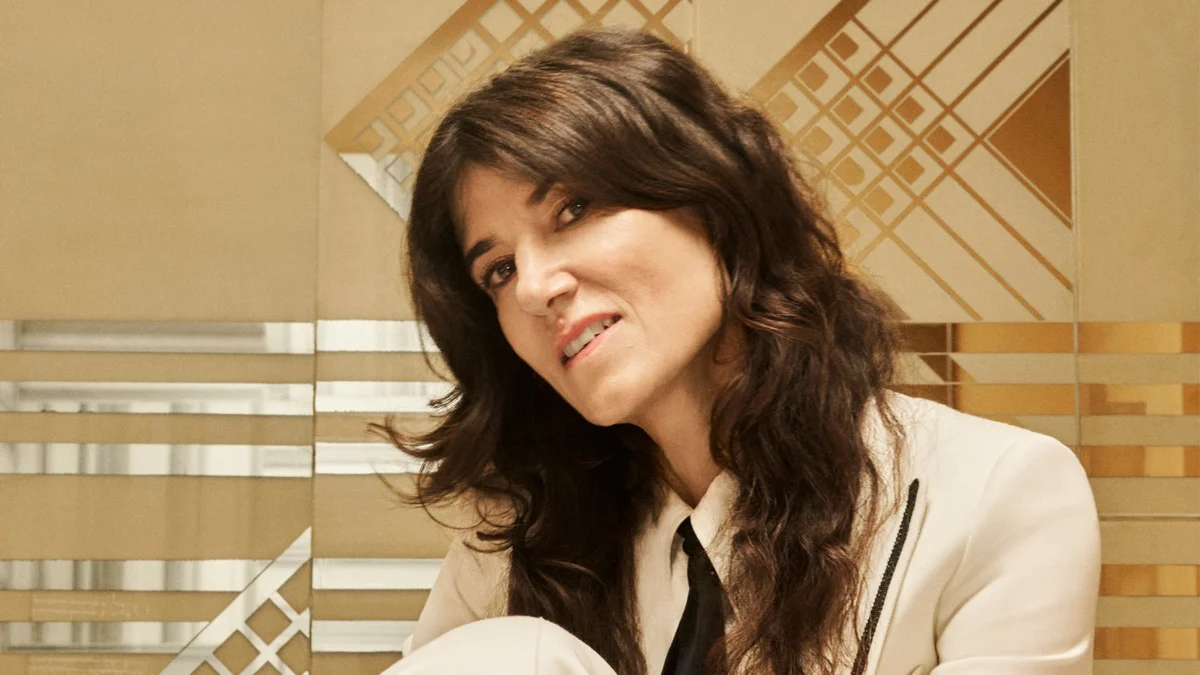
The latest episode of The Business of Fashion (BoF) Podcast features acclaimed designer and podcaster Bella Freud in a profound discussion with BoF Founder and Editor-in-Chief, Imran Amed. The conversation delves into the intricate relationship between clothing and human emotion, the indelible influence of punk icon Vivienne Westwood on Freud’s rebellious spirit, and how her own initiative, "Fashion Neurosis," has opened a transformative new chapter in her creative journey. This highly anticipated dialogue offers listeners an unparalleled glimpse into the psychological underpinnings of personal style and its broader societal implications, reinforcing BoF’s commitment to fostering agenda-setting intelligence and analysis within the global fashion community.
Delving into the Emotional Resonance of Garments
At the heart of the discussion was the potent emotional power that clothes wield over individuals. Bella Freud, celebrated for her distinctive, witty, and often autobiographical designs, articulated how garments transcend mere utility to become extensions of identity, memory, and aspiration. Her work, characterized by iconic slogan knitwear like "Je t’aime Jane" and "Ginsberg is God," often draws on literary, musical, and historical references, imbuing her creations with a narrative depth that resonates personally with wearers. This philosophy underscores the idea that clothing is a non-verbal language, capable of communicating complex feelings and affiliations. Freud, whose lineage includes her great-grandfather Sigmund Freud, the father of psychoanalysis, naturally brings a unique psychological lens to her exploration of fashion. She posits that our sartorial choices are often deeply rooted in subconscious desires, personal histories, and our evolving sense of self. This perspective challenges the industry to look beyond transient trends and appreciate the profound, lasting connection individuals form with their wardrobes.
Vivienne Westwood: A Maverick’s Enduring Influence
A significant portion of the conversation was dedicated to the towering figure of Vivienne Westwood, whose revolutionary approach to fashion redefined rebellion and activism. Westwood, who passed away in December 2022, left an indelible mark on contemporary culture, using clothing as a powerful medium for protest, political statement, and artistic expression. Bella Freud recounted personal insights and invaluable lessons gleaned from Westwood, emphasizing how the punk doyenne taught her that fashion is not merely about aesthetics but about challenging norms, questioning authority, and embracing one’s unique voice. Westwood’s pioneering work in the 1970s, particularly with Malcolm McLaren, forged the aesthetic of punk, blending historical references with radical cuts and subversive messaging. Her unwavering commitment to environmental activism and social justice in later years further cemented her legacy as a designer whose influence extended far beyond the runway. Freud’s reflection highlights how Westwood’s spirit of defiance continues to inspire designers to push boundaries and use their platforms for meaningful change, proving that true rebellion in fashion is timeless.
"Fashion Neurosis": Unlocking a New Creative Chapter
"Fashion Neurosis," Bella Freud’s innovative podcast, emerged as a central theme, illustrating a pivotal shift in her creative output. Launched as a platform for candid conversations about the deeper psychological and cultural aspects of fashion, the podcast invites guests from diverse backgrounds to explore their personal relationships with clothing, style, and identity. For Freud, this venture represents an evolution, moving beyond the physical act of designing to a more introspective and discursive exploration of fashion’s impact. The podcast delves into topics such as body image, sustainability, the pressure of trends, and the therapeutic power of personal style. This analytical approach, as Freud elaborated, has "unlocked a new chapter" by allowing her to engage with fashion on an intellectual and emotional level distinct from the demands of seasonal collections. It provides a space for critical reflection, fostering a deeper understanding of why we wear what we wear and how it shapes our internal and external worlds. The success of "Fashion Neurosis" also underscores a broader trend in the industry, where podcasts are becoming increasingly vital platforms for nuanced discussion, moving beyond traditional media formats to engage audiences more intimately.
The Business of Fashion Podcast: A Hub for Industry Discourse
The BoF Podcast, hosted by Imran Amed, has established itself as a premier destination for in-depth conversations with the most influential figures in the global fashion industry. Launched as an extension of The Business of Fashion’s agenda-setting digital platform, the podcast aims to provide unparalleled access to the minds shaping the future of fashion. Imran Amed, a former management consultant, founded BoF in 2007, growing it into a globally recognized authority providing critical analysis, news, and business intelligence. The podcast consistently features a diverse array of guests, from designers and executives to journalists and academics, dissecting complex issues ranging from sustainability and technological innovation to cultural shifts and leadership challenges. By inviting guests like Bella Freud, Amed continues to broaden the scope of fashion discourse, demonstrating that the industry’s influence extends far beyond mere commerce into areas of psychology, sociology, and cultural identity. The platform’s commitment to thoughtful, long-form discussions offers listeners valuable insights that are often absent from the fast-paced news cycle, solidifying its role as an indispensable resource for industry professionals and enthusiasts alike.
A Chronology of Influence and Innovation
The paths of Bella Freud, Vivienne Westwood, and The Business of Fashion intertwine to illustrate a rich tapestry of fashion history and contemporary evolution. Vivienne Westwood’s journey began in the early 1970s, co-opening the iconic boutique "SEX" on King’s Road, London, which became the birthplace of punk fashion. Her influence peaked through decades of groundbreaking collections, political activism, and a steadfast commitment to her unique vision until her passing in late 2022. Bella Freud, born into a family renowned for its intellectual prowess, launched her eponymous label in 1990, establishing a distinct voice known for its literary references and sophisticated wit. Her signature knitwear gained cult status in the 2000s, and her foray into podcasting with "Fashion Neurosis" in recent years marked a new phase of creative exploration. Concurrently, Imran Amed founded The Business of Fashion in 2007, initially as a blog, which rapidly evolved into a leading digital publication and an essential voice for the global fashion industry. The BoF Podcast was introduced as a key component of its content strategy, providing an auditory dimension to its analytical offerings and fostering deeper engagement with its global audience. This latest episode, therefore, represents a convergence of these significant timelines, bringing together a designer shaped by historical rebellion with a platform dedicated to contemporary analysis.
Supporting Data: The Rise of Fashion Podcasting and Psychological Engagement
The increasing popularity of podcasts as a medium for in-depth content underscores the timeliness and relevance of discussions like the one between Bella Freud and Imran Amed. Global podcast listenership has seen exponential growth, with figures from Statista indicating that the number of podcast listeners worldwide is projected to reach over 500 million by 2024. Within this booming landscape, niche podcasts focusing on fashion have carved out a significant space, offering audiences a more intimate and detailed understanding of the industry beyond superficial trends. Data from various market analyses suggests that listeners are increasingly seeking content that provides intellectual stimulation, personal narratives, and expert insights, rather than just news headlines.
Furthermore, there is a growing academic and industry interest in the psychological dimensions of fashion. Research in fields like fashion psychology explores how clothing impacts mood, identity, social perception, and self-expression. Publications and conferences dedicated to this interdisciplinary field highlight a collective move towards understanding fashion not just as an economic driver or an artistic pursuit, but as a fundamental aspect of human behavior and well-being. Bella Freud’s "Fashion Neurosis" podcast directly taps into this burgeoning interest, providing a public forum for exploring these complex relationships. This psychological lens aligns perfectly with BoF’s mission to offer holistic insights, moving beyond purely commercial metrics to capture the cultural and human essence of fashion.
Inferred Statements and Broader Implications
While direct quotes from the podcast are behind a paywall, the nature of the discussion allows for reasonable inference regarding the sentiments expressed by the participants. Bella Freud likely articulated sentiments such as, "Reflecting on the emotional resonance of garments is crucial for understanding our connection to self and society. Vivienne Westwood taught me that fashion isn’t just about clothes, but about challenging norms and expressing conviction. My ‘Fashion Neurosis’ podcast has allowed me to explore the deeper psychological currents that drive our sartorial choices, opening new avenues for creative thought." Imran Amed, in turn, would likely emphasize the value of such dialogue, stating, "Bella’s unique perspective, blending design with a profound understanding of human psychology, offers invaluable insights into the cultural fabric of fashion. Discussions like these are at the heart of BoF’s mission to dissect and elevate the discourse around fashion’s evolving role."
The broader implications of such high-level discussions on platforms like the BoF Podcast are significant. They signal a maturing of the fashion industry’s self-awareness, moving beyond a purely commercial or aesthetic focus to embrace its role as a cultural commentator and a mirror of societal shifts. By exploring themes of emotional connection, rebellion, and psychological impact, the industry can cultivate a more meaningful relationship with its consumers, encouraging thoughtful consumption and a deeper appreciation for the artistry and storytelling embedded in clothing. Moreover, the convergence of design, psychology, and digital media through podcasts demonstrates an evolving landscape for creative expression and intellectual engagement, where the boundaries between disciplines are increasingly blurred, fostering innovation and enriching the global fashion dialogue.
