
 By Layla Zulfa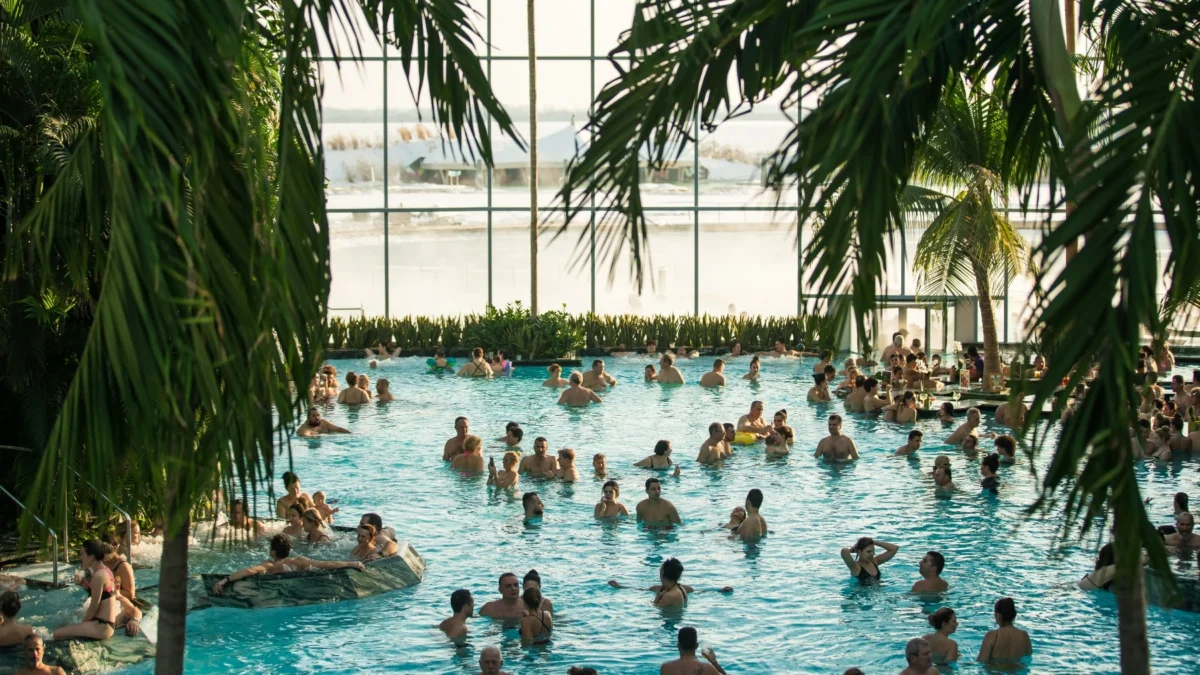
In an era defined by economic precarity and a pervasive loneliness epidemic, the ancient practice of communal bathing, particularly through affordable bathhouse and sauna culture, is experiencing a profound global resurgence. This renaissance is not merely a nostalgic revival but a contemporary response to modern societal pressures, positioning these traditional wellness hubs as accessible alternatives to high-cost luxury retreats. However, the ambitious pursuit of building a scalable, mass-market wellness empire within this burgeoning sector is fraught with significant financial and operational complexities.
The phenomenon gained widespread attention in 2024 when Romania’s Therme Bucharest, the largest spa centre in Europe, achieved viral fame across social media platforms like TikTok. Captions on thousands of videos lauded the destination, proclaiming, "Go to this insane bucket-list thermal spa — including flights to Romania and back — for LESS than a typical UK spa break. Yes, really!" This viral explosion underscored a critical shift in consumer demand: a yearning for comprehensive wellness experiences that are both enriching and economically viable. Therme Bucharest, boasting 1.7 million visitors annually, exemplifies the potential for high-volume, affordable wellness, but also highlights the intricate balance required to sustain such an operation.
The Genesis of a Wellness Revival: Beyond Luxury
The concept of communal bathing is far from new, with roots stretching back to ancient Roman thermae, Ottoman hammams, Japanese onsen, and Nordic saunas. Historically, these spaces served not only for hygiene and relaxation but also as vital social and community centres. They were places for business, politics, and social interaction, accessible to broad swathes of the population, not just an elite few. The modern wellness industry, however, often pivoted towards exclusive, high-end spa resorts and private treatments, making holistic well-being a luxury commodity.
The current renaissance marks a conscious return to the democratic spirit of these ancient traditions. Several converging factors are fueling this shift. Economically, persistent inflationary pressures and a cost-of-living crisis across many developed nations have constrained discretionary spending. Consumers are increasingly scrutinizing the value proposition of their purchases, seeking experiences that offer maximum benefit without prohibitive price tags. A typical weekend spa retreat in the UK, for instance, can easily cost upwards of £300-500 per person, often excluding travel and additional treatments. The comparative cost-effectiveness of an international trip to a large-scale, affordable facility like Therme Bucharest, even factoring in budget flights, presents an undeniable appeal.
Sociologically, the "loneliness epidemic" identified by health organizations worldwide has amplified the need for communal spaces that foster connection and reduce social isolation. Dr. Evelyn Reed, a sociologist specializing in urban planning and community, notes, "In an increasingly digital and atomized society, people are craving authentic, in-person interactions. Bathhouses, by their very nature, create an environment for shared, low-stakes social engagement, offering a sense of belonging that many find lacking in their daily lives." These spaces offer a respite from digital overload, encouraging genuine human connection in a relaxed, non-judgmental atmosphere.
The Therme Model: A Blueprint for Mass-Market Wellness
Therme Bucharest stands as a testament to the viability of the mass-market wellness model. Operated by the Therme Group, a global developer and operator of integrated wellness resorts, the Romanian facility spans over 30,000 square meters, featuring 10 thermal pools, 16 saunas, and 1,500 palm trees, all under a vast glass dome. Its design philosophy integrates nature, technology, and well-being, creating an immersive experience that caters to diverse age groups and preferences, from family-friendly zones to adults-only relaxation areas.
The success of Therme Bucharest is not merely in its scale but in its pricing strategy. Entry fees are structured to be highly affordable, often starting from the equivalent of £10-15 for a multi-hour visit, making it accessible to a wide demographic, including local residents and budget-conscious international tourists. This high-volume, low-margin approach requires sophisticated operational management and a strong focus on repeat visitation.
The viral attention garnered on TikTok served as a powerful, cost-effective marketing tool, demonstrating the immense influence of social media in shaping travel and leisure trends. User-generated content, showcasing the facility’s stunning architecture, diverse amenities, and perceived value, resonated deeply with an audience actively seeking unique and affordable experiences. This digital word-of-mouth far surpassed traditional advertising campaigns in reach and authenticity, propelling Therme Bucharest onto the global bucket list for millions.
Navigating the Hurdles: Financial and Operational Complexities
While the appeal of a mass-market wellness empire is evident, its realization is fraught with significant challenges. The "steep financial and operational hurdles" alluded to in the initial assessment are multifaceted and demand strategic foresight and substantial capital.
Financial Hurdles:
- Enormous Upfront Capital Investment: Constructing facilities on the scale of Therme Bucharest requires hundreds of millions of euros. Land acquisition, architectural design, specialized engineering for thermal pools and saunas, advanced water filtration systems, landscaping, and infrastructure development all contribute to colossal initial outlays. Securing such funding from investors or financial institutions necessitates compelling business cases and long-term return projections.
- High Operating Costs: Maintaining large-scale thermal facilities is inherently expensive. Energy consumption for heating vast volumes of water, maintaining air temperature in expansive indoor spaces, and powering advanced filtration systems is substantial. Water treatment and chemical management are ongoing costs critical for hygiene and safety. Staffing requirements for a facility welcoming millions of visitors annually are extensive, encompassing lifeguards, hospitality staff, cleaning crews, maintenance engineers, and wellness practitioners.
- Regulatory Compliance: Adhering to stringent health, safety, and environmental regulations is paramount. This includes water quality standards, building codes, fire safety, and accessibility requirements, all of which can incur significant compliance costs and necessitate continuous monitoring and investment in upgrades.
- Market Volatility and Seasonality: While large, diversified facilities can mitigate some seasonality, external factors like economic downturns, travel restrictions, or public health crises can significantly impact visitor numbers and revenue.
Operational Hurdles:
- Managing High Visitor Volumes: Servicing millions of guests annually demands robust operational efficiency. This includes sophisticated ticketing and entry systems, efficient locker and changing room management, crowd control, and maintaining high standards of cleanliness and comfort amidst constant use. Any lapse in these areas can quickly lead to negative visitor experiences and reputational damage.
- Water Management and Sustainability: Large thermal spas are significant consumers of water and energy. Developing sustainable practices for water recycling, energy efficiency, and waste management is not only an ethical imperative but also a long-term financial necessity. Technologies for geothermal energy harvesting and advanced water purification are crucial but add to initial investment.
- Staffing and Training: Recruiting, training, and retaining a large workforce capable of delivering consistent service quality in a high-volume environment is a perpetual challenge. Multilingual staff may be necessary for international destinations, and specialized training in wellness protocols and customer service is essential.
- Maintaining Guest Experience: The core appeal lies in relaxation and rejuvenation. Balancing high visitor numbers with the need to preserve a tranquil and clean environment is a delicate act. Strategic zoning, quiet areas, and effective queue management are vital to prevent overcrowding from detracting from the experience.
- Expansion and Standardization: For groups like Therme Group with ambitions for global expansion (e.g., upcoming projects in Manchester, Toronto, and Frankfurt), standardizing the operational model while adapting to local cultural nuances and regulatory frameworks presents a complex challenge. Ensuring brand consistency and quality across diverse geographies requires robust planning and execution.
Broader Impact and Future Implications
The rise of affordable bathhouse and sauna culture has far-reaching implications. Economically, these large-scale wellness centres can become significant regional tourism anchors, boosting local economies through job creation, increased visitor spending on accommodation, dining, and other services. "The Therme model demonstrates that wellness tourism doesn’t have to be exclusively high-end," states Dr. Marcus Thorne, a tourism economics analyst. "It can be a powerful engine for broader economic development, attracting diverse demographics and encouraging longer stays in a region."
Socially, the revival of communal bathing spaces offers a tangible solution to aspects of the loneliness epidemic. By providing accessible, non-commercialized spaces for people to gather and unwind, they foster a sense of community and shared experience. This can have positive effects on mental well-being, reducing stress and promoting social cohesion. From a public health perspective, regular thermal bathing is associated with various benefits, including improved circulation, muscle relaxation, and stress reduction. Making these benefits widely accessible contributes to a more holistic approach to public health.
For the broader wellness industry, this trend signifies a democratization of well-being. It challenges the traditional luxury-centric model and pushes for innovation in delivering high-quality experiences at scale and at an affordable price point. This could spur further investment in infrastructure that prioritizes accessibility and community engagement, moving beyond individual treatments to shared wellness journeys.
However, as these empires expand, critical questions around environmental sustainability and cultural appropriation will inevitably arise. Future developments must prioritize eco-friendly design, responsible resource management, and respectful integration into local cultures, ensuring that the renaissance of bathhouse and sauna culture remains a positive force for both people and planet. The journey to building a truly mass-market wellness empire is ambitious, but with strategic planning and mindful execution, it holds the promise of making well-being a fundamental right, not a luxury.
