
 By admin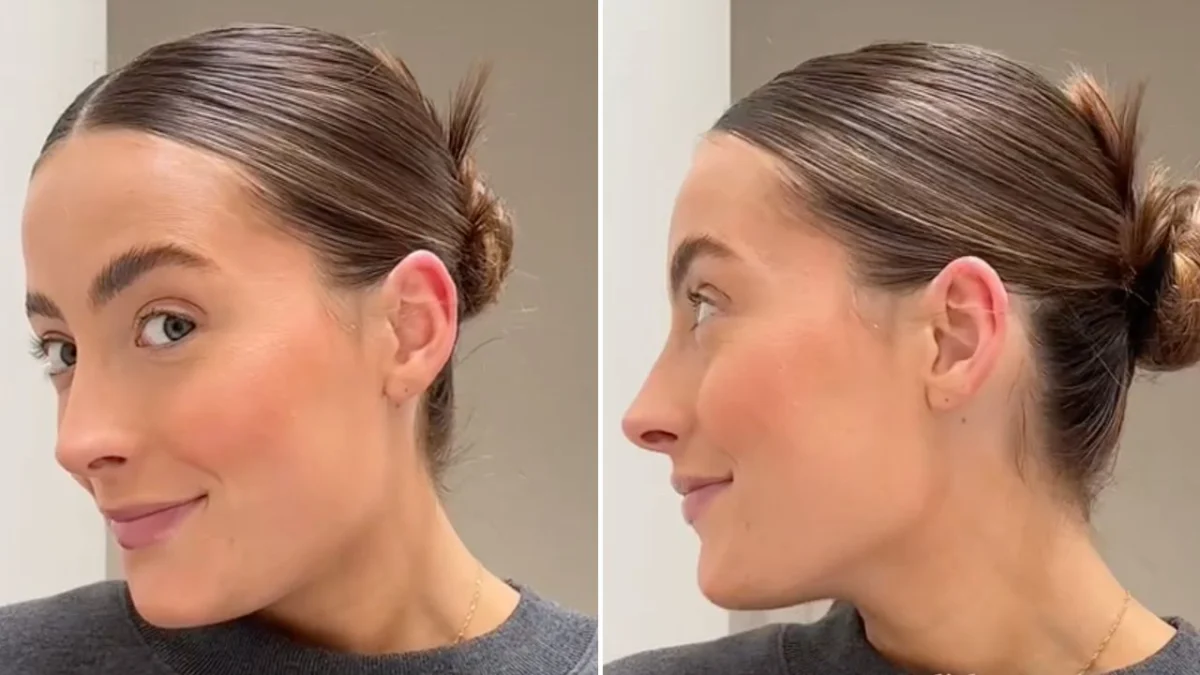
The pursuit of polished and put-together hairstyles, particularly those requiring significant tension, is a common practice for many individuals. However, dermatologists and trichologists are increasingly highlighting the detrimental effects these styles can have on scalp health, leading to issues such as soreness, thinning edges, and even persistent tension headaches. The conventional wisdom that tighter hairstyles equate to a more sophisticated appearance is being challenged by emerging understanding of hair follicle mechanics and the cumulative impact of constant strain.
For years, the visual appeal of sleek, tightly pulled-back hair has been a dominant trend. This aesthetic often involves aggressively manipulating the hair roots, creating a direct and sustained pull on the scalp. This continuous tension, experts explain, can compromise the integrity of the hair follicle, leading to inflammation, reduced blood flow, and ultimately, hair breakage and loss. The phenomenon is particularly prevalent in styles like tight ponytails, intricate braids, and severe updos, where hair is often secured with elastics or other accessories that exert significant force.
"The scalp is a sensitive ecosystem, and applying constant, undue pressure can disrupt its natural balance," states Dr. Anya Sharma, a board-certified dermatologist specializing in hair loss. "We’re seeing a rise in traction alopecia, a form of hair loss caused by prolonged tension on the hair follicles, and a significant portion of these cases are linked to styling practices. The goal is to achieve stylish results without compromising the long-term health of the hair and scalp."
The implications of this trend extend beyond mere aesthetics. Persistent scalp discomfort and hair thinning can have a significant psychological impact, affecting an individual’s self-esteem and confidence. The economic impact is also notable, with individuals often investing substantial amounts in treatments and products to address the damage caused by these styling habits.
Recognizing this growing concern, stylists and hair care professionals are advocating for a shift towards hairstyles that prioritize scalp well-being. The key lies in understanding how to achieve desirable looks with minimal or no tension on the hair roots. This involves strategic styling techniques that distribute pressure more evenly or utilize accessories that do not constrict the scalp.
Understanding the Science of Scalp Tension
The hair follicle, a complex structure embedded in the dermis, is responsible for hair growth. It is surrounded by a network of blood vessels that supply nutrients and oxygen, crucial for healthy hair. When hair is pulled tightly, it exerts force on the follicle, stretching the surrounding tissues. Over time, this sustained stretching can lead to inflammation (folliculitis), damage to the connective tissues supporting the follicle, and ultimately, a weakening of the hair shaft.
This process is often referred to as traction alopecia. It typically begins with subtle signs like tenderness and breakage along the hairline. If the tension is not relieved, it can progress to permanent hair loss in the affected areas. The rate of progression varies depending on the individual’s hair type, the duration and intensity of the tension, and genetic predisposition.
Data from the American Academy of Dermatology suggests that styles like tight braids, weaves, extensions, and frequently worn high ponytails are primary culprits. A study published in the Journal of the American Academy of Dermatology found that a significant percentage of individuals experiencing traction alopecia reported wearing these types of hairstyles regularly.
Innovations in Tension-Free Styling
Fortunately, a growing number of stylists and hair enthusiasts are exploring and popularizing hairstyles that offer a compromise between style and scalp health. These techniques focus on clever placement, alternative securing methods, and leveraging the natural texture of the hair.
1. The Claw-Clip Updo: A Modern Classic
The claw-clip updo has re-emerged as a highly effective and stylish solution for those seeking to avoid scalp strain. The technique involves creating two small, loose braids at the front of the hair, framing the face. The remaining hair is then gathered, loosely twisted, and secured at the back with a large claw clip.
The efficacy of this style lies in the distribution of tension. Unlike elastics that can concentrate pressure directly at the root, the claw clip distributes the hold across a wider surface area. The front braids add a decorative element and a degree of structure without pulling on the hairline. This method is particularly beneficial for individuals with curly or wavy hair textures, as it can enhance natural volume and definition. For added flair, gentle curling of the loose strands around the face can create a polished finish.
2. The Tension-Free High Ponytail: A Strategic Approach
The high ponytail remains a popular choice for its sleek and athletic appeal. However, the traditional method of gathering all hair at the crown and pulling it taut can be a major contributor to scalp discomfort and hairline recession. A revised technique offers a solution.
This adjusted method begins by sectioning off the front pieces of hair and setting them aside. The rest of the hair is then gathered into a high ponytail. Subsequently, the reserved front sections are brought up and incorporated into the ponytail, often secured with a soft tie or by wrapping a strand of hair around the base. This approach significantly reduces the direct pull on the hairline, as the front sections are not being dragged upwards from their roots. The resulting ponytail maintains a high and polished appearance, but the tension is more evenly distributed across the scalp, minimizing strain on sensitive areas.
3. The Sleek Bun: Redefining the Back Sweep
Slicking hair back is a common styling choice, often associated with formal occasions and a sophisticated look. However, pulling hair directly back from the forehead and temples creates a linear tension that can be damaging. A subtle yet impactful alteration to this technique can alleviate this pressure.
Instead of sweeping hair straight back, stylists recommend directing the hair along the natural line of the ears. This gentle redirection of tension towards the sides of the head, rather than a direct backward pull, significantly reduces stress on the hairline and temples. The hair is then gathered into a low ponytail or bun at the nape of the neck. This method allows for a smooth and sleek appearance without compromising scalp health. It is a practical approach for maintaining a polished look while actively protecting the delicate edges of the hair.
4. The Half-Updo: Effortless Style, Minimal Strain
For individuals who prefer to wear their hair down but out of their face, the half-updo offers a comfortable and stylish alternative. This style involves sectioning off the top layer of hair and lifting it upwards. A barrette or clip is then used to secure this section underneath, rather than tightly over the top.
The key to this tension-free method is to allow the top section to rest naturally without excessive pulling. The clip does the holding, and the loose bottom half of the hair ensures that minimal pressure is applied to the roots. This technique is particularly effective for those who experience discomfort from all-down styles or who find it challenging to keep their hair out of their face without resorting to tight styles. It provides a relaxed yet put-together look, significantly reducing tension on the scalp.
5. The Twisted Half-Up Style: Adding Dimension Without the Drag
For those seeking a half-up style with a bit more visual interest, a simple twisted approach offers an elegant solution. This method involves taking small sections of hair from the front of the head, gently twisting them towards the back, and then slightly loosening the twists to create a soft, artful effect. These twisted sections are then secured with pins at the back.
The beauty of this style lies in its minimal stress on the hair follicles. Since the twists are secured at the back and are not pulled taut from the roots, there is virtually no strain on the scalp. This technique works well on a variety of hair types, from straight to curly, and adds texture and shape without the associated tension. It’s a subtle yet effective way to elevate a simple half-up style into something more sophisticated.
Broader Impact and Future Trends
The growing awareness of the link between hairstyling practices and scalp health is prompting a shift in consumer demand and stylist education. As individuals become more informed about the potential for traction alopecia and other scalp-related issues, there is an increasing preference for styles that prioritize well-being.
This trend is likely to influence the beauty industry, leading to the development of new styling tools and accessories designed to minimize tension. Furthermore, educational programs for aspiring and practicing hairstylists will increasingly incorporate modules on scalp health and damage prevention.
The implications of this shift are far-reaching. By adopting tension-free styling techniques, individuals can not only maintain healthier hair and scalps but also potentially reduce long-term costs associated with hair loss treatments. The emphasis is moving from purely aesthetic outcomes to a more holistic approach to hair care, where style and health are not mutually exclusive.
For consumers seeking further inspiration and practical guidance, digital platforms are playing a crucial role. Mobile applications that allow users to virtually try on hairstyles before committing to a look can empower individuals to make informed decisions about their styling choices. This technology, combined with expert advice and a growing community of informed individuals, is fostering a new era of hair care where style and scalp health go hand in hand. The continued exploration and popularization of these low-tension hairstyles will be key in ensuring that individuals can express their personal style without compromising the long-term vitality of their hair.
