
 By admin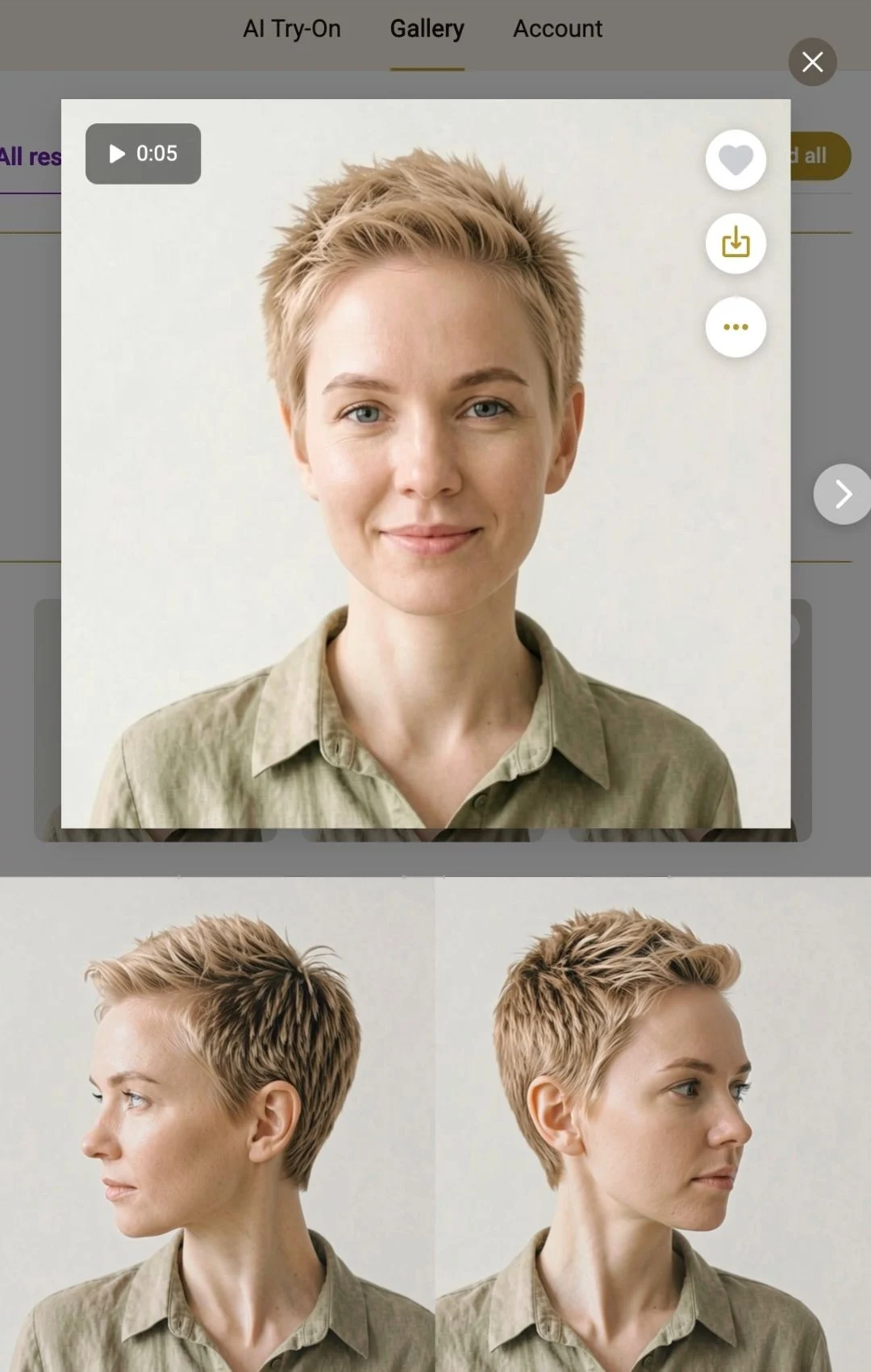
The perennial struggle of achieving a salon-perfect look at home after a seemingly promising haircut is a common lament. Many individuals find themselves frustrated, realizing that the trendy style admired on a model or celebrity simply doesn’t translate to their own reflection. This disconnect often stems from the inherent limitations of generic hairstyle recommendations, which frequently overlook critical personal attributes such as hair texture, lifestyle demands, and individual styling capabilities. The emerging solution lies in personalized hairstyles, a nuanced approach that aligns contemporary cuts with a person’s unique facial geometry, inherent hair characteristics, and practical, everyday needs. While a generic haircut might flatter one individual, a personalized style promises a transformative experience, reshaping not just hair but also confidence. This article delves into the fundamental reasons behind the failure of generic advice and explores how advancements in AI-backed personalization tools and virtual hairstyle try-on applications are revolutionizing the way individuals select and commit to their ideal look.
The Multifaceted Nature of "Personalized Hairstyles"
The concept of a truly customized hairstyle extends far beyond superficial aesthetics. It involves a holistic assessment of an individual’s unique characteristics, moving beyond simplistic categorizations. This multi-dimensional approach begins with a detailed analysis of facial geometry, which is more than just identifying a basic face shape. It encompasses the precise placement of the hairline, the curvature of the forehead, the prominence of cheekbones, the profile of the nose, and the shape of the chin. Each of these elements plays a crucial role in determining which haircut will most effectively enhance an individual’s natural features.
Beyond facial structure, hair texture and density are pivotal factors that significantly influence how a haircut will behave and look. Fine, straight hair possesses entirely different styling properties compared to thick, wavy strands, even when subjected to the same cutting technique. Hair porosity, which dictates how well hair absorbs and retains moisture, impacts a style’s longevity and its responsiveness to styling products. Furthermore, the natural growth direction of hair determines which sections will cooperate seamlessly during styling and which might present a daily challenge.

The practicalities of an individual’s lifestyle and their capacity for maintenance are equally vital considerations. A hairstyle that demands a 45-minute regimen of blow-drying and round-brushing is entirely impractical for someone who prefers to air-dry their hair five days a week. Therefore, a personalized approach must account for daily routines, the prevailing climate (with humidity playing a significant role in how hair behaves), an individual’s skill level with styling tools, and their available time for grooming.
Finally, personal style and aesthetic preferences are intrinsic to the concept of a personalized hairstyle. A haircut that might be structurally sound and technically flattering but clashes with an individual’s self-perception will inevitably feel uncomfortable and inauthentic. The goal is to find a style that not only complements physical attributes but also resonates with an individual’s sense of self.
The Persistent Pitfalls of Generic Hairstyle Advice
Generic advice, while often well-intentioned, tends to falter when confronted with the diverse realities of individual hair and faces. Several key factors contribute to its ineffectiveness:
Ignoring Unique Facial Geometry
The common practice of categorizing faces into six basic shapes—oval, round, square, heart, long, and diamond—offers a rudimentary starting point but oversimplifies the complex tapestry of human bone structure. This simplified system fails to capture the intricate nuances of an individual’s facial contours, such as the subtle angles of the jawline, the width of the temples, or the projection of the cheekbones. These specific details can dramatically alter how a particular haircut is perceived and how it interacts with the overall facial composition. For instance, two individuals with heart-shaped faces might require vastly different styles due to subtle variations in their forehead width, chin projection, or the presence of a widow’s peak. A one-size-fits-all approach based on broad categories inevitably misses these critical distinctions, leading to suboptimal results.

The Dominance of Hair Texture and Density
The physical properties of hair—its texture and density—are often the most significant determinants of a haircut’s success or failure. Density dictates the inherent volume a style will possess, while texture influences curl patterns, natural movement, and how layers will lay and interact. Porosity, as previously mentioned, affects how long a style will hold and how products are absorbed. A reference photograph saved from a popular social media platform likely features hair with a completely different texture pattern and density level than one’s own. This disparity is a primary reason why hairstyles that appear stunning on platforms like Pinterest often fall short when replicated. For example, a layered bob that looks sleek and voluminous on thick, coarse hair might appear limp and flat on fine, straight hair, even with identical cutting techniques.
The Omission of Lifestyle and Maintenance Realities
A significant oversight in generic hairstyle advice is the failure to acknowledge an individual’s practical lifestyle and their willingness or capacity for daily maintenance. A haircut that requires 30 minutes of meticulous styling with heat tools and professional techniques is simply not feasible for someone who has a mere 10 minutes between showering and departing for work. Generic recommendations rarely probe into an individual’s morning routine, their comfort level with using heat styling appliances, or their familiarity with various styling products. Therefore, hair type considerations must be integrated with a realistic assessment of how an individual actually lives their life. A "low-maintenance" hairstyle, for instance, can signify vastly different levels of effort depending on an individual’s natural hair texture and their daily demands.
The Unrealistic Transferability of Celebrity Styles
Celebrity photos, often presented as aspirational benchmarks, are a frequent source of haircut regret. These "looks good on her" scenarios are rarely transferable to the average person’s reality. Celebrities typically benefit from the expertise of professional styling teams, sophisticated lighting setups, and often employ hair extensions or specialized pieces to enhance volume and length. The infrastructure supporting a celebrity’s polished appearance is an integral part of the overall aesthetic, an advantage unavailable to individuals when they leave the salon. What appears effortless on a red carpet often involves a complex behind-the-scenes production that cannot be replicated in a home environment.
The Tangible Cost of "Guessing" Your Hairstyle
The repercussions of unsuccessful haircuts extend beyond mere aesthetic disappointment. The financial investment in a haircut can be substantial, with average costs ranging from $50 to $150, and color services often escalating to $150-$300 or more. When a haircut does not yield the desired results, this money is effectively lost, leaving behind only regret and the often-awkward phase of growing out an undesirable style. This financial and emotional cost is entirely preventable. The gap between inspiration and reality can be significantly narrowed by visualizing a potential style on one’s own face before making a permanent commitment. Understanding the underlying reasons why a haircut might not match a reference photo is a valuable step, but the ultimate elimination of guesswork comes through visual pre-confirmation.

The Paradigm Shift: Personalized Hairstyle Selection
The process of selecting a truly personalized hairstyle diverges significantly from the generic approach. Instead of beginning with an abstract ideal and hoping for the best, personalized selection commences with a thorough assessment of individual attributes.
Prioritizing Personal Features Over Abstract Inspiration
While face shape charts can serve as useful introductory guides, they are inherently simplified representations of reality. Authentic personalization requires a deeper understanding of which specific facial features an individual wishes to accentuate or balance. This includes considerations like the prominence of the forehead, the width of the cheekbones, the angle of the jawline, and the desired emphasis on the eyes or lips. These specific details are crucial because they dictate precisely where volume is needed, where length is beneficial, and which face-framing techniques will be most effective in harmonizing the overall appearance.
TheRightHairstyles.com, for instance, offers a comprehensive hairstyle quiz designed to guide users toward their ideal cuts based on a detailed analysis of their face shape, unique features, current hair length, and desired transformation. This process, typically taking only a few minutes, delves into hair type, lifestyle habits, styling time availability, and color preferences. Upon analyzing these inputs, the system generates personalized haircut try-ons in mere seconds, offering a tangible preview of potential styles.
The Crucial Step: Testing Before Committing
This is precisely where technological advancements are fundamentally altering the landscape of hairstyle selection. Virtual testing effectively removes the pervasive anxiety associated with the question, "Will I like this?" before any scissors touch the hair. While no technological tool can completely replace the expertise of a skilled stylist, visualization empowers individuals to arrive at their salon appointments with a clearer understanding of their desired outcome.

Hairstyle try-on tools have become indispensable resources for decision-making precisely because they bridge the chasm between imagination and reality. This technological integration makes the prospect of a significant hair transformation feel considerably less daunting, as individuals have already had the opportunity to preview the potential results.
The Transformative Power of Self-Visualization
The ability to visualize oneself with a specific haircut profoundly reduces anxiety and cultivates greater confidence in one’s decisions. When applied to hairstyles, this principle fundamentally transforms the entire experience of selecting a new look. Seeing oneself with a particular cut replaces abstract conjecture with concrete visual evidence. Instead of posing the vague question, "Would short hair suit me?" individuals can actively observe themselves with short hair and ascertain whether they genuinely like the result or if it feels incongruous. This newfound certainty greatly enhances the ability to communicate one’s desires clearly and effectively to a stylist.
Moreover, the emotional difference between approaching a haircut with a mindset of "I hope this works" versus "I’ve already seen this on my face, and it looks great" cannot be overstated. The former breeds anxiety and the potential for disappointment when the results fall short of expectations, while the latter fosters excitement and satisfaction because expectations are aligned with reality from the outset. This represents the practical application of personalized beauty in the modern era.
Personalization Simplified: Leveraging Technology
The term "personalized" might initially evoke a sense of complexity, suggesting the need for hours of intricate analysis and elaborate assessments. However, modern technology has streamlined this process significantly. The current workflow for personalized hairstyle selection is remarkably straightforward: complete a brief quiz, review a curated shortlist of recommendations, virtually try on the selected styles using a personal photograph, and then confidently decide which hairstyle best suits you.

The HairHunt app (available on iOS and Android) and TheRightHairstyles’ online virtual try-on platform exemplify this accessible approach. Through an intuitive online quiz, users can upload a photo, answer a few straightforward questions about their hair type and styling preferences, and receive customized recommendations almost instantaneously. This entire process is designed to be completed in minutes, rather than hours, delivering personalized hair recommendations tailored to an individual’s specific features and lifestyle.
Frequently Asked Questions on Personalized Hairstyle Selection
How do I determine which hairstyle best suits my face shape?
Begin by identifying your predominant face shape—oval, round, square, heart, long, or diamond—by measuring key proportions of your forehead, cheekbones, and jawline. The most flattering hairstyles typically work to balance and complement these natural features. For instance, round faces often benefit from styles that add verticality and length, while square faces may be softened by the inclusion of gentle layers.
Why do Pinterest hairstyles rarely look the same on me?

The discrepancy often arises because the models on Pinterest may possess entirely different face shapes, hair textures, densities, and have access to a variety of professional styling tools and techniques. Factors such as studio lighting, professional styling, and digital editing can significantly alter how a haircut appears online. For a similar result, a style must be adapted to your unique personal characteristics.
Is it possible to try on hairstyles before getting a haircut?
Absolutely. AI-powered virtual try-on tools enable you to preview numerous hairstyles, lengths, and fringe options before committing to a physical cut. These virtual tools provide invaluable visual references, effectively eliminating guesswork and allowing you to visualize potential haircut outcomes on your actual face.
Is face shape the sole determinant in choosing a hairstyle?

No, face shape is merely one component. Hair texture, density, lifestyle considerations, personal maintenance preferences, and overall style all play crucial roles. A comprehensive hair type consideration must encompass how your hair naturally behaves. An ideal haircut should harmonize with your facial structure, practical daily needs, and established styling habits.
How can I effectively communicate my desired hairstyle to my stylist?
Bring clear reference photographs and articulate precisely what you admire about each style, specifying elements like length, layering techniques, or bang styles. Be candid about your daily routine and the amount of time you are willing to dedicate to styling. Demonstrating what you want requires clear verbal and visual communication.
What if I exhibit characteristics of multiple face shapes?

It is common for individuals to possess a combination of face shape traits rather than fitting neatly into a single category. In such instances, focus on hairstyles that best balance your most prominent features. A skilled professional stylist can offer expert guidance in customizing a cut that enhances your overall proportions and bone structure.
How long does the personalized haircut selection process take with TheRightHairstyles?
The initial hairstyle quiz requires only a few minutes to complete and covers your face shape, hair type, lifestyle, styling time availability, and color preferences. Following this analysis, the system generates personalized haircut try-ons in approximately 10 seconds, with a video preview typically available in under a minute. The entire online process is designed for efficiency and ease of use.
In conclusion, the notion of personalized hairstyles is no longer an intricate, time-consuming endeavor. Modern technology has democratized this process, making it accessible and user-friendly. This is your opportune moment to experiment with your next hairstyle before your scheduled salon appointment. Upload your photo, preview your options, and confidently walk into the salon prepared. Your truly individual hairstyle awaits discovery.
