
 By Nana Wu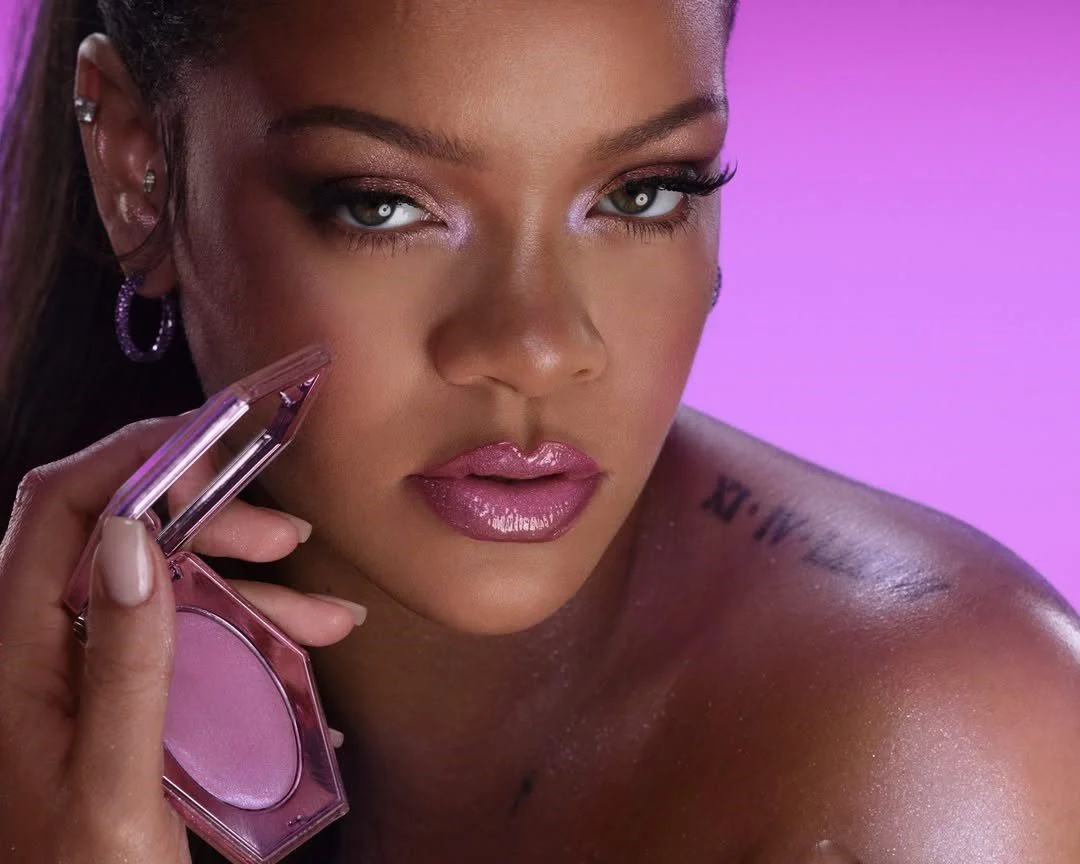
LVMH Moët Hennessy Louis Vuitton, the world’s preeminent luxury goods conglomerate, is reportedly weighing a strategic exit from its partnership with global superstar Rihanna by exploring the sale of its 50 percent stake in Fenty Beauty. According to reports first surfaced by Reuters and attributed to financial journalist Abigail Summerville, the French luxury group has engaged the investment bank Evercore to advise on the potential transaction. This move marks a significant pivot for the Bernard Arnault-led empire, which has historically utilized its Kendo Brands incubator to launch and scale celebrity-backed ventures. While Fenty Beauty remains a powerhouse in the global cosmetics market, the potential divestiture signals a broader shift in LVMH’s corporate strategy, prioritizing the consolidation of its wholly owned heritage maisons over joint-venture partnerships.
The Genesis and Evolution of the Fenty Phenomenon
Fenty Beauty was launched in September 2017 under the umbrella of Kendo Brands, LVMH’s internal incubator designed to develop original beauty brands or those with significant celebrity equity. The partnership between Rihanna (Robyn Rihanna Fenty) and LVMH was viewed at the time as a masterclass in modern brand building. By leveraging Rihanna’s massive cultural influence and LVMH’s unparalleled supply chain and retail infrastructure—specifically through its Sephora subsidiary—Fenty Beauty achieved immediate and unprecedented success.
The brand’s debut was defined by the "Fenty Effect," a term coined by industry analysts to describe the seismic shift in the beauty landscape following the release of Fenty’s Pro Filt’r Foundation in 40 shades. This commitment to inclusivity forced established legacy brands to expand their own shade ranges to remain competitive. Within its first few weeks of operation, Fenty Beauty reportedly generated $100 million in sales, a figure that underscored the immense demand for diverse representation in the prestige beauty sector. By the end of its first full year, the brand had reached approximately $550 million in revenue, effectively disrupting the traditional hierarchy of the cosmetics industry.
Financial Performance and Valuation Metrics
As of 2024, Fenty Beauty continues to be a formidable player in the beauty space. Estimates suggest the brand generated approximately $450 million in sales over the last fiscal year. While this figure represents a slight cooling from its initial explosive growth period, the brand maintains high margins and a loyal consumer base. Financial analysts suggest that a potential sale of LVMH’s 50 percent stake could value the entire Fenty Beauty enterprise between $1 billion and $2 billion.
The valuation of beauty brands typically relies on a multiple of annual revenue or EBITDA (Earnings Before Interest, Taxes, Depreciation, and Amortization). In the current market, high-growth prestige beauty brands often command multiples of 3x to 5x revenue. Given Fenty Beauty’s established market position and its integration into the Sephora ecosystem, the $1 billion to $2 billion range is considered a realistic appraisal of its current market worth. The involvement of Evercore suggests that LVMH is seeking a sophisticated buyer, potentially another global beauty conglomerate like the Estée Lauder Companies, Coty, or a private equity firm looking to capitalize on the brand’s enduring relevance.
A Broader Strategy: The LVMH Portfolio Cleanup
The news of the Fenty Beauty exploration does not exist in a vacuum. It follows a series of high-profile divestitures and strategic shifts within the LVMH portfolio. In recent months, the group has demonstrated an increasing desire to "clean up" its balance sheet by offloading brands that do not align with its long-term vision of absolute luxury and total control.
Recent maneuvers include:
- Off-White: LVMH recently sold its stake in Off-White, the streetwear label founded by the late Virgil Abloh, to Bluestar Alliance. While Abloh’s tenure at Louis Vuitton was transformative, the standalone Off-White brand faced challenges in maintaining its momentum in a post-streetwear luxury market.
- Stella McCartney: LVMH previously sold its stake in Stella McCartney back to the founder, allowing the designer to regain full control of her eponymous label.
- Marc Jacobs: Rumors have persisted for several months that LVMH is exploring options for Marc Jacobs, despite a recent resurgence in the brand’s popularity driven by its "The Tote Bag" and "Heaven" lines.
These moves suggest that LVMH is moving away from the "incubator" model for its fashion and beauty segments. Instead, the conglomerate appears to be doubling down on its "powerhouse" brands—Louis Vuitton, Dior, and Sephora—which provide the vast majority of the group’s revenue and profit. By shedding lower-growth or shared-equity brands, LVMH can focus its capital and executive attention on ventures where it maintains 100 percent ownership and brand direction.
The Rise of La Beauté Louis Vuitton and Internal Competition
A significant factor in the potential divestment of Fenty Beauty is LVMH’s desire to cultivate beauty offerings directly tied to its namesake heritage brands. The recent debut of "La Beauté Louis Vuitton" serves as a primary example. Led by legendary makeup artist Pat McGrath, this new line focuses on high-craftsmanship, innovation, and sustainability, directly echoing the brand identity of Louis Vuitton’s leather goods and trunk-making heritage.
Internal reports suggest that the launch of La Beauté Louis Vuitton has been a major success, proving that LVMH can generate significant beauty revenue without relying on outside celebrity partners. By building beauty brands within the existing frameworks of Louis Vuitton or Dior (which already boasts a massive beauty division), LVMH retains higher margins and ensures that the brand equity remains entirely within the house. Fenty Beauty, as a 50/50 joint venture, requires profit sharing and collaborative decision-making, which may no longer suit the streamlined corporate structure Bernard Arnault is currently refining.
Macroeconomic Headwinds and the Luxury Slowdown
The timing of this potential sale also coincides with a cooling global luxury market. After several years of record-breaking growth following the pandemic, the luxury sector is facing a deceleration. Factors such as high interest rates, inflationary pressures in the West, and a slower-than-expected economic recovery in China have impacted consumer spending on high-end goods.
In its most recent quarterly reports, LVMH noted a softening in demand across several categories. In this environment, conglomerates often seek to de-risk their portfolios. Joint ventures can be more volatile than wholly owned subsidiaries, especially those tied closely to the public image of a single individual. While Rihanna remains one of the most bankable stars in the world, the "celebrity brand" fatigue that has hit other sectors of the market may be a consideration for LVMH leadership as they look toward the next decade of growth.
The Future of the Fenty Empire
If LVMH proceeds with the sale, the future of Fenty Beauty will depend largely on who acquires the stake and Rihanna’s own long-term involvement. Rihanna has proven to be a savvy business mogul, expanding her empire beyond cosmetics into skincare (Fenty Skin), lingerie (Savage X Fenty), and most recently, hair care (Fenty Hair).
While Fenty Beauty was the foundation of her business success, Savage X Fenty has also attracted significant outside investment from firms like Neuberger Berman and L Catterton (the latter of which is backed by LVMH). It is possible that Rihanna herself could seek to buy back the stake, perhaps with the help of new private equity partners, to gain full autonomy over her brand—much like Stella McCartney did. Alternatively, a sale to a major competitor like Ulta Beauty or a conglomerate like L’Oréal could provide Fenty Beauty with a different set of growth levers, though it might complicate its current exclusive relationship with Sephora.
Chronology of Key Events
- September 2017: Fenty Beauty launches globally in 1,600 stores across 17 countries, debuting with an industry-standard-setting 40 shades of foundation.
- 2018: Fenty Beauty is named one of Time Magazine’s "Best Inventions of 2017" and records over $500 million in annual sales.
- July 2020: Expansion into skincare with the launch of Fenty Skin, emphasizing gender-neutral and sustainable products.
- February 2021: LVMH and Rihanna announce the shuttering of the Fenty fashion line (ready-to-wear) to focus on the more lucrative beauty and lingerie sectors.
- 2022-2023: Fenty Beauty continues global expansion, entering the mainland Chinese market and strengthening its presence in the Middle East and Africa.
- June 2024: Launch of Fenty Hair, further diversifying the brand’s portfolio within the personal care space.
- Late 2024: Reports emerge that LVMH has hired Evercore to explore a sale of its 50 percent stake in the beauty venture.
Industry Implications and Market Reaction
The potential exit of LVMH from Fenty Beauty is being closely watched by industry analysts as a bellwether for the future of celebrity-led beauty brands. For years, the success of Fenty was used as a blueprint for other stars, leading to a crowded market featuring brands from Selena Gomez (Rare Beauty), Hailey Bieber (Rhode), and Ariana Grande (r.e.m. beauty).
If LVMH, the most successful luxury operator in history, is looking to exit a high-performing celebrity brand, it may suggest that the "celebrity incubator" model has reached a point of diminishing returns for major conglomerates. The focus is shifting back to "quiet luxury," craftsmanship, and heritage—qualities that are easier to control and sustain over decades when they are housed within a 100-year-old maison rather than a modern celebrity partnership.
Neither LVMH nor representatives for Rihanna have issued official statements regarding the sale. Historically, LVMH remains tight-lipped about ongoing financial negotiations until a definitive agreement is reached. However, the appointment of Evercore indicates that the process is beyond the stage of mere speculation. As the luxury market continues to recalibrate for 2025 and beyond, the resolution of the Fenty Beauty stake will serve as a defining moment in the evolution of the modern beauty industry.
