
 By admin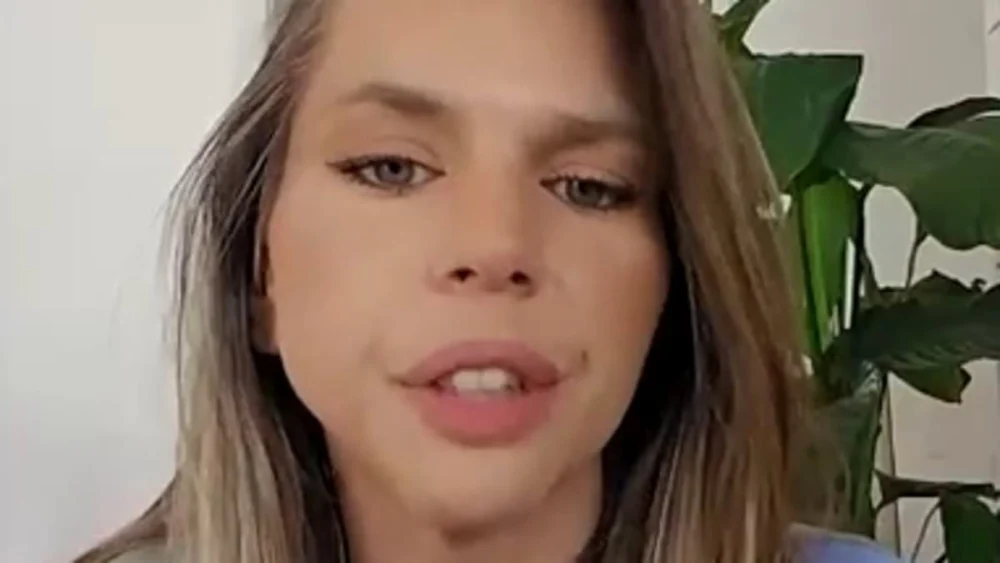
The trajectory of Married At First Sight (MAFS) Australia has historically relied on a familiar narrative structure: the identification of a seasonal antagonist. In the current iteration of the social experiment, that role has been assigned to Bec Zacharia. While reality television thrives on conflict and the polarization of its participants, the discourse surrounding Zacharia has transitioned from standard viewership critique into a more severe territory involving allegations of substance abuse, personal character assassination, and targeted online harassment. In a comprehensive address regarding her portrayal and the ensuing public reaction, Zacharia has provided a detailed rebuttal to the most serious claims, citing physiological changes and production pressures as the primary drivers behind her on-screen appearance.
The Construction of the Reality TV Villain Archetype
The "villain edit" is a well-documented phenomenon in reality television production, particularly within high-stakes dating formats. Since its inception, MAFS Australia has frequently featured outspoken female participants who become the focal point of audience grievances. This phenomenon often follows a specific pattern: a participant is highlighted for their candid, often abrasive commentary, which is then amplified through selective editing and the atmospheric pressure of the show’s "Dinner Parties."
For Zacharia, this role has manifested in intense scrutiny of her facial expressions, her interactions with her on-screen husband, Danny Hewitt, and her general demeanor during group settings. However, the current backlash has exceeded the boundaries of previous seasons. The criticism has shifted from Zacharia’s personality to her health and legality, with viral theories on platforms such as TikTok and Reddit suggesting that her behavior is the result of intoxication or illicit substance use.
Addressing Allegations of Substance Abuse and Weekly Testing Protocols
One of the most persistent narratives circulating online involves the suggestion that Zacharia was under the influence of drugs during the filming of the show’s high-tension Dinner Parties. Terms such as "on the bags" or "on the packet"—slang for cocaine use—have become common descriptors in social media threads discussing her behavior.
Zacharia has categorically denied these allegations, pointing to the rigorous health and safety protocols maintained by the production company, Endemol Shine Australia. According to Zacharia, participants undergo weekly drug testing to ensure compliance with safety standards and to maintain the integrity of the production. This protocol is a standard industry practice designed to mitigate liability and protect the well-being of the cast in a high-stress environment.
"I’m not on drugs. We got drug tested every week," Zacharia stated, addressing the baseless nature of the online speculation. She emphasized that the claims are not only false but represent a dangerous escalation in how viewers interact with reality television participants, moving from judging actions to fabricating criminal behavior.
The Physiology of Alcohol Tolerance and Rapid Weight Loss
A secondary point of contention for viewers has been Zacharia’s perceived level of intoxication during televised events. Viewers have pointed to instances of slurred speech or glassy eyes as evidence of chronic alcohol abuse. Zacharia, however, provides a physiological explanation rooted in significant weight fluctuations and the grueling schedule of the production.
Prior to the commencement of filming, Zacharia reportedly lost 20 kilograms. As the "experiment" progressed, the combination of psychological stress, long filming hours, and the physical demands of the production led to a further loss of 10 kilograms, totaling a 30-kilogram reduction in body mass.
From a medical and forensic perspective, body weight is a critical factor in the metabolism of ethanol. A lower body mass typically results in a higher Blood Alcohol Concentration (BAC) after consuming the same amount of alcohol compared to a person with a higher body mass. This is due to a smaller volume of distribution for the alcohol in the body’s tissues. Zacharia noted that her tolerance "completely changed," stating that two or three glasses of wine would produce an effect that previously required much higher consumption.
Furthermore, the filming of MAFS Dinner Parties is known to be an exhaustive process. These segments often involve 12 to 16 hours of production, frequently starting in the late afternoon and continuing into the early hours of the morning. Participants are often provided with alcohol while navigating intense emotional confrontations, a "pressure cooker" environment designed to elicit dramatic responses. Zacharia asserts that the combination of her reduced body weight, lack of consistent nutrition during shoot days, and high cortisol levels due to stress resulted in the appearances of intoxication that viewers have highlighted.
The Personal Toll of Alcoholism and Family History
The accusations of alcoholism are particularly sensitive for Zacharia due to her personal history with the disease. She revealed that she had previously been in a long-term relationship with an individual struggling with alcohol addiction. This experience, she explains, has given her a profound understanding of the gravity of the condition and the devastation it causes to families.
"I’m struggling with these accusations of alcoholism," she remarked, noting that the label is being used as a casual insult by the public without regard for its status as a serious medical and psychological disorder. For Zacharia, the irony of being accused of the very affliction that caused significant trauma in her past has been one of the most difficult aspects of the post-production experience.
Chronology of the Backlash and the Digital "Pile-On"
The timeline of the public’s animosity toward Zacharia can be traced through the airing schedule of the current season:
- Initial Episodes: Zacharia is introduced as a confident, blunt personality. Early friction with her on-screen partner sets the stage for her "villain" trajectory.
- The Dinner Parties: As the group settings begin, Zacharia’s commentary on other couples’ relationships draws fire from viewers. Social media activity begins to surge.
- The Rise of Speculation: Mid-season, clips of Zacharia looking fatigued or overwhelmed begin to circulate on TikTok, accompanied by speculative captions regarding substance use.
- The Escalation to Harassment: Direct messages to Zacharia and her family members increase in frequency and severity, moving from show-related critiques to personal threats.
- The Breaking Point: Zacharia chooses to speak out publicly to address the rumors, citing the impact on her mental health and the safety of her family.
The "pile-on" effect has been exacerbated by the anonymity of the internet. Zacharia reported receiving daily messages encouraging self-harm, a stark reminder of the "dark side" of reality TV fame.
Impact on Family and External Life
Beyond the immediate impact on Zacharia, the vitriol has extended to her family members. This includes her high-profile relatives, who have been subjected to collateral harassment due to their association with her. The dragging of family members into reality TV disputes represents a breach of the traditional "fourth wall," where the consequences of a television persona bleed into the private lives of non-participants.
In an effort to provide a more holistic view of her character, Zacharia pointed to her long-standing commitment to animal welfare. She has spent years volunteering for the RSPCA and fostering animals—a side of her life that does not fit the "heartless" narrative constructed by the show’s edit. This discrepancy highlights the limitations of reality television in capturing the complexity of human personality.
Broader Implications for Reality TV Ethics and Duty of Care
The situation involving Bec Zacharia raises significant questions regarding the "duty of care" owed by production companies to their cast members. In recent years, the reality TV industry globally has faced intense scrutiny following the tragic deaths of several high-profile participants in the UK and Australia.
While networks often provide psychological support during and after filming, the sheer volume of social media abuse is difficult to regulate. The Zacharia case demonstrates that when a participant is framed as a villain, the audience often feels "deputized" to punish them. This leads to a dangerous environment where the line between entertainment and character assassination becomes blurred.
Industry analysts suggest that the evolution of reality TV must include more robust strategies for managing social media fallout. This could include stricter moderation of official show pages or more transparent communication regarding how "edits" are constructed to prevent viewers from mistaking a curated persona for a factual biography.
Conclusion: The Weight of Words in the Digital Age
Bec Zacharia’s experience serves as a case study in the modern reality TV cycle. While she acknowledges her flaws and the fact that her bluntness is "not everyone’s cup of tea," she maintains that the public response has transitioned into an unjustified campaign of defamation.
By addressing the specific claims of substance abuse with facts regarding production drug testing and the physiological realities of her weight loss, Zacharia is attempting to reclaim her narrative. Her plea to the public—to remember that "words have weight"—is a call for a more empathetic approach to media consumption. As the season concludes, the question remains whether the audience will view her through the lens of the "villain" they were presented with, or as a human being navigating an extraordinary and often manipulative environment.
