
 By Jia Lissa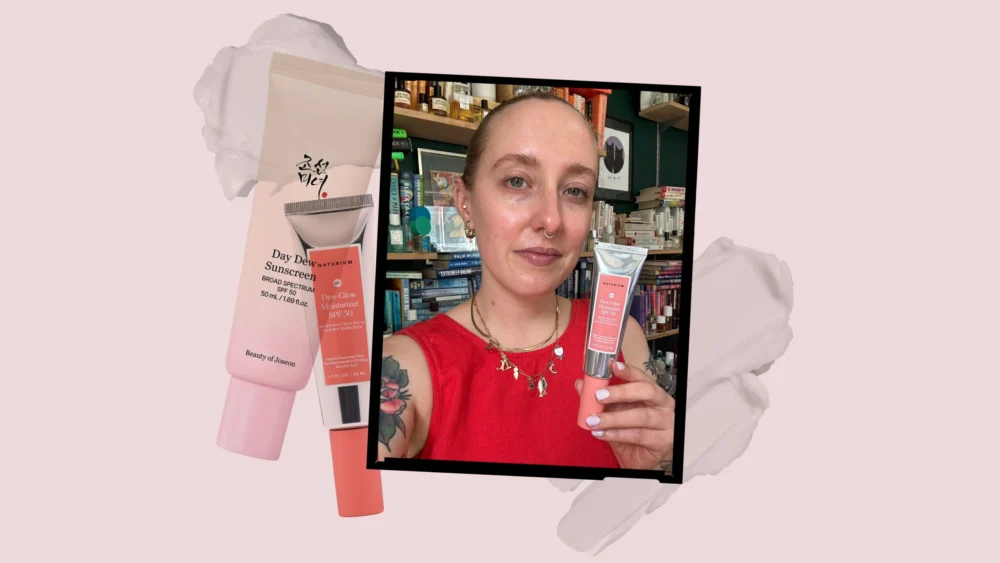
Moisturizers with SPF have emerged as a cornerstone in simplified yet effective skincare routines, offering a dual benefit of hydration and crucial sun protection. This comprehensive guide delves into the key ingredients that make these hybrid products so beneficial, the proper application techniques to ensure maximum protection, and the scientific backing that validates their efficacy against traditional sunscreens. Understanding these elements is paramount for consumers seeking to safeguard their skin against the damaging effects of ultraviolet (UV) radiation, which range from premature aging to an increased risk of skin cancer.
The Science Behind Sun Protection and Hydration
At their core, all sunscreens, including those formulated within moisturizers, rely on UV filters to shield the skin. These filters are broadly categorized into two types: chemical and mineral. Chemical filters, such as avobenzone, octinoxate, and oxybenzone, work by absorbing UV radiation and converting it into heat, which is then released from the skin. Mineral filters, primarily zinc oxide and titanium dioxide, sit on the skin’s surface and create a physical barrier that reflects and scatters UV rays.
The American Academy of Dermatology (AAD) strongly advocates for the use of broad-spectrum sunscreens with an SPF (Sun Protection Factor) of 30 or higher. Broad-spectrum protection is vital because it signifies that the product defends against both UVA and UVB rays. UVA rays penetrate deeper into the skin, contributing to photoaging—the appearance of fine lines, wrinkles, and age spots—while UVB rays are the primary cause of sunburn. Both types of UV radiation are carcinogenic and significantly increase the risk of developing skin cancer, a public health concern that sees millions of new cases diagnosed globally each year. For instance, the Skin Cancer Foundation reports that skin cancer is the most common cancer in the United States, with an estimated 1.9 million cases diagnosed in 2024 alone. This statistic underscores the critical importance of consistent and effective sun protection.
Moisturizers with SPF integrate these essential UV filters with ingredients designed to enhance skin hydration and support its natural barrier function. This combination addresses two fundamental aspects of daily skincare, making it an attractive option for individuals looking to streamline their routines without compromising on protection or skin health.
Key Ingredients for Enhanced Hydration and Skin Barrier Support
Beyond the UV filters, the efficacy and benefits of a moisturizer with SPF are significantly enhanced by a selection of powerhouse skincare ingredients. These components work synergistically to provide long-lasting hydration, improve skin texture, and bolster the skin’s natural defenses.
Niacinamide: The Versatile Antioxidant
Niacinamide, also known as vitamin B3, is a highly regarded ingredient in the dermatological community due to its multifaceted benefits. As an antioxidant, it helps to combat free radical damage caused by environmental stressors, including UV radiation. Its ability to even out skin tone and reduce the appearance of hyperpigmentation makes it a valuable asset for achieving a clearer complexion. Furthermore, niacinamide plays a crucial role in reinforcing the skin’s lipid barrier, which is essential for retaining moisture and preventing water loss.
Dr. Brandith Irwin, a board-certified dermatologist based in Seattle, previously emphasized niacinamide’s role in improving overall skin texture. "Niacinamide works with your skin’s natural chemistry to improve overall skin texture by rebuilding a lipid layer, minimizing the appearance of pores, and preventing UV damage and inflammation," she stated. This comprehensive action makes it an indispensable ingredient in formulations designed for daily use, especially those offering sun protection. Studies have also indicated that niacinamide can help reduce redness and inflammation, further contributing to a healthier-looking complexion.
Hyaluronic Acid: The Hydration Champion
Hyaluronic acid is renowned for its exceptional ability to attract and retain moisture. As a potent humectant, it draws water molecules from the environment and the deeper layers of the skin to the surface, effectively plumping the skin and providing a surge of hydration. This makes it an ideal ingredient for all skin types, including sensitive and dry skin, as it delivers hydration without feeling heavy or greasy.
Dr. Doris Day, a board-certified dermatologist in New York City, highlights hyaluronic acid’s contribution to skin resilience. "Hyaluronic acid is great at holding water and giving skin resilience and firmness," she explained. Its capacity to bind water molecules means that skin treated with hyaluronic acid appears smoother, more supple, and less prone to the formation of fine lines, which are often exacerbated by dehydration. The molecular weight of hyaluronic acid can vary, with smaller molecules penetrating deeper into the skin for more profound hydration, while larger molecules provide surface-level plumping and moisture retention.
Ceramides: The Barrier Builders
Ceramides are naturally occurring lipids (fats) that are vital components of the skin’s outer layer. They act as the "glue" that holds skin cells together, forming a protective barrier that seals in moisture and prevents irritants from entering the skin. In formulations, ceramides work to replenish the skin’s natural ceramide levels, which can be depleted over time due to environmental factors, aging, or certain skincare practices.
As previously explained to Allure, Dr. Idriss noted, "Ceramides are fatty acids in the skin that help to maintain the skin barrier and retain moisture and hydration." Their presence in moisturizers with SPF is crucial for counteracting any potential drying effects of UV filters and ensuring that the skin remains hydrated and comfortable throughout the day. Ceramides are also particularly beneficial for individuals suffering from skin conditions like eczema, where the skin barrier is compromised, as they help to restore its integrity and soothe irritation. Research published in the Journal of Clinical and Aesthetic Dermatology has shown that ceramide-containing products can significantly improve the symptoms of dry and sensitive skin by strengthening the epidermal barrier.
Optimal Application: Maximizing Protection and Benefits
The effectiveness of any sunscreen, including a moisturizer with SPF, hinges on proper application. Dermatologists universally stress the importance of consistent reapplication to maintain adequate protection against UV radiation.
The Two-Hour Rule and Beyond
To ensure continuous protection, it is recommended to reapply sunscreen every two hours when exposed to direct sunlight. This guideline applies irrespective of the SPF level. For individuals who spend extended periods outdoors, engaging in activities like swimming or sweating, reapplication should occur even more frequently, ideally after toweling off or immediately following such activities.
Dr. Claire Chang, a board-certified dermatologist in New York City, underscores the importance of sufficient product usage. "Most adults need about one ounce of sunscreen (a shot glass full) to fully cover the body," she advised. For the face and neck, this translates to approximately 0.3 teaspoons, or roughly the amount of two nickels. It is crucial not to overlook commonly exposed and often neglected areas, such as the eyelids, ears, chest, and the backs of the hands, as these areas are equally susceptible to sun damage and skin cancer.
Indoor Protection: A Non-Negotiable Aspect
The notion that sunscreen is only necessary when outdoors is a misconception. Emerging research and expert consensus now highlight the need for sun protection even when indoors. While windows can block most UVB rays, a significant portion of UVA rays can still penetrate glass. These UVA rays contribute to long-term skin damage, including photoaging and an increased risk of skin cancer. Therefore, wearing sunscreen indoors, especially if you spend time near windows or work in an environment with significant UV exposure, is increasingly recognized as a vital step in a comprehensive skincare regimen.
Efficacy of SPF Moisturizers: A Direct Comparison
A frequent question among consumers is whether a moisturizer with SPF offers the same level of protection as a dedicated sunscreen. The consensus among dermatologists is a resounding yes, provided certain criteria are met.
Meeting the Standards: SPF 30 and Beyond
As long as the moisturizer in question boasts the AAD’s recommended broad-spectrum SPF rating of 30 or higher and is applied in the correct quantity, its protective efficacy is considered on par with traditional sunscreens. The convenience of a dual-action product can also be a significant motivator for consistent use. Dr. Chang noted the growing popularity of hybrid skincare products, stating, "SPF-infused moisturizers are a direct result of the desire to do more with less." This trend reflects a consumer drive towards simplifying skincare routines without sacrificing essential protective benefits.
Regulatory Oversight and Formulation
Concerns that SPF-infused moisturizers might be less effective due to their formulation or dilution are largely unfounded. Dr. Chang reassured that these products undergo the same rigorous testing and regulatory oversight by the Food and Drug Administration (FDA) as standalone sunscreens. This ensures that their SPF claims are accurate and that they provide the promised level of protection. Furthermore, advances in cosmetic chemistry have allowed for the seamless integration of UV filters into moisturizing bases without compromising texture or pore-clogging potential. Many formulations are designed to be lightweight, non-greasy, and suitable for various skin types.
The FDA’s regulatory framework for sunscreens, last updated with proposed rulemakings in recent years, aims to ensure the safety and efficacy of these products. This includes scrutinizing active ingredients, labeling requirements, and testing methodologies. The consistent application of these standards to both standalone sunscreens and SPF-infused moisturizers means consumers can have confidence in the protective capabilities of these hybrid formulations.
Allure’s Commitment to Rigorous Testing and Expert-Backed Recommendations
Allure maintains a steadfast commitment to providing readers with well-researched and reliable product recommendations. Their testing methodology is comprehensive, encompassing a multi-faceted approach that prioritizes both scientific integrity and practical consumer experience.
A Deep Dive into Product Evaluation
When Allure evaluates a product, their editorial team meticulously examines every aspect, from the ingredient list to the brand’s claims. This process often involves consulting peer-reviewed scientific and medical studies to validate efficacy and safety. Beyond laboratory analysis, each product undergoes extensive hands-on testing by a diverse group of editors and external testers.
The evaluation criteria for moisturizers with SPF typically include:
- Product Ingredients and Efficacy: A thorough review of the active UV filters, supporting skincare ingredients, and their synergistic effects. This includes assessing claims related to hydration, skin barrier support, and overall skin health benefits.
- Packaging: Consideration of the product’s packaging for factors such as ease of dispensing, protection of the formula from degradation, and environmental sustainability.
- Fragrance: Assessment of the scent profile, particularly for products intended for daily facial use, noting any potential for irritation or preference issues.
- Texture: Evaluation of the product’s feel on the skin, including its absorbency, finish (e.g., matte, dewy), and suitability for different skin types.
- Product Wear: Observing how the product performs throughout the day, including its longevity, compatibility with makeup, and any potential for pilling or discomfort.
This rigorous testing process is further enhanced by the input of leading experts in dermatology, cosmetic chemistry, and medicine. These specialists provide crucial insights into ingredient vetting and formula validation, ensuring that Allure‘s recommendations are grounded in scientific evidence and professional expertise. For more detailed information on their methodologies, readers are encouraged to consult Allure‘s comprehensive reviews process and methodology page.
The Importance of Diversity in Product Testing
Allure recognizes that beauty is deeply personal and that a product’s performance can vary significantly based on individual needs and characteristics. To ensure their recommendations are truly inclusive and representative, they prioritize diversity within their testing panels.
The editorial staff and a wide array of external testers span a broad spectrum of ages, skin tones, hair textures, genders, and ethnic backgrounds. This intentional diversity allows Allure to assess how products perform across a multitude of scenarios and for a wide range of consumer concerns. For instance, a product touted as beneficial for mature skin will be tested by individuals over 50, not solely by younger testers. Similarly, hair products will be evaluated on various hair textures, from fine and straight to thick and coily. This commitment to representative testing is fundamental to Allure‘s mission of helping consumers find products they will genuinely love and benefit from, ensuring that recommendations are not limited by a narrow demographic perspective.
In conclusion, moisturizers with SPF represent a significant advancement in skincare, offering a convenient and effective way to integrate essential sun protection with daily hydration. By understanding the key ingredients, adhering to proper application techniques, and trusting in rigorously tested products, consumers can confidently embrace these hybrid formulations as a vital component of their daily regimen for healthy, protected skin.
