
 By admin
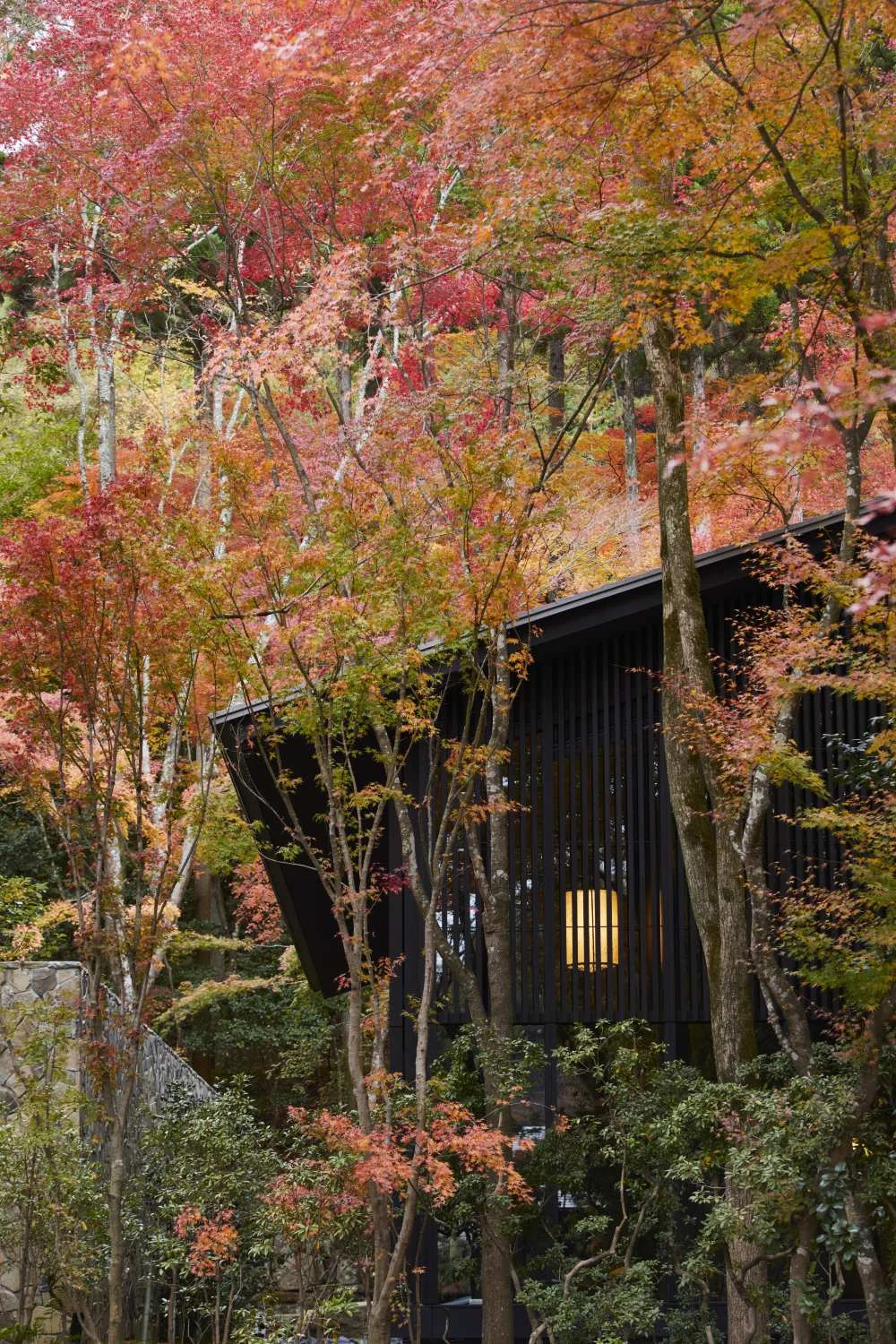
Aman Kyoto represents a significant milestone in the evolution of luxury hospitality within Japan, functioning as a secluded sanctuary that integrates the city’s profound cultural history with contemporary architectural restraint. Located in the Takagamine district of northern Kyoto, the resort is situated within a 32-hectare site, much of which consists of a meticulously preserved 400-year-old garden. Since its opening in November 2019, the property has been recognized not merely as a hotel, but as a living museum of Japanese landscape design and a final testament to the vision of the late Australian architect Kerry Hill.
Historical Context and the Rinpa Legacy
The site upon which Aman Kyoto stands is deeply rooted in Japan’s artistic history. During the 17th century, the Takagamine area served as an artistic colony established by Honami Koetsu, a polymath who was instrumental in the development of the Rinpa school of painting. This school, characterized by its vibrant use of gold and silver and its focus on seasonal motifs, remains a cornerstone of Japanese aesthetic identity.
In the mid-20th century, the land was acquired by one of Japan’s most respected collectors of obi (the sashes used with traditional kimono). His vision was to create a textile museum within a garden that would showcase the intersection of nature and craftsmanship. For decades, the garden was curated with extraordinary patience; massive boulders were transported and positioned, and a complex system of stone-walled terraces was constructed. Although the museum was never fully realized in its original form, the garden matured into a dense, moss-covered woodland, providing the perfect foundation for Aman’s third Japanese property.
Chronology of Development
The development of Aman Kyoto was a process spanning over two decades, reflecting the brand’s commitment to site-specific sensitivity.
- Late 1990s: The Aman Group identified the hidden garden in Takagamine as a potential site for a flagship Kyoto property.
- 2000–2018: A prolonged period of planning and environmental assessment followed. The challenge was to integrate modern infrastructure without disturbing the ancient root systems of the maples and cedars or the established moss blankets.
- 2018: Construction began under the direction of Kerry Hill Architects. The design focused on "invisible" architecture, ensuring the pavilions remained subservient to the landscape.
- November 2019: Aman Kyoto officially opened its gates, completing a trilogy of Japanese properties alongside Aman Tokyo and Amanemu in Ise-Shima.
- 2020–Present: The resort has navigated the complexities of global travel shifts, positioning itself as a leader in the "slow travel" movement, which emphasizes privacy, nature, and cultural immersion.
Architectural Philosophy: The Invisible Pavilion
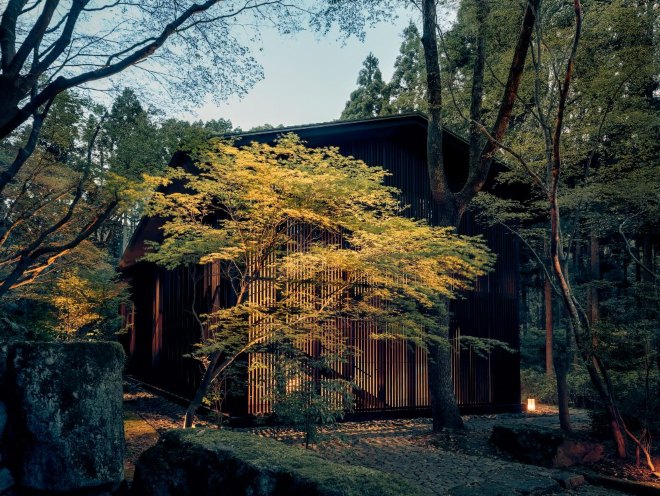
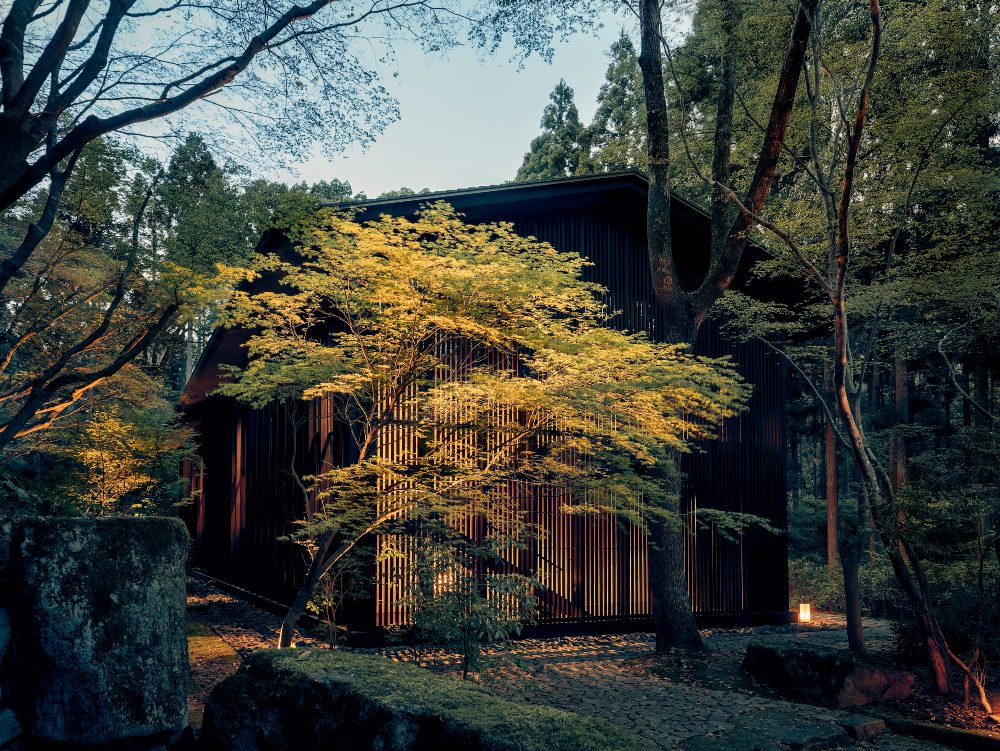
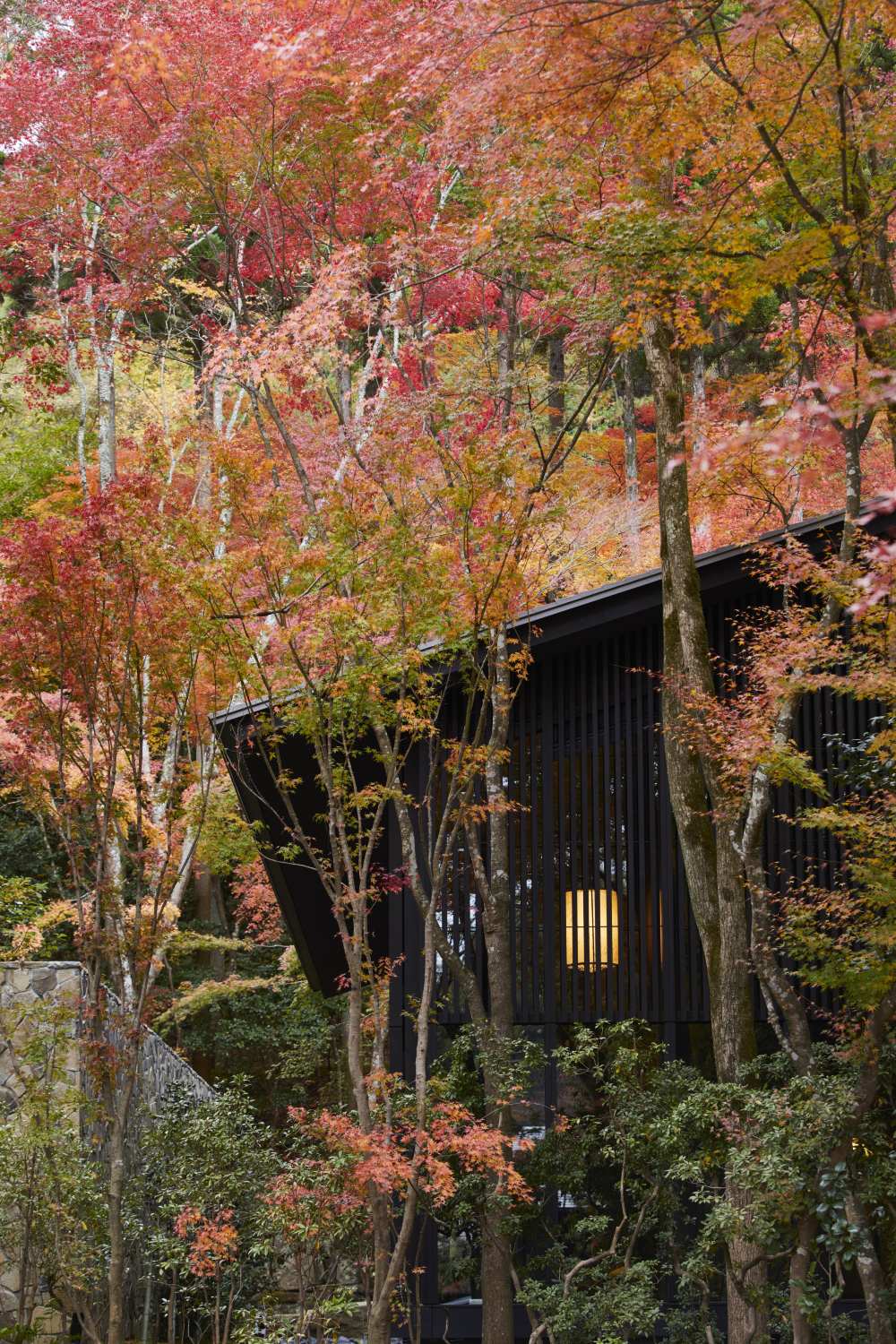
The architectural language of Aman Kyoto is one of profound restraint. Kerry Hill, who passed away shortly before the project’s completion, utilized a palette of black-stained timber and zinc to create structures that mimic the shadows of the forest. The resort comprises 24 guest rooms and two two-bedroom villas, distributed across six guest pavilions.
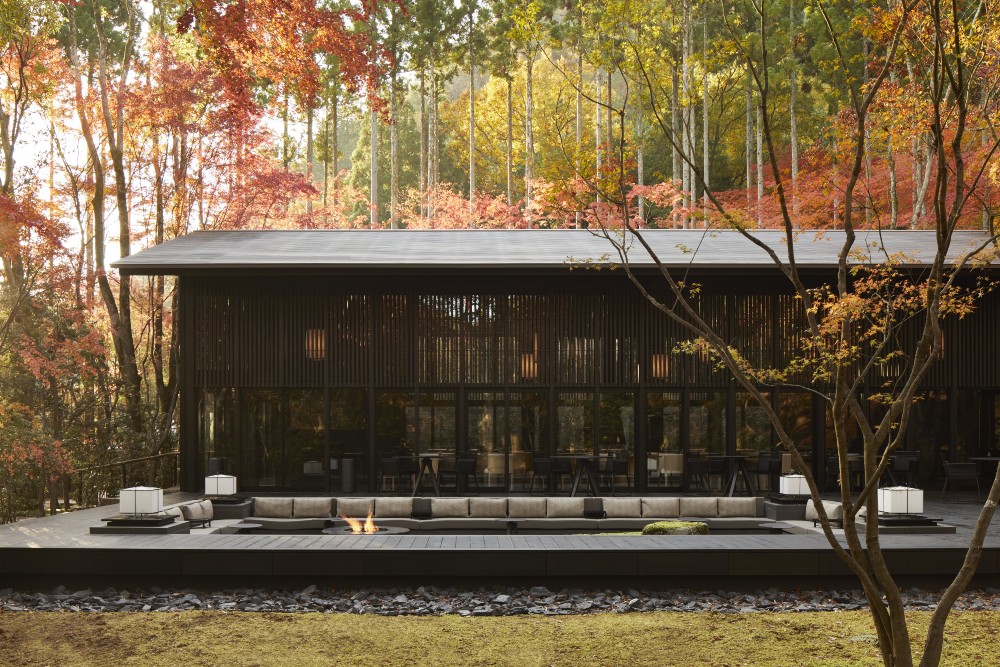
The pavilions are elevated on the garden’s pre-existing stone platforms, a decision that minimized the impact on the soil and allowed the natural topography to remain unchanged. Inside, the design is a contemporary interpretation of the traditional Japanese ryokan. Floor-to-ceiling windows replace walls, effectively inviting the forest into the living space. The interiors feature custom-made furniture, tatami mats, and tokonoma (alcoves for art), adhering to the minimalist principles of the "Ma" concept—the celebration of empty space.
Operational Excellence and the Guest Experience
Aman Kyoto’s operational model centers on high-touch, personalized service and a deep connection to local traditions. The resort’s amenities are designed to facilitate a meditative engagement with the surroundings.
Wellness and the Onsen Tradition
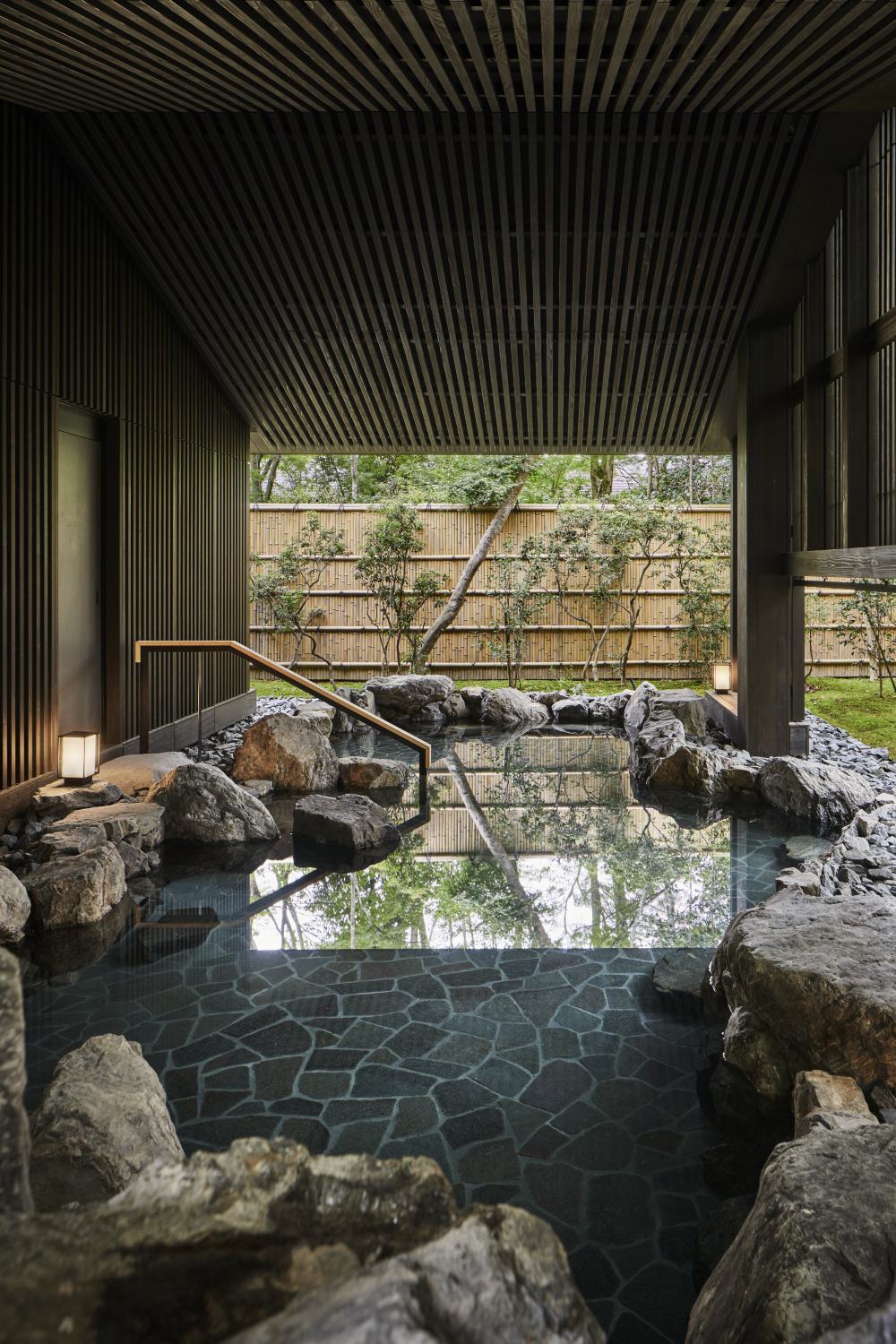
The resort leverages natural spring water sourced from beneath the Takagamine hills. The Aman Spa features traditional onsen (hot spring) bathing facilities, both indoors and outdoors. In the context of Japanese wellness, these mineral-rich waters are credited with therapeutic properties, including the reduction of fatigue and the improvement of skin health. Treatments incorporate local ingredients such as Kyoto green tea, camellia oil, and kibiki (Japanese cedar) to ground the guest experience in the local ecosystem.
Culinary Craftsmanship
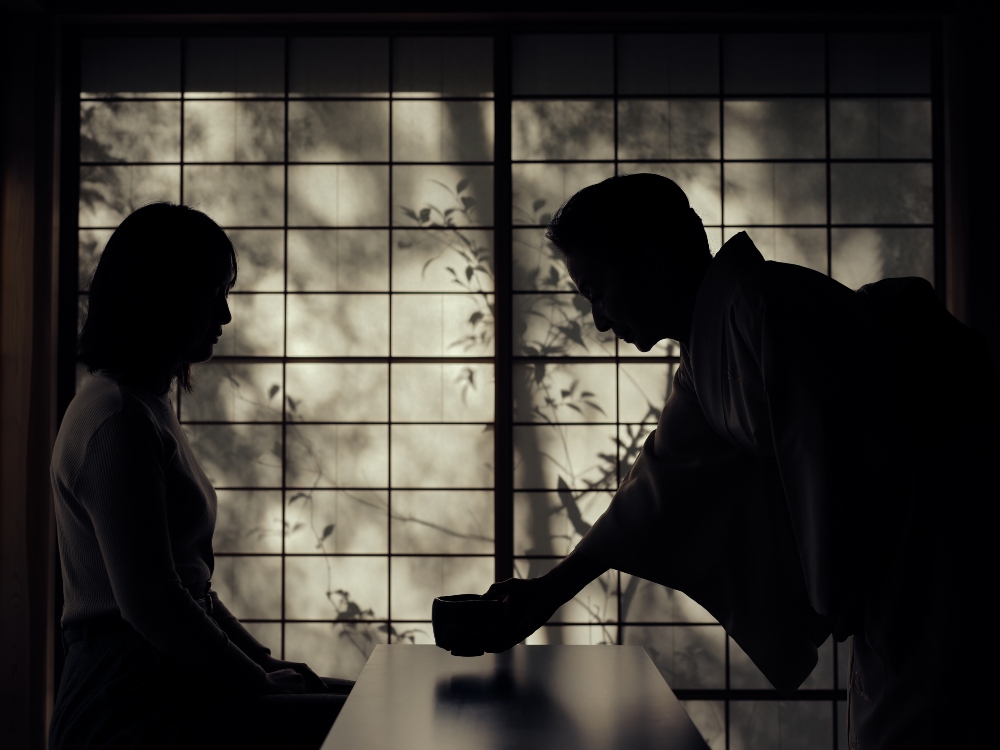
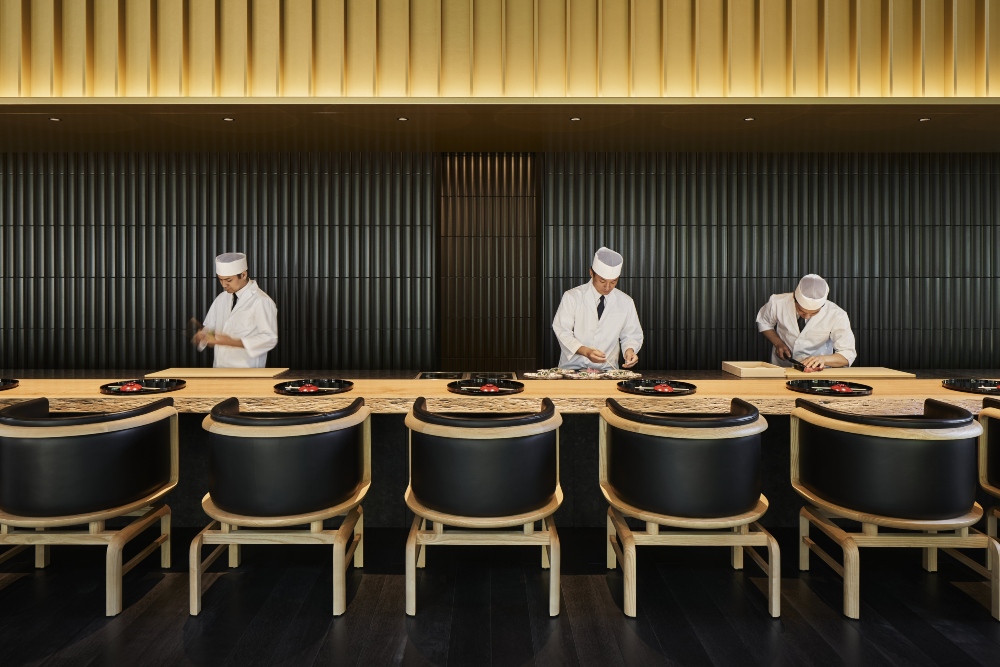
The resort’s signature restaurant, Taka-an, serves as an homage to the Rinpa school. It specializes in kaiseki and omakase dining, where the menu is dictated by the micro-seasons of Kyoto. The culinary team works closely with local foragers and farmers to source ingredients like mizuna (Kyoto mustard greens) and the famed Kyoto matsutake mushrooms. The attention to detail extends to the tea ceremonies held at the Senkutsu tea house, where the ritualized preparation of matcha serves as a vehicle for mindfulness.
Supporting Data and Economic Impact
Kyoto has long been a focal point for global tourism, but the city has recently shifted its strategy from volume-based tourism to high-value, sustainable travel. Aman Kyoto is a key player in this transition.
- Regional Investment: The development of the Takagamine area has stimulated interest in northern Kyoto, traditionally less visited than the central Gion or Arashiyama districts.
- Employment: The resort employs a high ratio of staff to guests, often exceeding 3:1, contributing to the local economy by supporting traditional artisans, gardeners, and hospitality professionals.
- Conservation: Aman Kyoto assumes the full cost of maintaining the 32-hectare estate, ensuring that the 400-year-old garden remains preserved for future generations without relying on public funding.
Industry analysts suggest that the "Aman effect" in Kyoto has raised the benchmark for luxury pricing and service standards in the city. By maintaining high entry prices and low room counts, the resort manages to minimize its environmental footprint while maximizing its economic contribution per visitor.
Institutional and Cultural Reactions
The opening and continued operation of Aman Kyoto have drawn praise from both architectural critics and cultural preservationists. Heritage experts have noted that the resort’s use of traditional stone-working techniques and its commitment to "moss husbandry"—a delicate horticultural practice—aligns with Kyoto’s strict aesthetic preservation laws.
Architectural critics have lauded Kerry Hill’s ability to create a dialogue between the old and the new. In a statement following the resort’s debut, representatives from the design community noted that Hill’s work at Aman Kyoto "proves that modernism does not have to be an intrusion; it can be a frame through which we view history."
Broader Implications for the Hospitality Industry
Aman Kyoto serves as a blueprint for the future of "regenerative hospitality." As travelers increasingly seek out destinations that offer seclusion and a sense of place, the resort demonstrates how a commercial enterprise can function as a steward of cultural and natural heritage.
- Environmental Stewardship: The preservation of the garden’s ecosystem, including its complex drainage systems and ancient trees, highlights the role hotels can play in urban biodiversity.
- Cultural Diplomacy: Through its tea ceremonies, onsen culture, and Rinpa-inspired design, the resort acts as a cultural bridge, educating international visitors on the nuances of Japanese etiquette and history.
- The Shift Toward Quiet Luxury: The success of Aman Kyoto underscores a broader industry trend away from ostentatious displays of wealth toward "quiet luxury"—experiences defined by privacy, silence, and time.
Conclusion
Aman Kyoto stands as a rare example of a luxury development that prioritizes the legacy of its land over the ego of its architecture. By honoring the 400-year-old garden and the artistic spirit of the Rinpa school, the resort provides a sanctuary that is both timeless and timely. As Kyoto continues to balance the demands of modern tourism with the necessity of cultural preservation, Aman Kyoto remains a benchmark for how those two seemingly opposing forces can exist in harmonious equilibrium. It is not merely a place of rest, but a profound exercise in paying attention to the subtle shifts of the seasons and the enduring power of the natural world.
