
 By admin
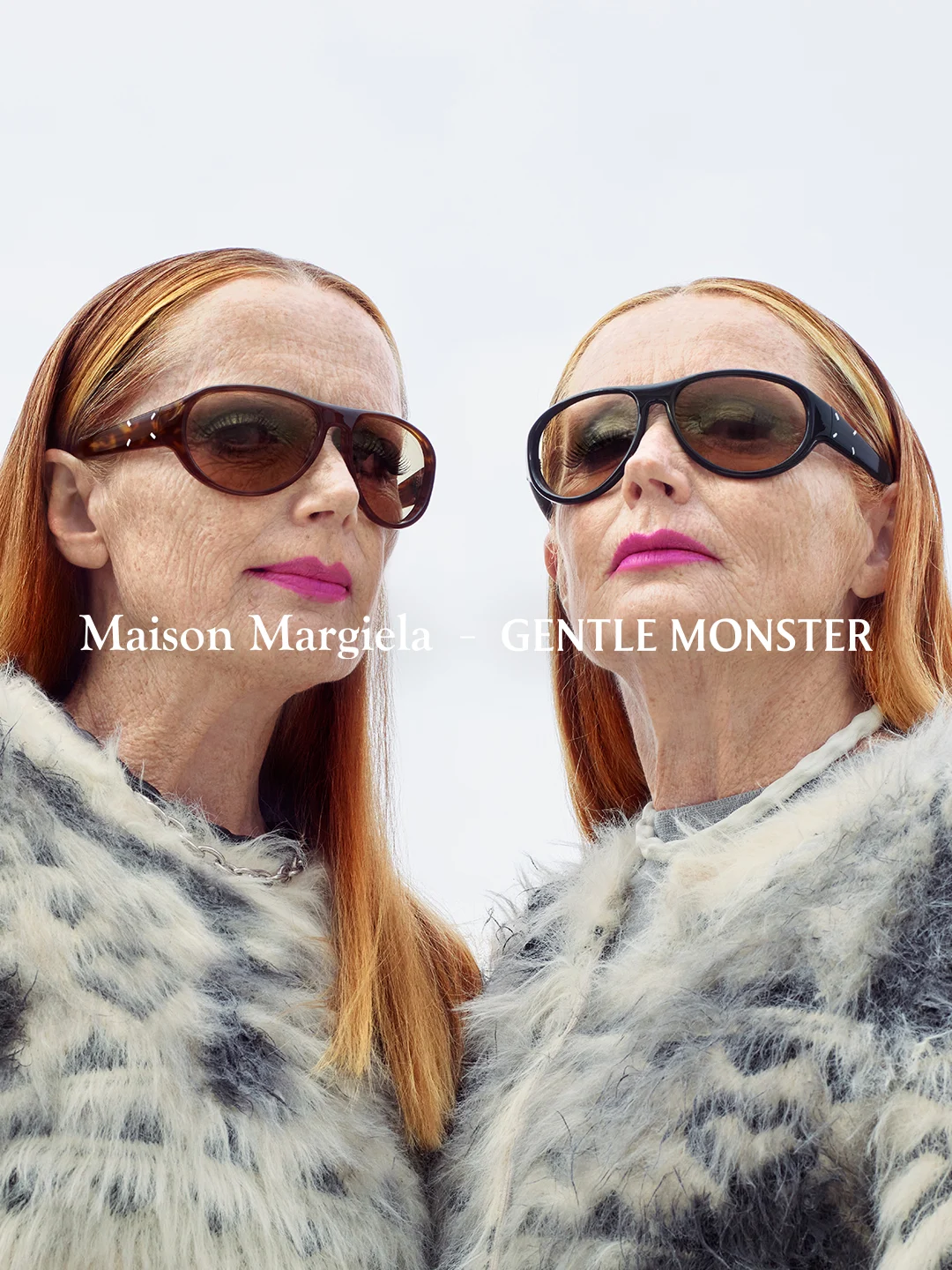
The Evolution of the Luxury Partnership Model
For decades, the luxury sector relied on a relatively simple formula for collaborations: pairing a high-fashion house with a prominent artist or a popular streetwear brand to create a "capsule" collection. These ventures were designed for immediate impact, high sell-through rates, and social media visibility. However, as the global luxury market matures, particularly among younger, highly educated demographics in Asia and North America, the demand for authenticity has forced a change in tactics.
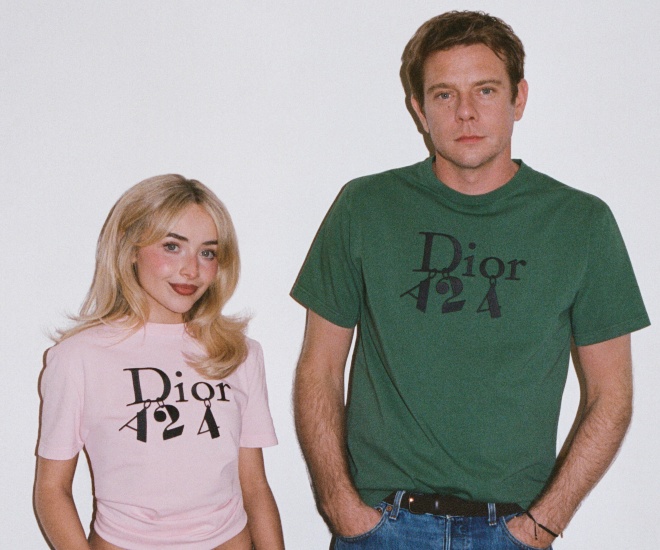
The new wave of momentum is emerging from beyond the established walls of the maisons. Partnerships are no longer just about generating publicity; they are about combining disparate areas of expertise to produce ideas, experiences, and products that a single brand could not achieve in isolation. This evolution is characterized by multi-year commitments, the support of emerging talent, and a focus on institutional longevity rather than seasonal turnover.
Cinematic Production and the Dior-A24 Alliance
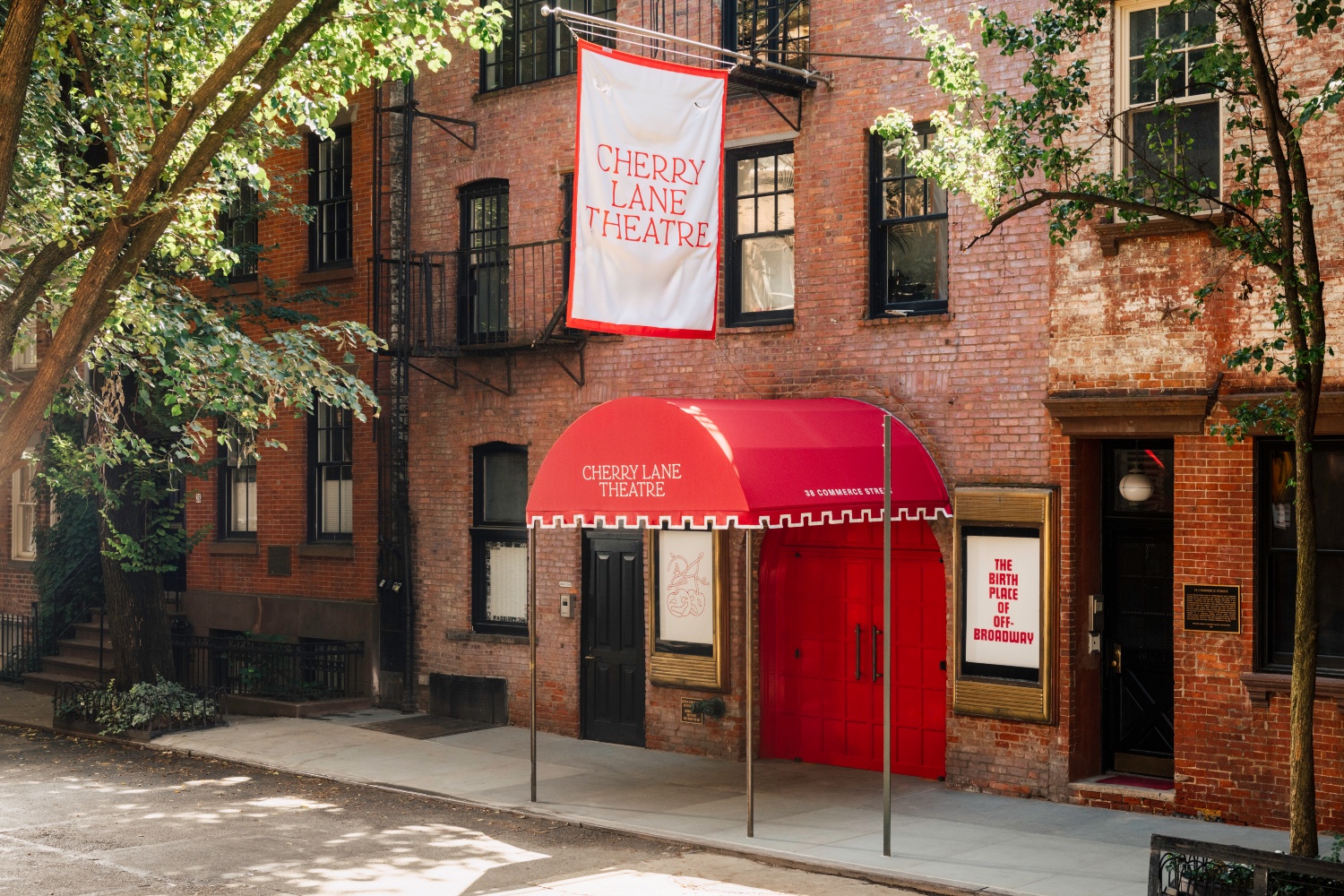
A primary example of this shift is Christian Dior’s two-year partnership with A24, the independent entertainment company behind Oscar-winning films such as Everything Everywhere All At Once and Moonlight. Announced in September 2026, this collaboration transcends the traditional "celebrity dressing" model. Instead, Dior has positioned itself as a premier partner of New York’s historic Cherry Lane Theatre, which A24 acquired in 2023 and reopened in late 2025.
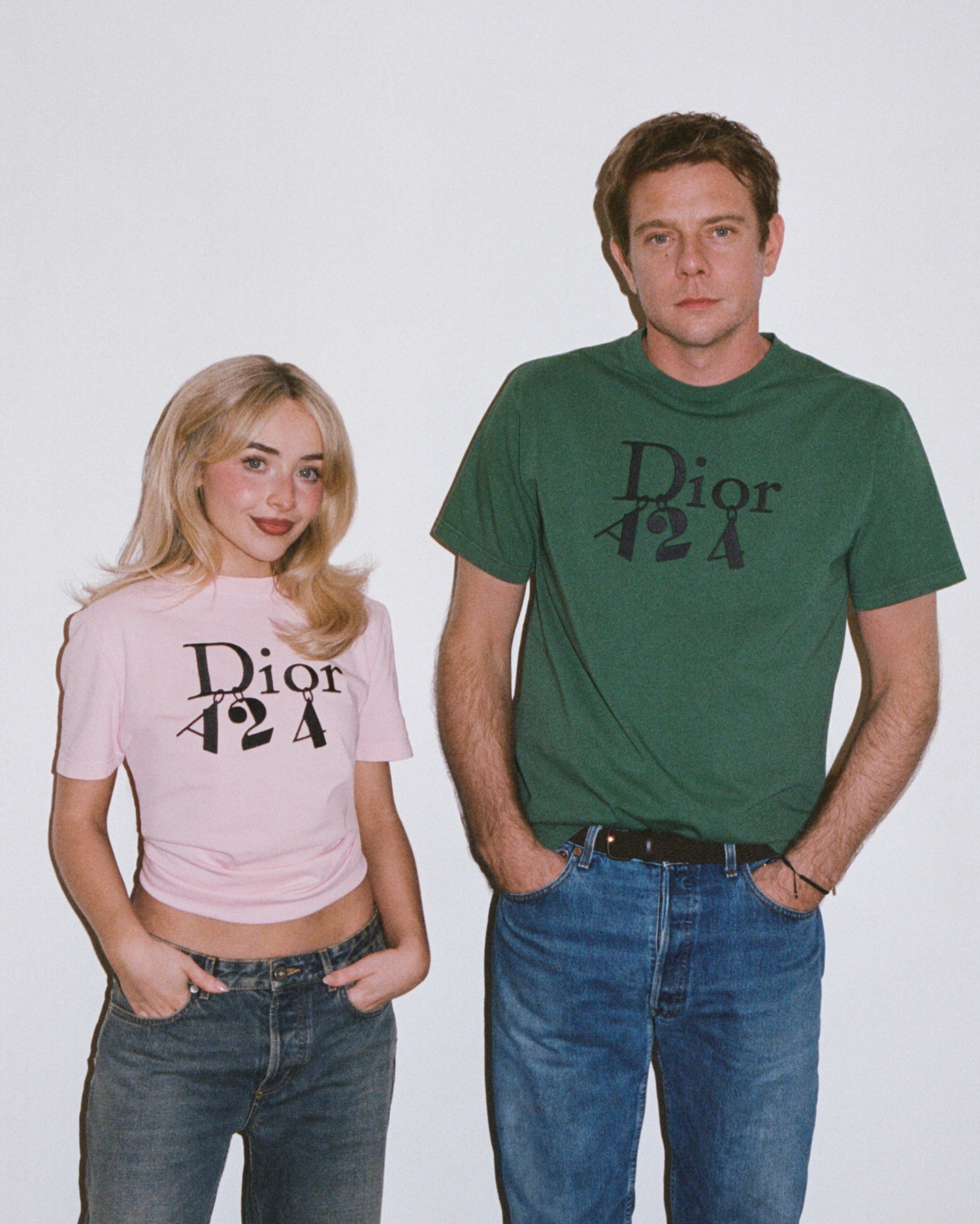
The Cherry Lane Theatre, the oldest continuously running off-Broadway venue in New York City, serves as the physical anchor for this partnership. Rather than focusing on a clothing line, the two entities are developing artistic programming and professional opportunities for young creative voices in film and theatre. An inaugural event featured a performance by the legendary Justin Vivian Bond, with costumes designed by Dior’s creative director, Jonathan Anderson.
This move reflects a deeper strategic intent. By involving itself in the production of theatre and film, Dior integrates its brand identity into the storytelling process itself. It allows the creative vision of Jonathan Anderson—who has long explored the intersections of fashion and performance—to reach audiences in a context that feels more permanent and culturally significant than a ten-minute runway show.
Institutional Patronage: Chanel and M+ Hong Kong
While Dior focuses on the performative arts in New York, Chanel has deepened its roots in the visual arts of Asia. In October 2026, Chanel announced a three-year extension of its partnership with M+, Hong Kong’s museum of contemporary visual culture. Under this agreement, Chanel became a Lead Partner and launched "Pioneering Visions," an initiative dedicated to supporting artists and makers across visual disciplines.
This partnership is a continuation of Chanel’s historical support for moving-image programming and film restoration. By expanding its involvement to include major exhibitions and public events, Chanel aligns its brand with the rising cultural influence of Hong Kong and the broader Asian art market. The museum’s recent exhibitions, such as "Dream Rooms: Environments by Women Artists 1950s–Now," provide a platform for Chanel to engage with themes of female empowerment and innovation—values that have been central to the house since the days of Gabrielle Chanel.
Unlike a standard sponsorship, this relationship involves supporting the museum’s curatorial research and the preservation of digital and filmic art. For Chanel, the benefit is twofold: it builds long-term goodwill with the influential art-collecting community and ensures the brand is perceived as a serious contributor to the preservation of cultural heritage.
The Intersection of High Tech and High Art: Hublot and Jeff Koons
The watchmaking industry has also embraced this cross-disciplinary approach. In September 2026, Hublot unveiled a significant collaboration with contemporary artist Jeff Koons. The partnership resulted in the "Classic Fusion Balloon Dog" and the "MP-14 Origin by Jeff Koons." The latter is particularly notable for its technical complexity, featuring Hublot’s first automatic central tourbillon.
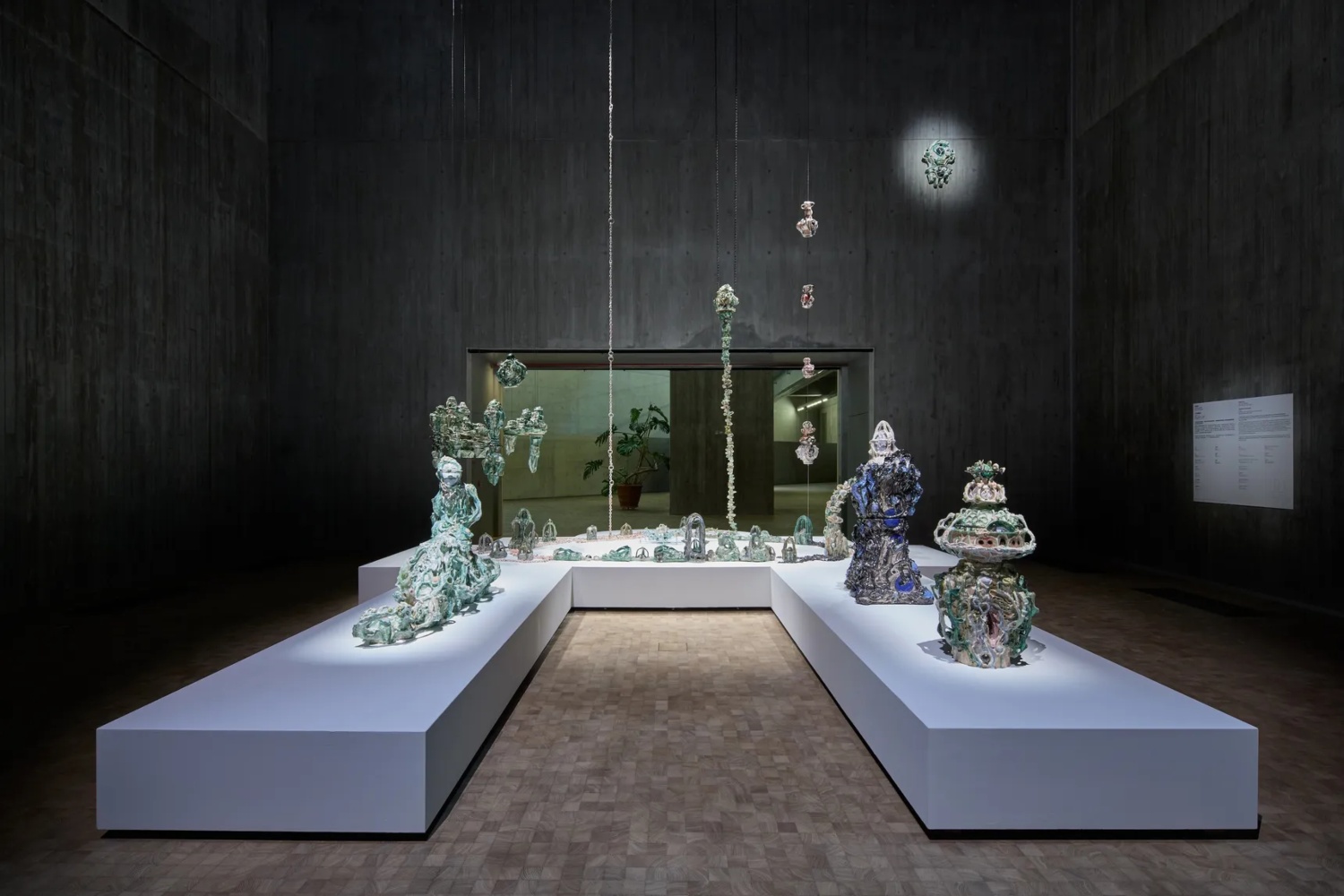
Limited to just 30 pieces, the MP-14 Origin represents a dialogue between advanced mechanical engineering and Koons’ iconic aesthetic language. In this instance, the collaboration serves a specific business purpose: it justifies the extreme scarcity and high price point of the product by framing it as a "wearable sculpture." For collectors, the appeal lies in the fusion of Koons’ cultural status with Hublot’s horological innovation. This project demonstrates that the strongest collaborations are those that reveal something new about both participants—in this case, pushing Hublot toward new mechanical frontiers and Koons toward a new medium of expression.
Technical Synergy: LOEWE and On
In the realm of performance wear, LOEWE’s ongoing partnership with the Swiss brand On represents a union of Spanish craftsmanship and performance engineering. For the Fall/Winter 2026 collection, the two brands introduced the "Cloudsolo Hiker" and the "Cloudtilt Cosmic," products designed to bridge the gap between high-fashion aesthetics and outdoor functionality.
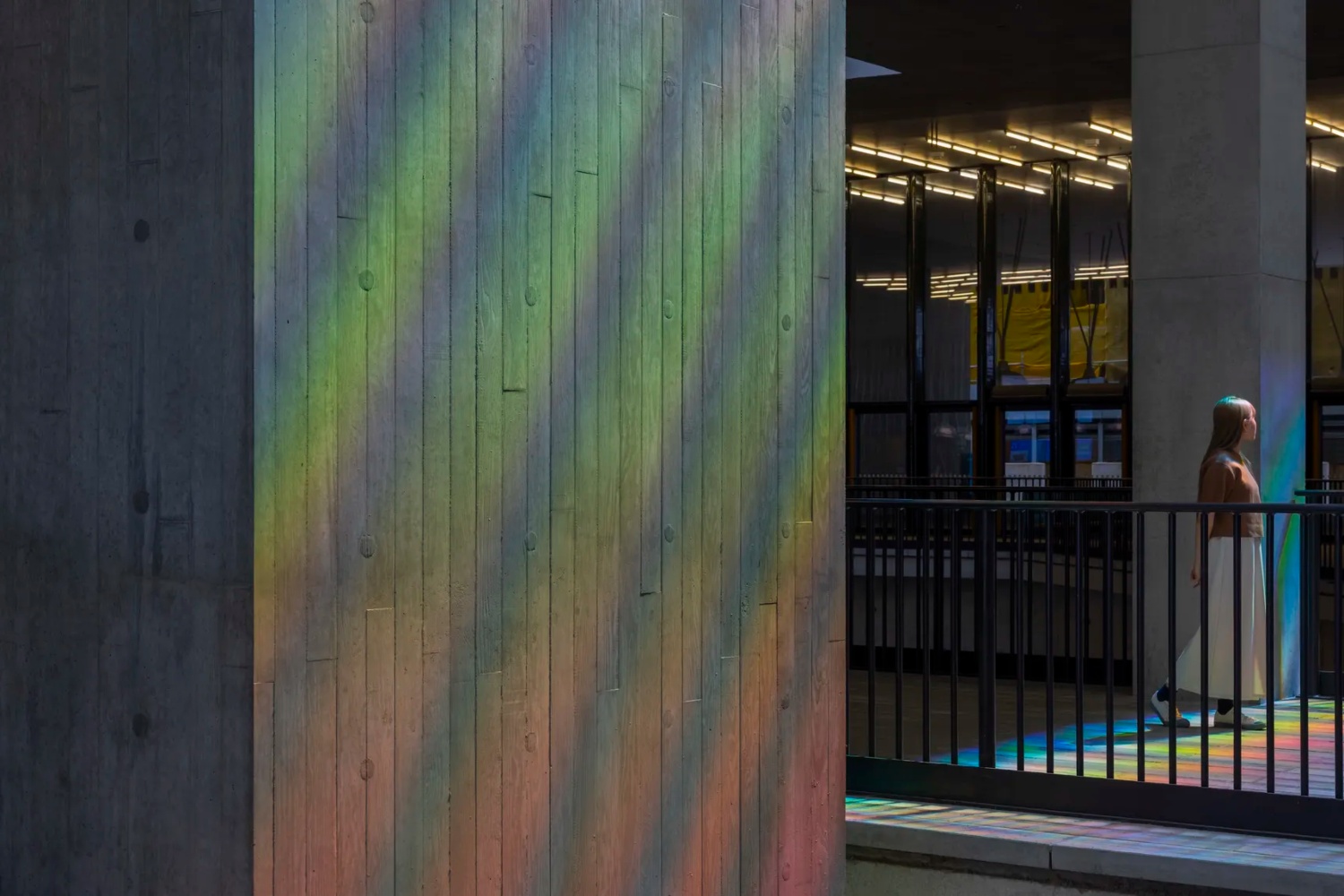
The marketing of this collection further emphasizes the "cultural" over the "commercial." The campaign featured avant-garde artists such as Joan Jonas, Martine Syms, and Tarek Atoui, exploring how physical movement influences their creative processes. By involving performance artists and sound designers, LOEWE and On transform a footwear launch into a meditation on human exploration. This strategy targets the "urban explorer" demographic—consumers who demand technical performance but also want their purchases to reflect their sophisticated cultural interests.
Redefining Menswear: Giorgio Armani and Kith
The partnership between Giorgio Armani and the New York-based lifestyle brand Kith offers another perspective on how heritage brands can stay relevant. Their October 2026 collection, "Dreams of the Dune," was unveiled in the Agafay Desert of Morocco. The collection merged Armani’s legendary tailoring with Kith’s contemporary, streetwear-informed menswear.
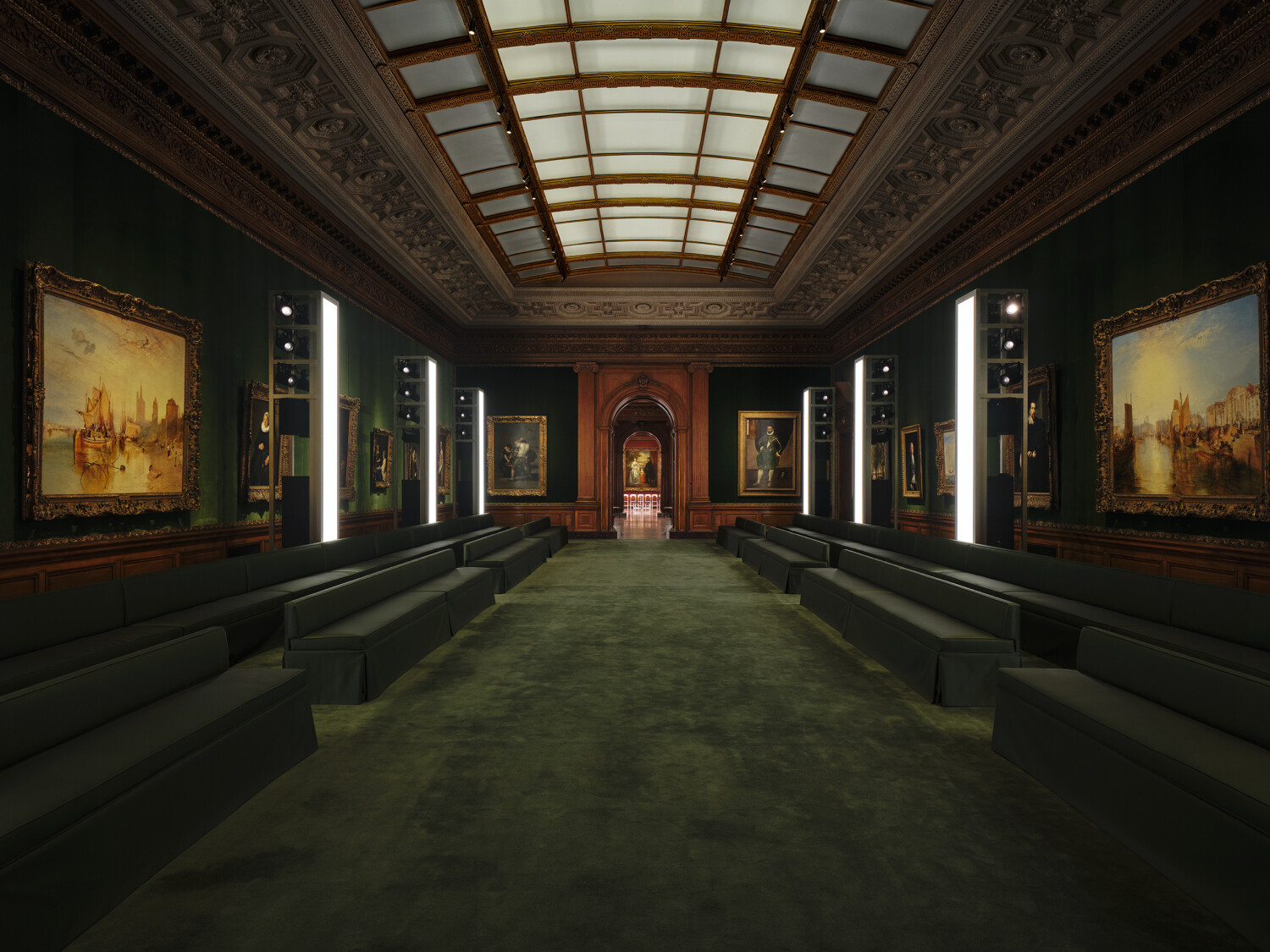
This collaboration is significant because it allows Armani—a brand synonymous with classic elegance—to tap into the "hype" culture surrounding Kith without diluting its own prestige. By extending the collection into accessories and footwear developed with technical brands like ASICS and Diemme, the partnership creates a comprehensive lifestyle offering that appeals to a younger generation of menswear enthusiasts who may have previously viewed Armani as a brand for their parents.
Analytical Implications: The Risk of Market Saturation
While these ambitious partnerships offer significant rewards, they also present risks to the luxury ecosystem. The sheer volume of collaborations in the current market raises questions about consumer fatigue. As more brands enter the space, the "novelty factor" that once drove interest is rapidly diminishing.
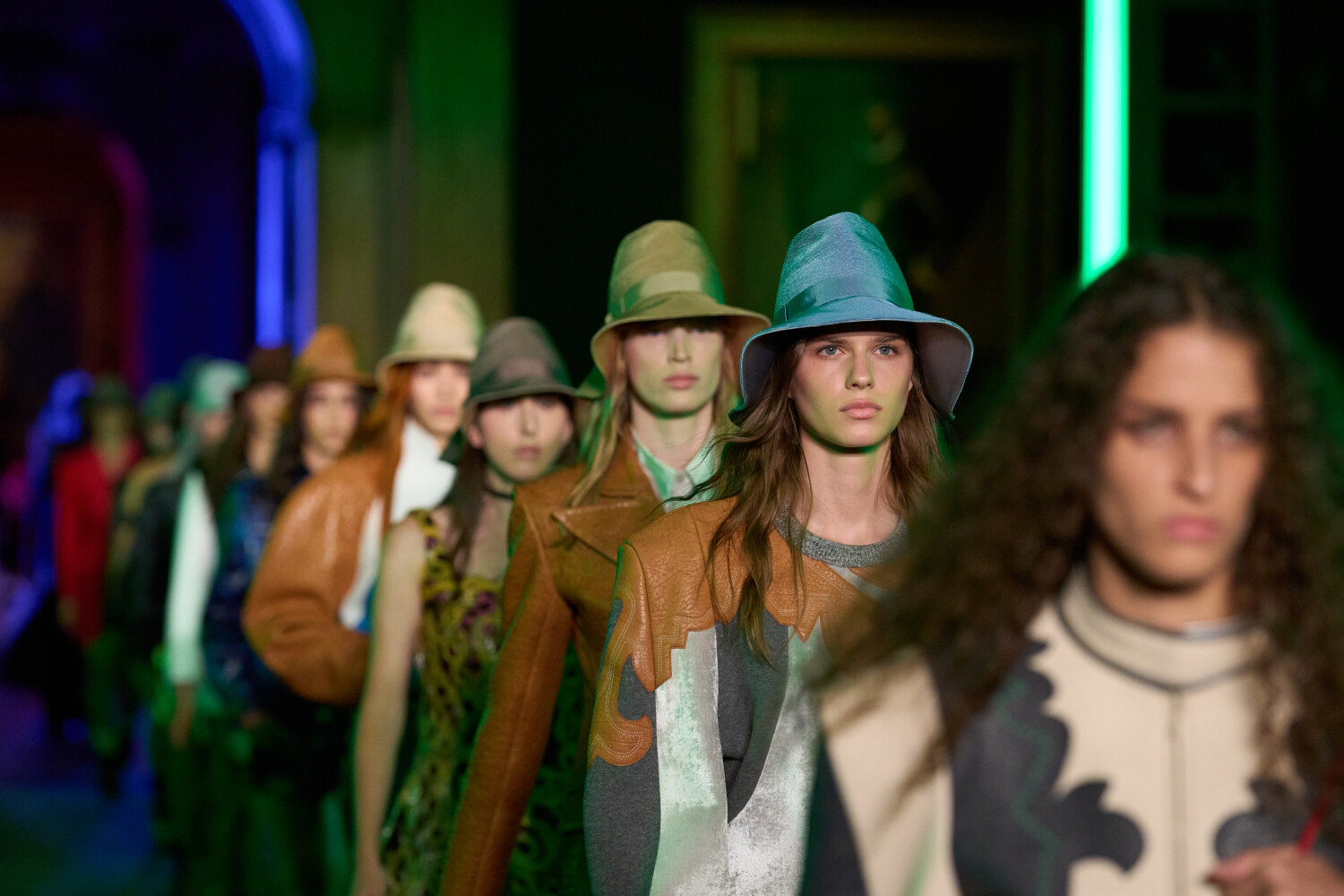
Industry analysts suggest that the luxury market is reaching a saturation point where "co-branding"—the mere act of placing two logos on a single product—is no longer sufficient to drive growth. Consumers are becoming increasingly discerning, favoring partnerships that demonstrate a genuine "creative reason for being."
| Type of Partnership | Primary Objective | Example |
|---|---|---|
| Creative Production | Shaping cultural content and narrative | Dior x A24 |
| Institutional Patronage | Building long-term cultural credibility | Chanel x M+ |
| Technical Fusion | Expanding product functionality | LOEWE x On |
| Artistic Dialogue | Creating high-value collectible objects | Hublot x Jeff Koons |
The data suggests that partnerships with a "long-term" or "educational" component tend to have a more positive impact on brand sentiment than one-off product drops. For instance, Dior’s support for film students and Chanel’s involvement in museum curatorial work provide lasting value to the creative community, which in turn reinforces the brands’ positions as leaders of the cultural vanguard.
Conclusion: Beyond the Launch Moment
The future of luxury will likely be defined by the ability of maisons to act as more than just manufacturers of expensive goods. By becoming active participants in cinema, contemporary art, and technical innovation, these brands are attempting to build a "cultural moat" that protects them from the volatility of fashion trends.
The success of these alliances will ultimately be judged by what remains after the initial marketing excitement fades. Dior and A24’s shared ambitions, Chanel’s commitment to Asian contemporary culture, and the technical breakthroughs achieved by Hublot and On point toward a future where luxury is as much about intellectual and artistic contribution as it is about craftsmanship. In an era of abundance, the most valuable luxury a brand can offer may be the opportunity to participate in a meaningful cultural moment.
