
 By Jia Lissa
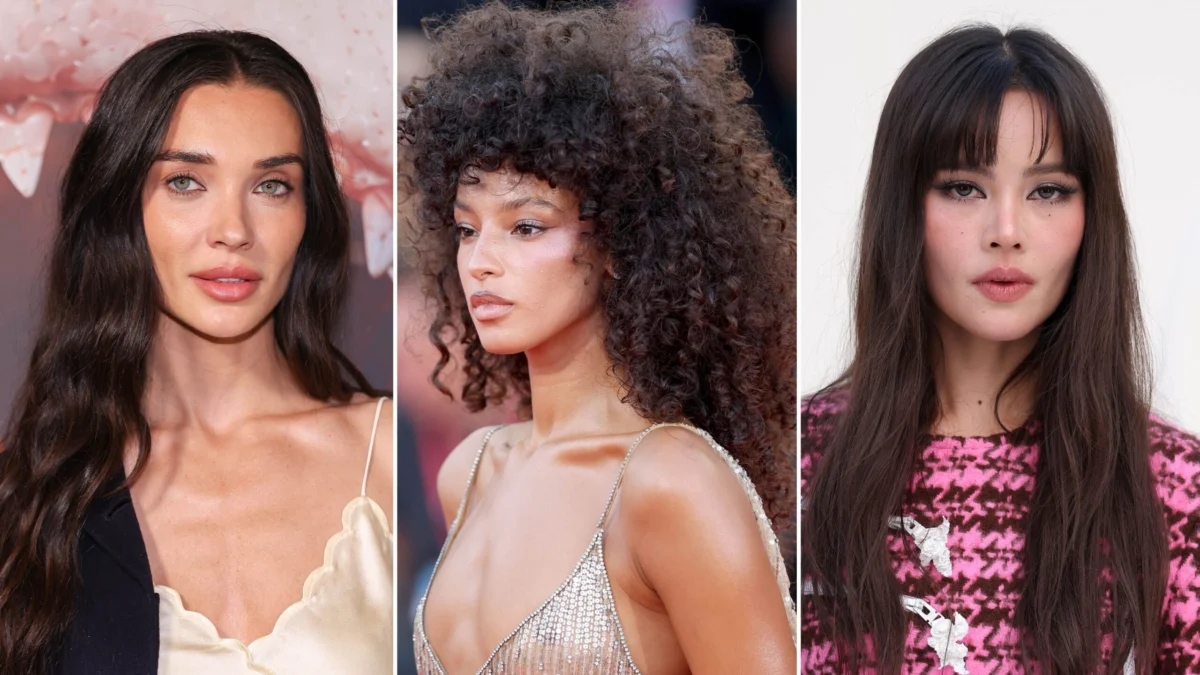
In recent years, the landscape of hair color trends has been redefined, moving beyond stark contrasts and embracing a more nuanced and sophisticated palette. The enduring popularity of brunette shades is a testament to this shift, proving that brown hair is anything but mundane. Among the spectrum of earth tones, espresso brown has emerged as a particularly captivating hue, offering a luxurious depth that is both alluring and approachable. This rich, deep shade possesses a captivating warmth, a subtle golden undertone that prevents it from appearing flat or overly severe, and a remarkable ability to catch the light, revealing layers of dimension.

Nataly Maldonado, a colorist and owner of Velvet Palm Studio in Lake Worth Beach, Florida, observes a broader movement towards embracing warmth in hair color. "We’re finally embracing warmth again and realizing just how flattering it can be," Maldonado states. "For so long, the goal was to eliminate every bit of warmth from hair, but warmth is what gives brown hair its richness, movement, and that beautiful, reflective touch." This sentiment echoes a significant departure from earlier trends that favored cooler, ashier tones, signaling a return to a more natural and inherently flattering aesthetic.
Espresso brown distinguishes itself from other brunette variations by offering a sophisticated balance. Unlike the almost-black intensity of some dark brunettes or the muted, cool tones of ash brown, espresso brown incorporates a significant golden richness. This undercurrent of warmth provides dimension and polish without the obvious appearance of highlights, resulting in a look that feels effortlessly natural, expensive, and remarkably lustrous. This sophisticated hue provides a polished finish that can make dark hair appear multidimensional and incredibly refined.

The transition to espresso brown can be relatively straightforward for individuals with naturally dark hair. However, achieving this specific shade can involve more complex color chemistry for those starting from lighter bases, such as blonde, gray, or even previously dyed black hair. Understanding the nuances of color formulation and application is crucial for achieving the desired result.
Defining Espresso Brown: Beyond a Simple Shade
Colorists describe espresso brown as a "deep, dimensional brunette with a golden reflect." This specific combination is key to its appeal, providing richness without harshness. The inherent darkness of the shade ensures that the golden undertones act as a subtle enhancer rather than an overpowering cast, creating a flattering contrast that prevents the complexion from appearing washed out.

"It’s the type of shade that has people questioning how you were born with such an impossibly beautiful shade of brunette," Maldonado remarks. "You weren’t—but it looks like you were." This speaks to the natural yet elevated quality of the color, a testament to its masterful execution.
Quia Querisma, a colorist based in Dallas, echoes this sentiment, characterizing espresso brown as "a very rich and velvety brown with a slightly golden reflection in sunlight." The versatility of this shade allows it to complement a wide range of complexions, though an experienced colorist can fine-tune the exact tone to best suit an individual’s skin tone, opting for a warmer or cooler variation as needed.

Temur Hamilton, a colorist and owner of Temur in New York City, highlights another crucial aspect of espresso brown’s allure: its inherent dimension. "It has beautiful dimension that comes from blending slightly lighter and darker shades," Hamilton explains. This intricate layering of tones prevents the color from appearing as a monolithic block, offering a more dynamic and natural-looking finish. For individuals who are already brunettes, this technique provides an opportunity to refresh their look without undergoing a drastic transformation, resulting in a style that is "natural, but elevated."
The Art of Achieving Espresso Brown Hair
The process of achieving espresso brown hair is highly dependent on the client’s starting point. Simply applying a brown dye over existing color may not yield the desired rich, dimensional effect.

For those with naturally dark brown hair, the journey to espresso brown is often the most straightforward. Hamilton suggests that subtle highlights or lowlights can effectively transition darker brunettes to this coveted shade. Maldonado notes that natural brunettes, typically those with a hair color level between 5 and 6, might only require a deep brown gloss with golden undertones. This gloss can enhance their existing color, adding shine and vibrancy without altering the fundamental tone.
"Brunettes with virgin hair may have the luxury of a single-process step," Querisma states, indicating that the application of the appropriate shade can be sufficient. However, for individuals with naturally near-black hair, a gentle lightening process using a clear, permanent dye combined with a level 20 developer might be necessary before the final espresso tone is applied. The precise methodology is always tailored to the individual’s hair characteristics and the desired outcome.

The situation becomes more complex for those with dyed black hair. Color lifting is typically required to remove previously deposited dye before an espresso brown demipermanent or permanent gloss can be applied. Hamilton outlines this process: "Then I would apply demipermanent or permanent gloss in the espresso brown shade. Depending on the result, I may add in subtle highlights for more dimension." This layered approach ensures the depth and richness characteristic of espresso brown are achieved effectively.
Navigating the Transition from Lighter Hues
Individuals transitioning from blonde or gray hair to espresso brown face a more involved process. Both Maldonado and Querisma emphasize the critical importance of reintroducing warmth into the hair before applying the final brown shade. Maldonado explains that blonde hair needs to be "prefilled with gold and/or copper pigments," effectively rebuilding the underlying warmth that was removed during the lightening process. This "prefill" is the inverse of what is done when lightening darker hair. Without this crucial step, an attempt at espresso brown can result in a "dull, hollow, or muddy" appearance. Furthermore, prefilling is vital for color longevity, as previously lightened hair is more porous and prone to pigment loss.

Querisma refers to this as a corrective color or "tint back" process, designed to create the necessary tonal foundation for the espresso shade to adhere properly. "Tones of gold, copper, and red must be formulated and applied to the hair before applying the final brown," she advises. Hamilton employs a similar two-step method, first establishing a rich, warm base before applying the deep espresso brown and finishing with a glaze or gloss for added refinement.
Maintaining the Lustrous Espresso Brown
The good news for those embracing espresso brown is that it can be a relatively low-maintenance shade, particularly for natural brunettes. Maldonado recommends a gloss or color refresh every six to eight weeks, a timeline that can vary based on the client’s starting color, hair porosity, and pigment retention. Querisma notes that some brunettes can extend this period to as long as 12 weeks between professional touch-ups.

However, for individuals transitioning from lighter shades like blonde or gray, the maintenance commitment will be higher. "Even with great care, lighter roots will start to appear in about six weeks, so clients will need to schedule regular salon visits if they want to maintain the shade," Hamilton cautions. This necessitates a proactive approach to salon appointments to ensure the color remains consistently polished.
Beyond salon visits, an effective at-home care routine is paramount for preserving the vibrancy of espresso brown hair. The use of color-safe shampoos and conditioners is essential for protecting the pigment and extending the life of the color. Reducing the frequency of hair washing can also minimize pigment loss during cleansing. Products like the Nexxus Color Assure Vibrancy Shampoo and Conditioner are designed to maintain color freshness while addressing potential damage caused by the coloring process. For clients whose hair has been previously lightened, incorporating bond-repair treatments is highly recommended. The Ouai Bond Repair Balm, recognized with an Allure Best of Beauty Award, has garnered acclaim for its ability to improve hair softness and health.

Heat styling, while often a part of daily routines, can also contribute to color fading. Maldonado advises turning down the temperature on hot tools and opting for cooler shower water. These seemingly minor adjustments can significantly impact the longevity and richness of espresso brown hair.
To further maintain the shade between salon appointments, color-depositing conditioners and masks can be beneficial. Maldonado suggests the IGK Color Depositing Gloss Mask in Brown Bella as an excellent option for refreshing brunette tones and boosting shine. "It’s a great option between salon visits for keeping the hair looking shiny and vibrant," she notes. However, she strongly advises consulting with a stylist before using any color-depositing products, especially for those with highlights or previously lightened hair, to avoid unintended color shifts.

The resurgence of espresso brown underscores a broader trend in hair color: a move towards sophisticated, multidimensional shades that enhance natural beauty rather than mask it. Its rich depth, subtle warmth, and inherent luster offer a timeless appeal that continues to captivate. As colorists refine their techniques and clients increasingly embrace the allure of natural warmth, espresso brown is poised to remain a staple in the world of hair color for seasons to come.
Meet the Experts:
- Nataly Maldonado: Colorist and owner of Velvet Palm Studio in Lake Worth Beach, Florida.
- Quia Querisma: Colorist based in Dallas, Texas.
- Temur Hamilton: Colorist and owner of Temur in New York City.
