
 By admin

As the autumn season transitions from the heat of summer into cooler temperatures, the global fashion industry is witnessing a significant pivot toward hosiery, legwear, and premium intimate apparel. This shift, often referred to by industry analysts as the "seasonal surge," represents more than just a functional response to dropping temperatures; it marks a strategic period for high-end manufacturers to showcase technical innovation and luxury craftsmanship. With the global hosiery market projected to reach a valuation of approximately $56.3 billion by 2030, the current fall season serves as a critical barometer for consumer spending habits and the enduring appeal of heritage brands.
The transition into the fourth quarter of the year traditionally aligns with a heightened consumer interest in "wardrobe enhancers"—accessories that allow for a refreshed aesthetic without the significant capital investment required for entirely new outerwear. In this landscape, brands such as Wolford, Falke, Stems, and Scandale are positioning themselves as essential components of the modern wardrobe. These companies are navigating a market defined by a growing demand for durability, technical sophistication, and the intersection of comfort and provocative design.
The Technical Supremacy of Wolford and the "Influencer" Phenomenon
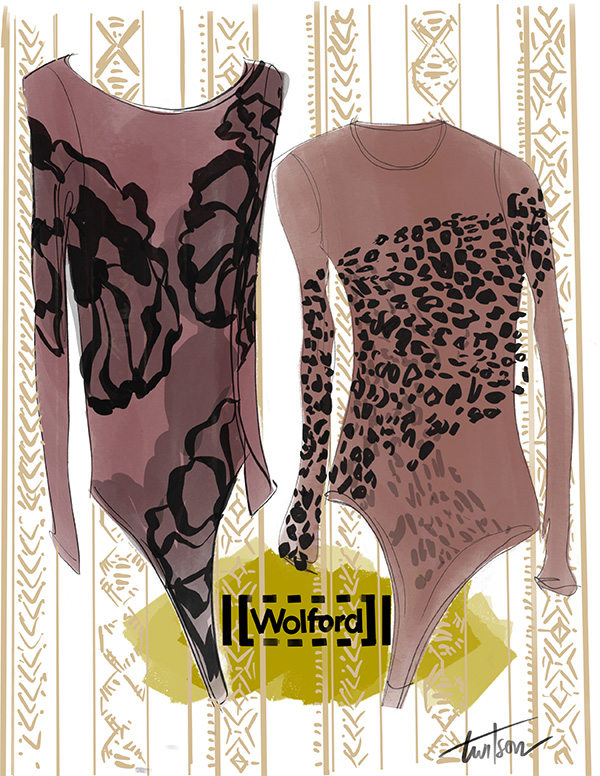
In the hierarchy of premium legwear, the Austrian brand Wolford continues to hold a position of singular influence. Founded in 1950 in Bregenz, Wolford has long been recognized for its pioneering work in circular knitting technology and the development of seamless hosiery. Recent industry discussions have centered on the brand’s unwitting role as a foundational influence for contemporary "mega-brands" that have recently dominated the shapewear and bodywear sectors. While analysts often point to the visual similarities between Wolford’s classic silhouettes and the offerings of newer, celebrity-driven conglomerates, the distinction remains rooted in material quality and manufacturing longevity.

Wolford’s reputation for "indestructible" hosiery is a result of specialized yarn compositions and high-density knitting techniques that prevent ladders and runs. At recent industry events, such as the Evolution show, the brand’s latest iterations of bodysuits have demonstrated why they remain the benchmark for the industry. These garments utilize complex knitting structures that provide both compression and breathability, features that are difficult to replicate in mass-market production. As the brand continues to integrate sustainable practices, such as its "Cradle to Cradle" certified products, it solidifies its standing among consumers who prioritize longevity over fast-fashion alternatives.
Falke and the German Tradition of Functional Excellence
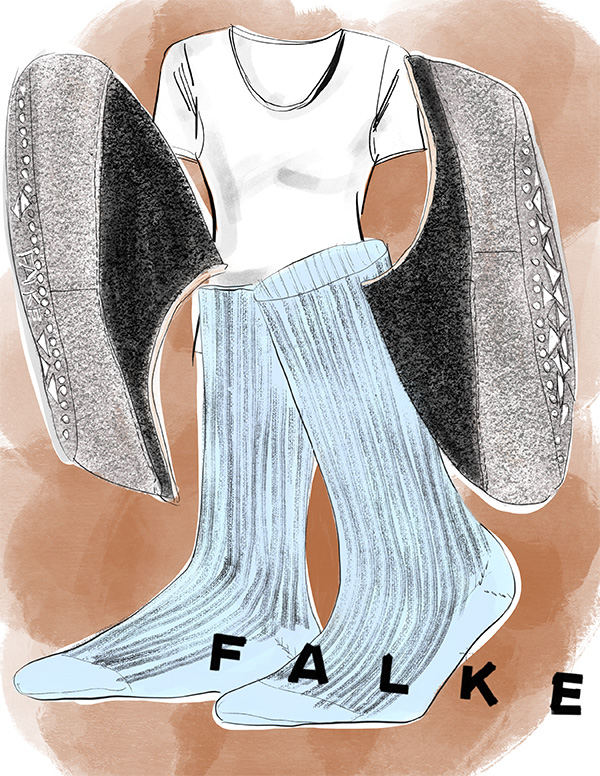
While Wolford represents the pinnacle of luxury bodywear, the German-based Falke Group exemplifies the fusion of family heritage and ergonomic precision. Established in 1895, Falke has remained a family-owned enterprise for four generations, a rarity in the globalized fashion market. The brand’s approach to the fall season focuses on "Daily Climate Control" and the use of premium natural fibers such as cotton, merino wool, and cashmere.
The current market data suggests a resurgence in the "Quiet Luxury" trend, where consumers seek high-quality basics that offer long-term value. Falke’s product line, which includes the Cosy Wool Boot Socks and the Cosy Shoe Slippers, caters to the "fireside living" aesthetic—a segment of the loungewear market that has seen consistent growth since 2020. By focusing on classic, timeless designs that resist the cyclical nature of trends, Falke has maintained a loyal consumer base. Their commitment to quality is evidenced by their manufacturing processes, which involve meticulous hand-finishing and rigorous quality control, ensuring that their hosiery and underwear can withstand years of regular use.
Innovation in the "Accessible Luxury" Segment: The Case of Stems
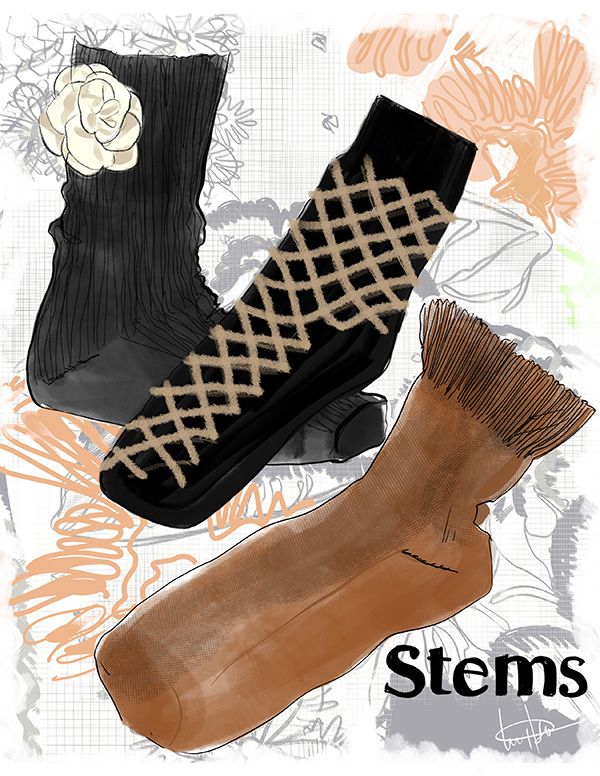
In contrast to the century-old heritage of European giants, newer entrants like Stems are redefining the "accessible luxury" niche through a focus on modern femininity and technical detail. Stems has carved out a unique space by treating hosiery as a primary fashion statement rather than a secondary accessory. By utilizing specific motifs, specialized yarns, and intricate knit stitches, the brand addresses a consumer desire for individuality.
The popularity of items like the Diamond Crew Sock illustrates a shift in consumer psychology. In urban environments, where personal style is often expressed through subtle details, high-quality legwear serves as a conversation piece. Market research indicates that Gen Z and Millennial consumers are increasingly using socks and hosiery to signal brand alignment and aesthetic preferences. Stems’ ability to make complex patterns wearable and durable has allowed it to compete effectively against established luxury houses, proving that there is significant market appetite for innovation in the "small luxury" category.
The Seasonal Impact of Provocative Apparel and the Scandale Revival
As the season progresses toward late October, the intersection of hosiery and provocative intimate apparel becomes increasingly prominent. Scandale, a brand with origins dating back to 1932 in France, represents the "outlandish" and avant-garde side of the industry. Known for its historical role in the development of the elastic girdle, the modern iteration of Scandale focuses on a blend of classic sex appeal and contemporary performance art.
The brand’s seasonal collections, particularly those released for the Halloween period, highlight a specific consumer trend: the use of lingerie as a form of costume and self-expression. By incorporating elements such as patent leather, capes, and corsetry, Scandale taps into a high-margin seasonal market. Analysts note that the "costume-adjacent" lingerie sector experiences a significant spike in revenue during October, as consumers seek high-quality pieces that can function both as intimate wear and as part of a theatrical ensemble. This crossover utility is a key driver for brands that operate on the edge of traditional fashion and provocative design.
Market Analysis: The "Lipstick Index" of Legwear
The current economic climate has led many financial analysts to revisit the "Lipstick Index"—the theory that consumers turn to smaller, more affordable luxuries during times of economic uncertainty. In the current cycle, hosiery and high-end socks appear to be fulfilling this role. While a consumer may delay the purchase of a $2,000 designer coat, a $50 pair of premium Wolford tights or a $25 pair of Falke wool socks offers a sense of luxury and functional improvement at a fraction of the cost.
Data from the past three fiscal quarters indicates that the premium legwear segment has remained resilient despite fluctuations in the broader retail market. This resilience is attributed to three primary factors:
- Durability as Value: Consumers are increasingly viewing high-quality hosiery as a long-term investment rather than a disposable item.
- Versatility: The rise of hybrid work environments has increased the demand for "elevated basics" that offer comfort for the home and professional polish for the office.
- Giftability: As the "season of thanks and giving" approaches, hosiery remains a top-performing category in the gift-giving sector due to its universal utility and luxury packaging.
Chronology of the 2024 Fall Hosiery Season
The trajectory of the current season can be traced through several key industry milestones:
- August: Early previews at international trade shows, such as the Evolution show, set the tone for the season, highlighting a return to "indestructible" textures and bold patterns.
- September: The launch of "climate control" collections by brands like Falke, catering to the transitional weather of early autumn.
- October: The peak of the "statement legwear" trend, driven by urban fashion weeks and the introduction of seasonal collections from brands like Scandale and Stems.
- November (Projected): A shift toward heavy-duty thermal luxury, with a focus on wool-blend boot socks and cashmere-lined hosiery for the winter transition.
Industry Implications and Future Outlook
The broader impact of these trends points toward a consolidation of quality in the intimate apparel industry. As consumers become more educated about manufacturing processes and material science, the gap between heritage luxury brands and mass-market imitators is widening. The "gossip" regarding Wolford’s influence on newer mega-brands underscores a fundamental truth in the fashion world: while branding and marketing can drive initial sales, long-term success is predicated on the technical superiority of the product.
Furthermore, the integration of hosiery into the wider conversation about sustainable fashion cannot be ignored. The "buy less, buy better" ethos is perfectly encapsulated by the durable offerings of Falke and Wolford. By producing garments that last for years rather than weeks, these companies are positioning themselves as leaders in the movement toward a more circular and responsible fashion economy.
As the industry moves into the final months of the year, the focus remains on the "wardrobe enhancer." Whether through the technical perfection of a Wolford bodysuit, the classic comfort of Falke wool, or the provocative innovation of Scandale, hosiery continues to prove its status as an essential, resilient, and highly creative sector of the global fashion market. The current fall season is not merely a change in the weather; it is a showcase of how small, meticulously crafted items can define an entire wardrobe and sustain a multi-billion dollar industry.
