
 By admin
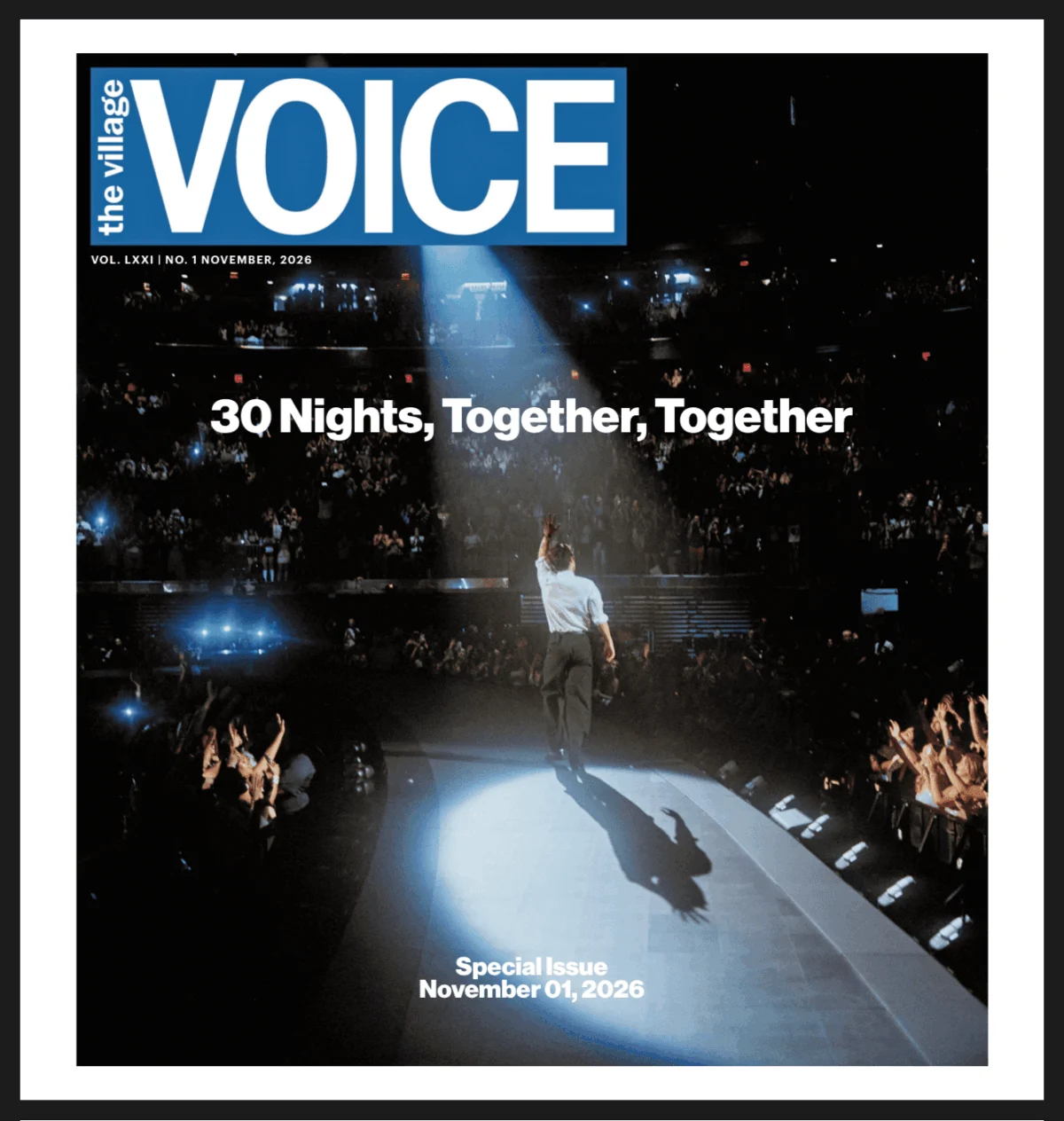
The vibrant cultural tapestry of New York City recently witnessed an extraordinary confluence of contemporary music stardom and storied journalistic heritage as global pop icon Harry Styles concluded his unprecedented 30-night residency at Madison Square Garden with a special print issue of The Village Voice. This unique collaboration, announced as Styles bid farewell to the city following his "Together, Together" tour, marked a rare re-emergence for the legendary alt-weekly in its physical form, which largely ceased regular print operations in 2017. The special edition serves as a meticulously crafted time capsule, documenting the sheer scale and profound impact of Styles’ marathon performance series, and highlights his deep appreciation for the city that hosted him for three months.
A Historic Collaboration Takes Center Stage
For seven decades, The Village Voice has stood as an indispensable chronicler of New York City’s pulse, from the avant-garde movements of the downtown arts scene to the incisive political commentary that defined its era. Its pages have been graced by literary giants and cultural luminaries, including James Baldwin, E.E. Cummings, Tom Stoppard, and Colson Whitehead, solidifying its reputation as a vital voice in American journalism. The decision by Harry Styles, himself a singular cultural phenomenon, to partner with such an institution for his New York farewell underscores a profound understanding of the city’s historical and artistic landscape. The collaboration represents more than just a promotional effort; it is a symbolic passing of the torch, connecting a contemporary idol with a publication that has historically championed emerging talent and cultural shifts.
Styles, addressing "friends, strangers, citizens of New York" in an opening note within the special issue, expressed profound gratitude for his time in the metropolis. "It has been an honour to live and work in your city for the past three months," he penned. "The energy of the audiences, the openness, the dancing, the sheer joy, will never leave me; it altered me." His words resonate with the experiences of countless artists and dreamers who have found inspiration and transformation within New York’s dynamic embrace. The sentiment highlights the reciprocal relationship between the performer and the city, where both contribute to and are shaped by the other’s energy.
Further elaborating on the significance of the partnership, Styles stated, "The Village Voice has long been both a creator and unique record of the cultural life of New York City and it is a privilege to collaborate with the iconic arts paper to tell a bit of the story of 30 nights of Together, Together at Madison Square Garden." He acknowledged the limited scope of the issue, adding, "It’s not the whole story, of course, but it’s a little piece we can share right now. I look forward to hearing your stories in the years to come, and sharing mine." This humble yet poignant reflection underscores the communal nature of live performance and the enduring power of shared cultural narratives.
The Enduring Legacy of The Village Voice
To fully grasp the magnitude of this collaboration, one must appreciate the indelible mark The Village Voice has left on American journalism and culture. Founded in 1955 by Daniel Wolf, Ed Fancher, and Norman Mailer, it quickly distinguished itself as an alternative weekly, offering a counter-narrative to mainstream media. Operating from the heart of Greenwich Village, it became a bastion of investigative journalism, incisive arts criticism, and fearless social commentary. Its pages provided a platform for nascent movements and marginalized voices, covering everything from the burgeoning folk music scene to the civil rights movement and the anti-Vietnam War protests.
Throughout its storied history, The Voice cultivated a reputation for groundbreaking reporting and nurtured some of the most influential writers and critics of the 20th century. Beyond those mentioned by Styles, iconic figures like Jill Johnston, known for her pioneering dance criticism and feminist essays; Robert Christgau, the "Dean of American Rock Critics"; Nat Hentoff, a prolific jazz critic and civil liberties advocate; and J. Hoberman, a celebrated film critic, all contributed to its distinctive editorial voice. The paper’s commitment to in-depth analysis and unconventional perspectives earned it three Pulitzer Prizes, a testament to its journalistic rigor and cultural impact.
However, like many print publications, The Village Voice faced significant challenges in the 21st century. The rise of digital media, coupled with shifting advertising revenues and evolving readership habits, led to economic pressures. After decades of consistent publication, the paper ceased its regular print edition in August 2017, a move that sent ripples through the media landscape and was widely mourned by its loyal readership and the journalistic community. Though it continued as a digital-only entity, the absence of its tangible form felt like the end of an era for many New Yorkers. The return to print, even for a special issue, therefore, is not merely a nostalgic gesture but a powerful statement about the paper’s enduring cultural capital and its ability to reinvent itself in a changing media environment. This revival, powered by a collaboration with a global superstar, injects new life into its legacy, bridging its storied past with a contemporary audience.

Harry Styles: A Modern Cultural Phenomenon
Harry Styles’ ascent to global superstardom is a compelling narrative in itself, marking a transition from a boy band sensation in One Direction to a multifaceted solo artist, actor, and fashion icon. His solo career, launched in 2017, has been characterized by critically acclaimed albums like "Harry Styles," "Fine Line," and "Harry’s House," which have garnered numerous awards, including multiple Grammy Awards, and topped charts worldwide. Beyond his musical prowess, Styles has cultivated a distinct public persona defined by his boundary-pushing fashion, charismatic stage presence, and unwavering message of inclusivity and joy. His influence extends far beyond music, making him a significant figure in contemporary pop culture.
The "Love On Tour," which commenced in 2021, became a global phenomenon, captivating millions of fans across continents. Known for its high-energy performances, vibrant aesthetics, and Styles’ engaging audience interaction, the tour cemented his status as one of the most compelling live performers of his generation. The tour’s themes of love, acceptance, and self-expression resonated deeply with audiences, fostering a passionate and diverse fan base.
The Madison Square Garden residency, specifically dubbed "Together, Together" for this particular New York engagement, represented a pinnacle of the "Love On Tour." Thirty nights at one of the world’s most iconic venues is an extraordinary undertaking, a testament to Styles’ immense popularity and drawing power. Such an extended run not only demonstrates commercial success but also fosters a unique, intimate relationship between the artist and the host city. It transforms a series of concerts into a prolonged cultural event, drawing fans from across the globe and embedding itself into the fabric of New York’s summer and autumn seasons.
A Residency Unlike Any Other: "Together, Together" at MSG
The "Together, Together" residency at Madison Square Garden, culminating on October 31, was a monumental spectacle that captivated New York City for three months. Each of the 30 nights was more than just a concert; it was a celebrated event, creating a consistent buzz around the legendary arena. Fans, affectionately known as "Stylers," flocked to the venue, often dressed in elaborate, glitter-filled outfits inspired by Styles’ flamboyant style, turning the area around MSG into a daily fashion parade and pre-show festival.
The economic impact of such a prolonged residency on New Manhattan was substantial. Hotels, restaurants, and local businesses in the vicinity of Madison Square Garden experienced a significant surge in patronage, benefiting from the influx of both local and international fans. Estimates suggest that major residencies of this nature can inject tens of millions of dollars into the local economy through ticket sales, merchandise, transportation, accommodation, and dining. For Madison Square Garden itself, hosting 30 sold-out nights by a single artist is a remarkable achievement, likely setting new records for attendance and revenue generation for a continuous run. The venue even honored Styles with a permanent banner in its rafters, a rare distinction previously bestowed upon only a handful of legendary artists, signifying his profound connection to "The World’s Most Famous Arena."
The atmosphere inside MSG during these shows was consistently electric. Styles is renowned for his ability to connect with individual audience members, engaging in banter, acknowledging signs, and creating a sense of collective euphoria. The "Together, Together" residency became a shared experience, a temporary community forged nightly through music, dance, and unbridled joy. For many, it was a pilgrimage, a chance to be part of a cultural moment that transcended a typical concert.
Bridging Generations and Media Formats
The collaboration between Harry Styles and The Village Voice is a fascinating study in cultural crossover and media evolution. On one hand, you have Styles, the embodiment of contemporary pop culture, leveraging social media and digital platforms to connect with a vast, global audience. On the other, The Village Voice, a venerable institution rooted in print journalism, with a history tied to specific countercultural movements and intellectual discourse. Their partnership bridges not only generations of artists and fans but also different eras of media consumption.

For The Village Voice, this collaboration offers an unprecedented opportunity to introduce its brand and legacy to a new, younger demographic—Styles’ massive following. It signifies a strategic move to demonstrate its continued relevance and adaptability in an ever-changing media landscape. The decision to produce a physical print issue, in an age dominated by digital content, is a deliberate statement, emphasizing the tactile experience of holding a publication and the curated nature of its content. It harks back to an era where The Voice was a weekly ritual for New Yorkers, a tangible guide to the city’s happenings.
For Styles, the partnership lends a layer of gravitas and historical depth to his residency. It positions him not just as a pop star but as an artist deeply engaged with the cultural fabric of the city he inhabits. By associating with The Village Voice, he aligns himself with a tradition of artistic integrity and intellectual curiosity, enhancing his image as a thoughtful and culturally aware performer. This move distinguishes him from many of his contemporaries, showcasing a desire to engage with legacy media in a meaningful way, rather than solely relying on fleeting digital trends.
Beyond the Music: Philanthropy and Community Engagement
A significant aspect highlighted in The Village Voice special issue is the extensive philanthropic work undertaken by Harry Styles and the "Love On Tour" during its New York run. Styles has consistently integrated charitable initiatives into his tours, reflecting a commitment to social responsibility that resonates deeply with his audience. The special issue details the tour’s partnerships with several crucial organizations, amplifying their missions and contributing vital support.
Among the beneficiaries were Planned Parenthood, a national non-profit organization providing reproductive health care in the United States. Styles’ support for Planned Parenthood underscores his commitment to reproductive rights and access to essential healthcare services, a stance that aligns with the organization’s long-standing advocacy.
Food Bank For NYC, a leading hunger-relief organization working to end food poverty in the city, also received significant assistance. Given New York’s diverse socio-economic landscape, food insecurity remains a critical issue, and the tour’s contributions helped provide meals and resources to vulnerable communities.
The voting nonprofit HeadCount was another key partner. HeadCount focuses on registering young people to vote and promoting civic engagement, particularly among concertgoers. By collaborating with HeadCount, Styles encouraged his predominantly younger fanbase to participate in the democratic process, emphasizing the importance of their voices.
Finally, the humanitarian organization Choose Love, which provides aid and advocacy for refugees worldwide, was supported. This partnership reflects Styles’ broader commitment to global humanitarian causes, offering practical support and raising awareness for displaced populations.
The inclusion of these initiatives in The Village Voice issue not only informs readers about the tour’s charitable efforts but also reinforces the idea that music and entertainment can be powerful vehicles for social change. It showcases Styles as an artist who uses his platform for good, inspiring his fans to consider their own roles in community building and activism.
The Contents of the Special Issue

The special print edition of The Village Voice is designed to be a comprehensive chronicle of the "Together, Together" residency. Beyond Styles’ personal messages, it offers a rich tapestry of content that immerses readers in the experience. Features on the diverse lineup of opening acts—including Tinashe, Jamie xx, Caroline Polachek, Lainey Wilson, and Tears for Fears—provide insights into the broader musical landscape that accompanied Styles’ performances. These acts, spanning various genres, reflect Styles’ eclectic musical tastes and his commitment to showcasing a wide array of talent.
The issue also dedicates space to the unsung heroes of the tour: Styles’ band members and the dedicated crew at Madison Square Garden. These behind-the-scenes profiles offer a glimpse into the collaborative effort required to stage such a monumental production, acknowledging the skilled professionals whose work often goes unnoticed. This human-centric approach aligns with The Village Voice‘s historical emphasis on individual stories and the cultural ecosystem.
Crucially, the issue prominently features coverage of the tour’s aforementioned charitable work, detailing the impact of its partnerships. This reporting transforms the issue from a mere souvenir into a document of social consciousness. And, of course, the pages are replete with stunning photography from the shows, capturing the energy, fashion, and emotion of the 30 nights. These images serve as visual anchors, allowing those who attended to relive the magic and those who couldn’t to experience a curated glimpse into the spectacle. For fans unable to attend the MSG shows, this special issue offers a carefully composed time capsule, preserving the essence of an unforgettable cultural moment.
Implications for Media and Culture
This unprecedented collaboration between Harry Styles and The Village Voice carries significant implications for both the media industry and broader pop culture. In an era where legacy print publications struggle for survival and relevance, The Voice‘s re-emergence, even temporarily, underscores the enduring power of tangible media. It suggests that while digital platforms dominate, there remains a unique value in curated, physical artifacts that commemorate significant cultural events. This could potentially inspire other artists or brands to explore similar partnerships, breathing new life into traditional media formats.
For the music industry, Styles’ residency and this accompanying publication set a new benchmark for artist engagement with host cities and media. It transcends the typical concert promotion, transforming a tour stop into a deep cultural immersion. It highlights the evolving role of superstar artists as not just performers but also as cultural curators and philanthropic drivers.
Ultimately, the Harry Styles x The Village Voice collaboration is a testament to New York City’s unparalleled status as a global cultural capital. It is a city where history and modernity constantly intertwine, where legendary institutions meet contemporary icons, and where the energy of the street fuels both artistic expression and journalistic endeavor. The special issue not only bids a fond farewell to Styles’ impactful residency but also reaffirms The Village Voice‘s legacy as an indispensable chronicler of the city’s ever-evolving cultural narrative, demonstrating that even in an increasingly digital world, some stories are best told on paper.
