
 By Jia Lissa
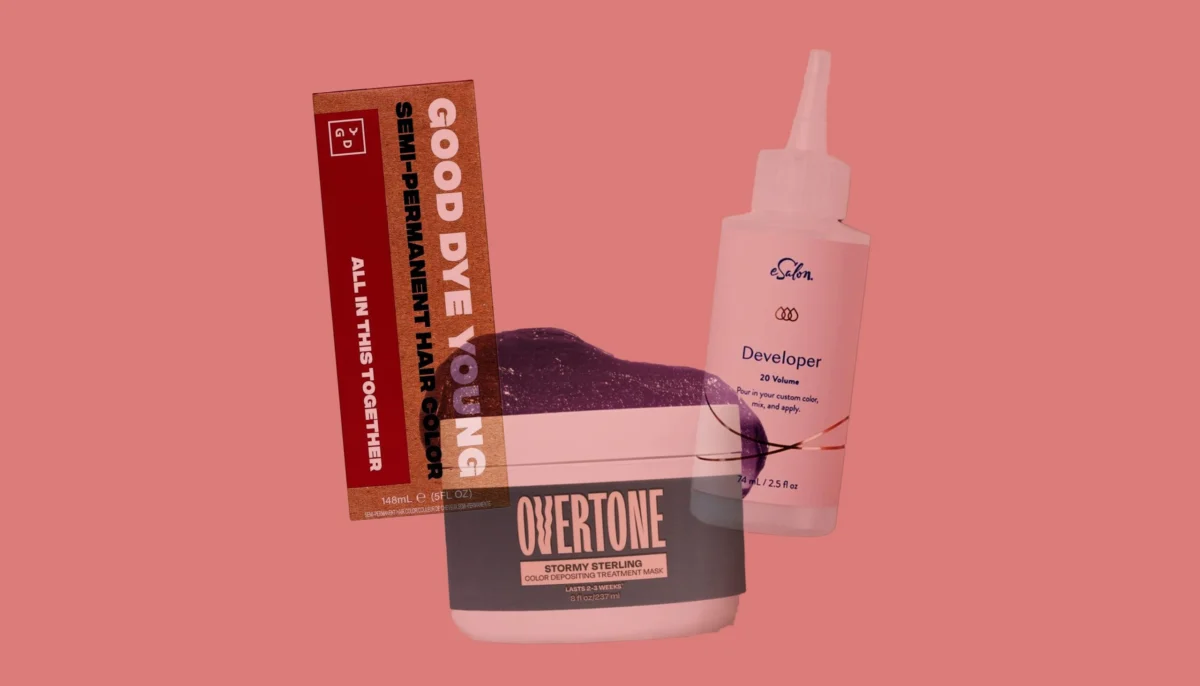
The pursuit of vibrant, salon-quality hair color from the comfort of one’s home has become an increasingly popular endeavor, particularly in recent years. As consumers seek accessible and cost-effective ways to refresh their look, the at-home hair dyeing market has seen significant growth. However, achieving predictable and desirable results can be a complex undertaking, often fraught with common pitfalls. To navigate this landscape successfully, understanding the nuances of hair color formulation, application, and aftercare is paramount. This comprehensive guide, drawing on insights from leading hairstylists and colorists, aims to demystify the process, offering practical advice to ensure stunning and lasting color transformations.
Decoding the Color Chart: Selecting the Perfect Shade
One of the most frequent challenges faced by at-home hair color enthusiasts is selecting the correct shade. The allure of a model’s perfectly hued hair on the packaging can be deceptive, leading to disappointment when the final result deviates significantly from expectations. Andrew Fitzsimons, a renowned hairstylist whose clientele includes the Kardashian-Jenner family, emphasizes the importance of looking beyond the initial visual appeal. "The first rule of thumb—and a solid piece of advice to live by—is that looks can be deceiving," Fitzsimons states. "It may seem like your dream shade is staring right at you, but our best bet is to turn the package around and see how the formula will actually look on your hair type."
The crucial element lies in consulting the color chart provided on the product packaging. This chart offers a more accurate projection of the final outcome by illustrating how various starting hair colors will interact with the dye formula. "Be sure to thoroughly consult the chart on the side or the back, which gives a better indication of where your hair color will end up, based on your beginning hue," advises Fitzsimons.
Dana Ionato, a New York City-based colorist, corroborates this sentiment and sheds light on a common factor contributing to color discrepancies: the strength of at-home dye developers. "The color always ends up lighter than the model’s hair on the packaging [because] the developer in at-home permanent dyes is very strong—stronger than the ones we use in the salon—so it lifts the color and makes it lighter than what you see on the box," Ionato explains. This inherent strength of at-home formulations means that the resulting color can often be lighter than anticipated.
To mitigate this effect, Ionato offers a strategic approach for permanent at-home dyes: "For at-home permanent dyes, your best bet is choosing a color that’s a touch darker than what you’re going for because of the strong developer." This proactive measure helps to compensate for the developer’s lightening action.
However, the strategy shifts when dealing with semi-permanent dyes. These formulations differ significantly as they do not contain a developer. "Semi-permanent formulas don’t have a developer, meaning they get darker and darker the longer you leave them in your hair, so it’s safer to choose a color that’s a bit lighter from the get-go," Ionato clarifies. This distinction is critical for achieving the desired intensity with semi-permanent color.
The Crucial Role of Conditioning in Color Application
Beyond shade selection, the conditioning process plays an often-overlooked yet vital role in the success of at-home hair dyeing. Fitzsimons highlights its significance in sealing the hair cuticle and preventing excessive color absorption. "Using a deep conditioner at the end of the dyeing process seals the cuticle, so your strands stop absorbing the color," he explains. "If you skip conditioning, you’ll end up darker than you expected." This step acts as a final safeguard against over-toning or achieving a hue that is too deep.
Ensuring Adequate Product Application: The Quantity Factor
A common oversight in at-home hair coloring is underestimating the amount of product required for complete saturation. Hair, particularly if damaged, can readily absorb dye, leading to uneven results if the product runs out before the entire head is covered. Meri Kate O’Conner, a bicoastal hairstylist, notes, "Hair can quickly soak up hair dye, especially if it is damaged—meaning your cuticles are lifted and more porous—which can lead to missed spots once you run out of product."
The principle of sufficient saturation is paramount to avoiding patchy color. "Never try to stretch the formula—insufficient saturation [flat or streaky dye] is one of the biggest causes of patchy color," warns another industry expert, Mena. This emphasizes the need for a generous application to ensure every strand is adequately coated.
The quantity of hair dye needed is directly influenced by hair length and density. "If you have short or fine hair, one box will typically be enough," states hairstylist Murphy. "But if you have long, thick, or very dense hair, I always recommend having two boxes on hand to completely saturate your strands." This recommendation is echoed by stylist Gonzalez, who advises, "It’s always better to have extra color than not enough." Preparedness with sufficient product is key to achieving a uniform and professional-looking finish.
Maximizing Color Longevity: Essential Aftercare Practices
Once the desired color is achieved, maintaining its vibrancy and preventing premature fading becomes the next critical objective. Aftercare plays a pivotal role in extending the life of at-home hair dye. Mena suggests a waiting period before the first wash: "Waiting at least 48 hours before washing your hair." This allows the hair cuticle to fully absorb and lock in the color molecules.
The choice of shampoo and washing temperature are also significant factors. "Incorporating a sulfate-free, color-safe shampoo on wash days, and always rinsing with cool to lukewarm water," is recommended. Sulfates can strip color molecules, leading to faster fading, while hot water can cause the cuticle to open, releasing pigment.
Swapping conditioner for a hair mask is another effective strategy. Richards suggests this alternative: "Instead of conditioner, swap it in with a hair mask to keep your cuticles healthy." Mena adds that this is "especially important for blondes, brunettes, and redheads." Hair masks provide deeper nourishment and can help to smooth the cuticle, enhancing shine and color retention.
Furthermore, minimizing exposure to factors that accelerate color degradation is crucial. "You’ll also want to avoid heat-styling (unless you use a heat protectant) as often as possible, excessive sun exposure, chlorine, and frequent use of clarifying shampoos—all of the above can accelerate fading," advises the article. Heat styling tools can damage the hair shaft and cause pigment loss, while UV rays from the sun, chlorine in swimming pools, and harsh clarifying shampoos can all strip color. Utilizing a heat protectant spray before styling, wearing a hat in direct sunlight, and limiting exposure to chlorinated water can significantly contribute to color longevity.
The Science Behind At-Home Hair Dyeing
The chemical processes involved in at-home hair dyeing are fundamental to understanding why certain outcomes occur. Permanent hair dyes typically work through a two-part system: an alkaline agent (often ammonia or an ammonia substitute) that raises the hair’s cuticle, allowing the dye molecules to penetrate the cortex, and a developer (usually hydrogen peroxide) that bleaches the natural pigment of the hair and activates the dye. The strength of the developer, measured in volumes, dictates the degree of lift or lightening that occurs. As noted by Ionato, at-home kits often utilize a stronger developer than those used in professional salons, contributing to a more pronounced lightening effect.
Semi-permanent and demi-permanent dyes operate differently. Semi-permanent dyes deposit color onto the hair shaft without significantly altering the natural pigment, fading gradually with each wash. Demi-permanent dyes offer a bit more longevity than semi-permanent options by penetrating the cuticle slightly but do not contain ammonia and use a low-volume developer, resulting in less damage and more natural-looking color shifts. Understanding these distinctions empowers consumers to choose the appropriate product for their desired result and hair condition.
Expert Insights and Testing Methodologies
The advice provided by industry professionals underscores the importance of empirical knowledge and careful observation. The testing methodologies employed by publications like Allure to evaluate hair care products, including at-home dyes, highlight a commitment to diverse user experiences. The process involves enlisting a broad spectrum of testers with varying hair types, textures, colors, and concerns. This ensures that product performance is assessed under a wide range of conditions, providing a more comprehensive and reliable review.
For hair color products, this often includes evaluating efficacy in terms of color payoff, evenness of application, and longevity. Texture and user experience during application, fragrance, and packaging are also considered. The emphasis on diverse testing panels—spanning different ages, skin tones, hair textures, genders, and backgrounds—is crucial for accurate and equitable product assessment. A product’s suitability for a specific hair type, such as 4C curls or wavy hair, or its effectiveness in addressing concerns like dandruff or breakage, is paramount. Therefore, ensuring that reviews are based on tests conducted by individuals who represent the target demographic for a particular product is essential for consumer trust and informed purchasing decisions.
The collaborative efforts of editors, writers, contributors, and professional colorists in testing at-home hair dye formulations contribute to a robust understanding of product performance. This multi-faceted approach aims to identify the most vibrant, long-lasting, and user-friendly hair dye options available on the market.
Broader Implications and Consumer Trends
The continued popularity of at-home hair coloring reflects a broader societal trend towards self-care and personalized beauty routines. The economic advantages of dyeing hair at home, coupled with the convenience of accessible products, have made it a staple for many. However, the inherent complexities of achieving professional-grade results necessitate informed decision-making and adherence to expert guidance.
The increasing availability of sophisticated at-home color kits, often mirroring salon-quality formulations in their ingredient profiles and application methods, has democratized hair coloring. This accessibility, however, also places a greater responsibility on consumers to educate themselves about the products they use and the processes involved. The insights from seasoned hairstylists and colorists serve as a vital resource in this regard, bridging the gap between consumer aspiration and achievable reality. As the market continues to evolve, so too will the demand for clear, reliable information that empowers individuals to make confident choices about their hair color journey.
