
 By Jia Lissa
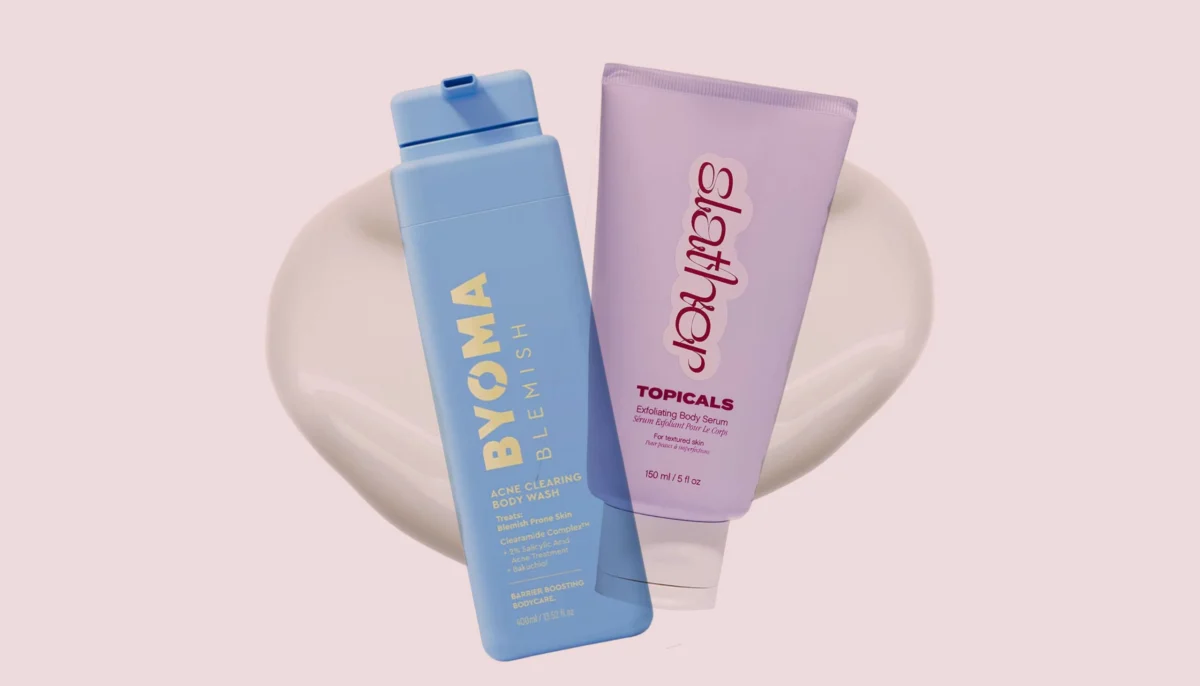
Body acne, a widespread dermatological concern, arises from a complex interplay of clogged pores, inflammation, and impaired skin cell turnover. This common condition, often manifesting on the back, chest, and shoulders, can present as a spectrum of lesions, from subtle blackheads and inflamed pustules to more persistent, deep, and tender cystic formations. Understanding the underlying mechanisms and adopting targeted treatment strategies are crucial for managing and alleviating this often-frustrating skin ailment.
The Genesis of Body Acne: A Multifaceted Culprit
Dermatologists emphasize that body acne is not a singular issue but rather a consequence of a "cycle of clogged pores, inflammation, and poor skin turnover," according to Dr. Prather. This process is initiated when hair follicles, the tiny structures responsible for hair growth, become obstructed. Sebum, the natural oil produced by the skin, dead skin cells, and environmental debris can accumulate, creating a fertile ground for bacterial proliferation. When these blockages occur, they can trigger an inflammatory response, leading to the characteristic redness, swelling, and discomfort associated with acne lesions.
The skin on the body, particularly the back, often possesses a different physiological profile than facial skin. A study published in the Journal of Cosmetic Dermatology highlights that back acne is frequently more sensitive due to a potentially weaker skin barrier and subtle microbial imbalances. This delicate equilibrium can be further disrupted by external factors, leading to a cascade effect. When the skin barrier’s natural lipid composition is compromised, it can paradoxically promote increased oil production and exacerbate microbial imbalances, creating a "vicious cycle," as explained by New York-based board-certified dermatologist Kseniya Kobets, MD. This inherent vulnerability means that treatments effective for facial acne may not be suitable for body acne, underscoring the need for a more nuanced approach.
Identifying and Mitigating Triggers: A Proactive Approach
A cornerstone of effective body acne management lies in identifying and eliminating potential external triggers. Dr. Prather advises a thorough review of personal care products, noting that certain hair care formulations can inadvertently contribute to breakouts. Hair products containing silicones and oils, such as conditioners and leave-in treatments, can leave a residue on the skin. This residue, when it mixes with sebum and dead skin cells, can lead to clogged pores, a primary precursor to acne. Individuals prone to body acne are encouraged to scrutinize product labels for ingredients known to be comedogenic, meaning they have a tendency to clog pores.
Beyond hair products, other daily habits and routines can also play a role. During professional treatments like massages, the type of moisturizing products used can significantly impact skin health. Dr. Prather recommends opting for lighter lotions over heavy creams and massage oils that might exacerbate acne formation. This proactive identification of triggers empowers individuals to make informed choices about their product selection and daily practices, thereby reducing the likelihood of future outbreaks.
Tailoring Treatments: The Nuances of Body Acne Care
Once potential triggers have been addressed, the next step involves selecting appropriate over-the-counter (OTC) or prescription treatments. However, it is imperative to approach body acne treatment with a distinct strategy compared to facial acne. "Although our back skin seems tough, it [usually] cannot handle the same acne treatment routines we use on our face," warns Dr. Prather. This caution stems from the aforementioned differences in skin barrier function and microbial composition. Aggressive treatments can strip the skin of its natural oils, damage the lipid barrier, and lead to increased inflammation and sensitivity, potentially worsening the acne in the long run.
Dr. Kobets advocates for a gentler, yet effective, treatment regimen. This typically begins with a pH-balanced cleanser that incorporates humectants like glycerin. Humectants help to attract and retain moisture in the skin, supporting the skin barrier without overwhelming it. Following cleansing, a lightweight, non-comedogenic lotion formulated with ceramides and niacinamide is recommended. Ceramides are essential lipids that help to reinforce the skin barrier, while niacinamide, a form of vitamin B3, offers anti-inflammatory benefits and can help regulate sebum production.
For individuals who require more targeted intervention, topical treatments containing active ingredients can be employed. However, Dr. Prather suggests using these judiciously. Ingredients like benzoyl peroxide, a common and effective acne treatment, should be applied sparingly, perhaps only a few times a week, and ideally over a moisturizer to buffer its drying and potentially irritating effects. This cautious application minimizes the risk of compromising the skin barrier while still allowing the active ingredient to target acne-causing bacteria and reduce inflammation.
Expert Insights and Testing Methodologies
The development of effective acne treatments is an ongoing process, informed by rigorous scientific research and expert consensus. Dermatologists like Dr. Prather and Dr. Kobets contribute invaluable clinical experience and knowledge to the understanding and treatment of conditions like body acne. Their recommendations are often grounded in the latest dermatological research, including studies that investigate the specific physiological characteristics of body skin and its susceptibility to acne.
In the realm of product testing and review, publications such as Allure employ a multi-faceted approach to ensure that recommended treatments are both effective and safe. Their editorial teams meticulously evaluate products from various angles, including ingredient analysis, scrutiny of brand claims, and examination of peer-reviewed scientific and medical studies. This comprehensive review process is further bolstered by the expertise of professionals in fields such as dermatology, cosmetic chemistry, and medicine, who help to vet the efficacy and safety of ingredients and formulations.
When assessing body acne treatments, Allure‘s methodology typically focuses on key performance indicators. These include the product’s ingredients and their proven efficacy in treating acne, the practicality and user-friendliness of the packaging, the presence and impact of fragrance, the texture and feel of the product on the skin, and its overall wearability throughout the day. Each product is subjected to rigorous testing by their editorial team, which comprises in-house writers and editors, as well as external contributors. Crucially, board-certified dermatologists provide specialized insights, ensuring that the recommendations are not only appealing but also scientifically sound and clinically relevant. This commitment to a thorough and expert-driven testing process aims to provide consumers with reliable guidance for managing their skin concerns.
A Diverse Approach to Product Evaluation
The philosophy behind comprehensive product testing extends to recognizing the inherent diversity of the consumer base. Allure‘s commitment to providing truly valuable recommendations is rooted in the belief that a diverse testing panel is essential. A beauty product, whether it’s a moisturizer for dryness, a new nail treatment, or a hair product, is a personal purchase influenced by individual needs and concerns. To ensure that their recommendations resonate with a wide audience, Allure emphasizes the importance of a team that spans a broad spectrum of ages, skin tones, hair textures, genders, and backgrounds.
This inclusive approach ensures that products are evaluated in real-world scenarios by individuals who genuinely represent the diverse population of consumers. For instance, a claim about a product being "best for people over 50" would be meaningless if the testing pool consisted solely of individuals under 30. Similarly, a high-end hair tool’s efficacy would be questionable if it had never been tested on curly hair textures. By actively seeking opinions from a wide range of testers and industry experts, Allure aims to provide fair and accurate assessments of beauty products, ensuring that their recommendations are truly applicable and beneficial to everyone. This dedication to diversity in testing reinforces the credibility and trustworthiness of their product reviews and advice.
The Broader Implications of Skin Health Management
The conversation around body acne extends beyond mere cosmetic concerns. Persistent or severe acne can have significant psychological and emotional impacts, affecting self-esteem and social confidence. Understanding the scientific underpinnings of acne, from the role of hormones and genetics to the influence of diet and environmental factors, is crucial for developing holistic treatment plans. Ongoing research into the skin microbiome and its intricate relationship with skin health promises to unlock even more targeted and personalized treatment approaches in the future.
Furthermore, the accessibility of effective acne treatments is a key consideration. While over-the-counter options are readily available, professional dermatological care remains essential for individuals with moderate to severe acne or those who have not responded to initial treatments. Public health initiatives aimed at educating individuals about skin health and encouraging early intervention can play a vital role in preventing the long-term consequences of untreated acne, such as scarring and hyperpigmentation. As scientific understanding advances and treatment methodologies evolve, the goal remains to empower individuals with the knowledge and resources to achieve and maintain healthy, clear skin, contributing to their overall well-being.
