
 By admin
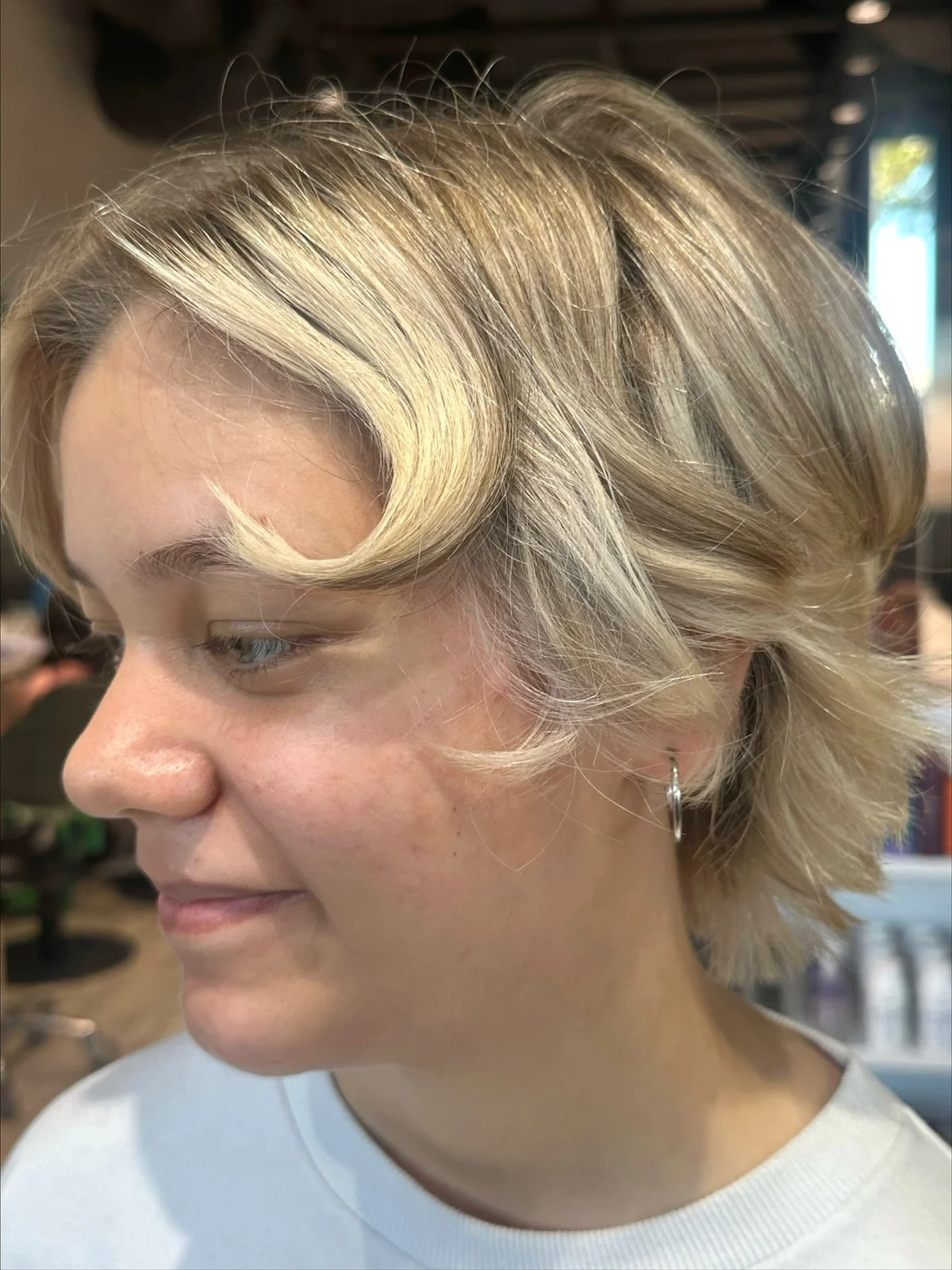
The world of hairstyling is in a constant state of flux, with trends emerging, evolving, and sometimes, re-emerging with a fresh twist. One such evolution gaining significant traction is the "flixie," a modern iteration of the enduring pixie cut. This distinctive style, characterized by its short silhouette and strategically flicked ends, offers a playful yet sophisticated update to a perennial favorite, appealing to those seeking a dynamic and expressive short haircut. The flixie represents more than just a fleeting trend; it signifies a broader movement in short hairstyles, emphasizing individuality and adaptability.
Understanding the Flixie: A Modern Interpretation
At its core, the flixie is a short haircut that builds upon the foundational elements of the classic pixie. The defining characteristic that sets it apart is the deliberate styling of the hair’s ends, particularly around the fringe, ears, nape, and temples, to flick outwards. This creates a sense of movement, energy, and a touch of playful rebellion against the typically sleek lines of a traditional pixie. The length can vary, with some flixies featuring closely cropped sides and a slightly longer, textured top where the flicks are most pronounced. Other variations allow for more discernible length around the ears and nape, enabling bolder outward flicks.

The aesthetic of the flixie draws inspiration from iconic short hairstyles of the 1960s and 1970s, periods known for their bold and often playful hair trends. However, the contemporary flixie distinguishes itself through its inherent unevenness and airy texture. This modern interpretation avoids a strictly retro feel, instead blending nostalgic charm with a current, effortless cool. The result is a hairstyle that feels both familiar and fashion-forward, a delicate balance that has contributed to its growing popularity.
The Ascent of the Flixie: A Trend in Context
The rise of the flixie is not an isolated phenomenon but rather a natural progression within the broader trend of embracing shorter hairstyles. Over the past few years, we’ve witnessed a fascinating evolution in short hair. The classic bob has seen a resurgence, often interpreted in shorter, more blunt iterations. This trend then blurred into the "bixie," a hybrid cut that skillfully merges the bob and the pixie, offering a longer pixie or a shorter bob with pixie-like texture. The flixie, in this lineage, represents the pixie cut’s latest reinvention, pushing its boundaries towards greater expressiveness and stylistic versatility.
The appeal of the flixie lies in its ability to provide short hair with a discernible shape while simultaneously offering a canvas for creative styling. The flicked ends can be manipulated in various ways: directed outward for a bold statement, swept across the forehead as a textured fringe, or subtly incorporated into the overall crown volume. This adaptability allows a seemingly simple short haircut to possess multiple personalities, catering to different moods and occasions. The "messy" yet intentional texture of the flixie ensures it feels contemporary and avoids appearing dated or overly stylized, a crucial factor in its widespread adoption.

The Mechanics of the Flixie: Achieving the Look
For individuals considering the flixie, the consultation with a hairstylist is paramount. Bringing reference images that highlight the desired placement and intensity of the flicks is highly recommended. A skilled stylist can tailor the cut by preserving specific lengths around the ears, nape, or top sections to encourage the desired outward movement. The texture of the hair itself plays a significant role in achieving the flixie. Hair with a natural wave or curl often lends itself beautifully to this style, producing a more organic and textured effect with less effort. For those with finer hair, a well-executed piecey cut can create the necessary separation and volume for the flicks to stand out.
Styling the flixie typically involves using small styling tools to encourage the outward flick. A compact round brush used with a blow dryer can effectively shape the ends. Alternatively, a flat iron can be employed to create subtle bends and flicks. To enhance definition and hold individual pieces, a small amount of styling paste or wax is often recommended. A light mist of hairspray can then secure the style throughout the day, especially for those whose hair tends to lose its shape.
The longevity of the flixie’s silhouette is directly related to its length. Shorter versions require more frequent trims to maintain their crisp lines and the definition of the flicks. However, the flixie also offers a natural progression as it grows out. It can evolve into a softer, shaggier shape, or gradually transform into a bixie or even a longer, layered cut, providing a built-in styling evolution. This inherent versatility contributes to its appeal for those who enjoy experimenting with their hair without committing to a drastically different look.

Data and Observations on Short Hair Trends
Recent data from the beauty industry suggests a sustained interest in short hairstyles. According to a 2023 report by Statista on global hair trends, pixie cuts and their variations have consistently ranked among the top sought-after styles for women aged 18-35. Market research firm Mintel noted in their 2022 "Haircare Trends" report that "expressive and personalized hairstyles" are increasingly important, with consumers seeking cuts that reflect their individuality. This aligns with the flixie’s appeal, offering a short, impactful style that can be personalized.
The popularity of short hair is also influenced by lifestyle factors. Busy schedules and a desire for low-maintenance yet stylish options often lead individuals to opt for shorter cuts. The flixie, while requiring some styling, generally falls into the category of manageable short hairstyles. Furthermore, celebrity endorsements and social media influence play a significant role in popularizing new trends. Platforms like Instagram and TikTok have become crucial in showcasing emerging styles, with hashtags like #flixie and #pixieflick gaining considerable traction, often accompanied by user-generated content demonstrating various interpretations of the cut.
The Broader Impact: Individuality and Confidence
The flixie, much like other evolving short hairstyles, empowers individuals to express their personality through their appearance. The playful flicked ends add a touch of vivacity and confidence, breaking away from more conventional short styles. This trend reflects a broader societal shift towards embracing individuality and self-expression in all aspects of life, including personal style.

For stylists, the flixie presents an opportunity to showcase their technical skills and creative flair. It allows for a nuanced approach to cutting and styling, catering to diverse hair types and face shapes. The ability to create a personalized look that enhances a client’s features contributes to client satisfaction and strengthens the stylist-client relationship.
The evolution of the pixie cut into styles like the flixie also speaks to the enduring appeal of classic haircuts. Rather than disappearing, these foundational styles are continuously reinterpreted to remain relevant and exciting. This adaptability ensures that timeless looks can continue to inspire new generations of trendsetters.
Looking Ahead: The Future of the Flixie
As the flixie continues to gain momentum, it is likely to see further variations and adaptations. We may see more pronounced asymmetry, a wider range of textures incorporated, and perhaps even bolder color choices to complement the flicked elements. The accessibility of virtual hairstyle try-on tools also plays a crucial role, allowing individuals to experiment with the flixie’s degree of "flip" before committing to a salon visit. This technology democratizes trend adoption and empowers consumers to make informed decisions about their hair.

Ultimately, the flixie is more than just a hairstyle; it’s a statement. It’s a nod to the past, a confident stride into the present, and a playful invitation to experiment with one’s personal style. Its ability to offer both structure and dynamism, familiarity and novelty, positions it as a significant and enduring trend in the ever-evolving landscape of hair fashion.
