
 By admin

As retailers across the global market transition their storefronts for the fourth-quarter holiday season, Hanky Panky, the New York-based intimate apparel manufacturer, has officially commenced the rollout of its signature holiday packaging program. This legacy initiative, which has become a cornerstone of the brand’s annual commercial strategy, represents a sophisticated intersection of product design and retail logistics. The program aims to transform everyday intimate essentials into high-value gift items through meticulously engineered packaging, a move that analysts suggest is critical for capturing the surge in "practical luxury" spending during the months of November and December.
The 2024 rollout features a comprehensive range of the brand’s most recognizable silhouettes, including the original thong, low-rise thong, retro thong, string bikini, and boyshort. By utilizing its proprietary Signature Lace and high-grade Supima cotton, the brand is positioning these items within a curated gifting framework that spans from single-unit boxes to expansive 25-color collections. This tiered approach allows the brand to target multiple consumer demographics, from the "stocking stuffer" impulse buyer to the high-end luxury gift seeker.

Historical Context and Brand Evolution
To understand the significance of the current holiday program, it is necessary to examine the historical trajectory of Hanky Panky. Founded in 1977 by Gale Epstein and Lida Orzeck, the company began with a singular creative spark: Epstein crafted a handmade lingerie set for Orzeck out of embroidered handkerchiefs. This original design not only gave the company its name but also established a precedent for innovation in a category that, at the time, was largely dominated by utilitarian designs or inaccessible high-fashion pieces.
In the mid-1980s, the brand revolutionized the industry with the introduction of the 4811 thong. Dubbed by fashion critics and industry insiders as "The World’s Most Comfortable Thong," the product utilized a unique, soft-stretch lace that eliminated the discomfort typically associated with the silhouette. This product became the foundation of the brand’s "Legacy" status. The current holiday packaging program is a direct extension of this heritage, leveraging decades of brand equity to maintain a dominant position in the premium intimate apparel sector.
Product Engineering and Material Specifications
The holiday collection’s primary draw remains the technical composition of the garments. Hanky Panky’s Signature Lace is notable for its high elastane content and specialized knitting process, which allows for a "one size fits all" (OS) fit in many of its core styles. This technical feature is a significant advantage for the gifting market, as it removes the primary barrier to purchasing intimate apparel for others: size uncertainty.

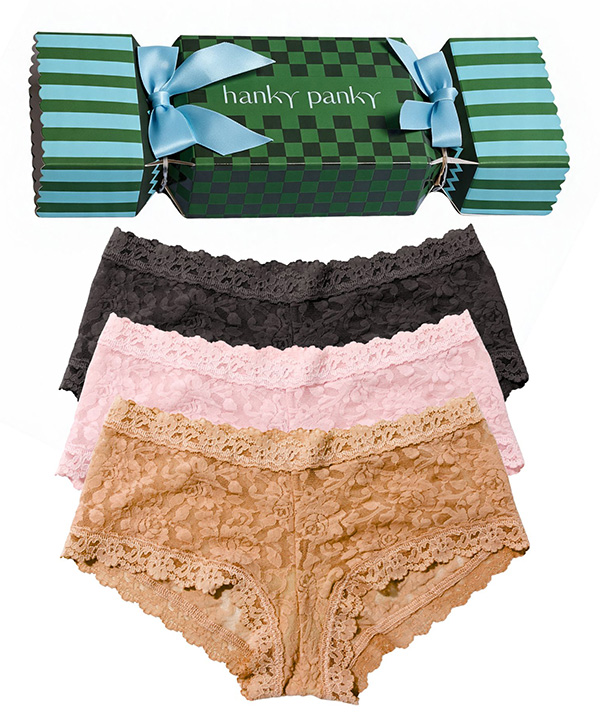
According to technical specifications provided by the manufacturer, the garments utilize a blend of nylon and spandex, often reinforced with 100% cotton gussets for hygiene and breathability. The "cotton classics" included in the holiday boxes are frequently constructed from Supima cotton, a high-quality Pima cotton grown in the United States, known for its extra-long staple fibers which provide superior strength, softness, and color retention. By packaging these high-specification items in "cleverly conceived gift boxes," the brand elevates the perceived value of the product, aligning it with the "unboxing" culture that has become a dominant force in modern consumer psychology.
The Strategic Role of Packaging in Retail Logistics
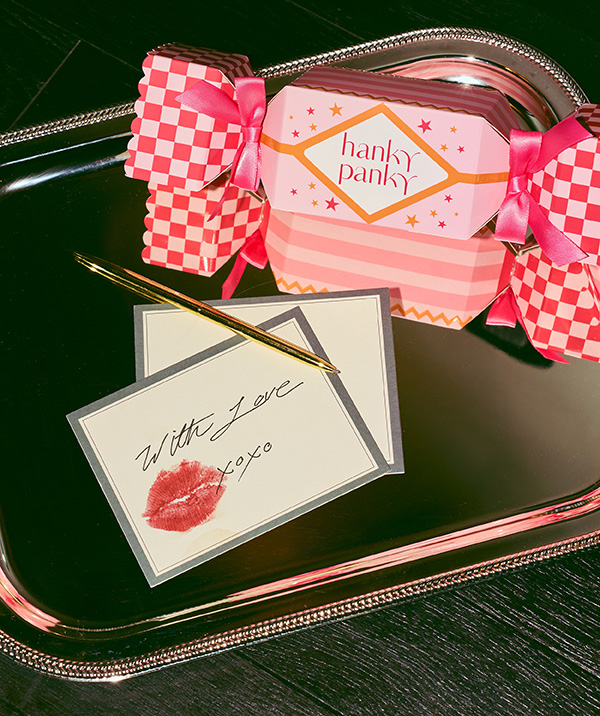
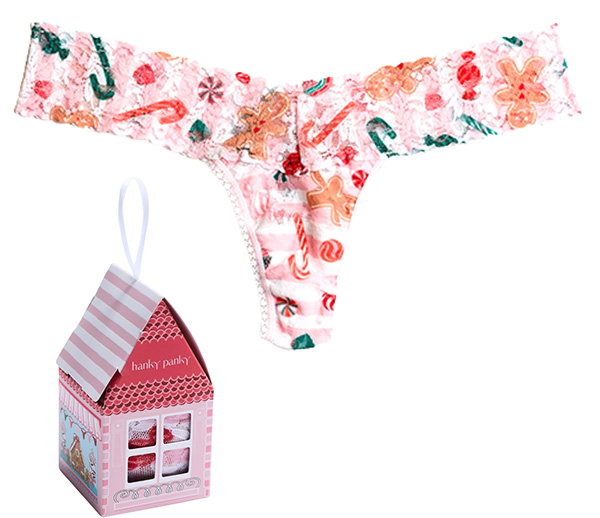
The holiday packaging program is more than a marketing aesthetic; it is a logistical solution to a perennial retail challenge. Intimate apparel, due to its size and fabric weight, often presents difficulties for traditional gift-wrapping and display. Hanky Panky’s use of "crackers," "houses," and modular boxes provides a structured, stackable, and visually cohesive product that simplifies the retail display process for department stores and independent boutiques alike.
The packaging also serves as a vehicle for color storytelling. With offerings ranging from individual units to 25-packs, the brand utilizes a "spectrum strategy." This encourages multi-unit sales by presenting the product as a collectible item. For the 2024 season, the brand has introduced themed boxes that transition from traditional Christmas aesthetics to designs suitable for Valentine’s Day. This extended seasonal relevance ensures that inventory remains viable through the first quarter of the following year, reducing the need for aggressive post-holiday markdowns.
Market Data and Economic Implications
The return of the legacy packaging program occurs against a backdrop of steady growth in the global intimate apparel market. According to recent industry reports from firms such as Grand View Research and Statista, the global lingerie market was valued at approximately $88 billion in 2023 and is projected to expand at a compound annual growth rate (CAGR) of 4.5% through 2030. Within this market, the "premium" and "luxury" segments are seeing the fastest growth, driven by a consumer shift toward quality over quantity.
Data suggests that during the Q4 period, "self-gifting" accounts for nearly 30% of apparel sales, while traditional gifting for others accounts for the remainder. Hanky Panky’s strategy of offering various price points through its packaging tiers—from a single $20-30 item to sets exceeding $500—allows it to capture both of these consumer behaviors. Furthermore, the brand’s commitment to domestic manufacturing provides a level of supply chain agility that many of its competitors, who rely on overseas production, lack.
Domestic Manufacturing and Ethical Considerations
A critical component of the Hanky Panky narrative, often emphasized during its seasonal campaigns, is its commitment to "Made in the USA" production. Since its inception, the brand has maintained a significant portion of its manufacturing operations in the New York metropolitan area. This localized supply chain offers several strategic advantages:
- Quality Control: Proximity to manufacturing facilities allows for rigorous oversight of the lace-knitting and sewing processes.
- Sustainability: By reducing the distance products must travel from factory to distribution center, the brand lowers its carbon footprint compared to international competitors.
- Labor Standards: Domestic production ensures adherence to U.S. labor laws, providing a transparent ethical framework for socially conscious consumers.
In an era where "Fast Fashion" is under increasing scrutiny for environmental and ethical lapses, Hanky Panky’s legacy of domestic production serves as a powerful marketing tool that resonates with the values of Millennial and Gen Z shoppers, who are increasingly influential in the luxury gifting space.
Consumer Behavior and the "Indulgent Essential"
Psychologically, the success of the holiday packaging program relies on the concept of the "indulgent essential." Market research indicates that consumers are more likely to spend a premium on items they use daily if those items are presented as luxury goods. By taking a staple item—the panty—and applying "star treatment" through high-concept packaging, Hanky Panky taps into the desire for functional luxury.
The "pleasure of color," as noted by industry observers, plays a vital role here. The brand’s ability to offer a vast palette allows for personalization, a key trend in the 2024 gifting landscape. Whether a consumer is looking for traditional holiday reds or avant-garde seasonal hues, the modular nature of the packaging program facilitates a "pick-and-mix" feel that empowers the shopper.
Broader Industry Impact and Future Projections
The rollout of the Hanky Panky holiday program is often viewed as a bellwether for the broader intimate apparel industry. When a market leader emphasizes gift-ready packaging, it frequently compels competitors to follow suit, leading to a general elevation of packaging standards across the sector.
Looking toward 2025, the brand’s focus on the "Valentine’s Day transition" suggests a strategic move to mitigate the "January slump" common in retail. By designing packaging that is "charming right through the season," Hanky Panky ensures that its products remain a primary choice for the first major gift-giving occasion of the new year.
As the "season of giving" officially begins, the performance of these legacy programs will be closely watched by investors and retail analysts. The ability of a brand to maintain "legacy" status while continuously innovating its presentation is a rare feat in the volatile fashion industry. Hanky Panky’s 2024 holiday initiative demonstrates a calculated reliance on brand heritage, technical excellence, and a deep understanding of the gift-giving psyche, positioning the company for a robust conclusion to the fiscal year.
