
 By admin
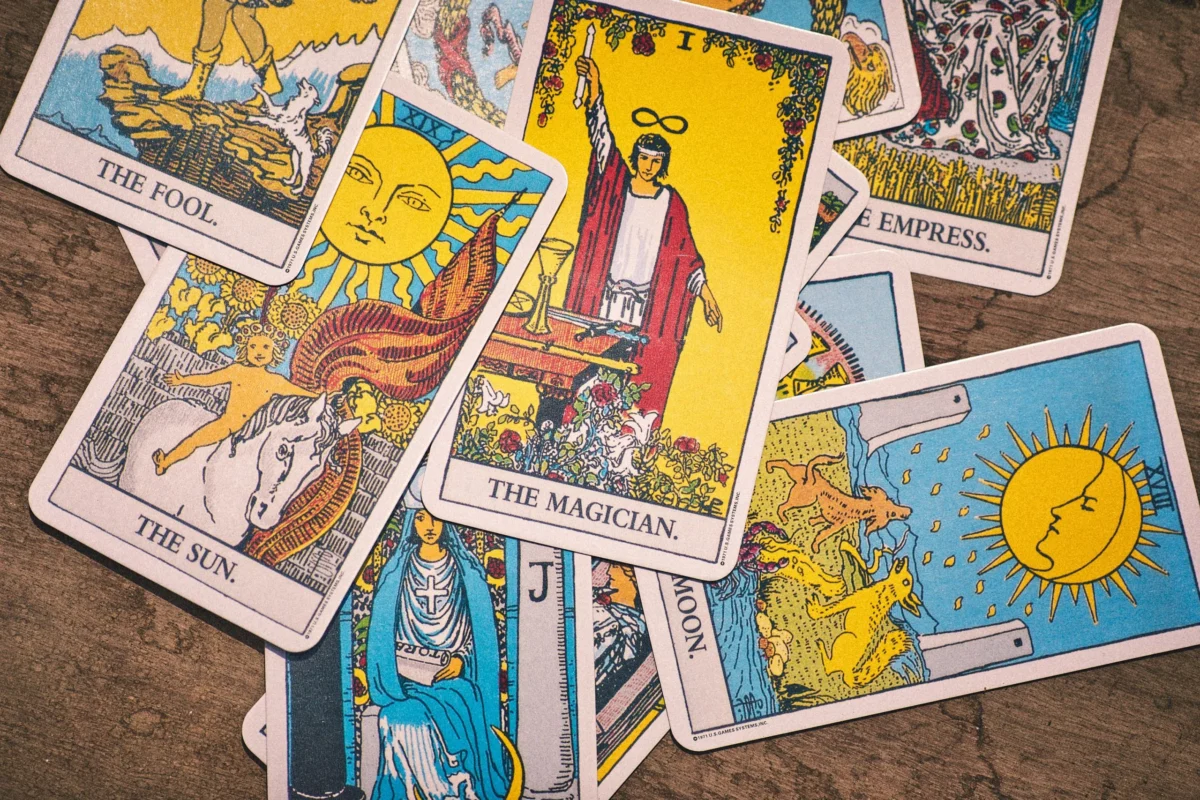
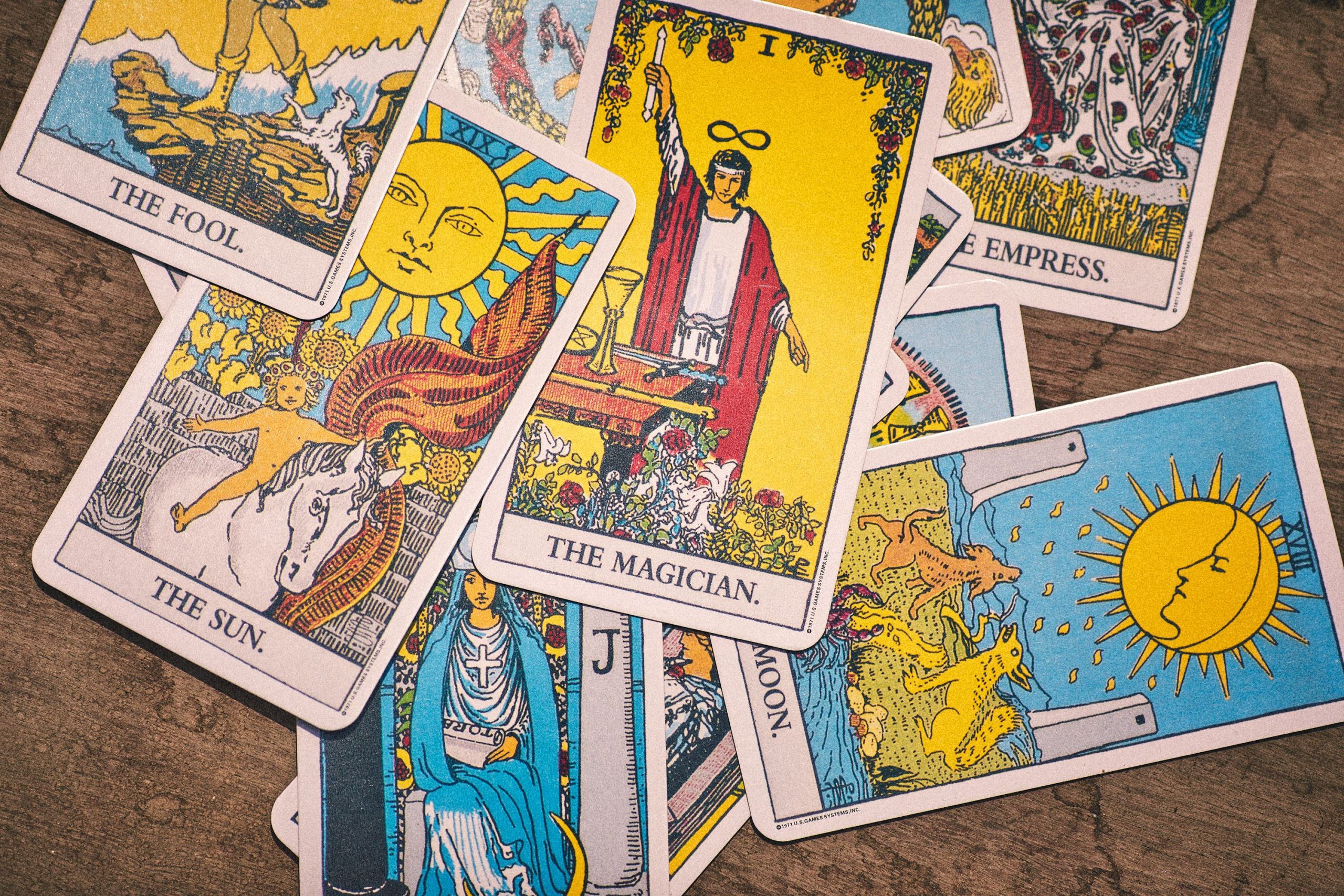
The human impulse to peer through the veil of the future remains one of the most consistent threads throughout the history of civilization. Despite the unprecedented advancements in data analytics, predictive modeling, and scientific forecasting that define the 21st century, the fascination with ancient methods of divination—ranging from tarot and astrology to energy-based spiritual consultations—has not only endured but has experienced a significant cultural and commercial renaissance. This phenomenon reveals a profound and enduring desire for clarity, reassurance, and personal agency in a world characterized by increasing volatility and systemic uncertainty. While material wealth and social standing can provide a buffer against physical hardship, they offer no immunity to the existential anxieties surrounding relationships, career trajectories, and personal fulfillment, leading individuals across all socio-economic strata to seek guidance from the metaphysical.

The Historical Evolution of the Predictive Impulse
The practice of seeking omens is nearly as old as humanity itself. Historically, the pursuit of future-knowledge was a central pillar of statecraft and survival. In ancient Mesopotamia, priests examined the livers of sacrificed animals to interpret the will of the gods, while the Oracle at Delphi influenced the geopolitical decisions of the Greek city-states for centuries. In ancient China, the I Ching provided a complex philosophical framework for understanding the flow of events, and the movements of celestial bodies were meticulously recorded by the Maya and Egyptians to harmonize human activity with cosmic cycles.
As societies transitioned into the Enlightenment and the Industrial Revolution, the rise of rationalism and the scientific method relegated divination to the fringes of "superstition." However, the 20th century saw a dramatic shift. The psychological insights of Carl Jung, who explored the concept of synchronicity and the archetypal power of the tarot, helped rebrand these ancient tools as mirrors for the subconscious rather than mere "fortune-telling." By the 1960s and 70s, the New Age movement integrated Eastern mysticism with Western occultism, setting the stage for the contemporary landscape where spiritual practitioners like Kelly Lightworker and Pearlyn Siew operate as holistic consultants for the modern era.

The Modern Consultation: A Study in Psychological Depth
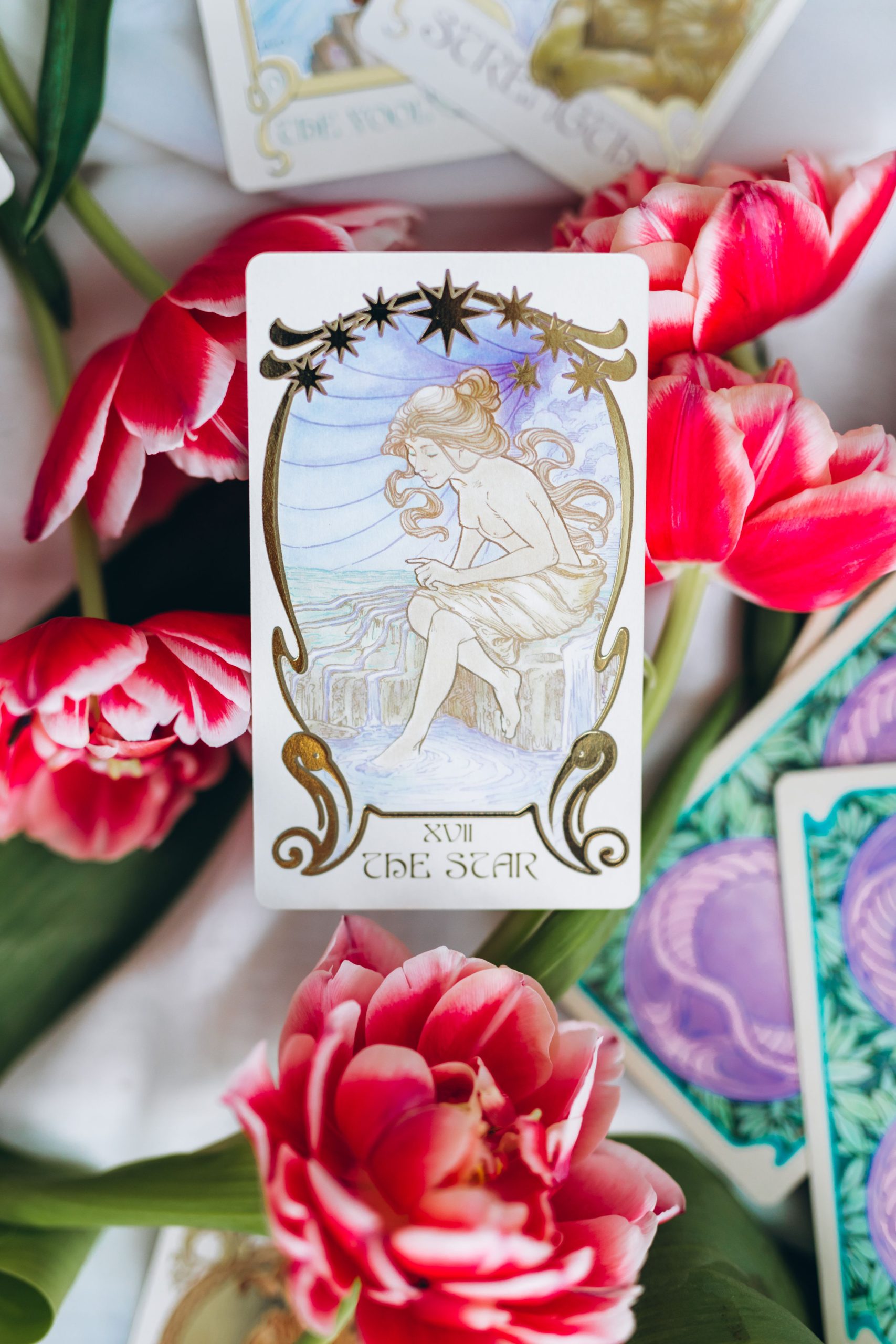
The contemporary appeal of spiritual guidance is rooted in the complex decisions individuals face in their professional and private lives. For Kelly Lightworker, a spiritual practitioner with over 12 years of experience in tarot and astrology, the inquiries she receives are often a gateway to deeper psychological exploration. While clients frequently initiate sessions with questions about career advancement, financial stability, or health, these topics often serve as placeholders for more profound internal conflicts.
A recurring theme in modern consultations is the tension between societal expectations and authentic desire. Lightworker notes that a query about a job promotion may eventually reveal a client’s anxiety regarding family legacy or the fear of inadequacy. In one illustrative case, a woman in her thirties sought guidance on choosing between multiple suitors. The consultation eventually bypassed the external choice to reveal a core internal struggle: the woman felt no genuine connection to any of the men but was driven by a fear of "running out of time" for traditional milestones like marriage and motherhood. The session shifted from a predictive exercise to an inquiry into self-worth, highlighting how divination functions as a space for radical honesty that conventional advice often fails to provide.
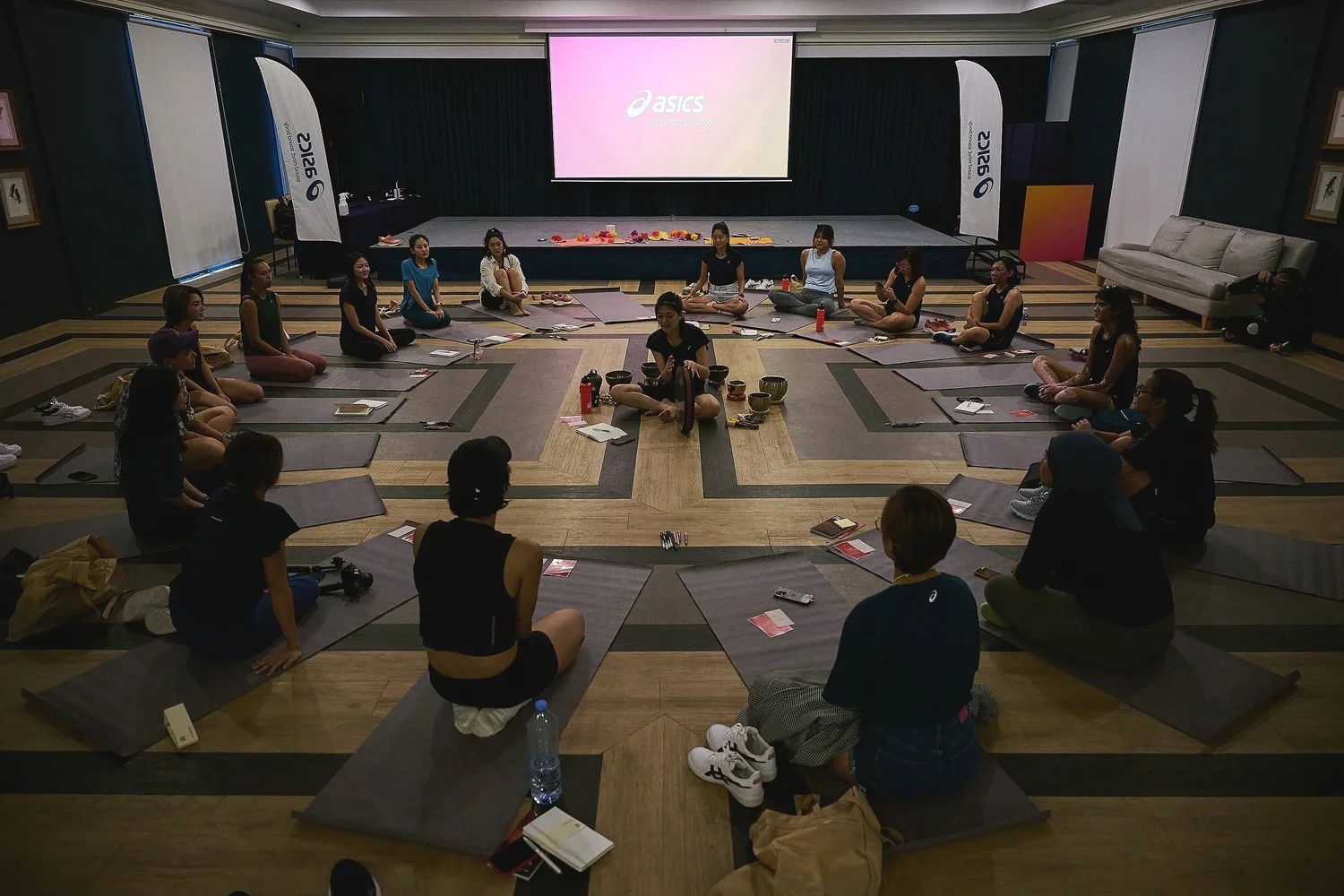
Pearlyn Siew, the founder of Transmission Wellness, approaches this need for clarity through intuitive guidance and aura interpretation. Unlike traditional readings that may require a detailed history from the client, Siew’s methodology allows for a non-verbal assessment of a person’s "energy." This approach appeals to those who may find it difficult to articulate their struggles or who seek a perspective untainted by their own narrative biases. Siew observes that many clients suffer from a lack of self-trust, and the consultation serves to validate their progress, often revealing that they are navigating their lives with more competence and resilience than they previously credited to themselves.
Market Trends and the Valuation of the Intangible
The resurgence of interest in the mystical is reflected in significant market growth. According to industry reports from firms such as IBISWorld, the psychic services market in the United States alone was valued at approximately $2.2 billion in 2022, with a steady growth trajectory expected to continue through the decade. This growth is mirrored globally, particularly in urban hubs where the pressures of high-stakes environments drive a demand for "wellness" services that encompass the spiritual.
The digital revolution has further democratized access to these services. Astrology apps like Co-Star and Sanctuary have raised millions in venture capital, leveraging AI to deliver personalized horoscopes to millions of Gen Z and Millennial users. However, the high-end segment of the market remains rooted in the "bespoke" experience. For practitioners like Siew and Lightworker, the value lies in the personalized, one-on-one connection. In the luxury sector, where exclusivity is paramount, a spiritual consultation is increasingly viewed as a form of high-level mental and emotional maintenance. It offers what material goods cannot: time, focused attention, and a framework for navigating the "mystery" of one’s own life.
The Philosophical Nexus: Fate versus Free Will
One of the most significant shifts in modern spiritual practice is the move away from fatalism. In earlier eras, a "prediction" was often viewed as a fixed destination. Today’s practitioners emphasize the interplay between potentiality and personal agency.
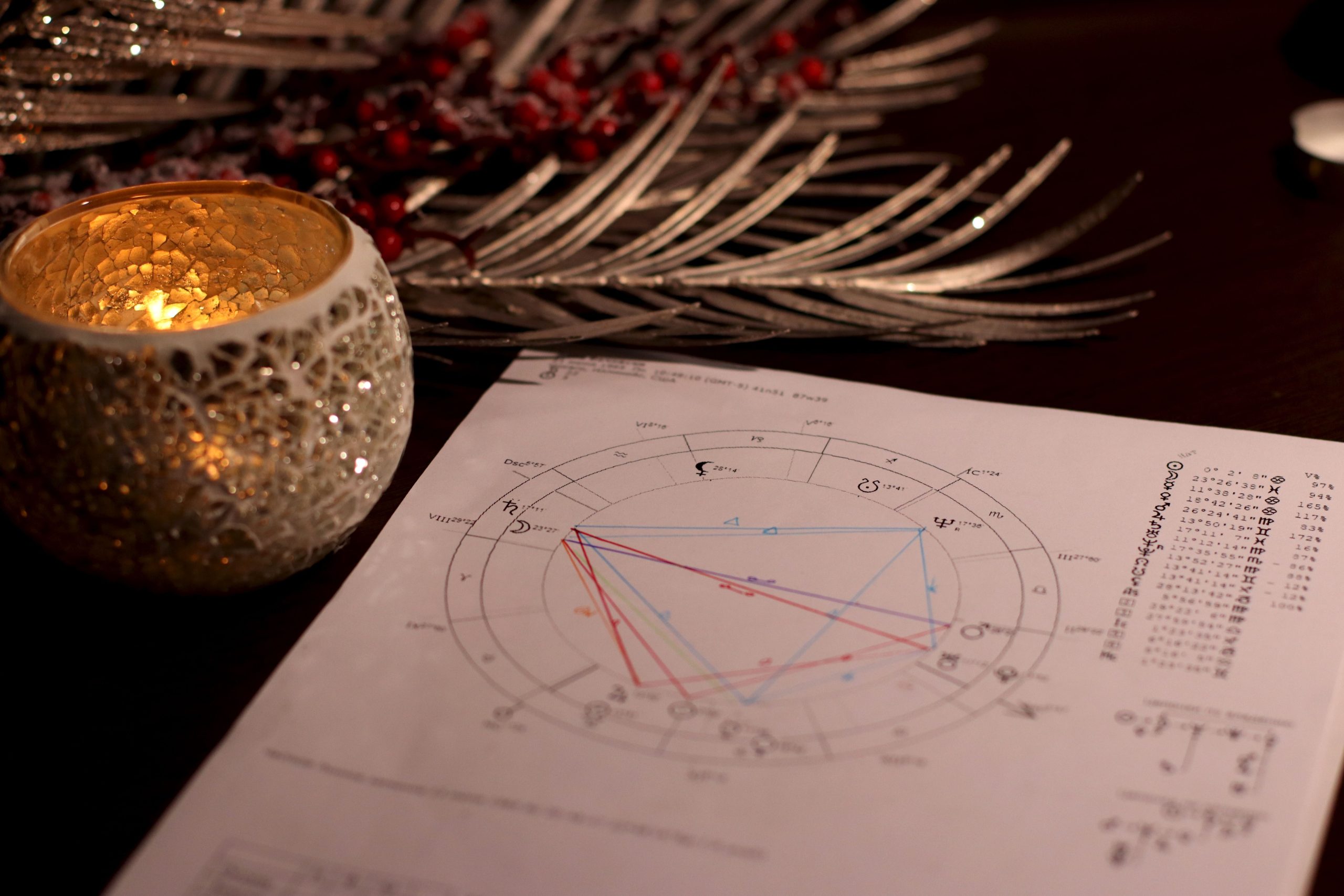
Within the framework of astrology and tarot, the future is often presented as a series of probabilities rather than certainties. Kelly Lightworker maintains that in over a decade of practice, she has encountered very few outcomes that she believed were truly "fixed." Instead, she posits that "our choices make all the difference." This perspective empowers the client, suggesting that while the "weather" of one’s life may be influenced by external or celestial cycles, the "navigation" of that weather remains a matter of free will.
Pearlyn Siew’s work reinforces this by focusing on the "now." By helping clients understand their current energetic state, she encourages them to develop their own intuition. The ultimate goal of such guidance, paradoxically, is to render the guide unnecessary. By fostering self-trust and clarity in the present, practitioners aim to equip individuals with the confidence to face an uncertain future without the constant need for external validation.
Corporate and Familial Integration
The reach of spiritual guidance has extended beyond the individual and into the realms of corporate leadership and family offices. Pearlyn Siew’s work includes corporate workshops and sessions for family businesses, where the dynamics of "energy" and "intuition" are applied to organizational health. In family business contexts, an initial consultation with a single member often leads to a broader engagement with the entire family unit.
This integration suggests a growing recognition of the "human element" in high-level decision-making. In environments where data is abundant but clarity is scarce, the "alternative perspective" offered by a spiritual consultant can serve as a tool for conflict resolution, succession planning, and the alignment of values. It represents a shift toward a more holistic definition of success—one that includes emotional intelligence and spiritual alignment alongside financial performance.
Broader Implications and the Future of the Unknown
The enduring appeal of the mystical serves as a critique of a purely materialistic worldview. As traditional religious institutions see declining participation in many parts of the world, individuals are seeking new ways to find meaning and structure. Spiritual consultations provide a flexible, personalized form of "meaning-making" that fits the individualistic nature of modern society.
Furthermore, the rise of this industry highlights a societal deficit in mental health support and community guidance. For many, a spiritual practitioner fulfills a role that was once held by a village elder or a religious leader, providing a non-judgmental space to process life’s transitions. Whether it is a graduation, a divorce, or a career change, these practitioners offer a sense of continuity and a reminder that the challenges of the present are part of a larger, albeit mysterious, journey.
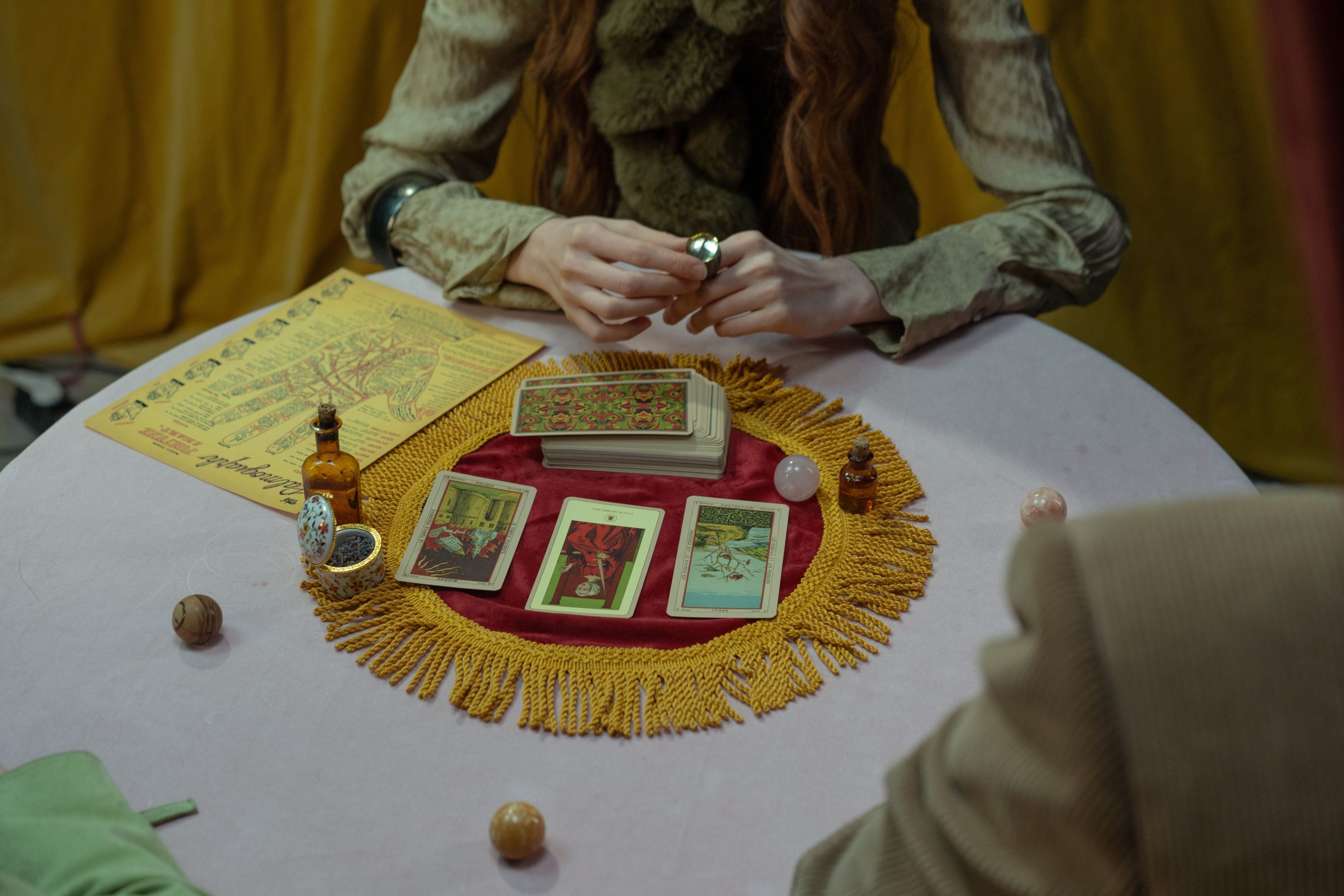
In conclusion, the fascination with predicting the future is not merely a search for "spoilers" of what is to come. It is an architecture of anticipation—a way for humans to build a bridge between the known and the unknown. By seeking out the insights of tarot, astrology, and energy work, individuals are not necessarily looking for a map, but for the courage to walk without one. As long as the future remains a mystery, the desire for clarity and the pursuit of spiritual guidance will remain an essential part of the human experience, offering a unique blend of ancient wisdom and modern psychological insight to navigate the complexities of life.
