
 By admin
The global sustainable apparel market, valued at approximately $7.8 billion in 2023, is projected to reach $11.12 billion by 2027. Despite this growth, the intimate apparel segment has frequently been criticized for a lack of aesthetic diversity, often relegated to what industry insiders call a "vanilla" landscape of neutral tones and basic silhouettes. Nicole Neaber, the founder of the Portugal-based lingerie label ColieCo, has emerged as a vocal proponent for a shift in this paradigm. Neaber contends that while eco-friendly underwear is more accessible than it was a decade ago, the market remains tethered to a "sustainable fashion safe space" that prioritizes minimalism over expressive design. Through her brand, Neaber is challenging the notion that ethical consumption must come at the expense of bold, high-fashion sensibilities.
ColieCo has recently garnered significant international recognition for its commitment to this dual mission. In January 2024, the brand was named one of the world’s top 50 sustainable clothing brands by Good On You, a leading global authority on fashion sustainability ratings. This accolade follows a five-year period of intensive operational refinement, during which the brand achieved the SANE Standard certification. This certification applies both to its finished products and its dedicated manufacturing studio in Portugal, signifying a rigorous adherence to social and environmental benchmarks.
The Operational Model: Sew-to-Order and Waste Mitigation
A primary driver of environmental degradation in the fashion industry is the issue of surplus stock. Conventional retail models rely on mass production based on sales forecasts, which often results in unsold inventory that eventually ends up in landfills or incinerators. To combat this, ColieCo operates on a sew-to-order basis. Every garment produced in their Portuguese studio is manufactured only after a customer places an order. This "slow fashion" approach effectively eliminates the problem of overproduction and ensures that every piece of fabric used has a designated destination.
Beyond production volume, the brand has implemented optimized cutting processes. In traditional garment manufacturing, fabric wastage during the cutting phase can range from 15% to 25%. By utilizing precision layout techniques, ColieCo has dramatically reduced this figure. For the unavoidable remnants that remain, the brand has established a circular system where scraps are sent for textile recycling rather than being discarded as waste.
The brand’s commitment to the product lifecycle extends beyond the point of sale. In an era where the "Right to Repair" movement is gaining traction across various industries, ColieCo has introduced free alterations and repair services. This initiative is designed to maximize the longevity of each garment, discouraging the "throwaway" culture associated with fast fashion. If a garment no longer fits or suffers from wear and tear, the brand provides the means to restore it, thereby keeping it in the consumer’s wardrobe and out of the waste stream.

Material Innovation and the Vegan Silk Alternative
The technical foundation of ColieCo’s collections lies in its sophisticated material sourcing. The brand utilizes a strategic blend of recycled fiber fabrics, reclaimed deadstock, and natural, sustainably processed fibers. A standout in their material portfolio is TENCEL™ Lyocell, a fiber derived from sustainably managed wood sources. Lyocell is noted for its closed-loop production process, which recovers and reuses 99% of the solvent used in the manufacturing of the fiber.
Furthermore, ColieCo has pioneered the use of a closed-loop processed bamboo satin. This material serves as a vegan and sustainable alternative to traditional silk, offering a comparable hand-feel and breathability without the ethical concerns associated with sericulture or the environmental footprint of petroleum-based synthetic satins. The brand’s attention to detail extends even to its hardware and elastics, which are sourced exclusively from European suppliers holding OEKO-TEX STeP (Sustainable Textile & Leather Production) certification. This certification ensures that the production facilities meet high standards regarding environmental protection and social responsibility.
For its printed designs, ColieCo collaborates with a local Portuguese partner that specializes in zero-waste sublimation printing. Unlike traditional dyeing methods, which can be water-intensive and involve toxic runoff, sublimation printing uses heat to transfer dye onto fabric, resulting in vibrant colors with minimal water usage and no chemical waste.

Artistic Influence and the Kaleidoscope II Collection
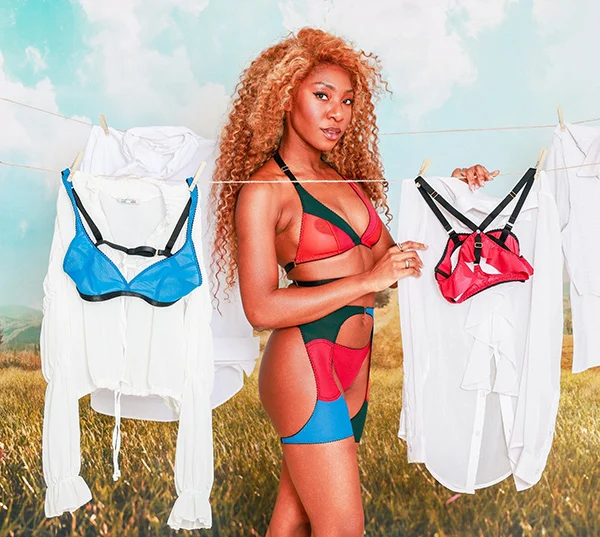
The intersection of sustainability and art is most evident in the brand’s latest release, the Kaleidoscope II range. This collection is a component of a broader design philosophy that utilizes patchwork techniques to assemble garments from panels of contrasting colors. This aesthetic choice is not merely decorative; it is a functional strategy to utilize smaller fabric remnants that might otherwise be wasted, further pushing the brand toward a zero-waste goal.
Neaber cites the influence of Sonia Delaunay, a key figure in the Orphism art movement known for her use of strong colors and geometric shapes, as a primary inspiration for the collection. "I think the Kaleidoscope collection just represents ColieCo really, really well," Neaber stated. "From a creative perspective, it has also been nice for me to flex those muscles within a particular conceptual space and pay tribute to some incredibly important female artists who maybe haven’t received quite as much credit as some of their male counterparts historically."
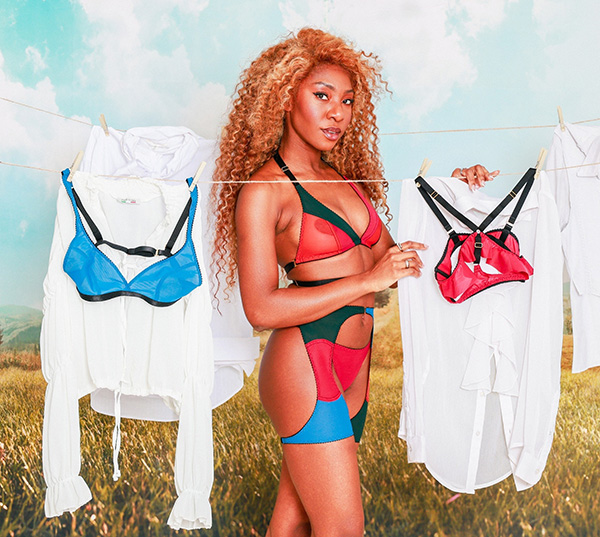
The use of mesh and TENCEL fabrics in bold, patchworked colorways allows the brand to maintain a high-fashion edge while adhering to its environmental mandates. This approach challenges the industry standard where sustainable lines are often visually distinct—and often more muted—than their non-sustainable counterparts.
Economic Strategy: Direct-to-Consumer and Price Accessibility
One of the most significant barriers to the widespread adoption of sustainable fashion is the "green premium"—the higher price point typically associated with ethically produced goods. ColieCo has addressed this challenge by fundamentally restructuring its business model. Several years ago, the brand made the strategic decision to eschew wholesale distribution. By eliminating third-party retailers and the associated markups, ColieCo has been able to keep its pricing competitive with mid-range mainstream brands.
Current pricing for the collection reflects this commitment to accessibility. Lingerie separates start at approximately 20€ ($22.50), while more complex, multi-piece sets, such as the 5-piece Evie set in premium bamboo silk, are priced at 152€ ($171). This pricing strategy is intended to demonstrate that ethical production and high-quality materials can be made available to a broader demographic, rather than being restricted to the luxury market.
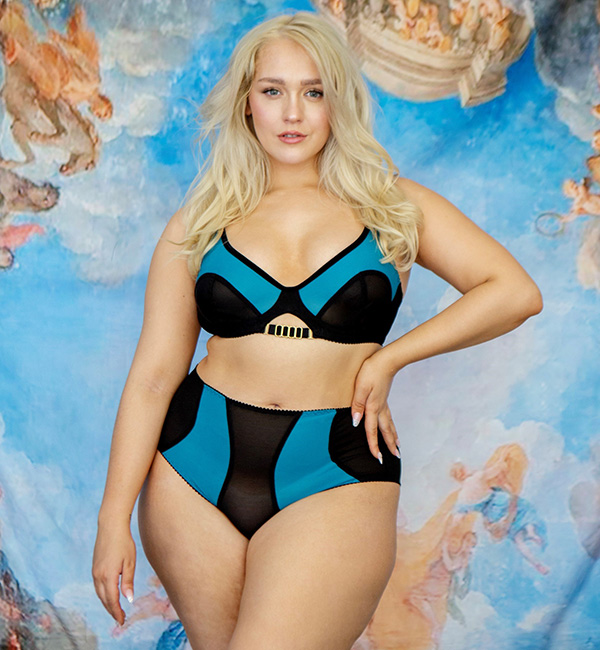
In addition to price accessibility, the brand has prioritized size inclusivity. ColieCo offers a standard size range from XXS to 3XL. Recognizing the diversity of body types, the brand also provides custom sizing options, ensuring that the benefits of sustainable, well-made lingerie are available to all consumers regardless of their proportions.

Broader Impact and Industry Implications
The trajectory of ColieCo reflects a broader shift in the Portuguese textile industry. Historically a hub for low-cost garment manufacturing, Portugal has reinvented itself as a center for high-tech, sustainable textile production in Europe. Labels like ColieCo leverage this local infrastructure to maintain a transparent and ethical supply chain.
As regulatory bodies, particularly in the European Union, move toward stricter "greenwashing" legislation and mandatory sustainability reporting, the model established by ColieCo may serve as a blueprint for the wider industry. The brand’s success suggests that the future of the intimate apparel market lies in the successful integration of three pillars: environmental integrity, bold design, and economic transparency.
By moving beyond the "vanilla" safe space of traditional eco-fashion, ColieCo is not only providing consumers with a more expressive range of choices but is also forcing a conversation about the responsibilities of fashion brands in a resource-constrained world. The brand’s emphasis on durability, repairability, and zero-waste production aligns with the principles of a circular economy, offering a tangible alternative to the linear "take-make-waste" model that has dominated the fashion industry for decades.

As ColieCo continues to expand its reach, the focus remains on the studio in Portugal where the garments are crafted. The brand’s journey from a niche label to a globally recognized sustainable leader underscores a growing consumer demand for products that reflect their values without compromising their personal style. With its unique blend of artistic inspiration, technical innovation, and radical transparency, ColieCo is positioning itself as a transformative force in the evolution of modern intimates.
