
 By Jia Lissa
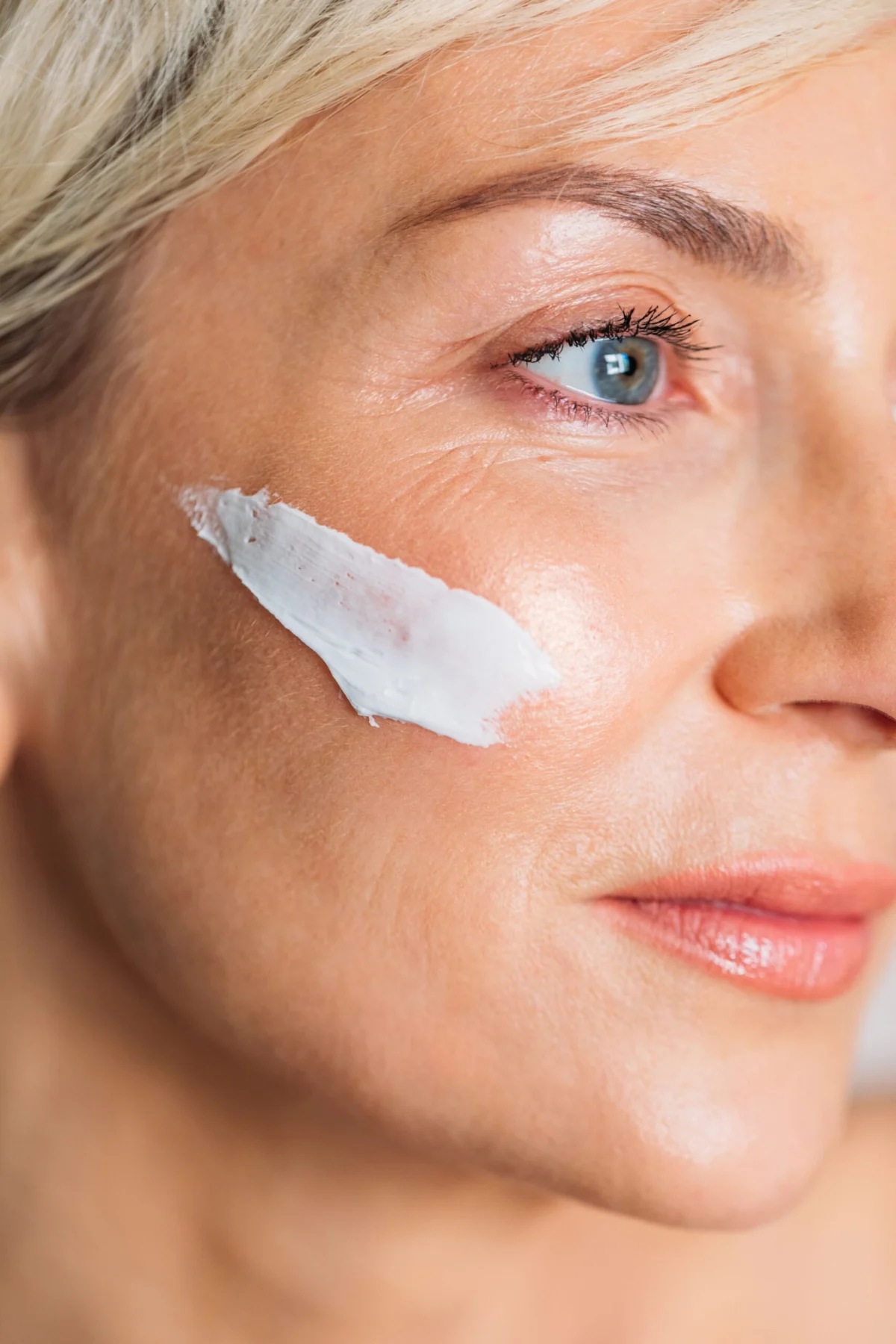
At 45, Keenya Kelly finds herself fielding more compliments on her skin than ever before. Yet, the journey to this glowing complexion was far from smooth. In her thirties, Kelly began experiencing the unsettling symptoms of perimenopause, a transition that dramatically altered her typically oily and plump skin, leaving it, in her words, "almost like a Brillo pad overnight." A friend’s suggestion to try an estrogen-infused moisturizer marked a turning point. For the past year, the Houston-based video marketing strategist has incorporated estrogen cream, purchased from the telehealth platform Musely, into her nightly skincare regimen. "People ask me what I’ve done to my face, and I say, ‘It’s just estrogen,’" she remarks.
The current discourse surrounding perimenopause and menopause has undeniably surged, fostering much-needed awareness and reducing the isolation many women experience during these mid-life years. This increased public literacy has empowered individuals to understand their bodies better and explore various treatment options. However, this growing awareness has also inadvertently opened the door to what some critics describe as a "perimenopause industrial complex"—a burgeoning market capitalizing on these hormonal shifts. A recent report in Wired highlighted the rapid growth of four leading telehealth startups in this sector, which saw a staggering 490% increase in web traffic between 2023 and 2026. Many of these companies operate outside of traditional insurance frameworks, charging upwards of $200 per month for personalized hormone therapies in various forms.
Among the most talked-about treatments are skincare creams containing estrogen, promoted for their purported ability to boost collagen and enhance skin elasticity. These hormone-laced formulations have gained traction through social media, with influencers in the "looksmaxxing" and menopause communities touting their transformative effects. For women born before 1990, a casual scroll through social media might suggest that applying estrogen to the face is a widespread practice. However, in the course of reporting for this article, it proved challenging to find individuals outside of professional content creation who were willing to discuss their personal experiences with these products. This suggests that while the algorithm may amplify these trends, not all women with radiant skin in mid-life have adopted estrogen-infused routines.
For those who have embraced these products, the estrogen used typically falls into two categories: estradiol and estriol. Estradiol is considered the "stronger" form, binding more effectively to estrogen receptors and yielding more potent effects. Estriol, conversely, is the "weaker" counterpart. Vaginal estrogen cream, commonly formulated with 0.01% estradiol, is a well-established and gynecologist-prescribed treatment for vaginal dryness during menopause. Estrogen skincare creams, however, are more often formulated with estriol, typically at a 0.3% concentration, and are combined with conventional skincare ingredients like hyaluronic acid.
The Biological Impact of Estrogen on Skin
Estrogen plays a vital role in numerous bodily functions, extending beyond reproductive health to impact cardiovascular health, bone density, brain function, and, significantly, the skin. Dr. Jacqueline Marecheau, MD, chair of obstetrics and gynecology at Episcopal Health Services in New York City, emphasizes estrogen’s multifaceted influence. Perimenopause, characterized by fluctuating estrogen levels, can therefore trigger a cascade of physical and mental changes, including profound effects on the skin.
On an epidermal level, estrogen is instrumental in maintaining skin thickness and elasticity, contributing to a firm and supple appearance. Board-certified dermatologist Dr. Mona Gohara, an associate clinical professor of dermatology at Yale School of Medicine, explains that estrogen stimulates fibroblasts—the cells responsible for collagen production—and aids in preserving existing collagen. This intricate relationship explains the parallel decline in estrogen and collagen levels. Dr. Emily Lebowitz, MD, a board-certified dermatologist in New York City, notes that collagen levels begin a gradual decrease even before menopause, with a more pronounced drop occurring during perimenopause. By the time menopause is complete, women may have lost as much as 60 to 70 percent of their youthful collagen, according to Dr. Melissa Levin, MD, a dermatologist in New York City. This reduction in estrogen and collagen leads to decreased elasticity, resulting in thinner, looser, and more wrinkled skin. Dryness, as experienced by Keenya Kelly, is another common consequence, as altered skin structure compromises its ability to retain moisture.
This dryness frequently extends to the vaginal area, manifesting as genitourinary syndrome of menopause (GSM). GSM can cause thinning vaginal tissue, dryness, and discomfort during intercourse. The primary treatment for GSM is menopausal hormone therapy (MHT), often referred to as hormone replacement therapy (HRT), which can be administered through patches, pills, or topical vaginal creams. While vaginal and facial skin differ, both possess estrogen receptors, making them susceptible to the hormonal fluctuations of perimenopause and menopause.
Laura Pucker, a 48-year-old content creator and digital marketing professional from Delray Beach, Florida, began noticing significant changes in her facial and neck skin in her early forties as she entered perimenopause. Her typically combination skin became dry and flaky, accompanied by sagging around the jawline and crepiness on her neck. "It got progressively worse as I got [further] into perimenopause," she recounts.
Dr. Corinne Erickson, MD, a board-certified dermatologist, has coined the term "pilocutaneous syndrome of menopause" (PSM) to describe this cluster of hair and skin-related symptoms. She advocates for this framework to help physicians, even those not specializing in menopause, recognize potential early signs of perimenopause and guide patients toward timely treatment. "When you have a name, you have a stronger ability to do research," she states. "You have a framework and a foundation to talk to patients." Dr. Erickson has published her findings on PSM online and submitted them for peer-reviewed publication.
Estrogen facial creams, in theory, could emerge as a treatment option within this evolving medical understanding. The underlying principle is akin to hormone therapy for the skin. The presence of estrogen receptors suggests that topical application of estriol could stimulate collagen production, thereby addressing menopausal skin changes, according to Dr. Viktoryia Kazlouskaya, MD, a board-certified dermatologist and hair loss specialist at Dermatology Circle in New York City. However, she cautions, "in reality, we don’t have that much data yet." Consequently, medical professionals hold divergent views on the safety and efficacy of topical estrogen for managing menopause-related skin concerns.
Navigating the Landscape of Estrogen Skincare: Evidence and Concerns
The burgeoning market for estrogen skincare products is met with two primary, and often conflicting, concerns. The first is the potential for excessive estrogen absorption into the bloodstream, raising questions about systemic safety. The second concern is that the estrogen may not be absorbed at all, rendering the product an expensive and ineffective addition to a skincare routine. Dr. Erickson emphasizes that for individuals not yet experiencing perimenopause, topical estrogen is unlikely to offer benefits, as "the estrogen needs to be replacing something that’s lost for it to have benefit."
While estrogen offers protective effects against conditions like osteoporosis and heart disease, the conversation around hormone therapy is complex. Prolonged or excessive estrogen intake has been linked to an increased risk of breast cancer, although the incidence remains rare and comparable to the risk profiles of other commonly prescribed medications. "There’s still the question of how much absorption is considered safe," notes Dr. Marecheau.
FDA-approved hormone therapies, including estrogen patches, pills, and vaginal creams, are recognized for managing perimenopause and menopause symptoms. Estrogen, classified as a drug by the FDA even when used in cosmetic applications, is not approved for treating wrinkles or other age-related skin conditions. Women currently using estrogen creams often obtain them through compounding pharmacies. However, compounded medications are not FDA-approved and do not undergo pre-market safety testing. A 2025 paper published in the Journal of Cosmetic Dermatology indicated that "peer-reviewed and FDA-reviewed data on [topical estriol cream’s] safety and efficacy in facial applications remain limited."
Hormone therapy typically utilizes estradiol, while many estrogen skincare creams are formulated with the weaker estriol. Dr. Lebowitz suggests that if stronger vaginal creams do not lead to systemic estrogen absorption, weaker facial creams might follow suit. However, she concludes, "the academic answer is we still need more studies."
Unlike FDA-approved hormone therapy products, which have undergone rigorous study to establish appropriate dosages, absorption rates, and systemic estrogen exposure, the exact amount of estrogen absorbed from facial creams remains largely unknown. While most estrogen creams list the percentage of active ingredients (e.g., Musely’s product contains 0.3% estriol), the actual absorption rate into the body is not clearly defined. "We don’t know with the skin creams how much you get," states Dr. Debra Jaliman, MD, a board-certified cosmetic dermatologist in New York City. "That’s concerning because facial skin is the thinnest skin in the body, so it will absorb the estrogen much more than if you put a patch [somewhere else] on your body."
Kelly Dobos, a cosmetic chemist and educator, points out that while a facial cream’s estrogen concentration and form may be weaker, it is applied to a larger surface area than vaginal creams. Given estriol’s molecular weight, its lipophilic nature, and the presence of penetration enhancers in some formulations, Dobos believes it is likely that estriol can penetrate the skin barrier. However, she adds, improper storage, such as exposure to heat and light or poorly sealed containers, can degrade these ingredients.
In the absence of established research, there is no official dosage for estrogen cream. Applying larger quantities, using it on thinner skin areas like around the eyes, or employing it over extended periods could inadvertently increase the risk of systemic estrogen exposure. Dr. Jaliman reports fielding questions about estrogen skin cream from several patients weekly but refrains from prescribing it due to her concerns about the risk profile.
Cottonball, a new telehealth skincare brand, initially offered a cream with 0.3% estriol to customers reporting perimenopause and menopause-related concerns. Following outreach for this story, a company spokesperson indicated that after reviewing recent findings on systemic absorption risks, they decided to reformulate their VX.3 product with input from dermatologists, chemists, and gynecologists, aiming to ensure both safety and efficacy before relaunching.
Efficacy and Alternatives: A Complex Equation
The efficacy of estrogen skincare creams is another significant point of debate. User experiences vary widely: Kelly reports a transformative effect on her skin, while Pucker observed no noticeable results after two months of daily use and discontinued the product. Even paid endorsements from influencers often offer measured feedback, citing benefits like reduced skin reactivity and improved hydration. Scientific research on estrogen facial creams is considerably more reserved. Dr. Kazlouskaya notes, "There are small studies that potentially confirm the idea that there may be improved collagen synthesis, but this is all studied under the microscope. In real life, it’s not clear if it projects into cosmetic improvement."
Monica Molenaar, founder of Alloy, a telehealth company specializing in hormone therapy for women in perimenopause and menopause, is a vocal advocate for estrogen’s benefits. Alloy emerged as a frequent advertiser on social media platforms promoting estrogen skincare. Dr. Erickson serves as a medical advisor for Alloy. Molenaar expresses frustration with prevailing safety concerns, asserting that critics often lack a comprehensive understanding of estrogen’s mechanisms and existing data. Alloy commissioned a study comparing its 0.3% estriol cream, a 0.01% estradiol cream, and a placebo, examining efficacy and potential increases in blood estrogen levels.
The Alloy study, pending journal publication, concluded that their estriol-based cream improves facial moisture, restores elasticity, and rebuilds collagen, claiming "clinically proven to improve firmness, bounce, and texture in 12 weeks—with 88% improvement in elasticity." Notably, the study found no statistically significant change in blood estriol levels from baseline to week 12. A slight increase in estradiol levels was observed, which Alloy attributed to a laboratory error.
Other companies make similar claims for their estriol creams. However, distinguishing the effects of estrogen from those of well-established moisturizing and plumping ingredients like hyaluronic acid or glycerin remains a challenge. Cosmetic chemist Kelly Dobos suggests, "I think it’s the other ingredients that are really doing the work, and not necessarily the estrogen, until we have a better clue of if it’s penetrating the skin a sufficient amount." She reviewed the Alloy study, finding its efficacy results "not incredibly impressive" but viewed the lack of elevated blood estriol or estradiol levels as "a positive, if we don’t want elevated levels of those compounds in the bloodstream."
Chalene Johnson, a 57-year-old podcaster, initially applied her vaginal estrogen cream to her face but found its texture unsuitable for makeup. Her primary care physician recommended a specialized facial product from a compounding pharmacy, which she has used for over six months with positive results. Johnson finds the product affordable and straightforward, noticing that her skin "looks younger." She acknowledges, however, that it’s difficult to attribute these changes solely to the cream, as she also quit drinking around the same time, a lifestyle change known for its positive impact on skin health.
Even if proven safe and effective, estrogen cream, like any skincare product, is not universally suitable. Dr. Justine Park, MD, a board-certified pediatric and cosmetic dermatologist, prescribes estrogen skin cream sparingly, typically to patients over 40 and never to those with a history of breast cancer. She also cautions against its use for individuals with acne, melasma, or rosacea, as estrogen can exacerbate these conditions. Dr. Kazlouskaya adds that estrogen can affect blood vessels, potentially increasing flushing.
The Path Forward: Informed Choices for Perimenopausal Skin
Currently, research on the safety and efficacy of estrogen skincare creams lags behind that of other hormone therapies. Among the physicians interviewed for this article, only Dr. Erickson and Dr. Park currently prescribe these creams. However, a spectrum of well-researched options exists to address age-related skin changes during and after perimenopause. Traditional hormone therapy, with its FDA-approved status and extensive study of risks and benefits, remains a primary option for many.
Dr. Erickson highlights the availability of numerous "non-hormonal options that don’t raise a red flag at all." Topical treatments such as retinoids, peptides, and vitamin C have a long history of proven safety and effectiveness. "There are so many things that make the skin look better," states Dr. Jaliman. "It’s not [estrogen] or nothing." The Cottonball spokesperson notes that even during their soft launch, customers in the perimenopause/menopause age range predominantly selected their V1.X product, containing ingredients like tretinoin, bakuchiol, and niacinamide, over the estriol-infused VX.3. Dr. Park recommends over-the-counter products like Neutrogena Collagen Boost Cream, which utilizes micro-peptides and bakuchiol, as an accessible option for targeting collagen decline. She also endorses well-established retinoids, such as retinol and retinal, and prescription-strength tretinoin, as highly effective for strengthening and thickening the skin.
The perimenopausal journey can feel unpredictable, a sensation amplified by algorithmic trends. Before adopting potentially ineffective or even detrimental products, consulting with a medical professional, ideally a specialist in hormonal health, is crucial. While doctor-approved treatments that improve well-being should be embraced, it is essential to remember that market saturation does not always equate to value.
