
 By Jia Lissa
Living with psoriasis, a chronic autoimmune condition affecting the skin, does not necessitate a complete overhaul of one’s skincare or scalp-care routine. Understanding the underlying cause of psoriasis—immune system dysfunction rather than external irritants—is crucial. This means many topical products can be used safely, provided they do not cause direct skin damage. However, certain potent ingredients or harsh application methods can potentially provoke flare-ups.
A significant factor contributing to psoriasis flare-ups is the Koebner phenomenon. Dermatologists define this as a localized trauma to the skin stimulating the immune system to develop psoriasis in the previously unaffected or "healthy" skin. This phenomenon can lead to the appearance of new psoriatic plaques in areas where no visible psoriasis existed before. While not every individual with psoriasis experiences the Koebner phenomenon, research suggests it occurs in approximately 25% to 30% of patients. Those who have observed new lesions appearing after a cut, scratch, or sunburn are likely to be susceptible to this response.
Even for individuals not experiencing the Koebner phenomenon, applying potentially irritating products to existing psoriatic lesions can exacerbate a current flare-up. Sensitivity to specific ingredients can trigger irritation, which in turn can lead to a psoriasis flare. This underscores the importance of performing a patch test with any new product to gauge its potential to cause a reaction.
The risk of adverse reactions from topical products is significantly influenced by the overall control of an individual’s psoriasis. For patients whose condition is well-managed through medication or other treatments, the skin is less prone to react to minor insults. However, for those whose psoriasis is not yet effectively controlled, the skin is already "primed to react," and even mild trauma from a product can trigger new plaque formation. While systemic treatments like biologics can substantially reduce this risk, it is rarely eliminated entirely. Therefore, identifying products that may irritate the skin during a flare, and those that could provoke issues even when the skin is clear, is paramount.
Hydration is a cornerstone of skincare for individuals with psoriasis. Maintaining well-hydrated skin can help soften existing plaques, improving both their appearance and associated discomfort. When considering the introduction of new skincare ingredients, or even pursuing lifestyle choices like new tattoos or hair color, understanding potential triggers is essential.
Understanding Potent Skincare Ingredients and Their Impact
High Concentration Skin Care Acids
Dermatologists consistently highlight alpha-hydroxy acids (AHAs) and beta-hydroxy acids (BHAs), including glycolic, lactic, mandelic, and L-ascorbic acids, as ingredients requiring careful consideration for individuals with psoriasis. These acids work by breaking down the bonds between dead skin cells, facilitating exfoliation. However, in high concentrations, or when applied to already inflamed skin, they can penetrate deeper than intended, causing injury. This can either initiate the Koebner phenomenon or worsen existing flare-ups.
While individual tolerance varies, dermatologists often recommend specific concentration limits for these acids in leave-on products for psoriasis patients. For instance, glycolic acid concentrations of 5% or less, lactic acid at 8% or less, and mandelic acid up to 10% are generally considered safer. Similarly, L-ascorbic acid, the most potent form of Vitamin C, is advised against in concentrations of 15% or higher due to its potential for significant irritation.
Salicylic Acid: A Nuanced Approach
An exception among skincare acids is salicylic acid. When paired with moisturizing ingredients, it can be beneficial in managing psoriasis symptoms. Salicylic acid’s ability to break down scales can improve the appearance of plaques and, importantly, enhance the penetration of commonly prescribed topical psoriasis treatments. These treatments, such as corticosteroids, vitamin D analogues (like calcipotriene), and other anti-inflammatory agents, are more effective when they can reach the underlying skin layers. For over-the-counter products, a 2% concentration of salicylic acid is generally considered safe for most patients.
Chemical Peels and Their Risks
The caution surrounding high-concentration acids extends to chemical peels, which often combine these ingredients at potent levels. By their nature, chemical peels are designed to disrupt the skin barrier to promote exfoliation. For individuals with psoriasis, this controlled damage can inadvertently trigger or worsen flare-ups. Medium-depth and deep chemical peels, in particular, should be approached with extreme caution. However, for patients whose psoriasis is well-controlled with systemic treatments like biologics, the risk associated with these procedures may be somewhat mitigated, though still present.
Physical Exfoliation and In-Office Treatments
Physical Exfoliants: A Double-Edged Sword
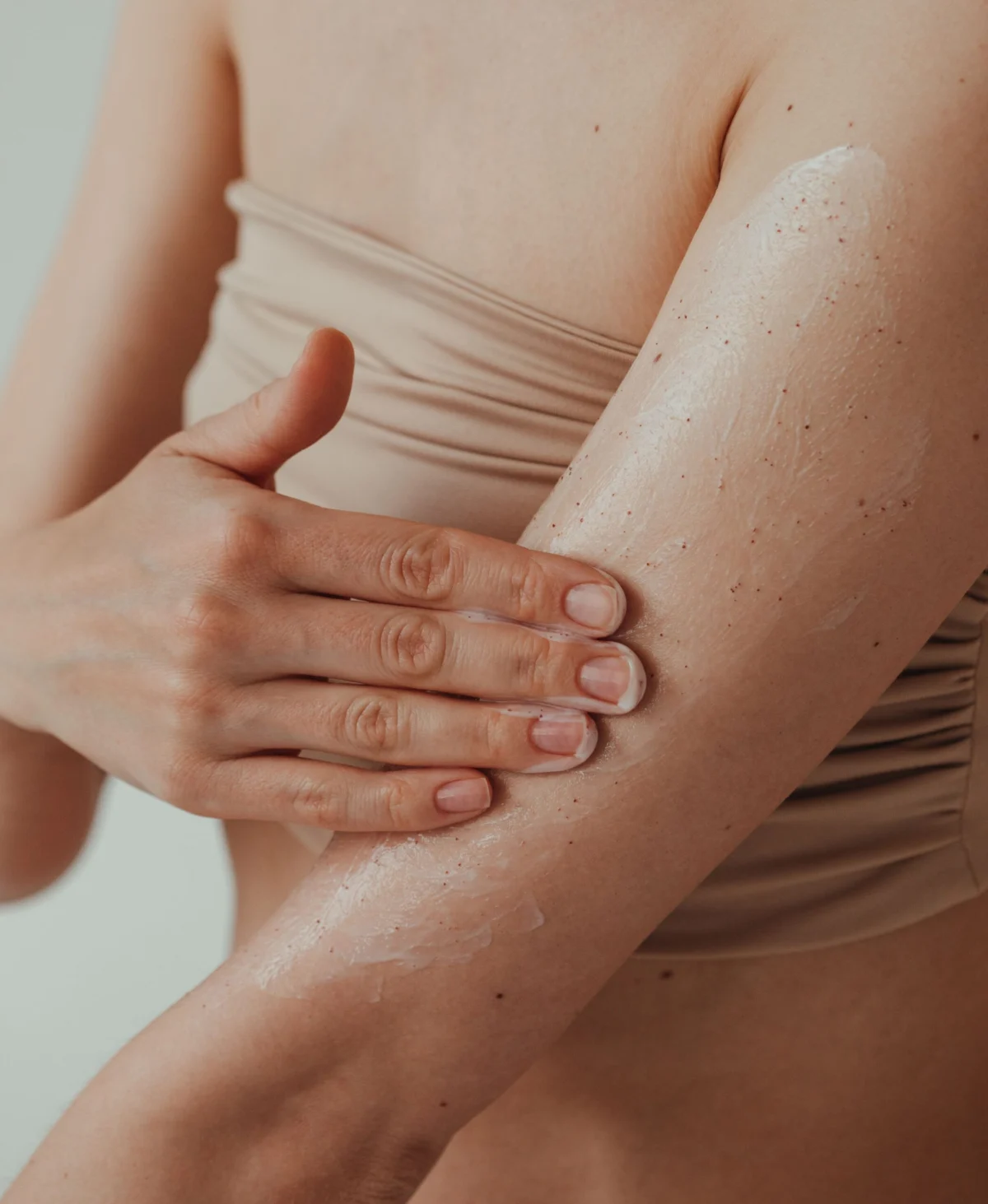
Many individuals with psoriasis believe that vigorous exfoliation is necessary to remove scales. This often leads to the use of harsh physical exfoliants like those containing crushed nuts or seeds, or aggressive scrubbing with loofahs. While these methods might offer temporary scale removal, the micro-tears and abrasions they cause can exacerbate psoriasis or trigger new lesions. The key is to avoid any practice that inflicts trauma on the skin.
Abrasive In-Office Treatments
Stronger in-office procedures that involve physically altering the skin’s surface, such as microneedling and certain laser treatments, also pose risks for psoriasis patients. These treatments, akin to using sandpaper on the skin, can create micro-trauma. As with topical exfoliants, the risk is higher for individuals experiencing active flares. However, some laser treatments, like excimer lasers, have demonstrated effectiveness in treating specific psoriasis symptoms, such as redness, when administered by trained professionals.
Cleansing and Moisturizing: Building a Gentle Foundation
Strong Surfactants and Compromised Skin Barriers
Maintaining skin hydration is a primary goal for psoriasis management. Consequently, the use of intense cleansers that strip the skin of its natural oils can be detrimental. Surfactants, particularly harsh ones like sodium lauryl sulfate (SLS), can strip away essential lipids and ceramides, impairing the skin’s protective barrier. Cleansers that produce excessive lather, often indicative of high surfactant content, should be avoided. Opting for gentle, hydrating cleansers that preserve the skin’s natural moisture barrier, such as those containing moisturizing ingredients, is recommended.
Fragrance and "Unscented" Products: Navigating Label Nuances
Fragrance in skincare products can be a double-edged sword for individuals with psoriasis. While some may tolerate scented products without issue, others can experience flare-ups triggered by fragrance compounds. A more nuanced concern arises with "unscented" products. Often, the absence of scent is achieved by adding chemicals to mask odors, and these masking agents can be irritants for sensitive psoriatic skin. Therefore, it is generally advised to seek out products labeled "fragrance-free," which indicates the absence of added fragrances rather than masked scents.
Pure Essential Oils: A Natural Misconception
The assumption that all-natural ingredients are inherently gentler can be misleading for psoriasis patients. Certain natural compounds, including pure essential oils like tea tree oil, peppermint oil, menthol, and witch hazel, can be highly inflammatory. These ingredients can trigger an immune response on the skin, potentially leading to psoriasis flare-ups. The cooling or tingling sensation sometimes associated with these ingredients, while perceived as soothing, can actually exacerbate inflammation in psoriatic skin.
Lightweight Moisturizers vs. Rich Formulations
While any moisturizer is preferable to none for managing psoriasis, the formulation matters. Lightweight lotions often contain alcohol to achieve a thinner consistency, which can further dry out already compromised psoriatic skin. Dermatologists recommend opting for richer creams that contain a more substantial lipid profile. Products that do not come in pump dispensers are often a good indicator of a thicker, more emollient formula that is less likely to contain thinning agents like alcohol.
Lifestyle Choices and Psoriasis: Hair Dye and Tattoos
Hair Dyes: Potential Allergic Reactions
Certain ingredients found in hair dyes, such as para-phenylenediamine (PPD), can trigger allergic reactions. For individuals without psoriasis, such a reaction might result in temporary skin irritation. However, in a psoriasis patient, an allergic reaction can ignite a significant inflammatory response, leading to increased psoriasis activity and making the condition more challenging to manage.
Tattoos: The Risk of Physical Trauma and Ink Reactions
The act of tattooing itself involves repeated needle punctures, creating micro-trauma to the skin. For individuals susceptible to the Koebner phenomenon, this trauma can directly trigger new psoriatic lesions. Furthermore, tattoo inks can also cause allergic reactions, contributing to inflammation. While this poses a risk, it does not mean everyone with psoriasis must forgo tattoos. Effective management of psoriasis through injectable or oral medications can significantly subdue the immune system’s dysregulated response, thereby reducing the likelihood of inflammatory reactions to tattoos.
The Importance of Dermatological Consultation
Ultimately, the most critical step in managing psoriasis and navigating the risks associated with various products and procedures is to achieve control over the condition. Consulting with a dermatologist is essential for developing a personalized treatment plan. A dermatologist can help identify specific triggers and sensitivities, even when psoriasis is well-controlled. Once the condition is effectively managed, individuals generally have more latitude in their skincare and lifestyle choices, though always with the recommendation to perform patch tests before introducing new products or undergoing new treatments. This proactive approach ensures that skincare and lifestyle choices support, rather than hinder, the well-being of those living with psoriasis.
