
 By admin
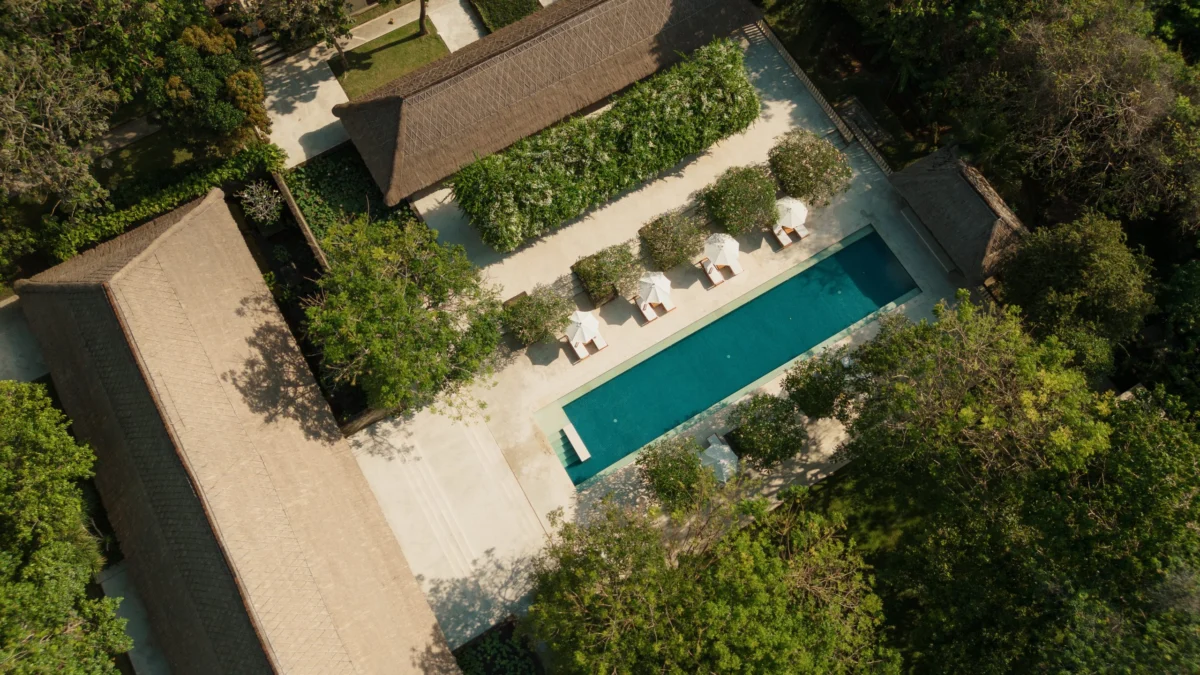
The global wellness economy, currently valued at approximately $5.6 trillion according to the Global Wellness Institute, is undergoing a profound transformation. Luxury is no longer defined by mere indulgence or passive pampering; instead, it has evolved into a considered pursuit of longevity, metabolic health, and cognitive restoration. This shift represents a transition from "wellness as an escape" to "wellness as a foundation," where the modern connoisseur seeks to integrate restorative practices into the fabric of everyday life. From the hyperbaric chambers of Singapore to the ancient herbal traditions of Yogyakarta, the hospitality industry is responding with a sophisticated blend of data-driven science and ancestral knowledge.
The Cultural Foundation: Javanese Traditions and the Heritage of Nourishment
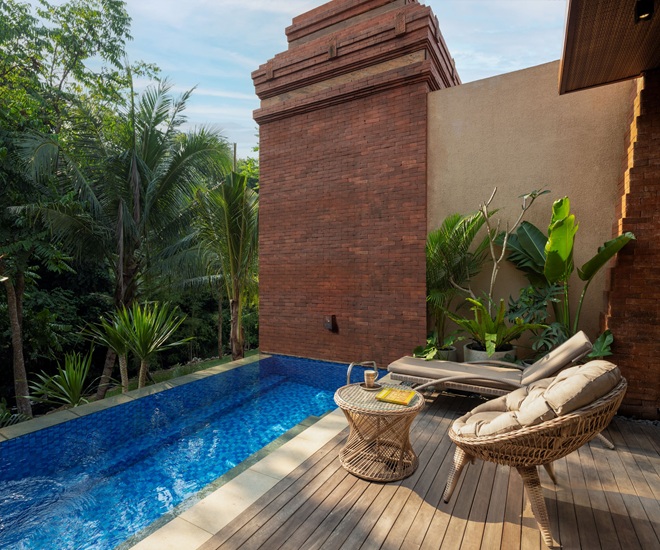
At the forefront of this movement is a return to localized, indigenous wisdom. In Yogyakarta, Indonesia, the Garrya Bianti—a Banyan Tree-owned property featuring 24 private villas—has positioned itself as a sanctuary for those seeking to reconnect with traditional Javanese healing. The centerpiece of their offering is the Javanese Herb Making Session, which focuses on the preparation of jamu, a traditional Indonesian herbal medicine that dates back over 1,300 years to the Mataram Kingdom.
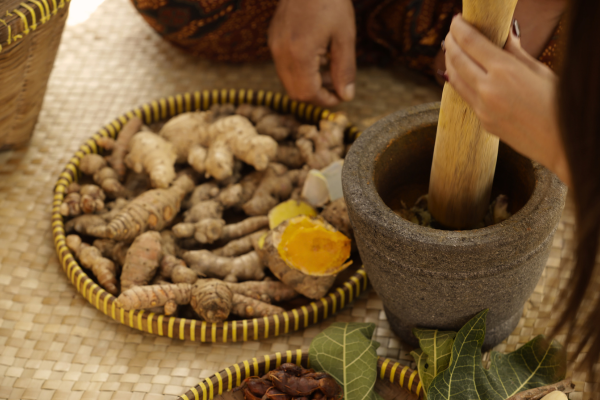
The process is tactile and sensory: ginger is sliced, lemongrass is bruised, and turmeric is crushed to release curcumin, an active compound widely recognized in modern pharmacology for its anti-inflammatory properties. Working alongside local herbalists from the Sleman region, guests learn that nourishment is a cultural dialogue. This hands-on engagement reflects a broader trend in luxury travel where "experience" is replaced by "education." By understanding the heritage behind these recipes, the traveler gains a tool for self-care that extends beyond the duration of their stay. The property’s 8lements Spa further bridges this gap, offering "Deep Body Works" and "Thai Stretch" alongside sound healing sessions that utilize the resonance of traditional Javanese instruments to induce meditative states.
Nutritional Intelligence: Moving Beyond Restrictive Diets
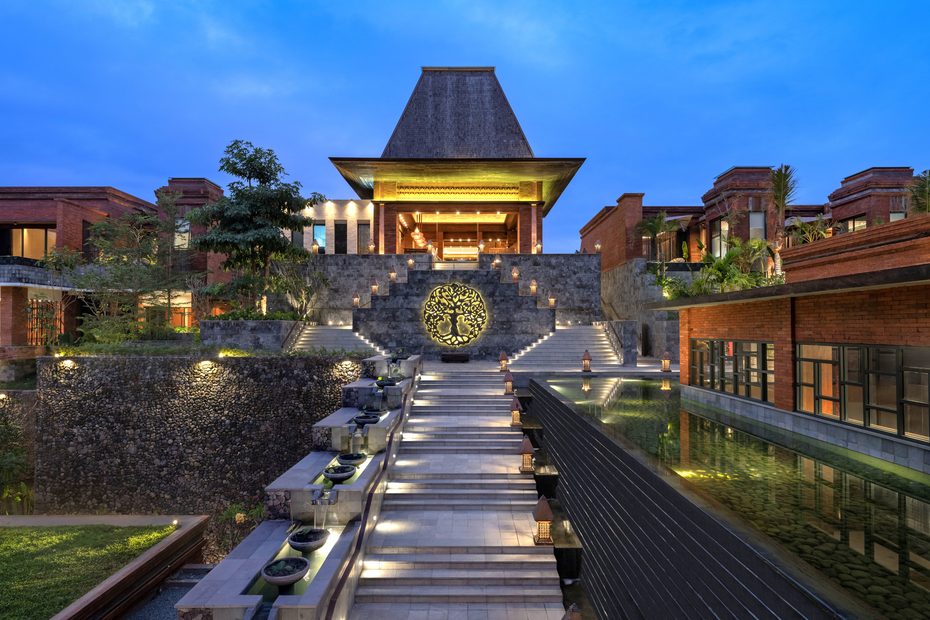
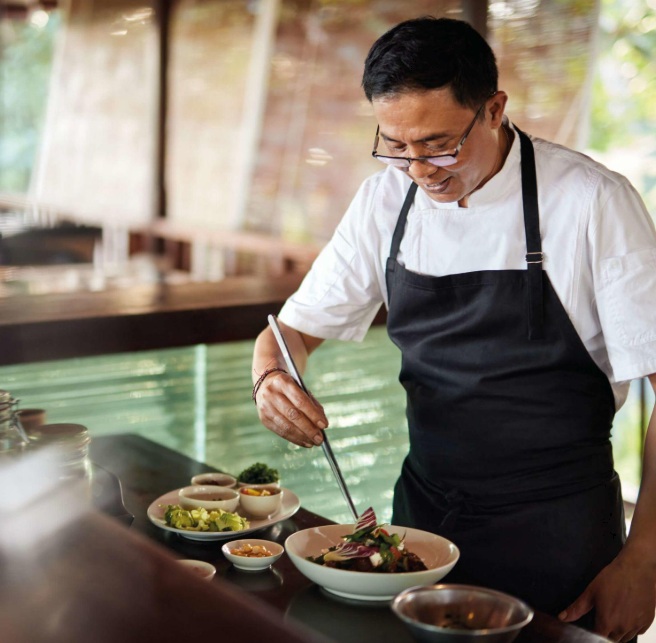
In the realm of nourishment, the philosophy of "eating well" is being rewritten. At COMO Shambhala Estate in Bali, the focus has shifted from calorie restriction to nutritional density and digestive health. The COMO Shambhala Kitchen operates on the principle that food should be both functional and pleasurable. At the estate’s signature restaurant, Glow, the menu prioritizes whole foods and wild-caught proteins, such as salmon paired with aubergine purée and pomegranate tabbouleh.
The "Nourish to Glow" wellness path exemplifies the personalization now expected in the luxury sector. Guests undergo nutritional guidance to develop individual eating plans that are reinforced through cooking classes and movement sessions. This approach addresses a growing demand for "nutritional intelligence"—the ability of an individual to understand how specific ingredients impact their energy levels and inflammatory markers. By integrating traditional Indonesian cuisine at Kudus House with modern nutritional science, the estate demonstrates that the art of living well is a balance of cultural appreciation and biological optimization.
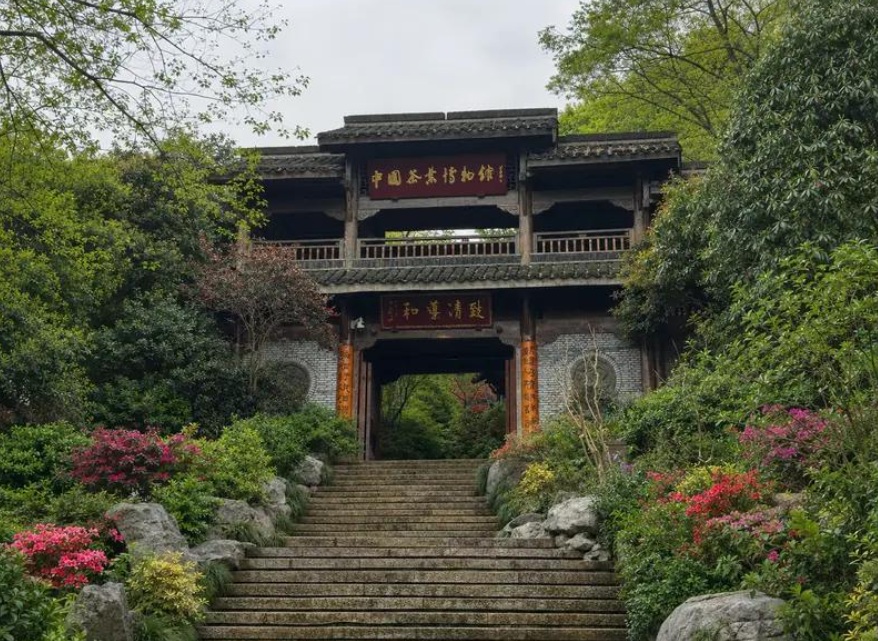
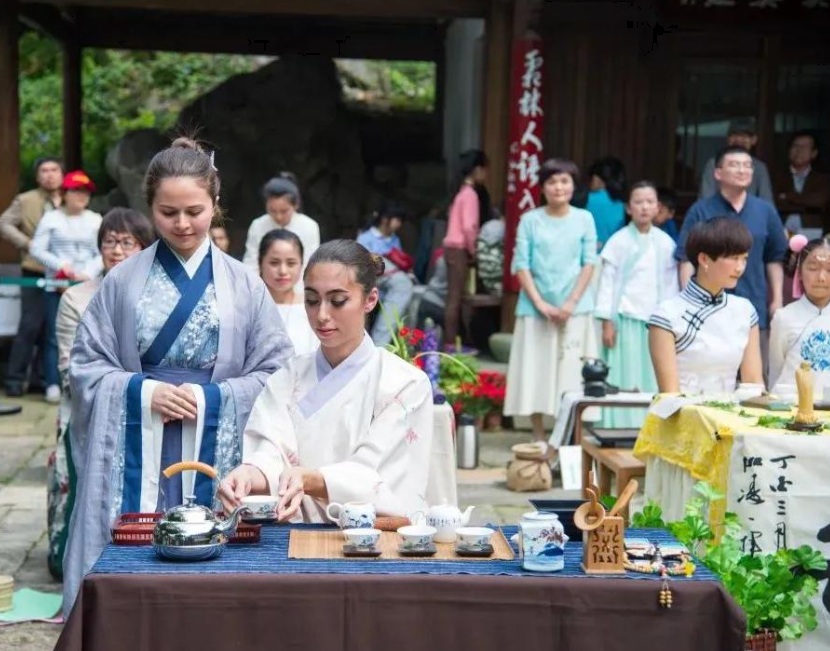
Similarly, in Hangzhou, China, the appreciation of nourishment takes a more ceremonial form. At the China National Tea Museum, the focus is on the cultivation and craftsmanship of Longjing (Dragon Well) green tea. For the connoisseur, tea is not merely a beverage but a complex phytochemical delivery system. The museum provides a chronology of tea’s history, tracing its evolution from a medicinal forest plant to a cornerstone of Chinese philosophy. Understanding the nuances of oxidation, water temperature, and brewing rituals encourages a "measured pleasure"—a psychological counterweight to the rapid pace of modern digital life.
The Longevity Revolution: Precision Medicine and Cellular Renewal
As the average global life expectancy continues to rise, the luxury wellness market has pivoted toward "longevity science." This sector focuses on extending the "healthspan"—the period of life spent in good health—rather than just the lifespan. REVĪVŌ Wellness Resort in Bali has become a primary destination for this pursuit, offering five redesigned Signature Vitality Programmes developed in collaboration with the longevity consultancy Younger by Science.
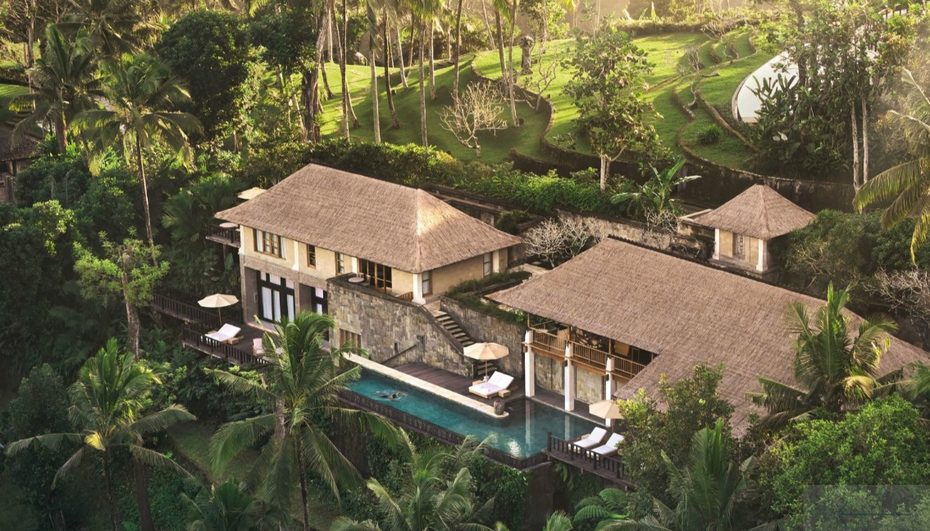
These programs utilize precision health assessments, including body composition analysis, functional fitness testing, and cardiovascular capacity monitoring. The "Precision Longevity Optimisation" protocol translates these data points into tailored lifestyle changes focused on cellular renewal and metabolic health. Treatments once reserved for elite athletes, such as red-light therapy (photobiomodulation) and guided neuro-relaxation, are now integrated into the guest experience. The broader implication of this trend is the "medicalization of hospitality," where resorts function as proactive health centers, helping guests build sustainable habits that mitigate the risks of age-related decline.
The Architecture of Sleep: Beyond the Eight-Hour Myth
Sleep has emerged as the new status symbol in the wellness world. Research from the McKinsey Global Institute suggests that the sleep health market is growing at a rate of 8% annually, as consumers realize that cognitive performance and emotional regulation are tethered to sleep quality. At Kamalaya Wellness Sanctuary in Koh Samui, Thailand, the Sleep Enhancement programme moves beyond the "eight-hour" metric to address the architecture of rest.
Anna Löfgren, a naturopath at Kamalaya, emphasizes that regularity, continuity, and timing are the true markers of restorative sleep. The sanctuary utilizes a holistic framework that combines Traditional Chinese Medicine (TCM) with modern naturopathy to address the emotional and physical triggers of insomnia. Guests are encouraged to use wearable sleep trackers not as a source of "orthosomnia" (anxiety over sleep data) but as a tool for identifying long-term patterns.
This focus on the sleep environment is echoed by Singapore-founded brand Heveya. Recognizing that the physical environment is a critical determinant of sleep hygiene, Heveya prioritizes natural, breathable materials like organic latex, bamboo, and linen. As a certified B Corporation, the brand also highlights the growing intersection between personal wellness and environmental responsibility. For the modern connoisseur, a mattress is an investment in neurological recovery, and the materials used must align with both comfort and ethical standards.
Integrated Recovery: The New Frontier of Urban Wellness
In urban centers like Singapore, wellness is being integrated into the "bleisure" (business and leisure) travel model. The METT Singapore, located on Fort Canning Hill, features The Longevity Suite by The Madison House. This facility represents the peak of technology-led wellness, offering hyperbaric oxygen therapy (HBOT), cryotherapy, and dry-float therapy.
HBOT, which involves breathing pure oxygen in a pressurized chamber, is increasingly used to accelerate tissue repair and enhance cognitive clarity. Meanwhile, cryotherapy’s exposure to sub-zero temperatures is sought for its ability to reduce systemic inflammation and trigger endorphin release. While the evidence for these therapies is still evolving, their presence in a luxury hotel setting indicates a shift toward "proactive recovery" for high-performing professionals.
Similarly, AiRe Wellness at W Singapore – Sentosa Cove has introduced a five-pillar framework: Recover, Move, Connect, Optimise, and Mindfulness & Sleep. Their facilities include a first-of-its-kind mineral magnesium whirlpool, capitalizing on the transdermal absorption of magnesium to aid muscle relaxation and stress reduction. This integrated approach acknowledges that in a world characterized by constant connectivity, the ability to recover is the ultimate luxury.
Analysis of Implications: The Future of the Wellness Connoisseur
The transition from indulgence to restoration carries significant implications for the global hospitality and healthcare industries. First, there is a clear trend toward "hyper-personalization." Generic spa menus are being replaced by data-driven protocols that require a higher level of staff expertise, including nutritionists, naturopaths, and longevity specialists.
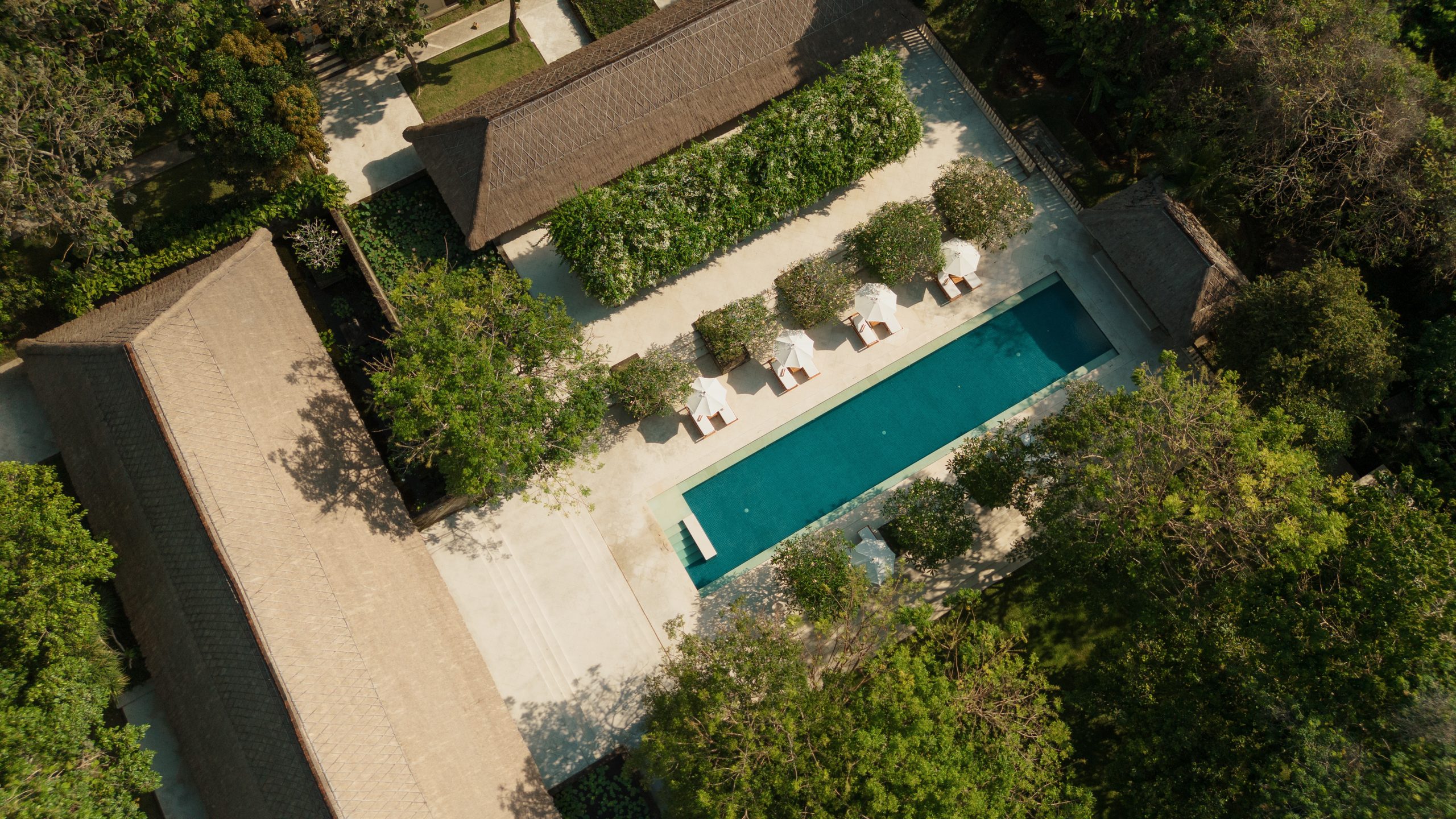
Second, the "connoisseur of wellbeing" is increasingly value-driven. The success of brands like Heveya and resorts like COMO Shambhala suggests that sustainability and cultural authenticity are now inseparable from luxury. Guests are looking for a "return on heart rate" and a "return on health" rather than just a return on investment.
Finally, the blurring lines between clinical science and traditional wisdom suggest a more holistic future for medicine. By validating ancient practices like jamu or tea ceremonies through the lens of modern science, the wellness industry is creating a more accessible and comprehensive model for healthy living.
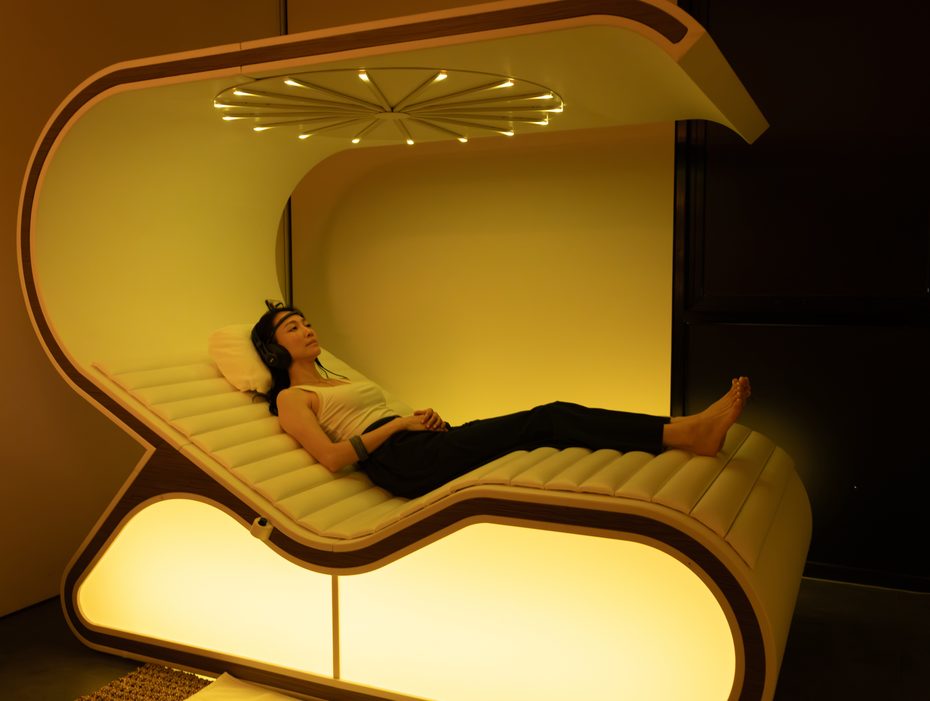
Ultimately, the pursuit of wellbeing is an intellectual and physical journey. It requires an understanding of what nourishes the body, what restores the mind, and what connects the individual to a broader cultural narrative. Whether through a hyperbaric chamber in a bustling city or a quiet herbal session in a verdant Javanese villa, the goal remains the same: to live not just longer, but better. As luxury continues to evolve, the most valuable asset any connoisseur can possess is the knowledge of how to maintain their own vitality in an increasingly complex world.
