
 By admin
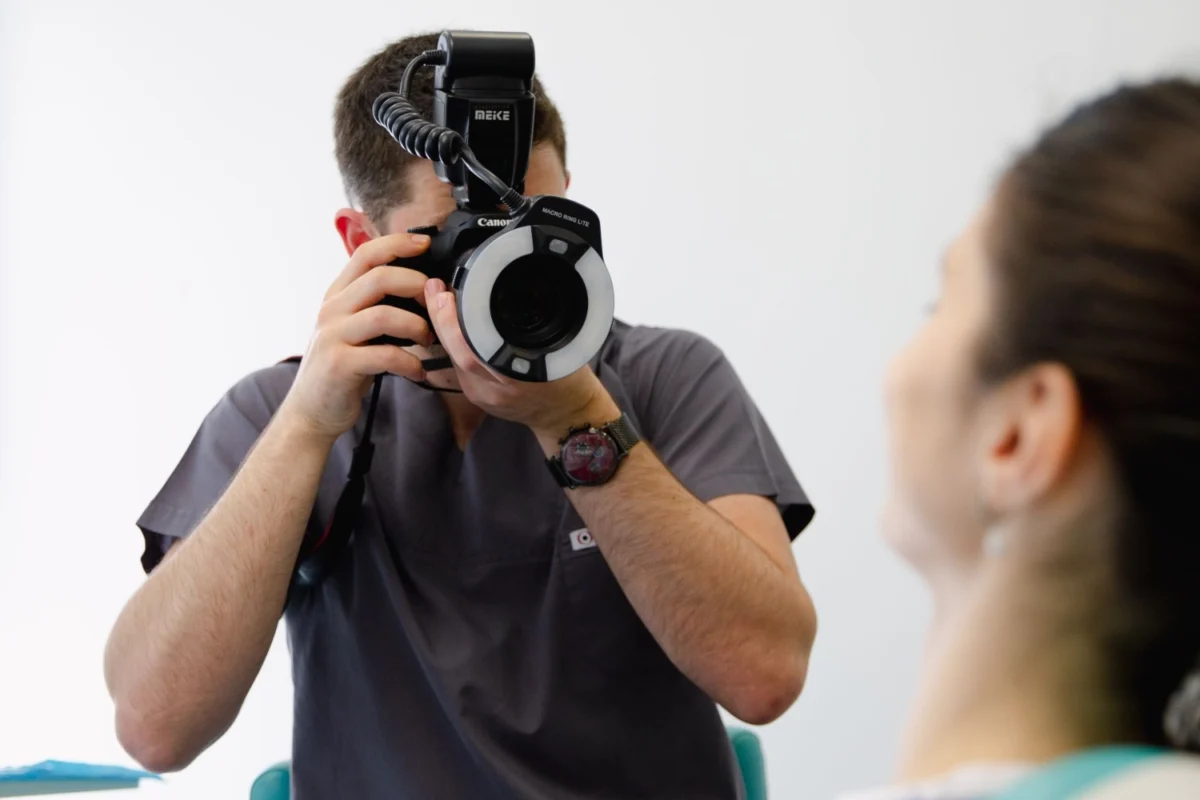
Clinical judgement shapes the quality of aesthetic care, from understanding a patient’s underlying concerns to deciding whether a specific treatment is medically appropriate. As the demand for non-surgical cosmetic interventions continues to rise across Asia, four prominent Singapore-based practitioners—Dr. Chester Lan, Dr. Rachel Ho, Dr. Kevin Chua, and Dr. Iroshini Chua—are advocating for a paradigm shift that prioritizes patient safety, clinical evidence, and the ethics of refusal over the mere fulfillment of aesthetic requests. According to recent data from the International Society of Aesthetic Plastic Surgery (ISAPS) Global Survey, plastic surgeons performed nearly 178,000 non-surgical aesthetic procedures across six key Southeast Asian markets in 2025. In Singapore alone, 11,753 such procedures were recorded, a figure that notably excludes treatments administered by general practitioners and other medical professionals outside the plastic surgery specialty. For patients navigating an increasingly crowded and commercialized market, the ability to assess the expertise behind a medical recommendation has become a vital component of making an informed healthcare choice.
The Consultation as a Diagnostic Gateway
The foundation of quality in aesthetic medicine is not the procedure itself, but the consultation that precedes it. Dr. Rachel Ho, founder of The Skin Longevity Clinic, asserts that quality in this field must be viewed through the lens of healthcare standards rather than retail services. A robust consultation is designed to establish a patient’s primary concerns, manage expectations, and define boundaries, while simultaneously evaluating how their unique anatomy and medical history influence potential outcomes. This diagnostic approach often reveals issues that extend far beyond the dermis.
A poignant example of this clinical vigilance is found in the practice of Dr. Chester Lan at Freia Medical and Freia Aesthetics. He recalls an elderly patient who sought dermal fillers to restore facial volume ahead of a wedding. However, the consultation revealed that her volume loss was the result of unintentional and rapid weight loss. Rather than proceeding with the requested cosmetic treatment, Dr. Lan referred the patient for a comprehensive medical assessment. Following investigations and nutritional intervention, the patient regained her weight and facial fullness naturally, ultimately requiring no filler treatment. This case underscores a critical tenet of professional aesthetics: the most effective treatment is sometimes the one that is not performed.

Similarly, Dr. Kevin Chua and Dr. Iroshini Chua of Dr. Kevin Chua Medical & Aesthetics emphasize the necessity of a holistic review, including a patient’s current medications, existing skincare regimens, and lifestyle habits. Dr. Iroshini recounts a specific instance where a patient seeking aesthetic improvements mentioned feeling generally unwell and noticing weight fluctuations. Her clinical suspicion led to a referral for medical testing, which resulted in a diagnosis of thyroid cancer. Such outcomes reinforce the argument that aesthetic practitioners must remain, first and foremost, medical doctors capable of identifying systemic health issues masked by cosmetic complaints.
The Statistical Context of the Southeast Asian Market
The surge in aesthetic procedures in Singapore is part of a broader regional trend. The 178,000 procedures cited by ISAPS for 2025 reflect a growing middle class and a diminishing social stigma surrounding "tweakments." In Singapore, the regulatory landscape is governed by the Singapore Medical Council (SMC) and the Aesthetic Practice Oversight Committee (APOC). Doctors who wish to perform aesthetic procedures must meet specific competency requirements and, in the case of specialists like dermatologists or plastic surgeons, must be accredited by the Specialists Accreditation Board (SAB).
The prevalence of non-surgical treatments—including botulinum toxin injections, hyaluronic acid fillers, and energy-based devices (lasers)—suggests a shift toward "maintenance-based" beauty. However, the high volume of procedures also increases the risk of "over-treatment" or "filler fatigue," where the pursuit of perfection leads to unnatural results. Industry analysts suggest that as the market matures, the competitive differentiator for clinics will transition from price and technology to the quality of clinical outcomes and patient safety records.
The Ethics of Informed Restraint
One of the most significant markers of quality in aesthetic medicine is "informed restraint"—the clinical decision to decline a procedure. Dr. Kevin Chua notes that he frequently encounters patients focused on minute imperfections visible only under high magnification. In such cases, he argues that the recovery period and potential for scarring or wounding are disproportionate to the benefit. This philosophy extends to trend-driven requests. Dr. Iroshini Chua maintains a firm stance against performing procedures simply because they are popular on social media. "If the patient says it’s a trend and I want to do it, don’t," she advises, highlighting the danger of applying fleeting fashion trends to permanent or semi-permanent medical alterations.

Restraint also manifests as the postponement of care. Dr. Rachel Ho illustrates this with a case where she delayed a planned laser treatment and chemical peel because the patient had recently returned from a holiday with a sunburn. Proceeding would have significantly increased the risk of post-inflammatory hyperpigmentation or scarring. By explaining the "why" behind a refusal or delay, practitioners empower patients to understand the physiological risks involved, fostering a relationship built on trust rather than transaction.
Evidence-Based Practice vs. Marketing Innovation
The aesthetic industry is characterized by rapid technological turnover, with new devices and injectables entering the market annually. However, the four doctors caution that novelty does not always equate to efficacy. Dr. Ho emphasizes the importance of reproducible outcomes supported by high-quality clinical research, specifically peer-reviewed randomized controlled trials (RCTs). She warns that laboratory findings or "in vitro" studies do not always translate to human biology.
Dr. Lan echoes this sentiment, noting that he evaluates products based on safety data, regulatory status (such as FDA or HSA approval), and long-term patient feedback. He has, in the past, discontinued offering certain products when their real-world performance failed to meet the promises of their clinical studies. This rigorous vetting process ensures that patients are not used as "test cases" for unproven technologies. For the discerning patient, quality is found in treatments that have a proven track record of safety and a clear, evidence-based mechanism of action.
Analyzing the Economics of Aesthetics
A common challenge for patients is the significant price disparity between clinics for seemingly identical treatments. However, the practitioners argue that price reflects more than just the product in the syringe. It encompasses the practitioner’s years of experience, the authenticity of the supply chain, the safety protocols in place, and the quality of post-treatment care.
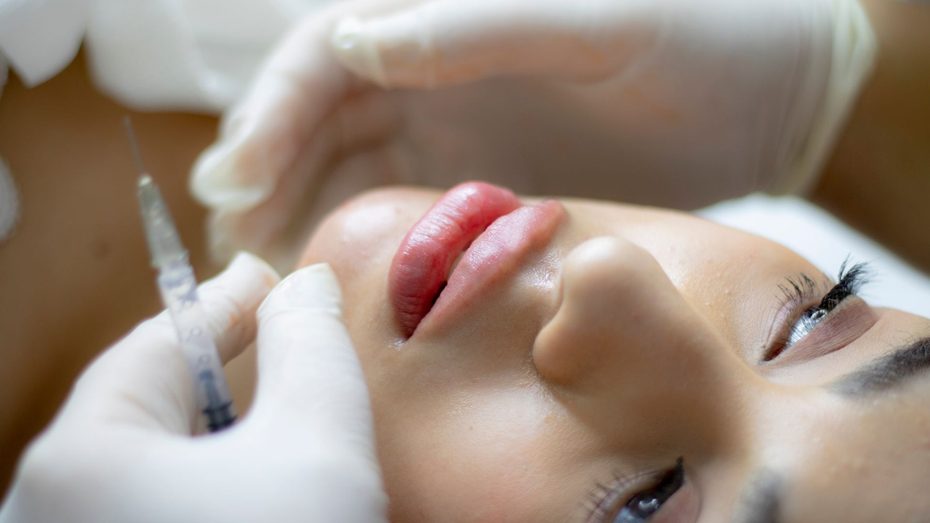
Dr. Kevin Chua points out that in procedures like laser tattoo removal, the technique and experience of the operator are as critical as the machine itself. An inexperienced operator using a high-powered laser can cause permanent skin damage. Similarly, Dr. Lan notes that a higher price often includes the time required for a thorough follow-up, ensuring that any complications are managed promptly. He cautions against "bargain hunting" in medical procedures, as the cost of correcting a poorly executed treatment often far exceeds the initial savings.
Integration of Home Care and Lifestyle
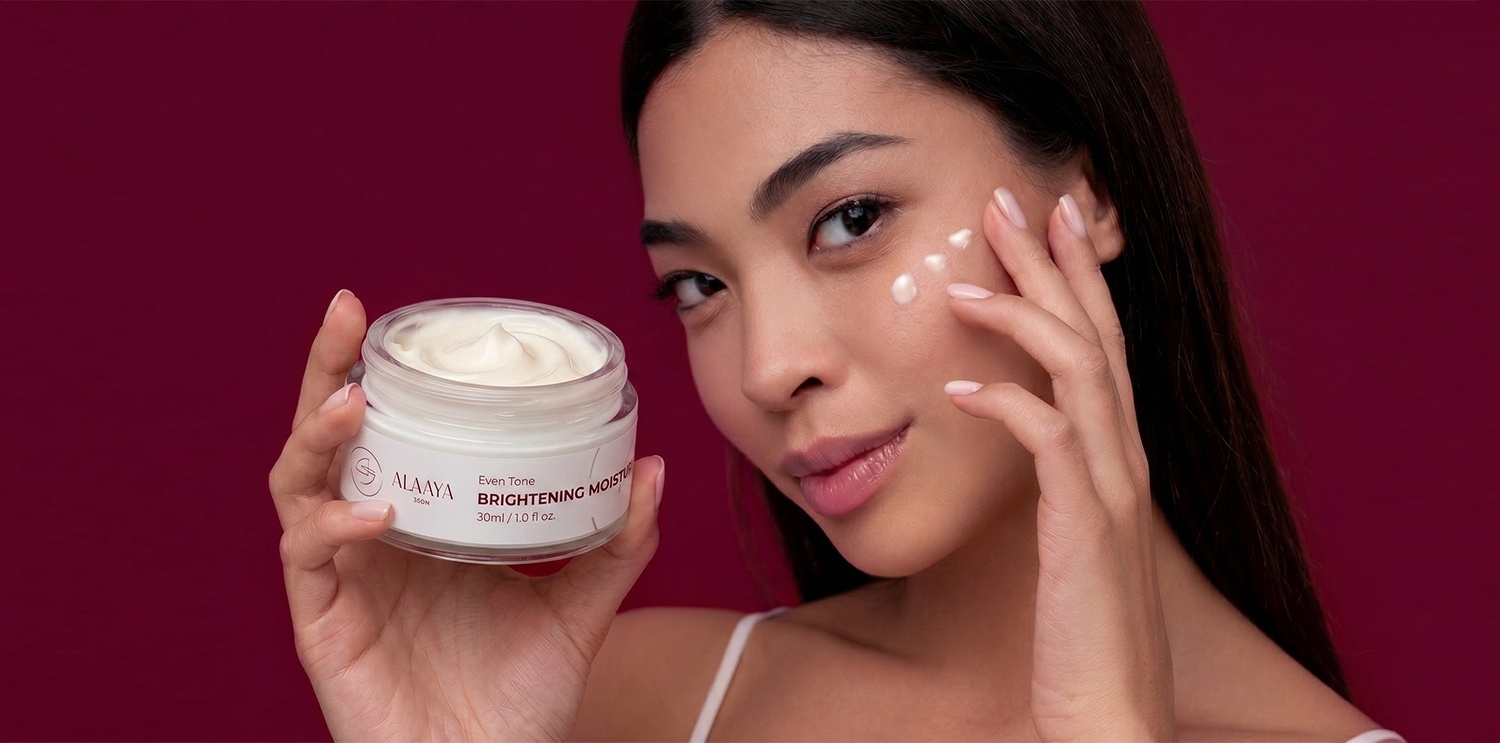
The clinical relationship does not end when the patient leaves the office. Dr. Iroshini Chua emphasizes the importance of simplifying the patient’s "bathroom shelf." A crowded skincare regimen with overlapping active ingredients can lead to skin barrier compromise and irritation. This focus on simplicity and tolerability led Dr. Iroshini and her daughter, Aiyana, to co-found Alaaya Skin. Their Brightening Moisturiser, developed over a year with six iterations in a Korean laboratory, was designed specifically for sensitive skin in tropical climates—a response to the specific environmental challenges faced by patients in Singapore.
Furthermore, a sustainable aesthetic plan must be realistic. Dr. Kevin Chua and Dr. Lan both stress the importance of discussing the time and financial commitments required for maintenance. A patient who cannot commit to the necessary follow-up sessions for a particular laser treatment may be better served by an alternative approach that fits their lifestyle.
Long-Term Implications for the Industry
The insights provided by these four practitioners suggest that the future of Singapore’s aesthetic industry lies in a more medicalized, conservative approach. As the global conversation shifts toward "longevity" and "pre-juvenation," the role of the aesthetic doctor is evolving from a provider of cosmetic changes to a guardian of skin health.
The broader impact of this shift is twofold. First, it raises the bar for practitioner accountability, encouraging a culture where doctors are judged by the longevity and naturalness of their results rather than their social media following. Second, it educates the public to view aesthetic interventions as medical procedures with inherent risks, rather than simple beauty treatments.
Ultimately, success in aesthetic medicine is defined by the patient’s goals and their psychological well-being. Dr. Iroshini Chua observes that a true sign of progress is often seen in a patient’s body language—such as a newfound willingness to be photographed. When clinical judgement is applied with restraint and backed by evidence, the result is not just a change in appearance, but a sustainable improvement in the patient’s quality of life. For the discerning patient, the most valuable expertise is that which helps them choose with confidence, even when the best decision is to wait.
