
 By Jia Lissa
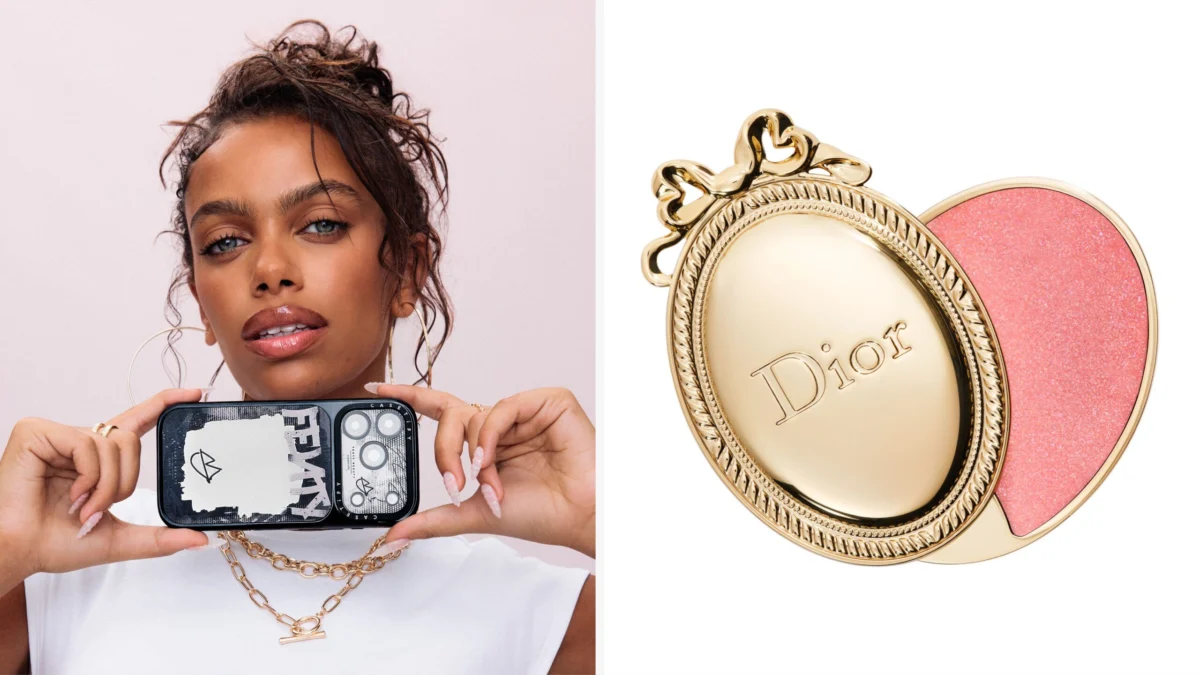
The convergence of beauty and technology has reached a curious, and arguably problematic, zenith with the proliferation of beauty product-integrated phone cases. What began as a seemingly novel concept, exemplified by Hailey Bieber’s Rhode Lip Case, has rapidly devolved into a landscape littered with imitations and conceptually similar products, raising significant concerns about consumerism, waste, and hygiene within the beauty industry.
The Genesis of an Icon: Rhode’s Lip Case Phenomenon
The year 2024 marked a pivotal moment in beauty marketing when Hailey Bieber, through her burgeoning skincare brand Rhode, unveiled the Rhode Lip Case. This innovative silicone accessory, priced at $38, offered a dual function: protecting a smartphone and securely holding a tube of Rhode’s best-selling Peptide Lip Treatment. The product quickly transcended its functional purpose, becoming a cultural signifier, frequently showcased in Bieber’s social media presence and observed in the hands of trend-conscious consumers, particularly in urban centers like Manhattan.
The Rhode Lip Case, launched in February 2024, achieved immediate viral success. Its appeal resonated strongly with a demographic eager to align themselves with influential figures and emerging brands. For many, it was an emblem of loyalty to Rhode and its founder, a tangible connection to a celebrated beauty ethos. The case’s ability to seamlessly integrate a beauty staple with an everyday essential positioned it as a groundbreaking innovation in beauty merchandising, effectively redefining the boundaries of brand extension.
The Ripple Effect: Imitation and the Dilution of Innovation
The immense popularity of the Rhode Lip Case, however, paved the way for a deluge of imitations and derivative products. Within two years of its debut, the market became saturated with knockoffs, particularly from fast-fashion e-commerce platforms like Temu and Shein. These replicas, often available in a wide spectrum of colors, sought to capitalize on the original product’s success, offering more affordable alternatives.
Beyond direct imitations, other brands began exploring the concept of hybrid beauty-tech accessories. Daise Beauty introduced a lip balm holder designed to attach to the back of a phone, functioning akin to a Pop Socket. More recently, luxury houses and established beauty giants have entered the fray. Dior launched a miniature lip balm designed to adhere to the back of a phone, retailing at a premium price point of $95. Charlotte Tilbury followed suit, announcing a similar concept featuring a mini setting powder, offered as a gift with purchase. Fenty Beauty, in collaboration with Casetify, produced a case designed to accommodate both a small powder compact and a mini lip gloss, a design criticized for its bulkiness and impracticality.
These subsequent iterations, while attempting to replicate Rhode’s initial impact, have been met with skepticism. Critics argue that many of these products represent a superficial imitation of innovation, failing to capture the original’s thoughtful integration and instead resulting in clunky, disposable additions to already ubiquitous devices.
The Unseen Costs: Environmental and Hygienic Concerns
The proliferation of these beauty-integrated phone accessories raises significant environmental and hygienic questions. The beauty industry, already a substantial contributor to plastic waste, faces amplified challenges with the introduction of these novel, often short-lived, product categories.
Environmental Footprint: A Growing Mountain of Plastic
The statistics surrounding plastic waste in the beauty and personal care sector are sobering. According to Euromonitor International, in 2018 alone, the United States generated nearly 7.9 billion units of rigid plastic for beauty and personal care products. This figure predates the significant surge in branded accessories like charms, cases, and other merchandise. Projections indicate a continued upward trend, with the global market expected to grow by 5 percent annually until 2030, suggesting that current plastic consumption is likely even higher.
The environmental impact is further compounded by the low recycling rates of plastic. Reports indicate that only about 9 percent of all plastic waste ever produced has been successfully recycled. This means that even if these phone accessories are discarded into recycling bins, their journey to becoming reusable materials is far from guaranteed, contributing to the ever-growing problem of plastic pollution. The ephemeral nature of these trendy accessories, coupled with the inherent difficulty of recycling mixed-material products, exacerbates this environmental burden.
The Hygiene Dilemma: A Breeding Ground for Germs
Beyond the environmental implications, the integration of beauty products with personal electronic devices presents a significant hygiene concern. Scientific studies have consistently highlighted the unsanitary nature of smartphones. A study published in Time nearly a decade ago revealed that cell phones could be ten times dirtier than most toilet seats. Subsequent research, including data from Dscout, indicated that the average cell phone user interacts with their device approximately 2,617 times per day.
The practice of attaching beauty products directly to these germ-laden surfaces, and subsequently applying them to one’s face or lips, raises immediate red flags. The potential for transferring bacteria and other pathogens from the phone’s surface to the skin is substantial. Furthermore, the heat generated by smartphones could compromise the integrity and safety of cosmetic formulations.
An anecdote from Allure associate social media manager Katie Gunderman illustrates this concern. Initially intrigued by a stick-on lip balm accessory, she reported that after a week of regular use, the product’s enclosure became loose, collecting debris. This experience led her to abandon the product, citing hygiene as a primary deterrent.
The Commodification of Convenience and the Erosion of Originality
The rapid adoption and subsequent imitation of the beauty-integrated phone case trend can be viewed through the lens of late-stage capitalism, where every aspect of life is increasingly commodified. These accessories transform personal devices into walking billboards, providing free marketing for brands through user-generated content, particularly in the form of social media mirror selfies.
This trend also fuels a broader discourse about originality in the beauty industry. The glut of similar products suggests a lack of genuine innovation, with brands primarily seeking to capitalize on existing trends rather than introducing truly novel concepts. While personal expression through beauty products is valued, the placement of these items onto devices that are inherently unsanitary and contribute to a culture of disposability is questioned.
Examining the "Original Intent": Rhode’s Case as a Benchmark
While acknowledging the broader contribution of all brands to the beauty industry’s waste problem, the original Rhode Lip Case can be distinguished by a perceived level of intentionality in its design. The product was conceived as a functional integration, allowing for the replenishment of a full-sized product, thereby extending the lifespan of the case itself. This contrasts with some of the later iterations, which appear to be more ad-hoc additions, lacking the same cohesive design philosophy.
The question of practicality also arises. The increasing size and complexity of these accessories raise concerns about their ability to fit comfortably in pockets and bags, potentially leading to further inconvenience and a re-evaluation of their true utility.
Navigating the Future: Towards Sustainable and Sensible Beauty Consumption
The rise and fall of the beauty-integrated phone case trend serves as a microcosm of larger issues within the beauty industry. It highlights the relentless pursuit of novelty and the challenges of balancing consumer desire with environmental responsibility and basic hygiene.
While brands and consumers alike should retain the freedom to express themselves through beauty products, a more mindful approach is warranted. This involves critically evaluating the necessity and long-term impact of such accessories. Prioritizing products with sustainable materials, durable designs, and a clear purpose beyond fleeting trends will be crucial in mitigating the industry’s environmental footprint. Furthermore, a renewed focus on hygiene and the inherent risks associated with combining personal care items with frequently handled electronic devices is essential for consumer well-being.
The discourse surrounding originality in beauty is ongoing, but the current trajectory suggests a need for introspection. Moving forward, the industry and its consumers must collectively consider whether the convenience and perceived aesthetic appeal of such integrated products outweigh their considerable environmental and hygienic drawbacks. The goal should be to foster a beauty landscape that celebrates innovation and self-expression without contributing to a culture of waste and potentially compromising public health.
