
 By Jia Lissa
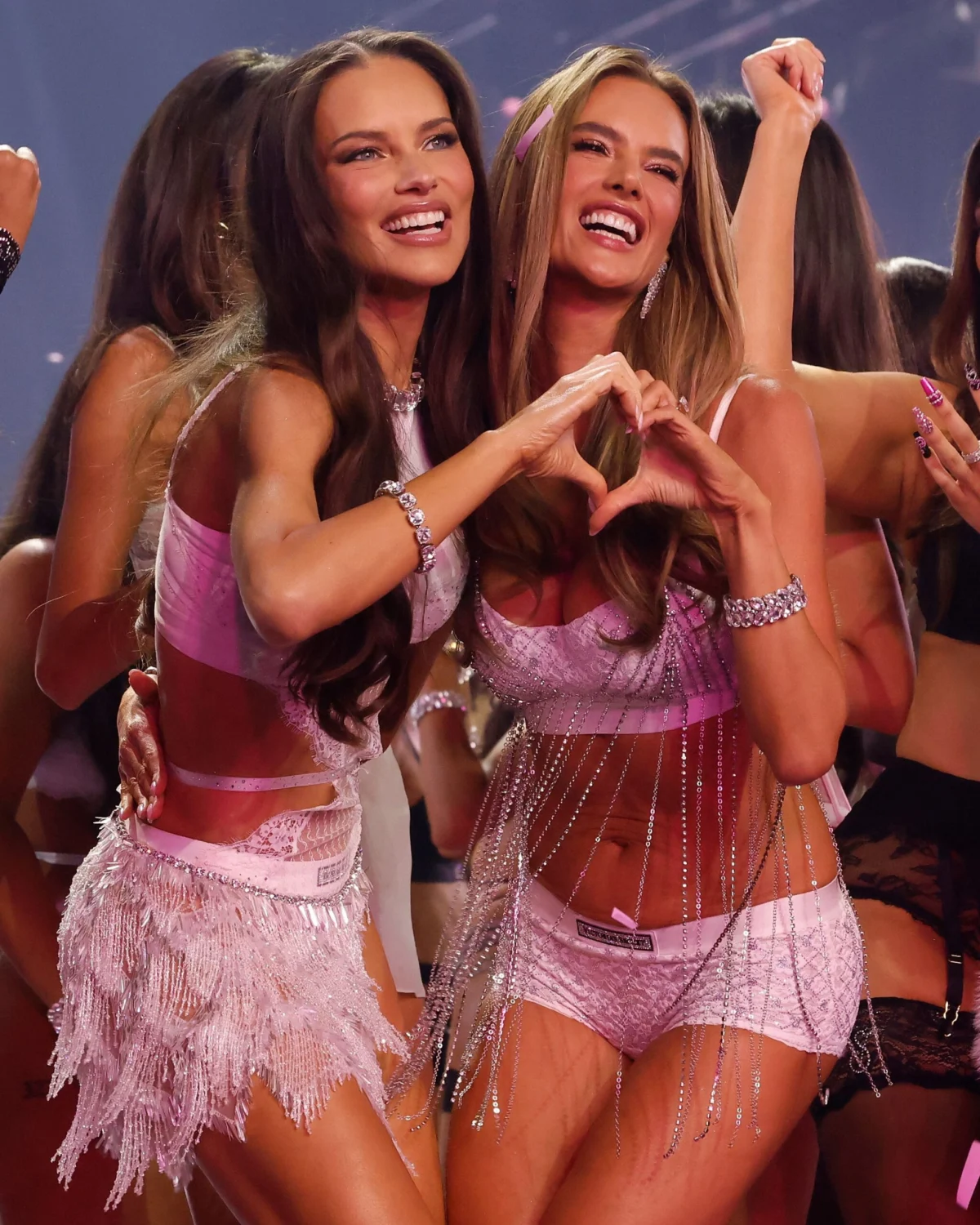
The highly anticipated return of the Victoria’s Secret Fashion Show in 2026 has ignited a fervent debate about body image, inclusivity, and the evolution of fashion as a cultural barometer. While the spectacle aimed to recapture its former glory, the event has inadvertently amplified ongoing conversations about the industry’s portrayal of women’s bodies, prompting a critical examination of its messaging in an era increasingly defined by body positivity and diverse representation.
A Nostalgic Spectacle Meets Modern Scrutiny
For years, the Victoria’s Secret Fashion Show was a global phenomenon, synonymous with a very specific, often unattainable, ideal of female beauty. The "Angels," adorned with elaborate wings and lingerie, walked a runway that became a shrine to a singular aesthetic. However, the show’s cancellation in 2018 marked a significant cultural pivot. This hiatus was largely attributed to growing public criticism regarding the brand’s perceived lack of diversity and its association with a culture that promoted unrealistic body standards, contributing to disordered eating and body dissatisfaction. The #MeToo movement also cast a long shadow, raising questions about the exploitation of women’s bodies for entertainment and the industry’s complicity in perpetuating harmful narratives.
The 2026 iteration of the show, therefore, carried immense pressure to demonstrate a significant evolution. Reports from attendees and viewers suggest that while the production values remained high, the underlying message has been a subject of intense debate. The author’s personal account, though subjective, highlights a sentiment that the show may not have fully embraced the inclusivity that has become a hallmark of contemporary fashion discourse. The observation that "body positivity was a limited time offer" suggests a perceived regression from the more progressive ideals that have gained traction in recent years.

The Evolving Landscape of Body Representation
The fashion industry, as a whole, has been undergoing a transformative period regarding body image. The rise of social media influencers and activist movements has democratized beauty standards, pushing brands to feature a wider array of body types, ethnicities, and ages. Campaigns that celebrate "real bodies," complete with cellulite, stretch marks, and diverse shapes, have resonated deeply with consumers who have felt underrepresented by traditional media.
Data from industry analyses prior to the 2026 show indicated a growing consumer demand for inclusivity. Market research consistently showed that brands that embraced diversity in their marketing and product offerings experienced greater consumer engagement and loyalty. This shift in consumer sentiment has pressured established brands like Victoria’s Secret to adapt, or risk becoming obsolete. The inclusion of a higher percentage of curvy and plus-sized models in recent fashion shows, such as those featuring Ashley Graham, Precious Lee, and Paloma Elsesser, has been a notable trend across the industry, a trend that the author notes was present but seemingly overshadowed in the 2026 Victoria’s Secret show.
A Family’s Reaction: Intergenerational Perspectives on Feminism and Media
The article’s narrative, framed through a family’s viewing experience, offers a compelling glimpse into how different generations interpret and engage with media that touches upon sensitive social issues. The daughter’s immediate critical analysis of the show’s messaging, contrasting it with fashion shows that focus on apparel rather than physique, underscores a generation keenly aware of the socio-political implications of media representation. Her astute observation that the show is "marketing it like it is [progress], that’s the most cynical part. The sexism is covert," speaks to a sophisticated understanding of how brands can co-opt progressive language to mask outdated practices.
The son’s more pragmatic, yet equally revealing, question about purchasing the iconic wings ("Do they sell the wing things IRL?") highlights the enduring allure of the spectacle itself, separate from its deeper social commentary. The husband’s sharp critique, likening the models to "surgery reference pictures for future White House press secretaries," offers a sardonic commentary on the perceived artificiality and idealized presentation of the models.

The author’s attempt to gauge the show’s impact on "women’s rights" and the subsequent departure of her children for homework after witnessing "twerking" and "backing it up" suggests a generational disconnect. While the daughter demonstrates a critical engagement with feminist discourse, both children ultimately retreat to more familiar academic pursuits, perhaps indicating a fatigue with the overt sexualization or a lack of genuine perceived progress in the show’s presentation. This family dynamic serves as a microcosm of broader societal discussions, where the ideals of feminism and inclusivity are constantly negotiated and reinterpreted.
Background and Context of the Victoria’s Secret Brand
Victoria’s Secret, founded in 1977, rose to prominence by cultivating an image of aspirational sexiness. Its marketing strategy heavily relied on a carefully curated roster of models, often referred to as "Angels," who embodied a slender, athletic physique. For decades, the brand dominated the lingerie market, and its annual fashion show was a highly anticipated event that often set the tone for beauty standards.
However, the brand’s trajectory began to shift in the late 2010s. Public criticism mounted regarding its lack of diversity, its association with controversial figures like Jeffrey Epstein (a former associate of Les Wexner, the brand’s former CEO), and its failure to adapt to the growing body positivity movement. In 2019, Victoria’s Secret announced the cancellation of its fashion show, signaling a significant reevaluation of its brand identity and marketing strategies. The subsequent years saw efforts to rebrand, including the introduction of a more diverse cast of models and a greater emphasis on inclusivity in its campaigns. The 2026 show was positioned as a crucial moment in this ongoing rebranding effort.
Data and Analysis of the 2026 Show
Initial reports and social media analysis indicate that the 2026 Victoria’s Secret Fashion Show featured approximately 80 models. Of these, a notable percentage, estimated to be less than 10%, could be categorized as "curvy" or "plus-sized." This figure, if accurate, suggests that while some efforts were made towards greater representation, the dominant aesthetic presented on the runway still leaned heavily towards a more traditional, slender body type. This quantitative observation supports the qualitative sentiment expressed by viewers that the show may not have fully embraced the diversity that has become a significant trend in the fashion industry.

The show’s musical performances and celebrity appearances also contributed to its cultural commentary. The presence of figures whose public personas often engage with complex social and political issues, as well as the inclusion of pop culture references and trending music, aimed to position the show as relevant and contemporary. However, the author’s observation that the show had become "Page Six with a wind machine" suggests that the entertainment value may have overshadowed any substantive engagement with progressive ideals.
Implications and Future Outlook
The return of the Victoria’s Secret Fashion Show, and the reactions it has elicited, underscore the complex and evolving nature of beauty standards and their intersection with social progress. While the brand’s attempt to re-enter the cultural conversation is evident, its success in resonating with a modern audience hinges on its ability to genuinely embrace inclusivity and move beyond a singular, idealized vision of womanhood.
The fact that the author, and by extension her family, ultimately experienced boredom rather than inspiration or offense, might be the most telling critique. Victoria’s Secret once held the power to evoke desire and aspiration, even if those desires were rooted in unattainable ideals. If the show is no longer capable of sparking genuine interest or conveying a compelling message, its relevance in the contemporary media landscape is in question.
The future of the Victoria’s Secret brand, and indeed the fashion industry at large, will likely be shaped by its capacity to adapt to a more discerning and diverse consumer base. The continued dialogue surrounding the 2026 show suggests that simply repackaging old fantasies will no longer suffice. True progress lies in authentic representation, a commitment to diverse body types, and a willingness to engage with and reflect the multifaceted realities of women’s lives. The "halcyon days of celebrating the endless shapes… of the human form" may not be entirely gone, but their resurgence will depend on brands actively championing them, rather than merely referencing them.
