
 By Jia Lissa
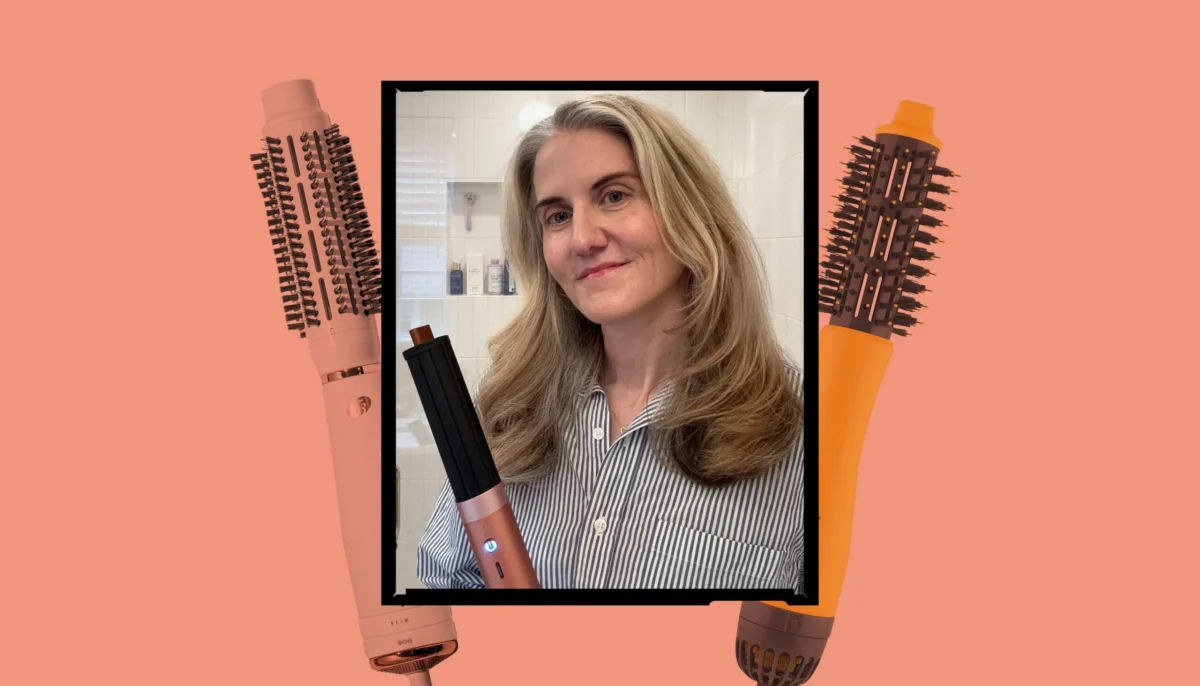
The quest for effortlessly sleek and voluminous hair has led many to embrace the multi-functional hair dryer brush, a tool promising the speed of a blow dryer with the styling power of a brush. However, unlocking its full potential requires more than just plugging it in and running it through your hair. Achieving that coveted salon-quality blowout hinges on meticulous preparation, precise technique, and understanding the nuances of heat styling. This comprehensive guide, drawing on insights from leading hairstylists and industry experts, demystifies the hair dryer brush, offering practical advice for maximizing its benefits while safeguarding your hair’s health.
The Foundation of a Flawless Finish: Preparation is Paramount
The most common misconception about hair dryer brushes is that they are a standalone solution for achieving a perfect style. According to Takisha Sturdivant-Drew, a renowned New York City-based hairstylist, the secret to a glorious blowout begins long before the brush touches your hair. "Even with the fanciest hot tool, the key to a glorious blowout starts with prep, prep, and more prep," Sturdivant-Drew emphasizes. This foundational step involves ensuring your hair is clean, thoroughly detangled, and crucially, damp, not soaking wet. Applying a leave-in conditioner at this stage is highly recommended, as it not only aids in detangling but also provides an initial layer of moisture and protection.
"Start at the root and work your way down to the ends without putting too much heat or tension on the hair," Sturdivant-Drew explains. This methodical approach ensures even drying and styling, preventing the formation of kinks or uneven textures. Furthermore, even with tools marketed for minimal heat damage, the application of a heat protectant is non-negotiable. This vital step acts as a shield, minimizing the risk of thermal damage and helping to preserve the hair’s natural moisture balance and overall health. A heat protectant can be a separate spray or a component within a leave-in conditioner, offering a dual benefit for styling and hair care.
Tailoring Your Technique: Volume for All Hair Types
The versatility of the hair dryer brush extends to its ability to create different looks, depending on your hair type and desired outcome. For those with straight or wavy hair, achieving volume is often a more straightforward process. Sturdivant-Drew suggests a specific technique: "Twist the dryer as you go in a circular motion to add volume if that’s what you are looking for." This rotational movement creates lift at the roots and adds body throughout the lengths of the hair, resulting in a fuller, more dynamic style.
For individuals with curly or coily hair aiming for a sleek, straightened finish, a slightly different approach is required. While the hair dryer brush can achieve significant straightening, a follow-up step might be necessary for ultimate smoothness. "If your hair is on the curly or coily side and you’re going for a sleek look, you can follow up with a flatiron or brush it out with the heat off," Sturdivant-Drew advises. Alternatively, for a completely smooth result using only the brush, she recommends using the blow-dryer brush in conjunction with another brush positioned directly beneath it. "If you want it straight, you should use the blow-dryer brush and, right under it, use another brush to smooth those kinky strands all the way out," she says. This dual-brush technique provides the necessary tension and control to coax even the most resistant curls into a straightened state.
Mitigating Heat Damage: Smart Styling for Healthy Hair
The inherent nature of hot tools means that heat damage is always a potential concern. Fortunately, advancements in hair dryer brush technology and informed usage practices can significantly minimize this risk. A key feature to look for in a hair dryer brush is the presence of multiple temperature settings. This allows users to tailor the heat output to their specific hair type and tolerance. Fine, color-treated, or damaged hair typically requires lower heat settings, while coarser, more resilient hair can often withstand higher temperatures.
"Not all hair types call for the same heat level, so if you’re getting acquainted with a new blow-dryer brush, pay attention to how your hair reacts to different temperature settings as you become more familiar with the tool," advises cosmetic chemist Ginger King. This observational approach is crucial for understanding your hair’s individual needs and preventing overexposure to heat.
The role of heat protectants in mitigating damage cannot be overstated. As King explains, "If you’re using heat styler or any heat products directly on hair, using a heat protectant, usually made with meadowfoam seed oil, light polymers, or even silicone, can help to minimize damage as they can form a coating on hair." This protective barrier absorbs and dissipates heat, reducing the direct impact on the hair shaft. However, the most effective strategy for preventing heat damage remains the simplest: avoiding overuse of heat. Moderation and strategic application are paramount for long-term hair health. The market for heat protectants has expanded significantly, with formulations ranging from sprays and serums to creams and oils, often incorporating ingredients like argan oil, keratin, and dimethicone to provide comprehensive protection. Data from beauty industry reports indicate a consistent rise in the sales of heat protectant products, reflecting a growing consumer awareness of heat damage prevention.
Ease of Use: A Game-Changer for Home Styling
One of the most celebrated advantages of hair dryer brushes is their user-friendliness, making professional-looking blowouts accessible to even novice stylists. "Blow-dry brushes are so incredibly user-friendly—you can achieve a great blow-dry at home without needing pro-level skills. They take about half the time compared to juggling a dryer and a round brush," states hairstylist and educator Patrick Baker. This streamlined approach significantly reduces the learning curve associated with traditional blow-drying, where coordinating a separate dryer and brush can be challenging and time-consuming.
For individuals experiencing pain or limited mobility in their hands or arms, hair dryer brushes offer a welcome ergonomic alternative. Their integrated design requires less dexterity and sustained effort compared to wielding a separate blow dryer and brush. "Because they’re easier to maneuver, you’re less likely to tire out your arms or need a second round of styling with a flat iron or curling iron," Baker notes. This enhanced maneuverability can be a significant benefit for a wide range of users.
However, it’s important to note that hair dryer brushes are most effective when used on damp, not soaking wet, hair. Allowing hair to air dry to about 70% or giving it a quick rough dry with a traditional blow dryer before using the brush ensures optimal performance and minimizes the risk of breakage. "Starting on damp strands helps prevent breakage and ensures a smoother, frizz-free finish, as these tools aren’t designed for sopping-wet hair (and ultimately lead to damage or breakage)," Baker clarifies. This preparatory step allows the brush to efficiently dry and style the hair without excessive heat or strain.
Maintaining Your Tool: The Importance of Regular Cleaning
Just as proper preparation is key to achieving great results, regular maintenance of your hair dryer brush is crucial for its optimal performance and longevity. The cleaning process can vary depending on the specific design of the tool, including its barrel, bristles, and overall shape. New York City-based hairstylist Devin Toth recommends a consistent cleaning schedule, especially for models featuring filters. "Every brand has different features, but if yours has a filter, remove the dust from it every week," he advises. Accumulated dust and debris in the filter can impede airflow and reduce the dryer’s efficiency.
Removing hair strands from the bristles is another essential cleaning task. Toth suggests using a comb or a specialized boar bristle brush cleaner, which is designed for the specific purpose of cleaning styling brushes. For tackling product buildup, such as residue from hairsprays, pomades, or styling creams, a damp cloth is often sufficient. However, for stubborn residue, Los Angeles-based hairstylist Cherin Choi recommends a small amount of rubbing alcohol. "If product buildup won’t budge, she uses a small amount of rubbing alcohol to tackle residue from hairsprays, pomades, and the like," Choi has previously shared.
The impact of neglecting tool maintenance can be significant. Atlanta-based hairstylist Tukia Allen underscores the importance of regular cleaning: "[The product/hair buildup] can prevent your tools from working at full capacity." This sentiment is echoed by Nashville-based hairstylist Brian O’Connor, who adds that a dirty hot tool can lead to "uneven heating of the hair," resulting in inconsistent styling and potentially increased damage. Proper cleaning ensures that the tool distributes heat evenly, leading to better results and prolonging its lifespan.
The Science Behind the Style: Expert Insights on Hair Dryer Brush Technology
The evolution of hair dryer brushes has been driven by innovation aimed at improving performance and hair health. Many modern devices incorporate advanced technologies such as ionic conditioning, ceramic barrels, and tourmaline coatings. Ionic technology, for instance, works by emitting negative ions that break down water molecules on the hair’s surface, leading to faster drying times and reduced frizz. Ceramic barrels help to distribute heat evenly, preventing hot spots that can cause damage, while tourmaline coatings enhance the release of negative ions and provide a smoother surface for the hair to glide over.
The effectiveness of these technologies is supported by scientific principles. Negative ions neutralize the positive charge on dry, static-prone hair, leading to a smoother, shinier appearance. Ceramic’s porous nature allows for even heat distribution, while its smooth surface minimizes friction. Understanding these technological components can help consumers make informed choices when selecting a hair dryer brush that best suits their needs.
Our Commitment to Rigorous Testing and Diverse Perspectives
At Allure, our commitment to providing reliable product recommendations is built upon a foundation of rigorous testing and a deep understanding of diverse consumer needs. When evaluating hair dryer brushes, we go beyond superficial assessments, employing a multi-faceted approach that considers performance across key categories: efficacy, versatility, ease of use, and value.
Our testing process involves a diverse panel of editors, writers, contributors, and professional stylists, each bringing a unique hair type, texture, and styling experience to the table. This inclusivity is paramount, as hair care products and tools are not one-size-fits-all. We recognize that a product’s performance can vary dramatically based on factors such as hair color (natural and artificial), curl pattern, thickness, and specific concerns like dandruff or breakage. For example, a purple shampoo designed for blonde hair would be meaningless if tested solely by individuals with auburn hair. Similarly, a diffuser that has never been tested on curly hair cannot be authentically recommended for that demographic.
Our staff comprises individuals from a wide range of ages, skin tones, hair textures, genders, and backgrounds. This diversity ensures that our reviews are fair, comprehensive, and representative of the broad spectrum of our readership. We believe that by soliciting opinions from a wide array of testers and industry experts, we can confidently assess any beauty product, ensuring that our recommendations align with the genuine needs and desires of our audience. Our comprehensive reviews process and methodology page provides further insight into the detailed procedures we follow to bring you the most trustworthy and actionable beauty advice.
