
 By Jia Lissa
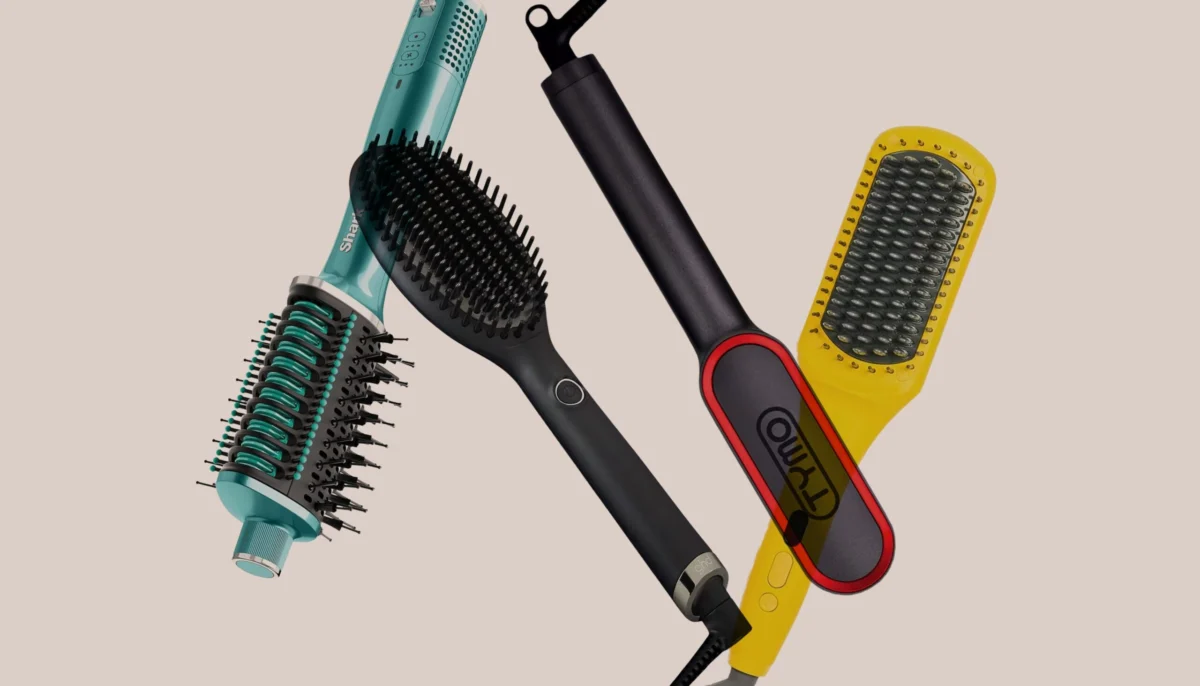
The quest for sleek, manageable hair has led to a proliferation of innovative styling tools, with the hair-straightening brush emerging as a significant contender against the long-standing flatiron. While both aim to tame frizz and impart smoothness, their design, application, and effectiveness cater to different styling needs and user preferences. This comprehensive guide delves into the nuances of hair-straightening brushes, comparing them to traditional flatirons, exploring their benefits, guiding consumers on selection, and addressing safety concerns.
Understanding the Core Differences: Brush vs. Flatiron
At its heart, the distinction between a hair-straightening brush and a flatiron lies in their fundamental design. New York City-based hairstylist Devin Toth explains, "A hair-straightening brush has bristles, resembling a brush, and a hair straightener does not have any bristles." This seemingly simple difference dictates how each tool interacts with the hair.
A flatiron, characterized by its two heated plates, clamps down on sections of hair, directly applying intense heat to flatten and smooth the strands. This method is highly effective for achieving pin-straight results but requires a more deliberate, section-by-section approach. Conversely, a hair-straightening brush integrates heating elements into a brush-like structure. These heated elements can be in the form of heated bristles or comb-like teeth. The design allows users to brush through their hair, combining the detangling action of a brush with the heat styling of a straightener.
Both tools leverage heat to alter the hair’s structure, allowing for a range of styles from perfectly straight locks to softer, bouncier waves. However, the integrated brushing mechanism of the straightening brush offers a different user experience and often a more integrated styling process.
The Verdict: Is a Hair-Straightening Brush Superior?
The question of whether a hair-straightening brush is "better" than a flatiron is subjective and depends heavily on individual needs and styling routines. However, many users and stylists highlight several key advantages of the straightening brush.
Leslie Shores, a Nashville-based colorist, points out that a hair-straightening brush can effectively act as a hybrid tool, consolidating the functions of a blow-dryer and a flatiron. This can significantly reduce styling time, especially for those accustomed to the traditional two-step process of blow-drying followed by flat-ironing. Shores elaborates, "They get the hair smoother and with fewer flyaways than just blowing the hair; it’s shinier and silkier." This all-in-one approach streamlines the morning routine, making it an appealing option for busy individuals.
Furthermore, the convenience of using a straightening brush extends to its versatility. Shores notes, "I love that you can use them wet or dry." This flexibility is a significant advantage, as many traditional flatirons require hair to be completely dry to prevent heat damage. The brushing action also offers ergonomic benefits. "It’s easier on your arms than the tension you have to apply with a regular hairbrush and a blow-dryer," Shores adds, highlighting the reduced physical strain during styling.
Selecting the Right Tool: Key Features to Consider
The market offers a diverse array of hair-straightening brushes, making the selection process crucial for achieving desired results. Devin Toth suggests that beyond price range and personal aesthetic preferences, the most important factor is the brush’s shape and size in relation to the target hairstyle.
"I think most tools in this space have similar features, so I would look for a barrel shape and size that resembles the tightness of curl you are trying to achieve," Toth advises. He provides practical examples: "For example, a flat [paddle] thermal brush will give you straight hair, a thermal brush with a tiny barrel shape will give you curl, and a thermal brush with a large barrel shape will give you more of a bouncy blowout." This insight empowers consumers to match the tool’s physical design to their styling aspirations, whether it’s a sleek, poker-straight finish or voluminous waves.
Beyond the barrel’s dimensions, several technological features contribute to a brush’s performance and safety:
- Temperature Settings: Adjustable temperature controls are vital for catering to different hair types and thicknesses. Finer hair generally requires lower heat settings to prevent damage, while coarser or more resistant hair may need higher temperatures. Some brushes offer a range of preset temperatures, while others provide precise digital control.
- Ionic Technology: Many modern straightening brushes incorporate ionic technology. This feature emits negative ions that help to neutralize positive ions in the hair, reducing frizz and static, and enhancing shine.
- Even Heat Distribution: A brush that distributes heat evenly across its heated surfaces minimizes hot spots that can scorch or damage hair. This ensures a consistent and effective styling experience.
- Comb-Like Teeth: The design of the comb-like teeth is critical. They should be able to effectively separate hair strands without snagging or pulling, which is particularly important for individuals with fine or thin hair.
- Ergonomic Design: A lightweight and well-balanced design is essential for comfort during use. A handle that feels secure and allows for easy maneuverability can make a significant difference in the styling process, reducing fatigue and improving control.
Safety First: Using Hair-Straightening Brushes Responsibly
While hair-straightening brushes are generally considered safer than some other heat styling tools, responsible usage is paramount to prevent heat damage. Although they may not always reach the extreme temperatures of some flatirons, improper use can still lead to compromised hair health.
Devin Toth emphasizes the importance of consistent movement: "Keep them moving and don’t overheat any one area of hair for too long." He also cautions against defaulting to the highest heat setting, advising, "And don’t use the highest heat setting unless you absolutely need to." This mindful approach to temperature and application is key to protecting hair integrity.
A non-negotiable step before applying any heat to the hair is the use of a heat protectant. This barrier product forms a protective shield around the hair shaft, mitigating the damaging effects of high temperatures.
Joseph Maine, a Los Angeles-based hairstylist, offers another crucial tip for maintaining both tool performance and hair health: regular cleaning. "Keep your hot tool spick and span (a.k.a. removing hair and product buildup after each use), so it heats evenly and doesn’t snag your hair," he states. Accumulated product residue and hair strands can interfere with even heat distribution and create friction points that lead to breakage.
The Science Behind Heat Styling and Hair Health
The efficacy of both flatirons and straightening brushes hinges on their ability to manipulate the hydrogen bonds within the hair shaft. Hair’s natural structure is maintained by various bonds, including hydrogen bonds, which are susceptible to heat and moisture. When heat is applied, these bonds temporarily break, allowing the hair to be reshaped. As the hair cools, the bonds reform in the new configuration.
However, excessive heat or prolonged exposure can damage the cuticle, the outermost protective layer of the hair. This damage can manifest as dryness, brittleness, split ends, and a loss of shine. The objective of modern styling tools and best practices is to achieve the desired style with the minimum necessary heat and exposure time.
Ionic technology plays a role in this by emitting negatively charged ions. Hair, when dry, tends to carry a positive charge, which can cause static and frizz. Negative ions counteract this, smoothing the hair cuticle and reducing static electricity. This not only contributes to a sleeker appearance but can also help the hair retain moisture.
Ceramic, tourmaline, and titanium are common materials used in the heating plates or bristles of styling tools. Ceramic generally offers even heat distribution and is gentle on hair. Tourmaline, a crystalline mineral, emits negative ions and infrared heat, which can lead to faster drying and increased shine. Titanium, known for its durability and rapid heating capabilities, is often found in professional-grade tools and is particularly effective for straightening thick, coarse hair. Understanding these material properties can further inform a consumer’s choice.
The Evolution of Hair Styling Technology
The development of the hair-straightening brush represents an evolution in hair care technology, driven by consumer demand for efficiency and ease of use. Historically, achieving smooth, straight hair was a laborious process involving hot combs and manual blow-drying techniques. The advent of the flatiron in the late 20th century revolutionized styling, offering a more direct and effective way to straighten hair.
However, the flatiron’s method, while powerful, often required separate drying and then straightening steps, contributing to longer styling times and potential heat exposure. The hair-straightening brush emerged as a response to this, seeking to combine multiple styling actions into a single pass. This innovation reflects a broader trend in consumer electronics and personal care, where integration and simplification are key drivers of product development.
The increasing sophistication of temperature control, material science in heating elements, and ergonomic design in these tools underscores a commitment to both performance and user experience. As technology advances, we can anticipate further refinements in hair-straightening brushes, potentially offering even more customized and gentle styling solutions.
Consumer Guidance and Expert Insights
The process of selecting a hair-straightening brush involves a careful assessment of individual hair characteristics and styling goals. For instance, someone with fine, easily damaged hair might prioritize a brush with precise temperature controls and ionic technology, opting for lower heat settings. Conversely, an individual with very thick, curly, or resistant hair might seek a brush with higher heat capabilities and robust comb teeth designed for effective detangling and straightening.
When considering the "testing and review" process for such products, a multifaceted approach is essential. As highlighted in industry best practices, diverse testers with varying hair types, textures, concerns, and experience levels are crucial for a comprehensive evaluation. This includes assessing efficacy across different hair conditions, evaluating safety features and ease of use, and determining the overall value proposition of the tool. Factors such as the ability to glide through hair without snagging, the consistency of heat application, and the comfort of the handle all contribute to a user’s overall satisfaction and the tool’s effectiveness.
Broader Implications and Future Trends
The popularity of hair-straightening brushes signals a shift in consumer preferences towards multi-functional, time-saving styling solutions. This trend is likely to continue as manufacturers innovate and incorporate advanced technologies. We can anticipate further integration of smart features, such as app connectivity for personalized styling presets or even AI-driven heat adjustments based on hair type and moisture levels.
Furthermore, the emphasis on hair health and safety will undoubtedly drive the development of tools that minimize heat damage. Innovations in materials science, such as advanced ceramic coatings or more efficient heat distribution mechanisms, will be key. The growing awareness of the environmental impact of consumer products may also lead to a focus on energy-efficient designs and sustainable materials in future hair-styling tools.
In conclusion, the hair-straightening brush has cemented its place as a valuable and versatile styling tool. By understanding its differences from traditional flatirons, carefully considering key features, and prioritizing safe usage practices, consumers can effectively harness its power to achieve smooth, sleek, and manageable hair with greater ease and efficiency. The ongoing evolution of this technology promises even more innovative solutions for the modern haircare landscape.
