
 By admin
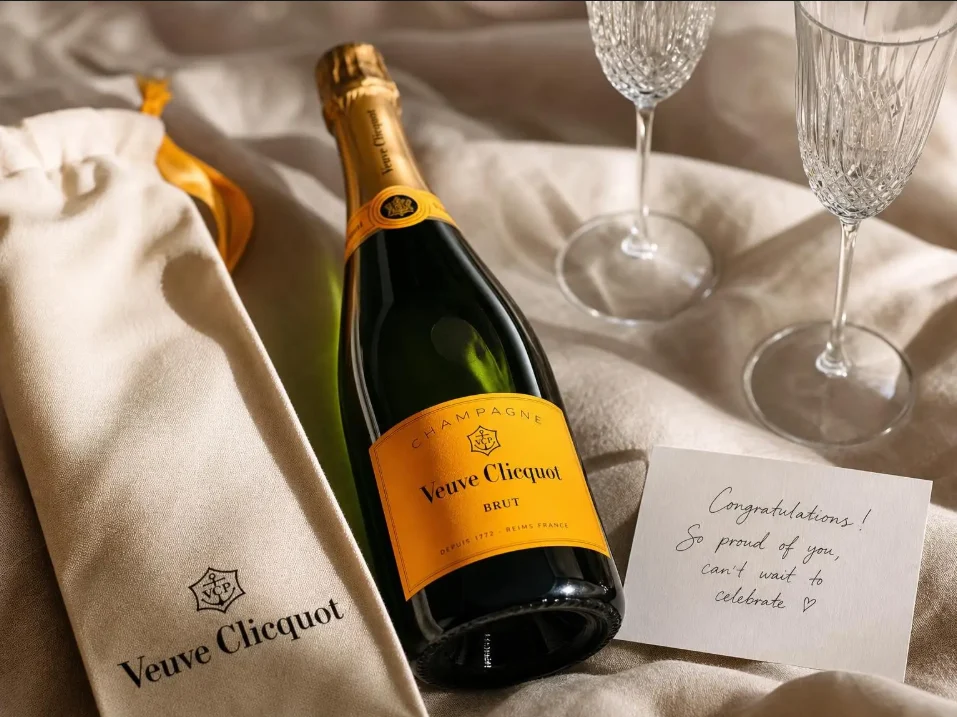
The act of gifting Champagne has long transcended mere social convention, evolving into a sophisticated language of appreciation, celebration, and prestige. In the realm of luxury viticulture, selecting the appropriate bottle is an exercise in discernment that requires a nuanced understanding of viticulture, recipient psychology, and the specific demands of the occasion. As the global sparkling wine market continues to expand—with the Champagne region reporting shipments of approximately 299 million bottles in 2023 according to the Comité Champagne (CIVC)—the distinction between a generic gesture and a thoughtful gift has become increasingly vital for the modern consumer.
The Historical and Cultural Context of Champagne Gifting
The association between Champagne and celebration is not a modern marketing construct but a legacy dating back to the 17th century. Historically, Champagne was the wine of coronations in Reims, establishing an early link between the effervescent liquid and the French monarchy. By the 19th century, this association had permeated global high society, cementing Champagne as the "wine of kings" and the "king of wines."
In the contemporary market, Champagne remains a cornerstone of the luxury gift sector. Data from market research firms indicate that a significant portion of prestige cuvée sales occurs during the fourth quarter, driven by holiday gifting and end-of-year corporate acknowledgments. However, the modern recipient is increasingly educated, often valuing the story, the terroir, and the craftsmanship behind the label as much as the brand name itself.
Deciphering the Cuvée: A Technical Approach to Selection
The foundation of a successful gift lies in matching the technical profile of the wine to the recipient’s palate. Champagne is not a monolith; it is a diverse category ranging from bone-dry to lusciously sweet.
The Importance of Dosage
The "dosage"—the small amount of sugar added before final corking—determines the style of the Champagne. For a recipient who prefers a crisp, mineral-driven profile, a Brut Nature (zero added sugar) or Extra Brut is the professional choice. These styles have gained significant traction among enthusiasts who value "purity" and the expression of the fruit. Conversely, a traditional Brut remains the most versatile option, offering a balanced profile of acidity and weight that appeals to a broad range of tastes.
Vintage vs. Non-Vintage (NV)
Understanding the distinction between Non-Vintage and Vintage offerings is crucial for calibrating the significance of the gift. Non-Vintage Champagnes are the "house style," a consistent blend of multiple years designed to represent the brand’s identity. They are excellent for casual celebrations or as a refined "thank you." A Vintage Champagne, however, is crafted only in exceptional years from a single harvest. Gifting a Vintage bottle signifies a deeper level of respect and is reserved for major milestones, as these wines offer greater complexity, aging potential, and rarity.
Blanc de Blancs and Blanc de Noirs
For the connoisseur, selecting a varietal-specific Champagne demonstrates high-level knowledge. A Blanc de Blancs, made exclusively from Chardonnay, offers elegance, high acidity, and citrus notes. A Blanc de Noirs, made from Pinot Noir and/or Meunier, provides structure, red fruit notes, and a more robust mouthfeel. Selecting based on these profiles shows the recipient that the gift was chosen with their specific preferences in mind.
The Chronology of a Thoughtful Gift: From Acquisition to Presentation
The process of gifting Champagne involves a specific timeline to ensure the integrity of the product and the impact of the presentation.
1. Sourcing and Storage (The Pre-Gift Phase)
Champagne is a living product sensitive to light and temperature. Professional standards dictate that bottles should be sourced from reputable retailers who maintain temperature-controlled environments. Once acquired, the bottle must be kept in a cool, dark place (ideally 10-12°C). Exposure to "light strike"—UV rays penetrating the glass—can degrade the wine’s delicate aromatics within hours, particularly in clear glass bottles used for Rosé.
2. Personalization and Packaging (The Preparation Phase)
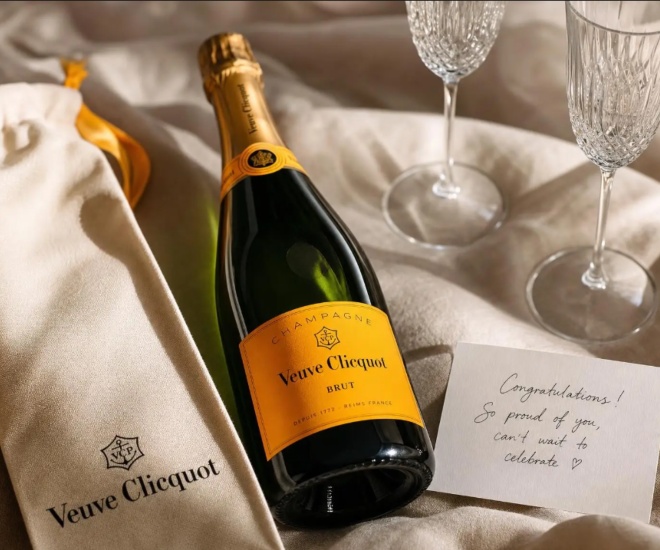
The modern luxury market has shifted away from excessive, non-recyclable packaging toward "meaningful presentation." Industry leaders, such as Veuve Clicquot, have pioneered this transition by introducing eco-designed gift boxes that are both aesthetically striking and environmentally responsible. Personalization can be achieved through handwritten notes or custom engraving, which elevates the bottle from a commodity to a keepsake.
3. The Moment of Delivery (The Handover)
Etiquette dictates that the recipient should not feel pressured to open the bottle immediately. Champagne is a gift of "future enjoyment." Providing the bottle at a temperature that requires further chilling allows the recipient the flexibility to store it for a later, more intimate occasion.
Strategic Selection Based on Occasion
The context of the gift serves as the primary filter for the selection process. A misalignment between the bottle and the event can inadvertently send the wrong message.
- Corporate Milestones and Professional Gratitude: In a professional setting, the goal is to convey respect without overstepping boundaries. A well-known House’s Non-Vintage Brut is the gold standard, offering a recognizable symbol of quality. It provides a "neutral" luxury that is appropriate for boardrooms and client appreciation.
- Weddings and Large-Scale Celebrations: Format matters as much as the label in these contexts. A Magnum (1.5L) is equivalent to two standard bottles and is widely considered the ideal size for aging Champagne. More importantly, it creates a visual centerpiece and signals a grander scale of celebration.
- Intimate Anniversaries and Personal Milestones: These occasions call for "storytelling" bottles. A Rosé Champagne, often associated with romance and vibrancy, or a bottle from the recipient’s birth year (if available and well-aged) provides a deeply personal touch.
- Housewarmings and Casual Gatherings: For a less formal setting, "Grower Champagnes" (Récoltant-Manipulant) are an excellent choice. These are produced by the same people who grow the grapes, often emphasizing unique terroir. They serve as a conversation starter and appeal to those who enjoy discovering niche, high-quality producers.
The Rise of Design-Led Accessories and Elevated Gifting
In recent years, the trend of "elevated gifting" has seen Champagne bottles paired with functional design objects. This approach extends the life of the gift beyond the consumption of the wine. High-end brands have begun offering sets that include professional-grade glassware, such as tulip-shaped glasses which are preferred by sommeliers over the traditional narrow flute for their ability to better aerate the wine and concentrate aromas.
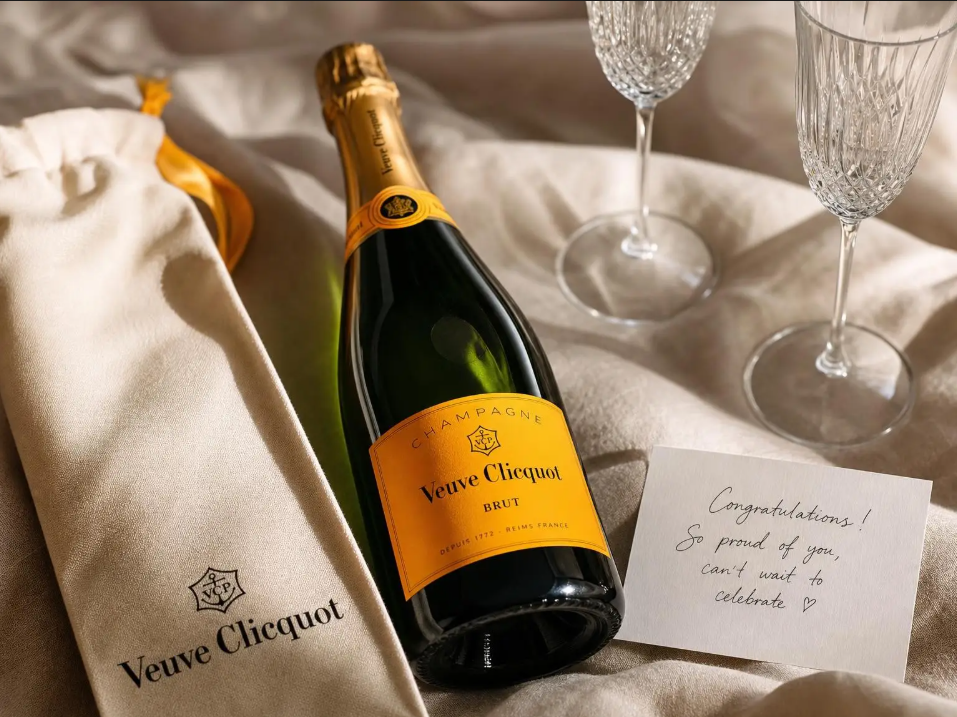
Other popular additions include reusable cooler bags or "ice jackets" that maintain the bottle’s temperature during transport or outdoor events. By including an accessory, the giver provides a tool for the "perfect serve," ensuring the recipient experiences the Champagne exactly as the cellar master intended.
Practical Logistics and Serving Etiquette
To truly enrich the gift, providing a small amount of practical guidance can be beneficial. Including a card with brief "tasting notes" or a food pairing suggestion—such as the classic pairing of Champagne with salty appetizers, seafood, or even truffle popcorn—adds a layer of expertise to the gesture.
Furthermore, the giver should be aware of the "host rule." If a bottle is brought to a dinner party, it is considered a gift for the host’s cellar, not necessarily for consumption that evening. This distinction removes the burden from the host to chill and serve the bottle immediately, allowing them to enjoy the gift at their leisure.
Implications of Sustainability in the Champagne Industry
The choice of a gift also carries implications for environmental and social governance (ESG). The Champagne region has committed to a 100% ecological certification for its vineyards by 2030. Consumers are increasingly scrutinizing the sustainability practices of the Houses they support. Gifting a bottle from a producer that utilizes regenerative viticulture, reduced-weight glass bottles, or solar-powered production facilities reflects a shared value system between the giver and the recipient. This "ethical luxury" is becoming a defining characteristic of high-end gifting in the 21st century.
Conclusion: The Synthesis of Taste and Intent
The best Champagne gifts are those that balance technical quality with emotional resonance. By considering the recipient’s specific palate, the historical weight of the brand, the environmental impact of the packaging, and the practicalities of storage and service, a simple bottle is transformed into a sophisticated medium of communication.
Whether it is a crisp Blanc de Blancs to toast a new business venture or a complex Vintage Rosé for a golden anniversary, the selection process is a reflection of the giver’s attention to detail. In a world of fleeting digital interactions, the physical act of presenting a thoughtfully chosen bottle of Champagne remains one of the most enduring and respected forms of human connection. As the industry continues to innovate through design and sustainable practices, the art of gifting Champagne will undoubtedly remain a cornerstone of global luxury culture.
