
 By admin
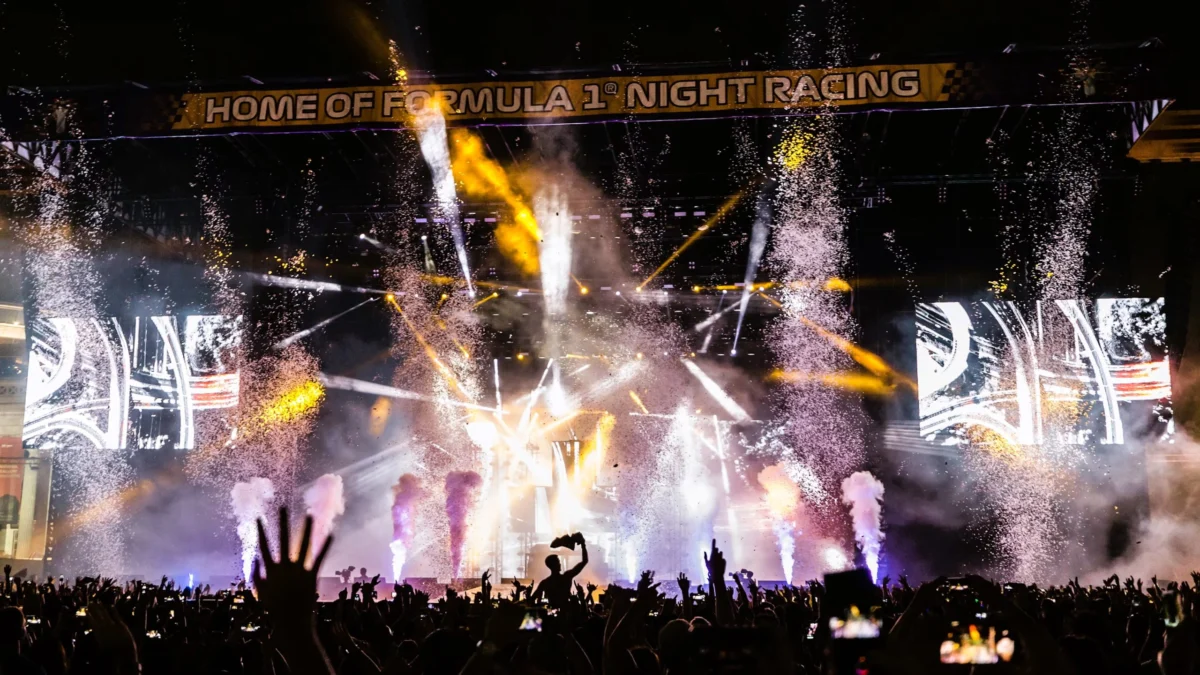
The Singapore Grand Prix stands as a cornerstone of the modern Formula 1 calendar, representing a pivotal intersection of high-stakes motorsport, urban engineering, and global tourism. Since its historic debut in 2008 as the sport’s inaugural night race, the event has transitioned from a daring experimental concept into a permanent fixture that defines the luxury and commercial aspirations of the Lion City. As the race approaches its second decade of existence, it is undergoing a profound transformation characterized by significant technical overhauls, the introduction of new competitive formats, and a deepening integration into Singapore’s economic fabric. With a contract secured through 2028, the partnership between Formula 1 and the Singaporean government continues to set the benchmark for how street circuits can drive national branding and commercial revenue.
The Strategic Evolution of the Marina Bay Street Circuit
The Marina Bay Street Circuit is widely regarded by drivers as one of the most physically and mentally demanding tracks on the schedule. The combination of high humidity, a bumpy street surface, and a relentless sequence of corners leaves little room for error. However, the circuit has not remained static; it has undergone a series of strategic modifications to enhance racing quality and spectator engagement.
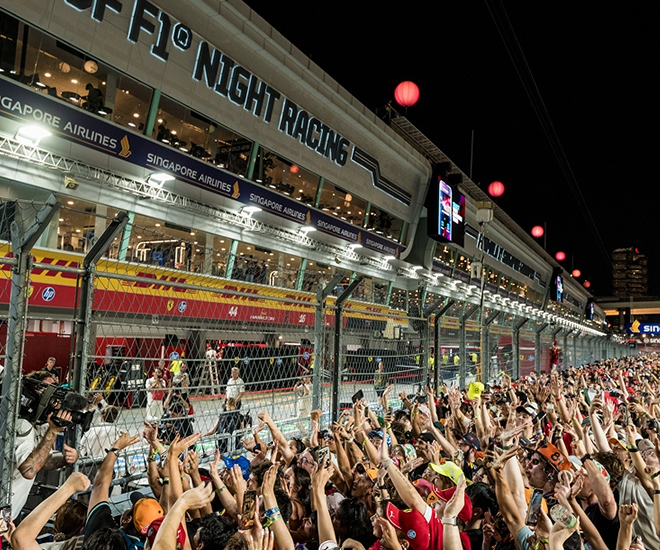
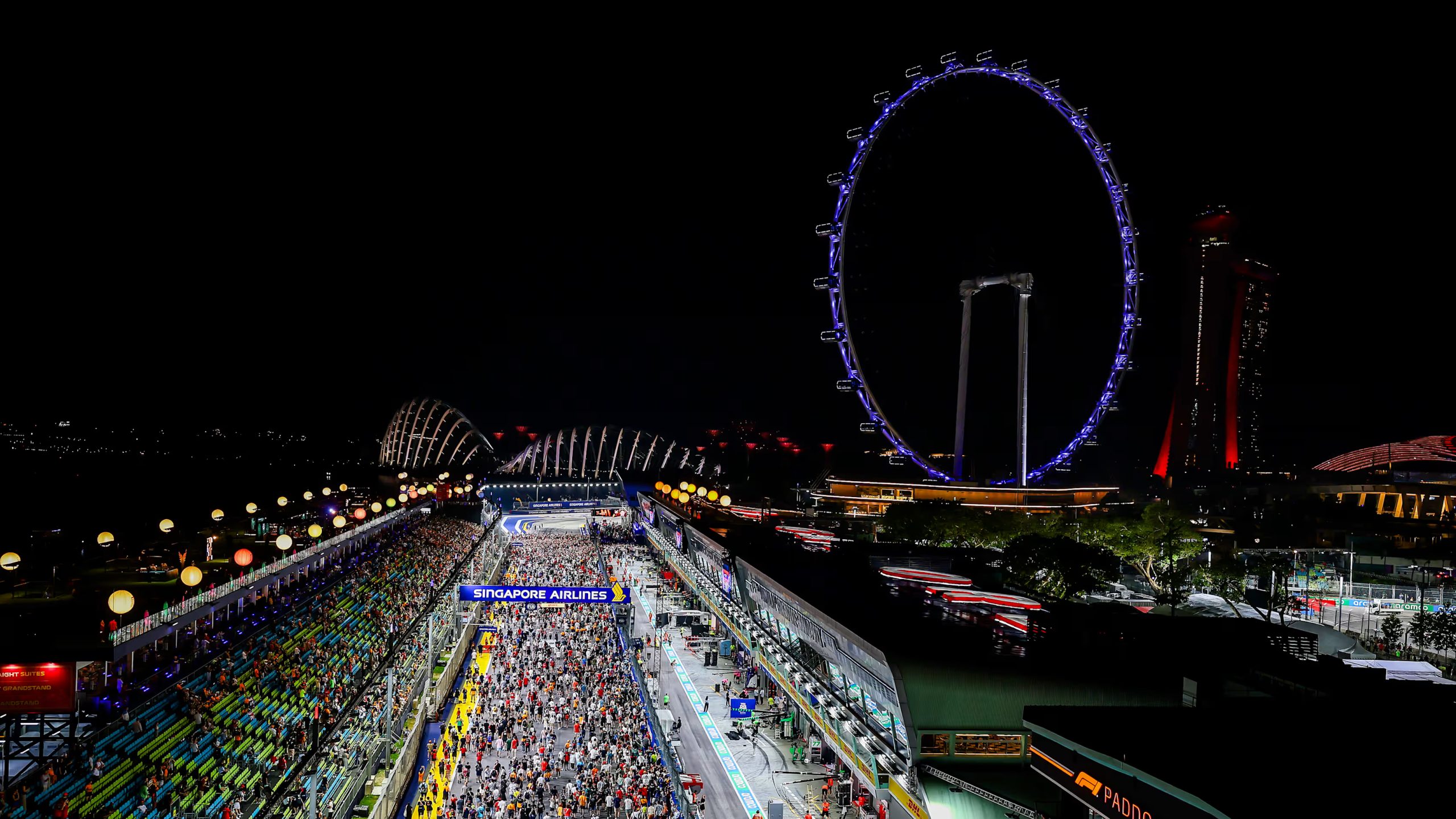
In 2023, the circuit underwent its most significant layout change to date. The removal of Turns 16 through 19, previously a slow and technical section under the grandstand, made way for a new 397.9-meter straight. This reduced the total number of corners from 23 to 19 and significantly increased the average lap speed. This modification was not merely a logistical necessity due to local construction projects but a calculated move to facilitate more overtaking opportunities in the final sector. By the 2024 season, the FIA further refined the competitive landscape by adding a fourth Drag Reduction System (DRS) zone, aiming to mitigate the "DRS train" effect that often plagues tight street circuits.
Further incremental changes have kept the circuit at the cutting edge of FIA standards. In 2025, the pit lane speed limit was increased from 60km/h to 80km/h, a move designed to reduce the "time penalty" for pit stops and potentially open up more diverse strategic options for teams. These physical and regulatory adjustments serve as a prelude to the massive shift scheduled for 2026.
The 2026 Technical Revolution: Smaller, Lighter, and More Efficient
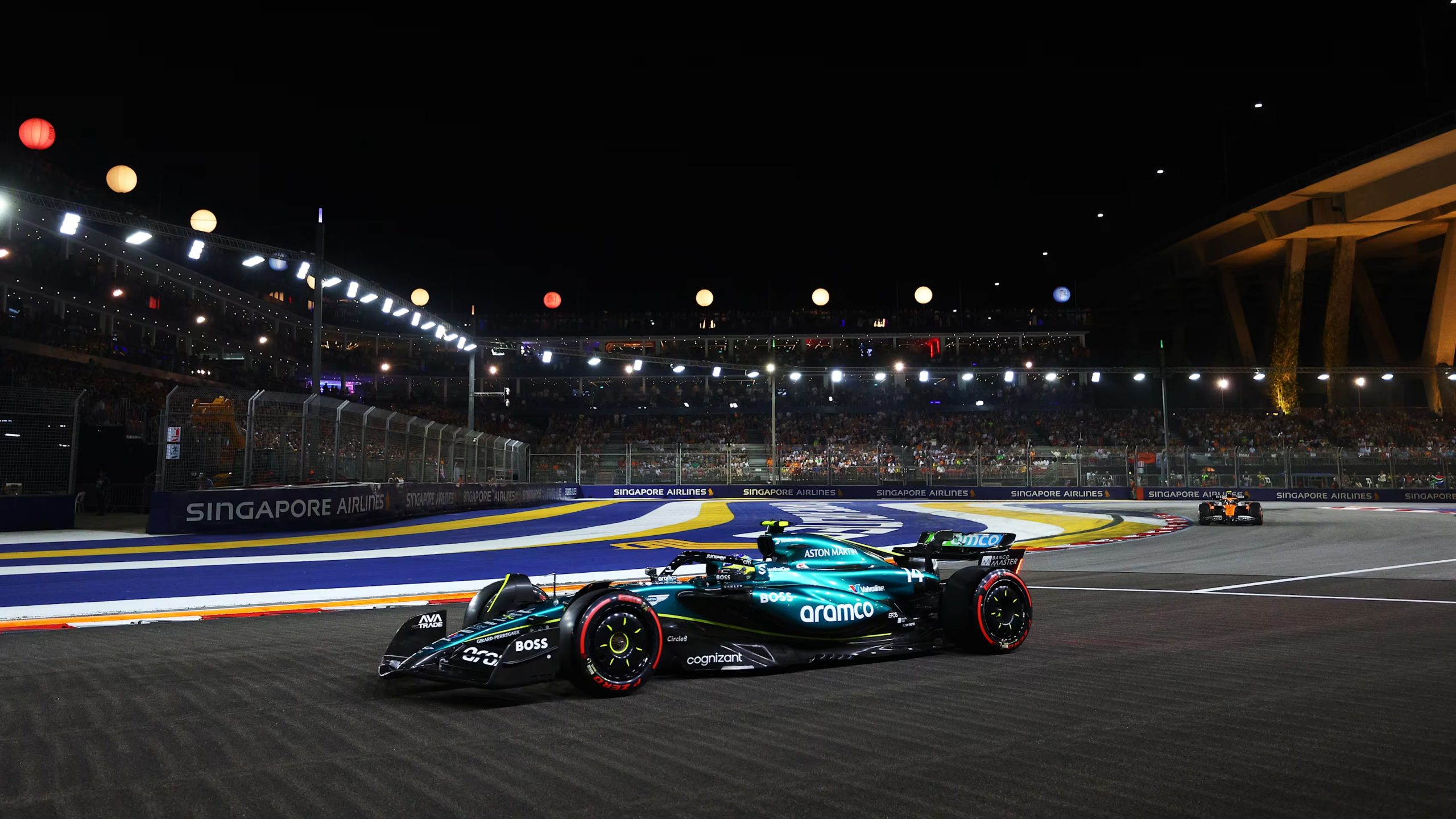
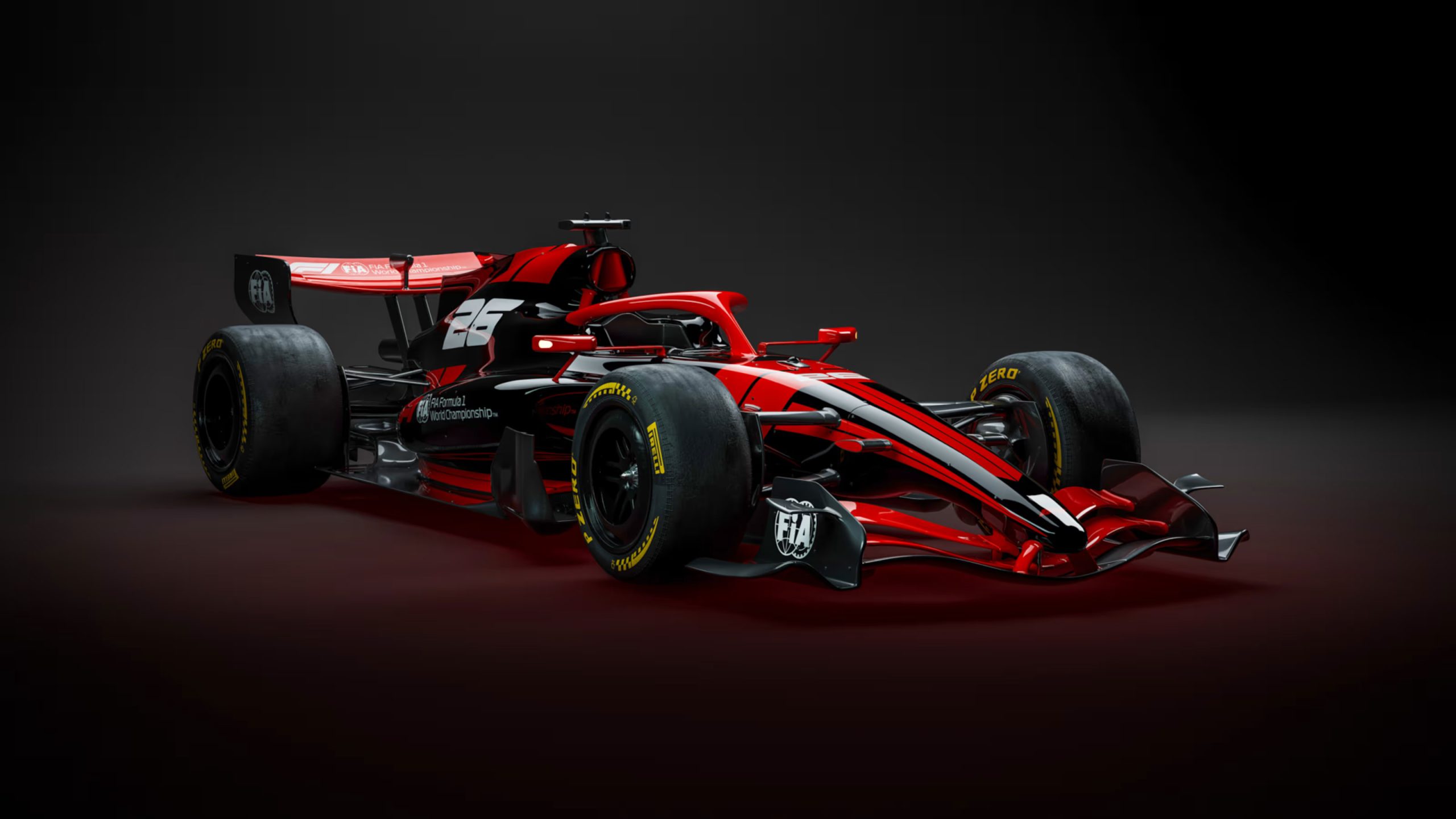
The 2026 season is poised to be a watershed moment for Formula 1, and the Singapore Grand Prix will be a primary testing ground for these changes. The FIA’s "Nimble Car" concept for 2026 focuses on making vehicles more agile and environmentally sustainable. The minimum weight of the cars will be reduced by 30kg, dropping from 800kg to 768kg. This reduction, coupled with a decrease in width from 2000mm to 1900mm and a shorter wheelbase, is intended to make the cars more suitable for the tight confines of street circuits like Marina Bay.
Perhaps the most radical change involves the power unit and aerodynamics. The 2026 regulations dictate a 50:50 power split between the internal combustion engine and electrical power. To achieve this, the complex MGU-H (Motor Generator Unit – Heat) will be removed, while the electrical output from the MGU-K (Motor Generator Unit – Kinetic) will be nearly tripled, from 120kW to 350kW. Furthermore, Formula 1 will transition to 100% advanced sustainable fuels, aligning with the sport’s goal of being Net Zero Carbon by 2030.
On the aerodynamic front, the traditional DRS will be replaced by a more sophisticated system of active aerodynamics. Drivers will be able to switch between a high-downforce "Z-mode" for cornering and a low-drag "X-mode" for straights. An "Overtake Mode" will also be introduced, granting following drivers a temporary boost in electrical energy deployment to facilitate passing. For a track like Singapore, where track position is historically king, these new tools could fundamentally alter the spectacle of the race.
Introduction of the F1 Sprint: A New Competitive Format
Adding to the complexity of the 2026 season is the announcement that Singapore will host its first-ever F1 Sprint weekend. This shift moves away from the traditional format of three practice sessions. Instead, fans will witness a high-intensity schedule: Friday will feature a single free practice followed by Sprint Qualifying. Saturday will host the 100km Sprint race in the morning, followed by the traditional Grand Prix Qualifying in the evening. Sunday remains reserved for the full-distance Grand Prix.
The inclusion of the Sprint format in Singapore is a strategic decision to maximize the value of the "track action" for attendees. From a sporting perspective, it places immense pressure on teams. With only one hour of practice before competitive running begins, engineers will have limited data to optimize car setups for the unique nighttime conditions and fluctuating track temperatures of Marina Bay. This unpredictability is expected to provide a significant boost to television viewership and ticket demand.
Economic Impact and Tourism Data
The Singapore Grand Prix has proven to be a powerhouse of economic activity. Data provided by Singapore’s Ministry of Trade and Industry (MTI) underscores the event’s role as a catalyst for the local economy. Since its inception in 2008, the event has generated over SGD 2.2 billion in incremental tourist spending. This figure includes expenditures on accommodation, dining, transport, and retail by the hundreds of thousands of international visitors who descend on the city annually.
Attendance figures show a resilient and growing demand. Between the 2024 and 2025 editions, attendance grew by approximately 11.7 percent, reflecting a post-pandemic surge in high-end sports tourism. The 2024 race weekend alone attracted a massive crowd, with grandstands and hospitality suites operating at near-full capacity.
Beyond direct spending, the Grand Prix supports local businesses and job creation. MTI reports suggest that each race weekend involves over 30,000 staff, contractors, and volunteers, providing significant temporary employment and training opportunities in the hospitality and logistics sectors. Furthermore, the global broadcast of the race serves as a multi-million-dollar "postcard" for Singapore, showcasing the city’s skyline and infrastructure to an audience of over 70 million unique viewers per race.
Grand Prix Season Singapore (GPSS): A Cultural Phenomenon
The impact of the race extends far beyond the perimeter of the circuit. The "Grand Prix Season Singapore" (GPSS) is a government-backed initiative that curates a city-wide festival of experiences. This includes luxury fashion pop-ups, high-end culinary collaborations, and an entertainment lineup that has historically featured global icons ranging from K-Pop stars to legendary rock bands.
For the luxury sector, the Singapore Grand Prix is the most important weekend of the year. High-end hotels in the Marina Bay precinct frequently report 100% occupancy rates with premium pricing, while exclusive nightlife venues host "after-parties" that attract the global elite. Retailers also capitalize on the influx of high-net-worth individuals, launching limited-edition merchandise and hosting invite-only events. This holistic approach ensures that even those with little interest in motorsport are drawn into the orbit of the Grand Prix, cementing its status as a cultural milestone rather than just a sporting event.

Broader Implications and the Road to 2028
As Singapore looks toward the expiration of its current contract in 2028, the race faces a landscape of increasing competition. The addition of other high-profile night races in Las Vegas, Jeddah, and Qatar has challenged Singapore’s "unique" status. However, industry analysts suggest that Singapore’s established infrastructure, reputation for organizational excellence, and its status as a hub for Asian finance give it a distinct advantage.
The race also serves as a laboratory for urban sustainability. The Singapore GP has increasingly focused on reducing its carbon footprint, utilizing hydrotreated vegetable oil (HVO) to power circuit generators and implementing comprehensive waste recycling programs. These initiatives are critical for maintaining the event’s social license to operate in an era where environmental ESG (Environmental, Social, and Governance) criteria are paramount for corporate sponsors.
In conclusion, the Singapore Grand Prix has successfully navigated the transition from a novel spectacle to an indispensable pillar of the Formula 1 World Championship. Through constant circuit evolution, a willingness to embrace new technical eras, and a sophisticated integration of sport and commerce, it remains the gold standard for street races globally. As the 2026 technical revolution approaches, the city-state is well-positioned to continue its legacy of innovation under the floodlights of Marina Bay.
