
 By admin
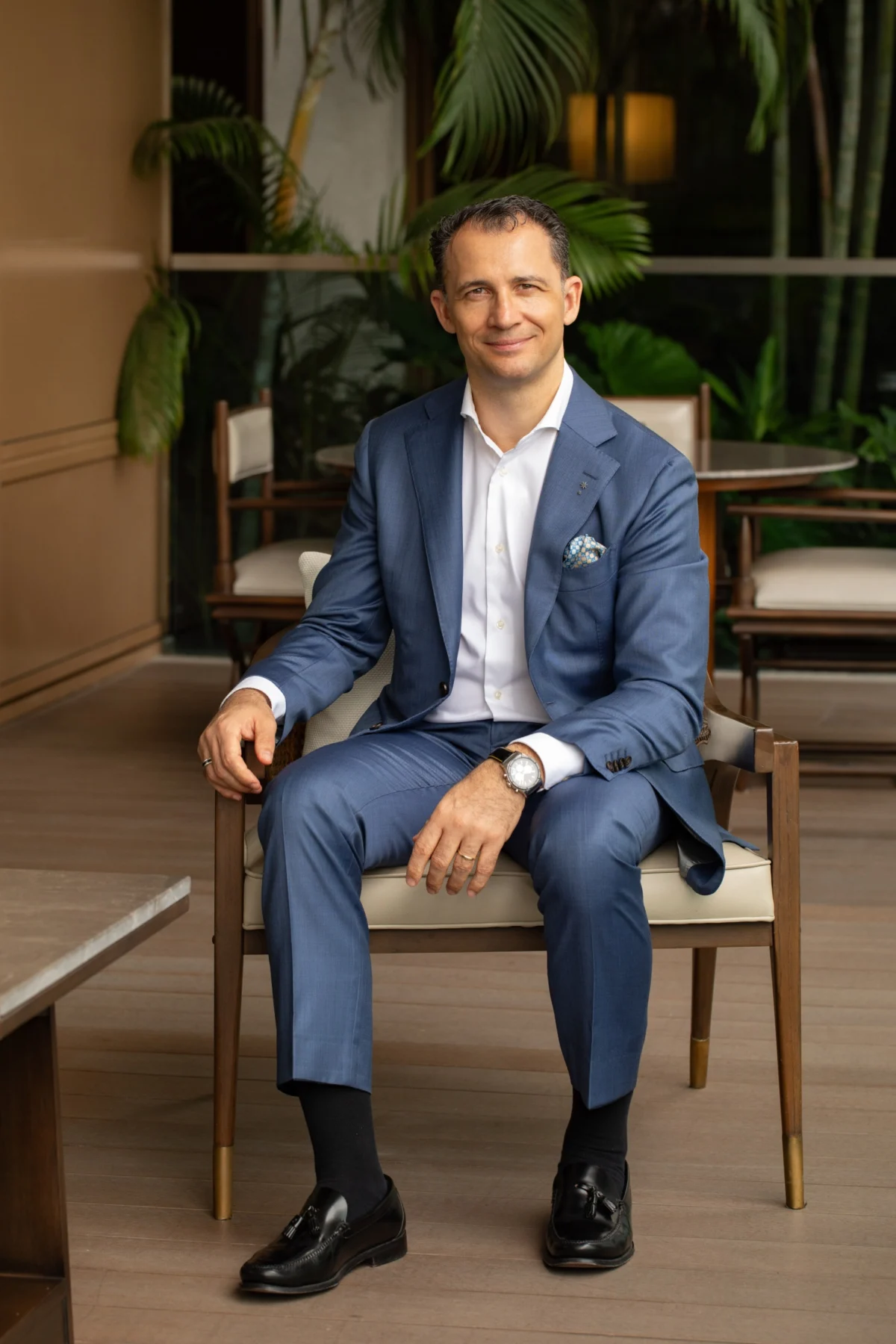
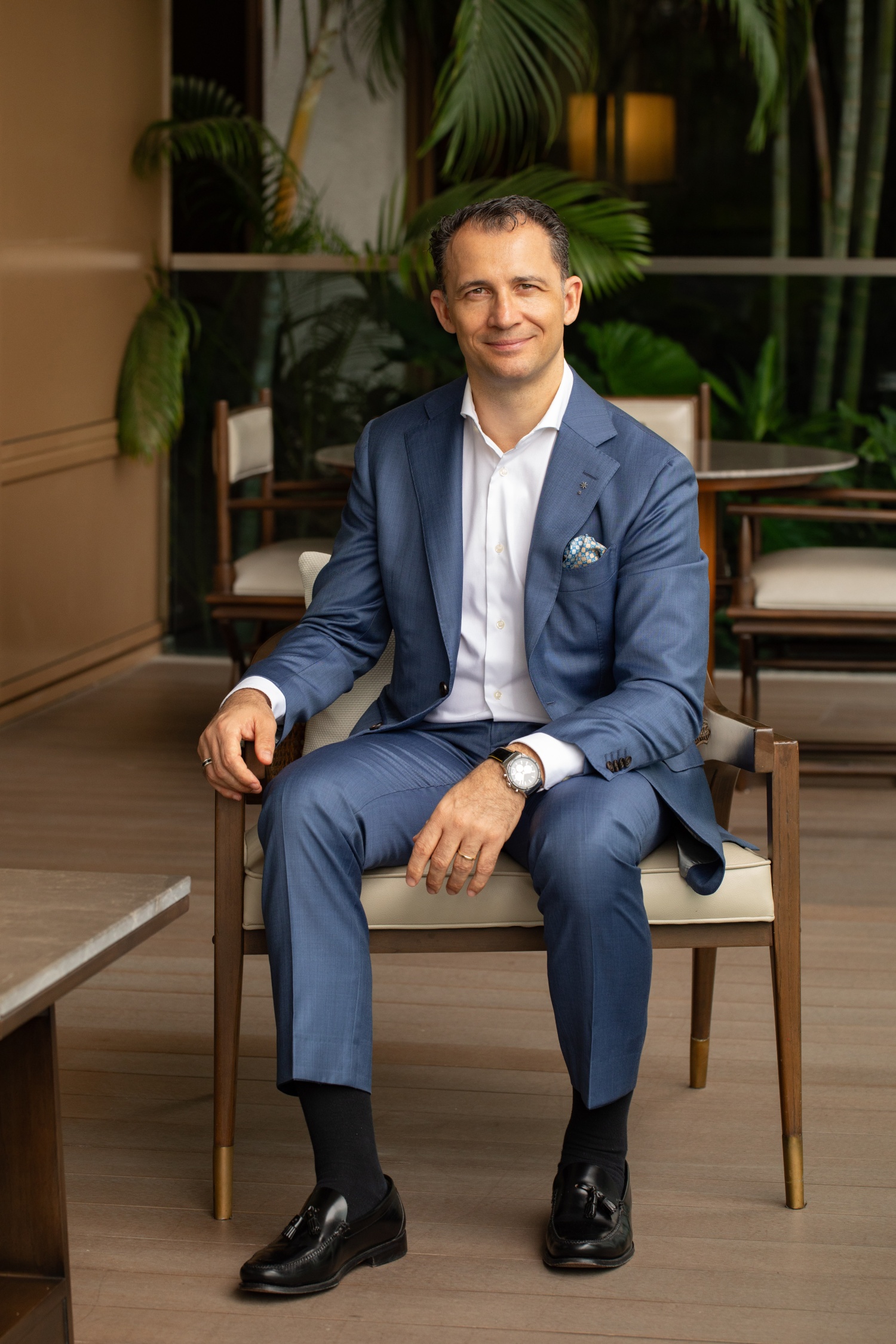
Since its debut in October 2020, Capella Bangkok has redefined the hospitality landscape of the Thai capital, positioning itself as a sanctuary of "quiet luxury" along the banks of the Chao Phraya River. Under the leadership of General Manager Antonio Saponara, the property has transitioned from a high-profile opening during a global pandemic to a multi-award-winning institution. Saponara, a veteran with over three decades of experience in the luxury sector across Shanghai, Beijing, and the Maldives, views the hotel’s success not merely as a result of its physical architecture but as a confluence of place, people, and purpose. As the luxury travel market in Asia evolves toward more personalized and meaningful experiences, Capella Bangkok serves as a case study in how heritage-rich locations and intuitive service can create a lasting brand identity.
A Strategic Entry into the Charoenkrung District
The opening of Capella Bangkok in 2020 marked a significant milestone for the Charoenkrung neighborhood, Bangkok’s oldest paved road and a district steeped in trade history. While many luxury hotels in the city opted for the glitz of the Sukhumvit or Siam areas, Capella’s choice of the riverside was a deliberate nod to the city’s origins. The property is part of the Chao Phraya Estate, a multi-billion baht development that has played a central role in the revitalization of the riverfront.
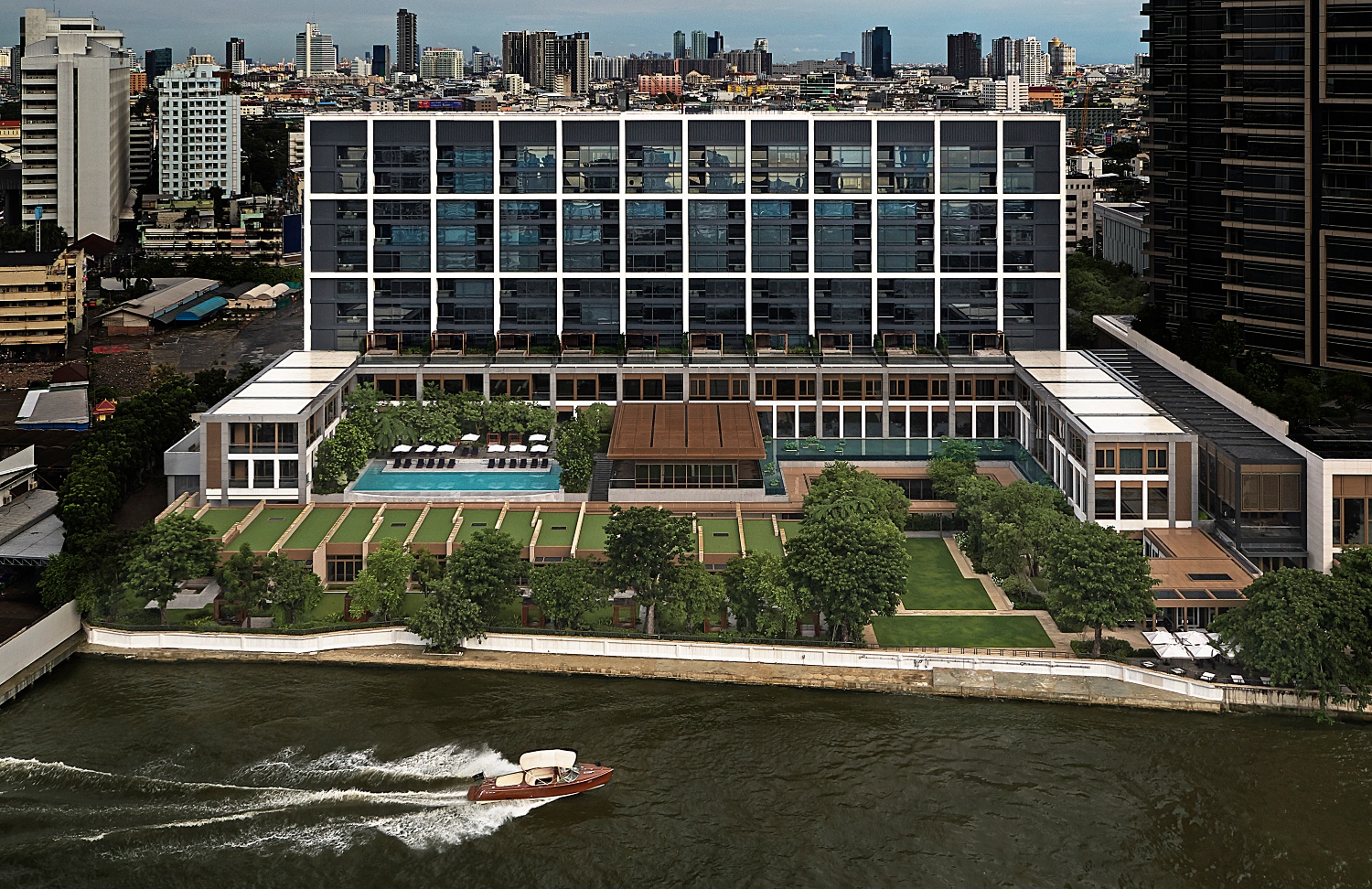
Saponara emphasizes that the hotel’s identity is inextricably linked to this historic setting. "From the very beginning, we wanted Capella Bangkok to feel genuinely connected to its surroundings," Saponara noted. This connection is facilitated by "Capella Culturists," staff members dedicated to immersing guests in the local community, from exploring hidden temples to visiting artisanal workshops in the narrow sois of Charoenkrung. This approach aligns with broader industry data suggesting that ultra-high-net-worth individuals (UHNWIs) are increasingly prioritizing "destination immersion" over standardized luxury.
The Architecture of Restraint: Defining Quiet Luxury
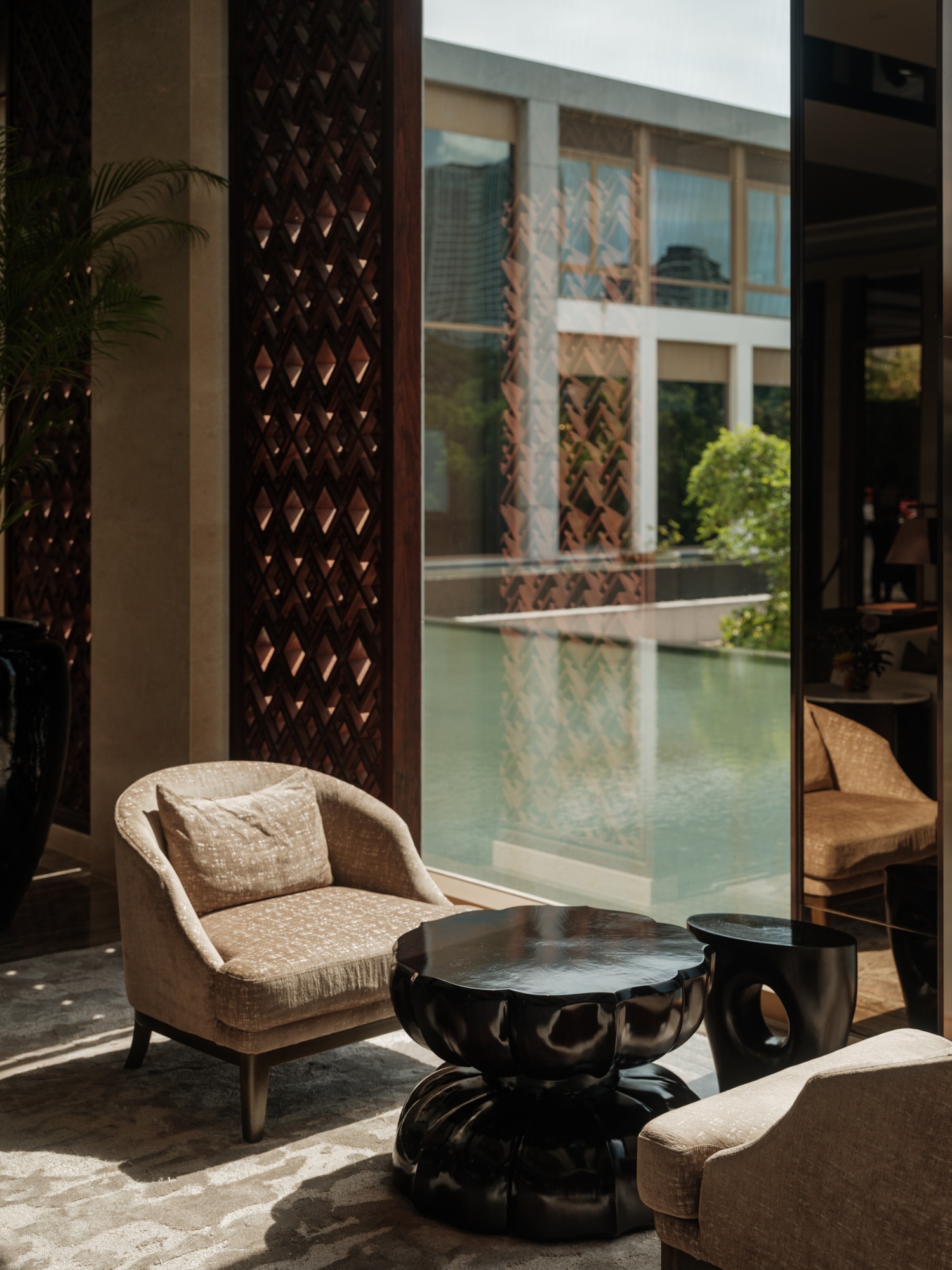
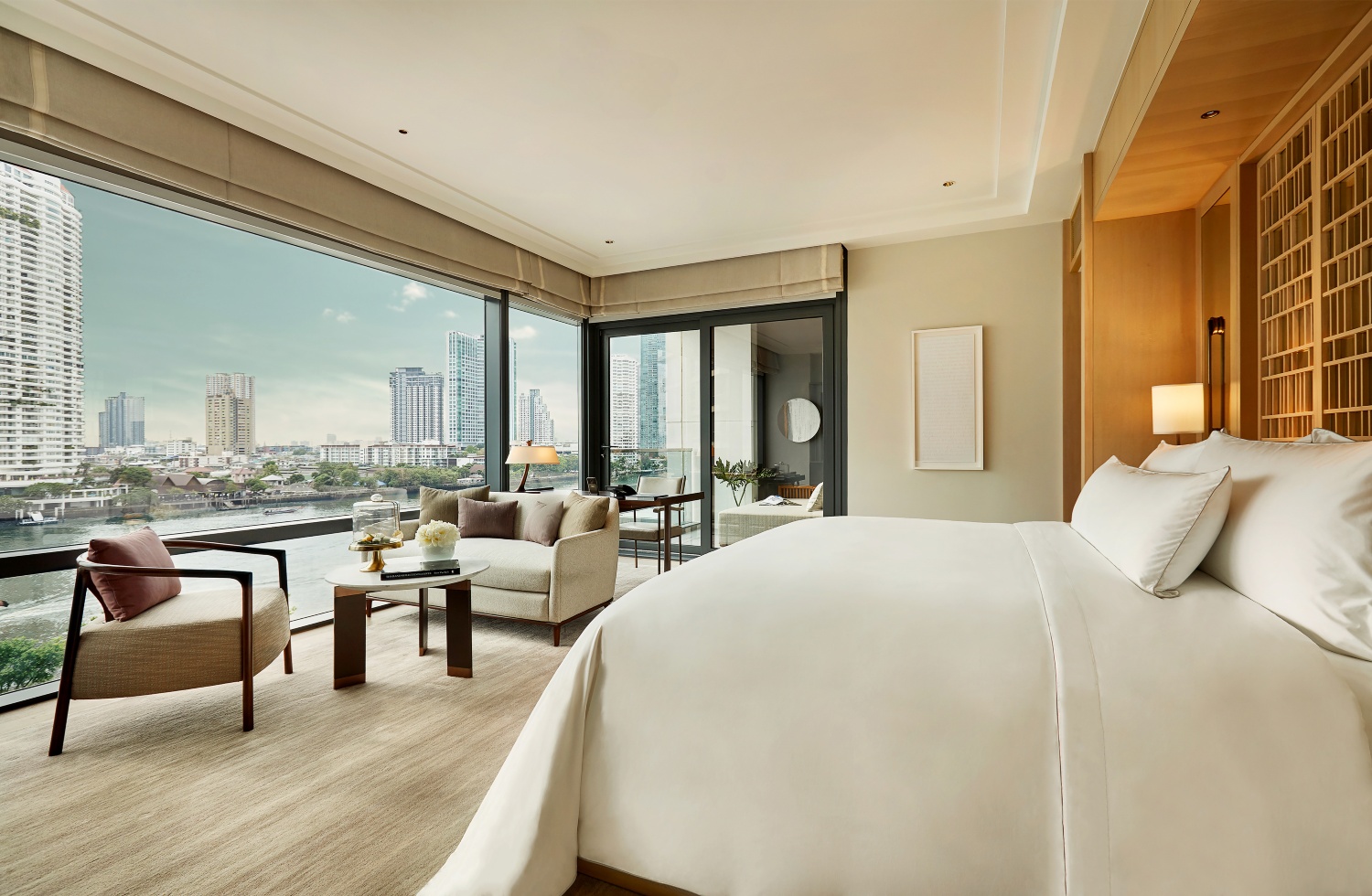
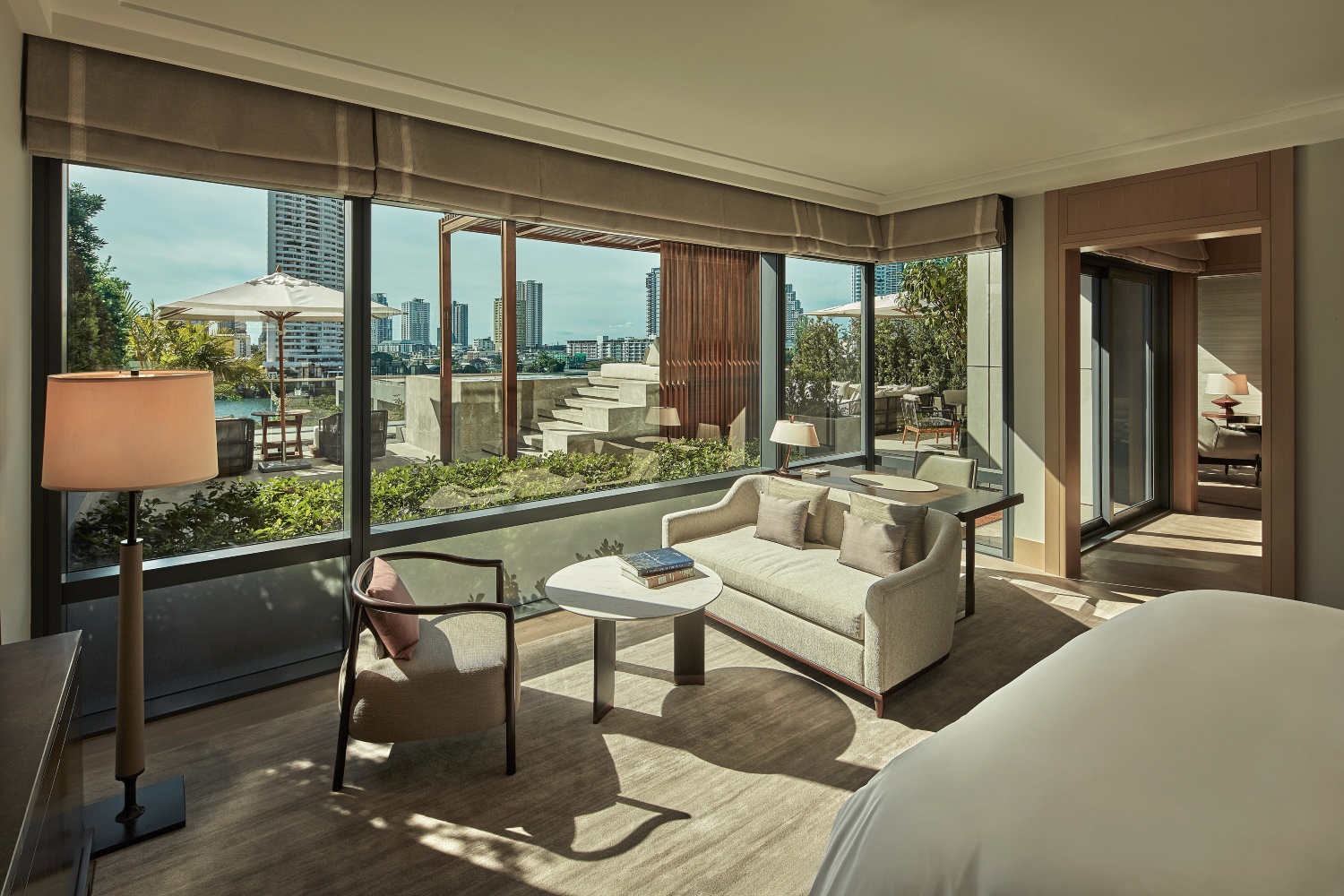
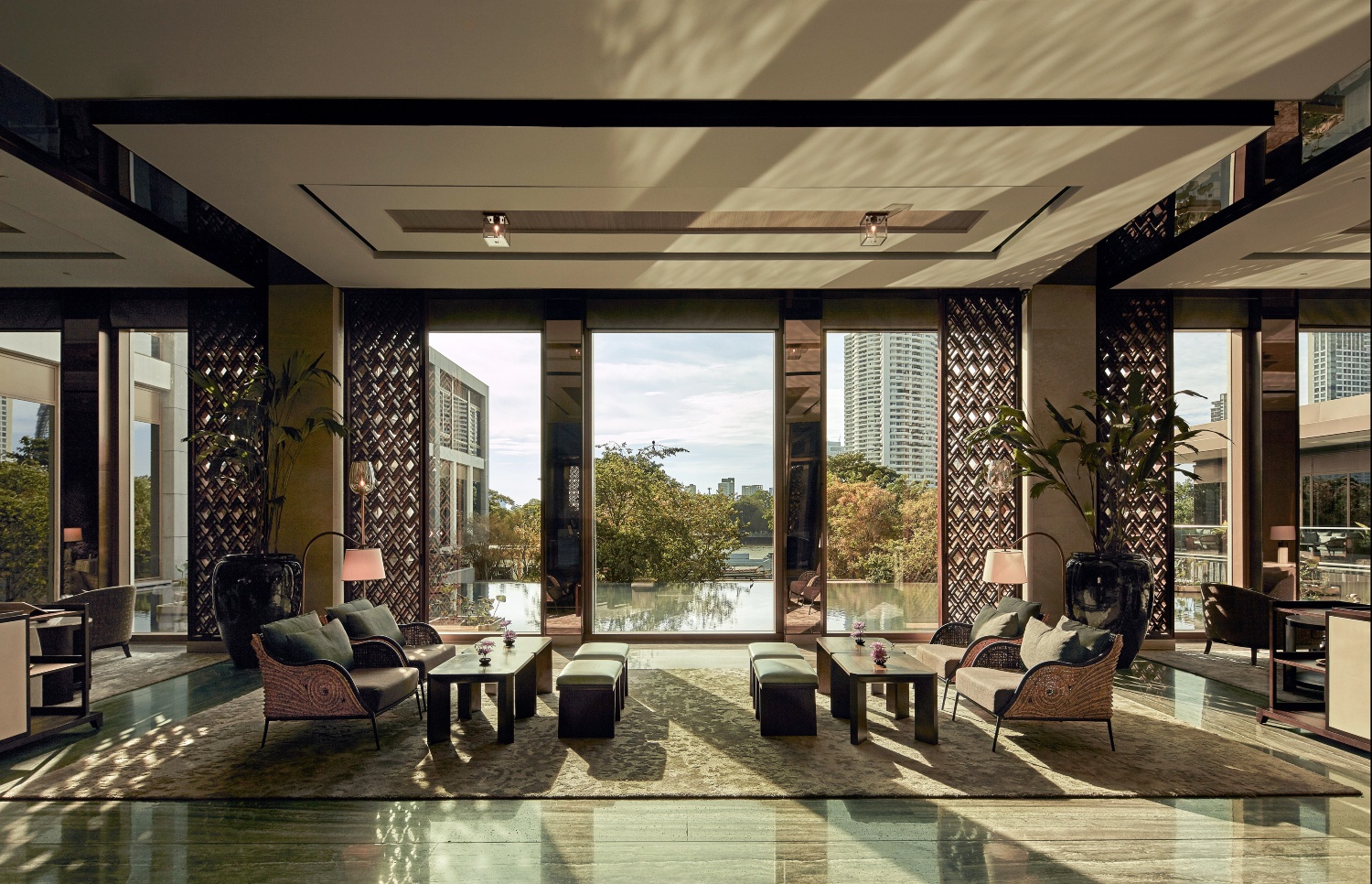
While the term "quiet luxury" has recently permeated the fashion and interior design industries, Saponara asserts that Capella Bangkok embodied this philosophy long before it became a marketing buzzword. The hotel’s design, led by architects Hamiltons International and interior designers BAMO, focuses on understated elegance. The layout is intentionally restrained, ensuring that the panoramic views of the "River of Kings" remain the focal point.
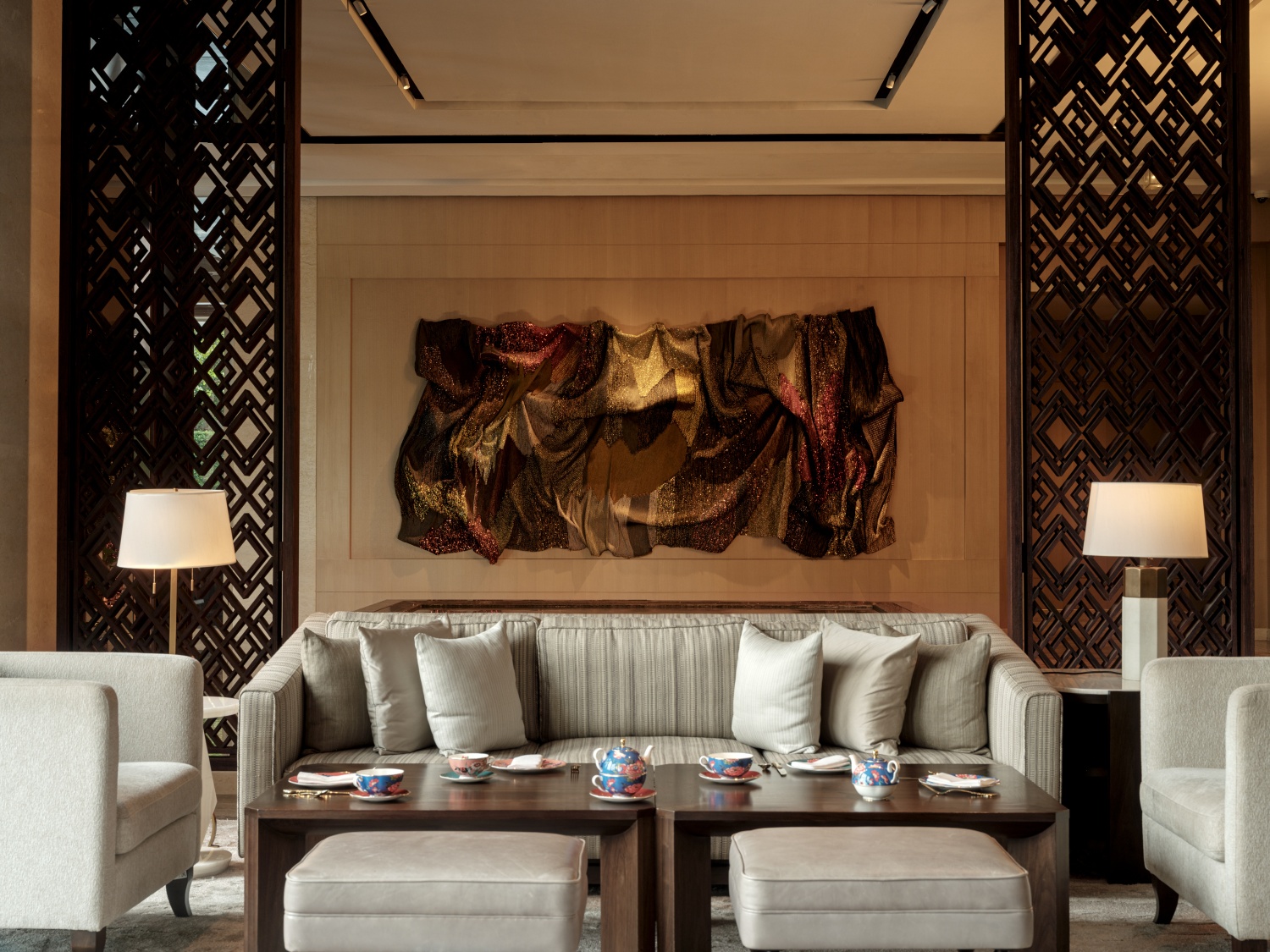
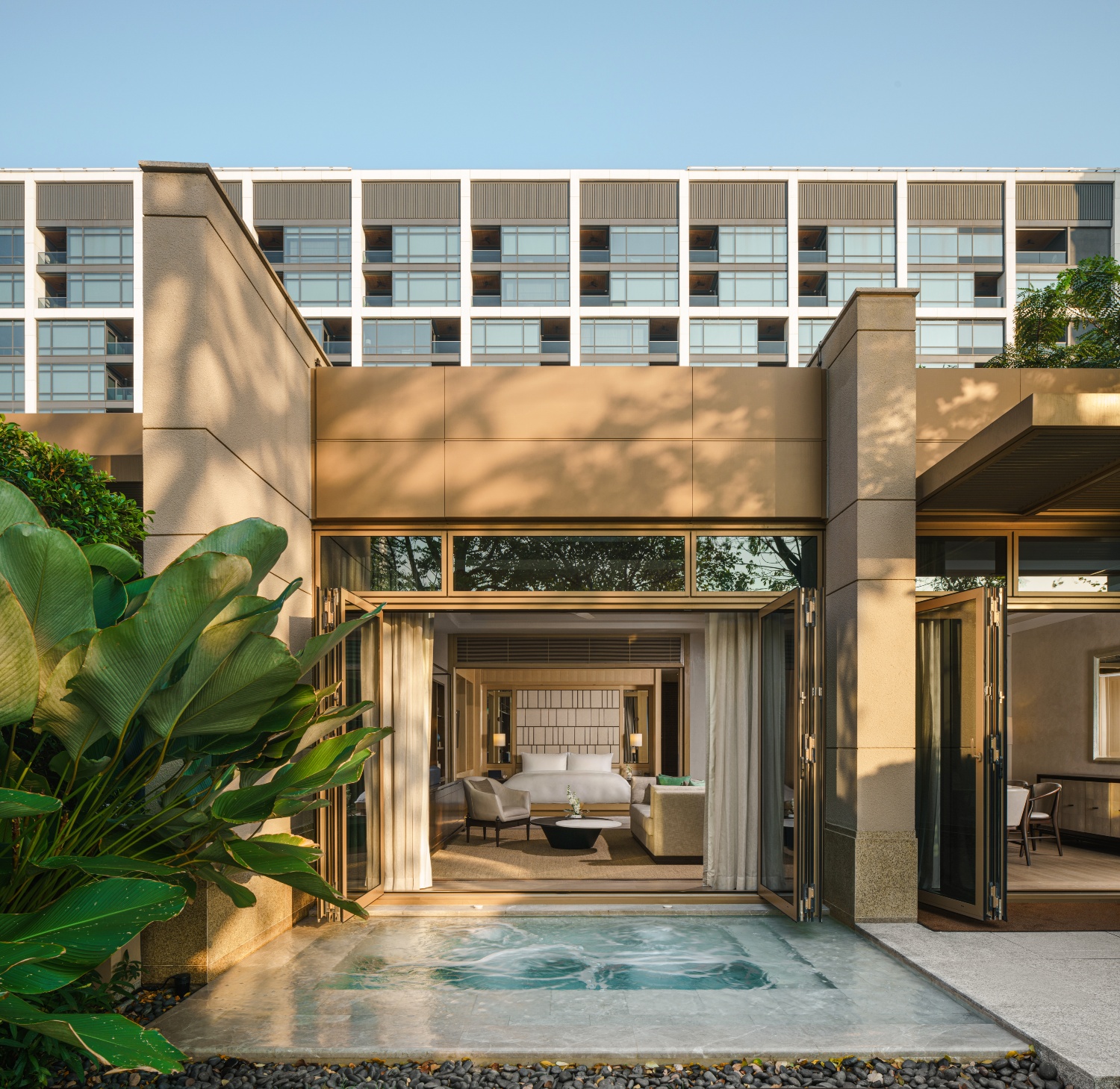
All 101 accommodations, including the signature riverside villas and verandah suites, are designed to offer a sense of residential privacy. The inclusion of private balconies and, in many cases, plunge pools, caters to a growing demand for "secluded urban hideaways." In a city known for its vibrant but often chaotic energy, Capella provides a counter-narrative of tranquility. According to Saponara, true luxury in this context is felt through craftsmanship and thoughtful details—such as the tactile quality of the materials and the precision of the lighting—rather than through overt opulence.
Culinary Excellence and Global Recognition
A pivotal component of Capella Bangkok’s identity is its gastronomic offering, which has garnered international acclaim. In 2026, the property was named the Best Global Hotel for Food & Drink by Food & Wine’s Global Tastemakers Awards. This accolade reflects a broader strategy to position the hotel as a culinary destination in its own right.
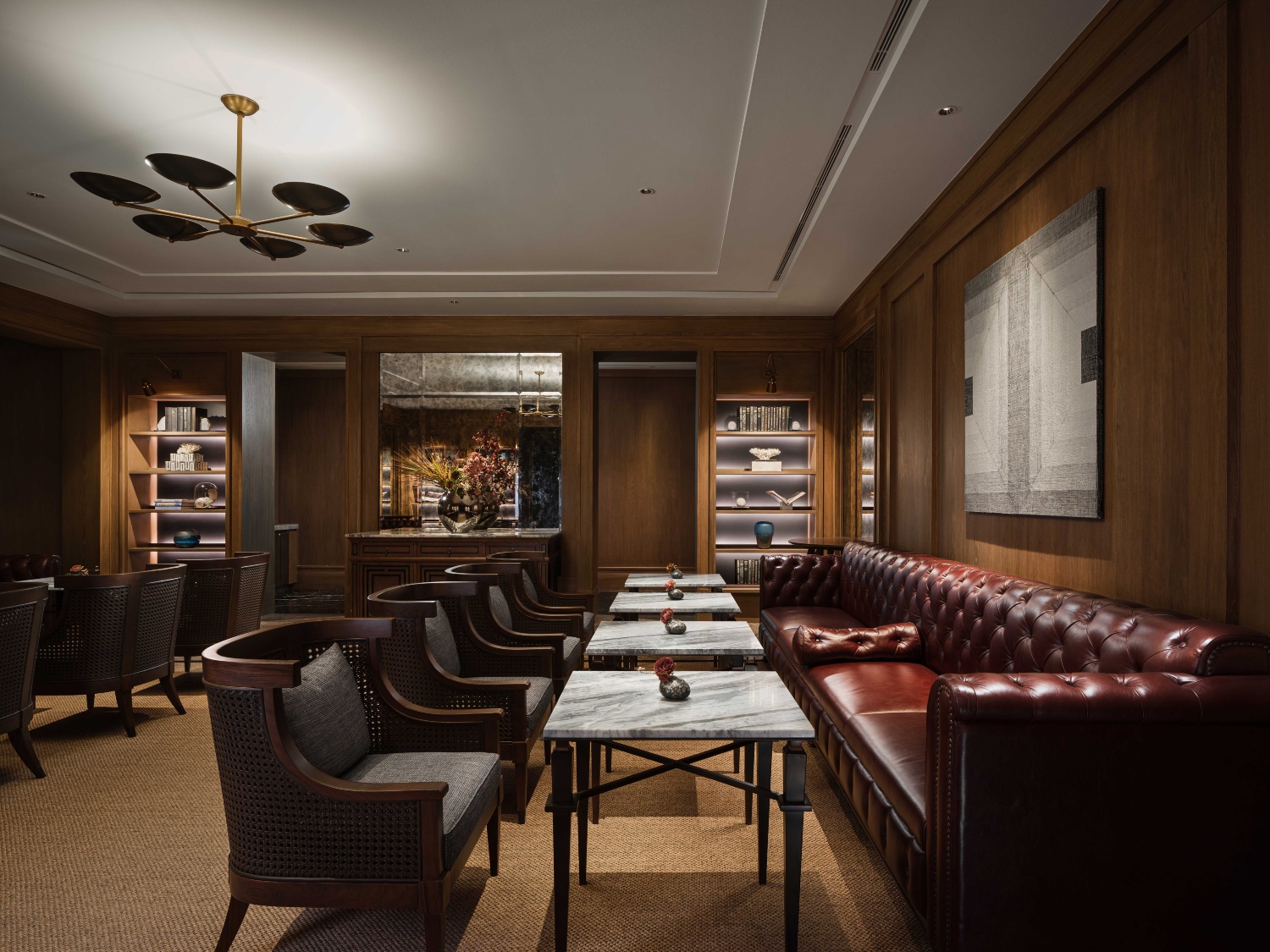
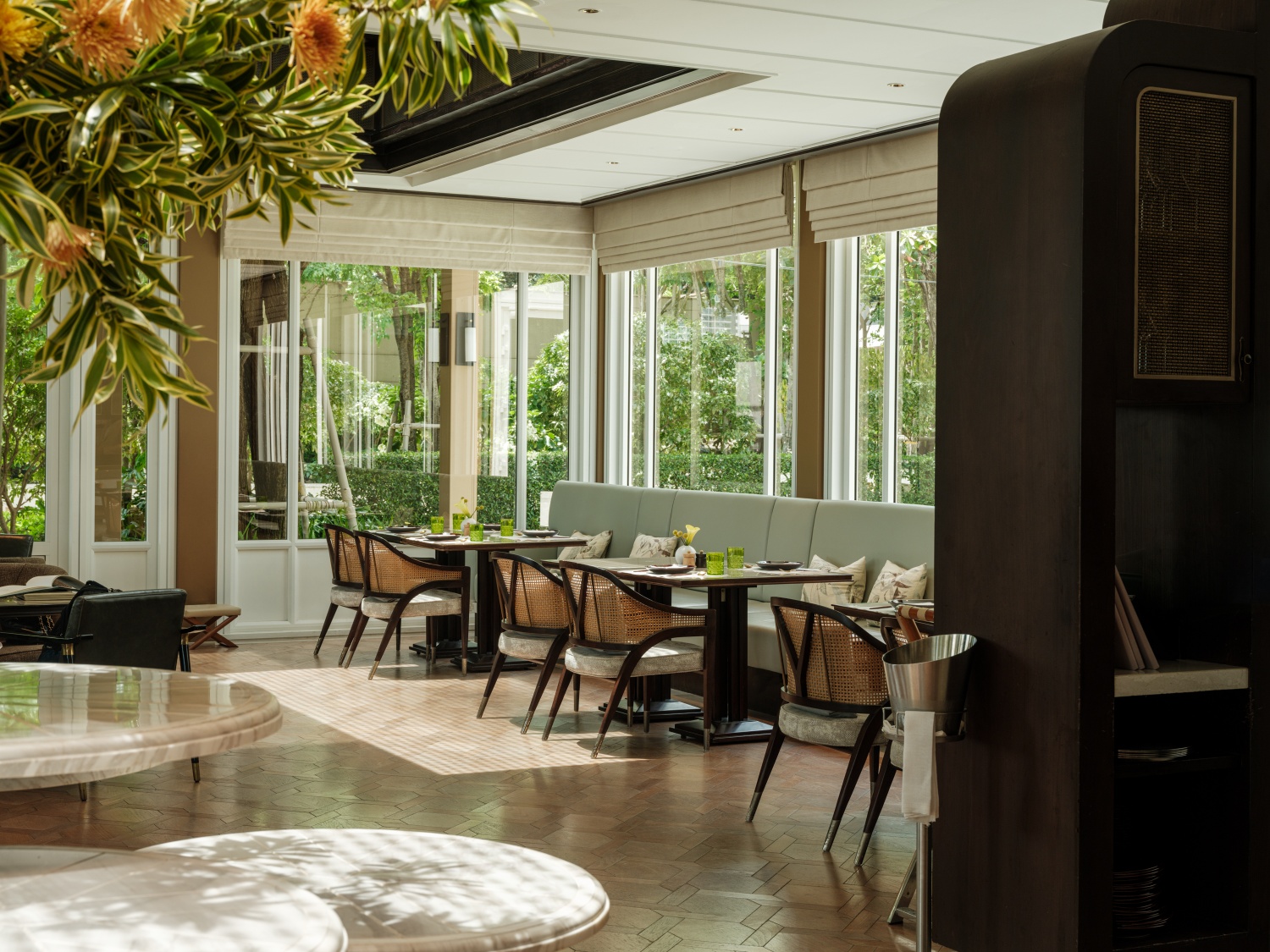
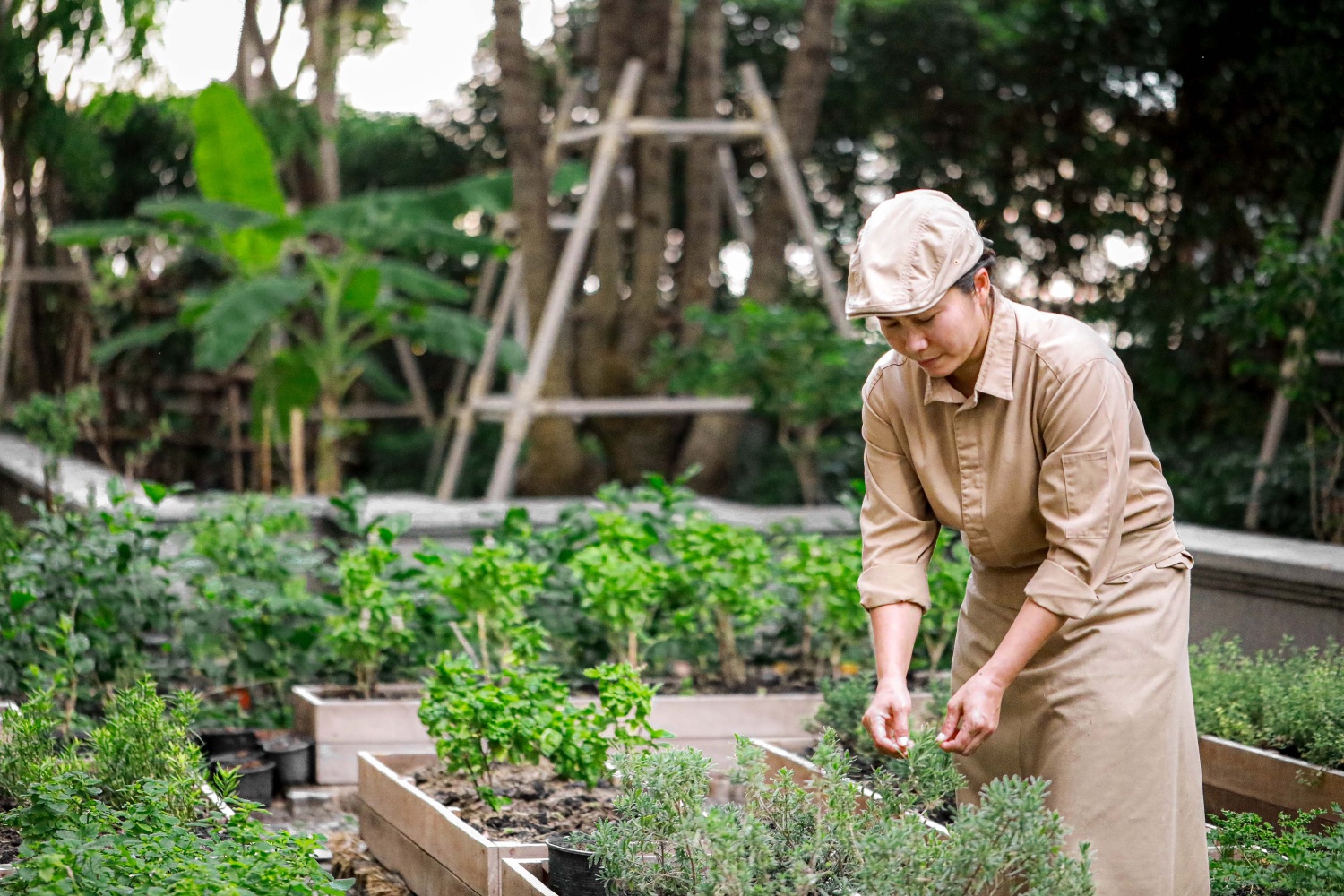
The hotel’s flagship restaurant, Côte by Mauro Colagreco, holds two Michelin stars. Helmed by the renowned Argentine chef behind Mirazur, the restaurant brings a sophisticated interpretation of the French and Italian Rivieras to Bangkok. In contrast, Phra Nakhon serves as a tribute to authentic Thai flavors. Saponara highlights the importance of the hotel’s "Greenhouse," an on-site pesticide-free garden that provides fresh herbs and vegetables for the kitchens. This farm-to-table integration is part of a larger sustainability initiative that includes responsible sourcing and the elimination of single-use plastics.
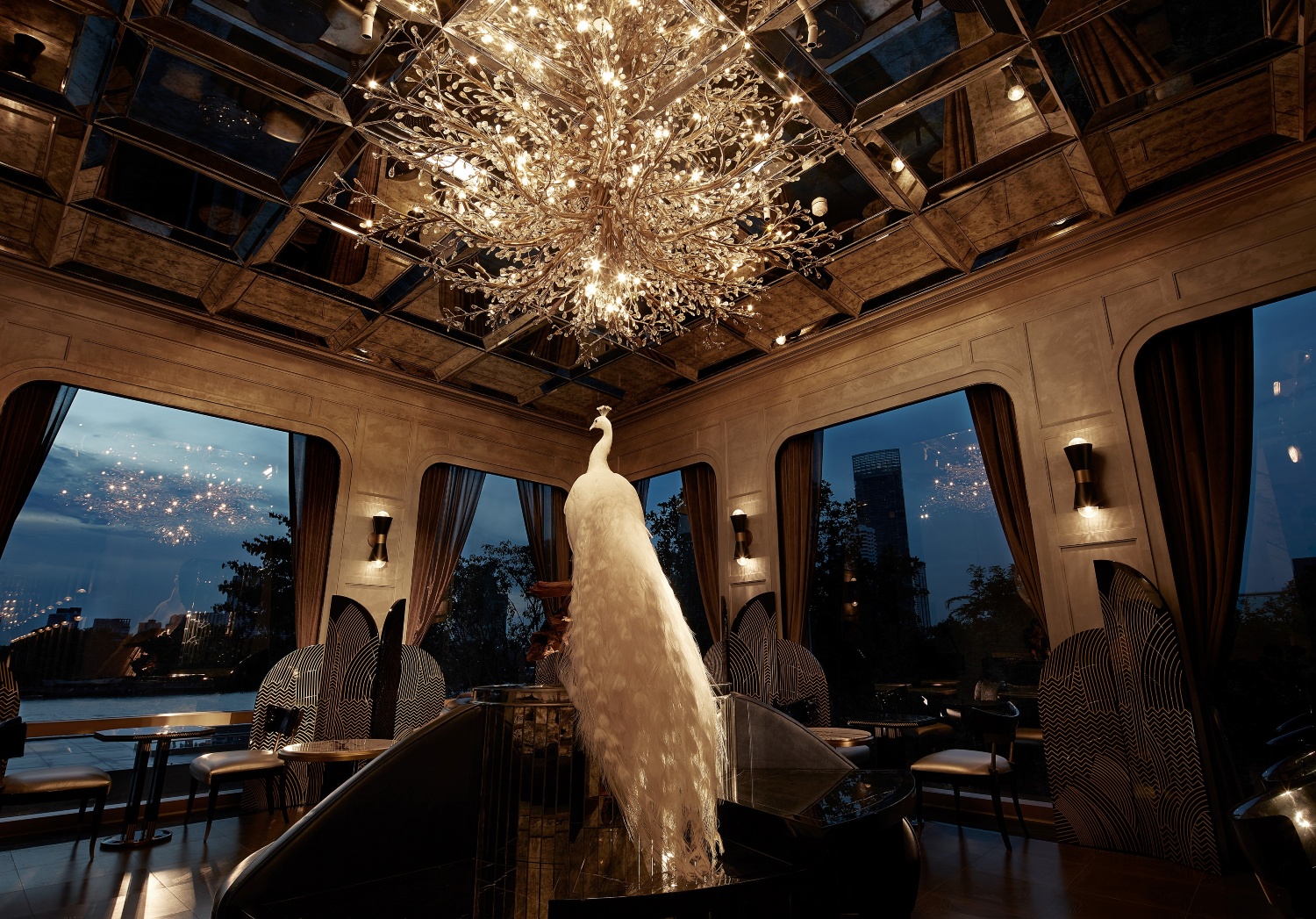
Furthermore, the bar Stella has introduced a new chapter titled "A Journey into the New Siam," which utilizes modern mixology to reinterpret traditional Thai ingredients. The Tea Lounge, overlooking a lily pond and the river, offers a more contemplative space, emphasizing the hotel’s commitment to providing a variety of "atmospheres" within a single property.
Wellness as a Cultural Connection
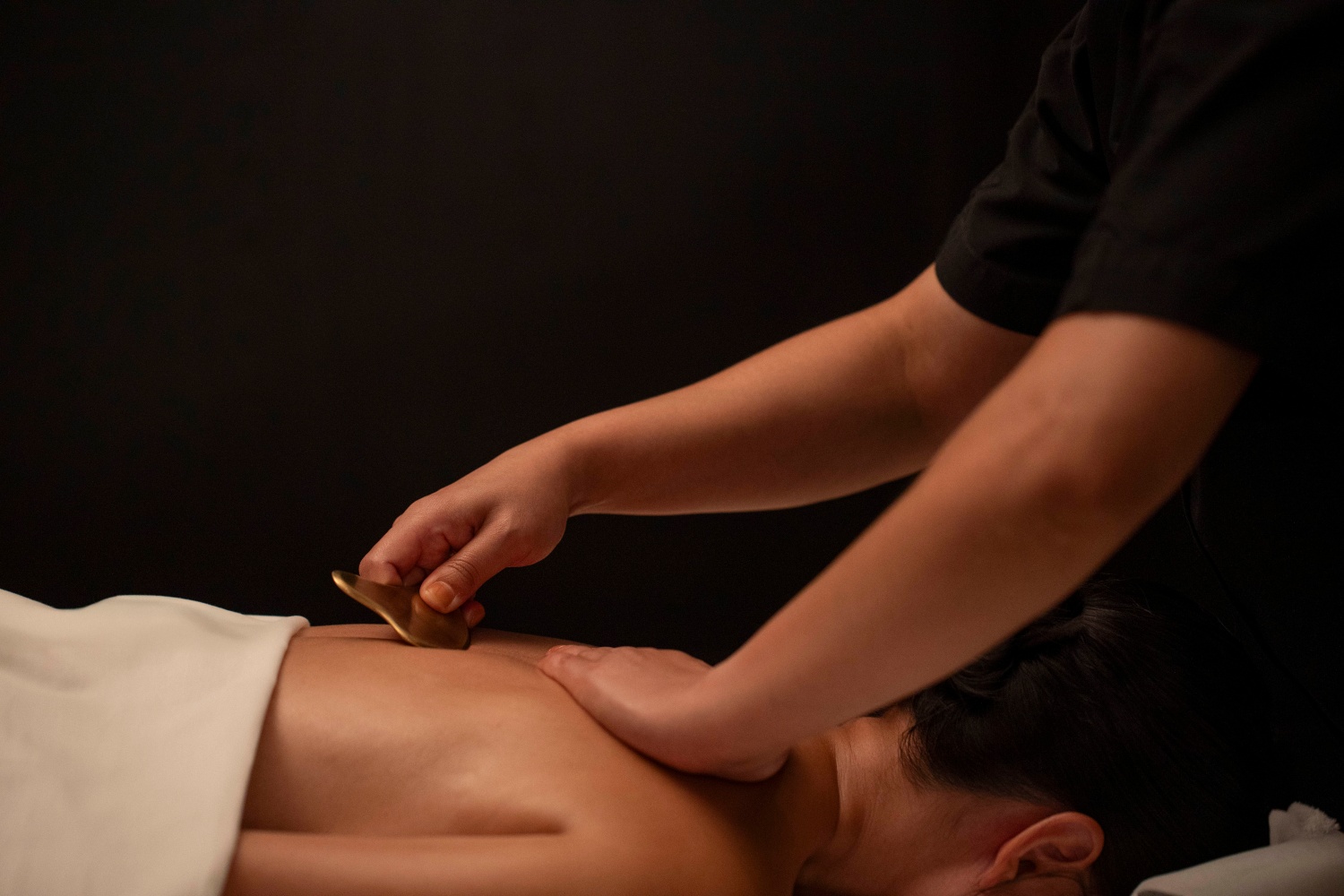
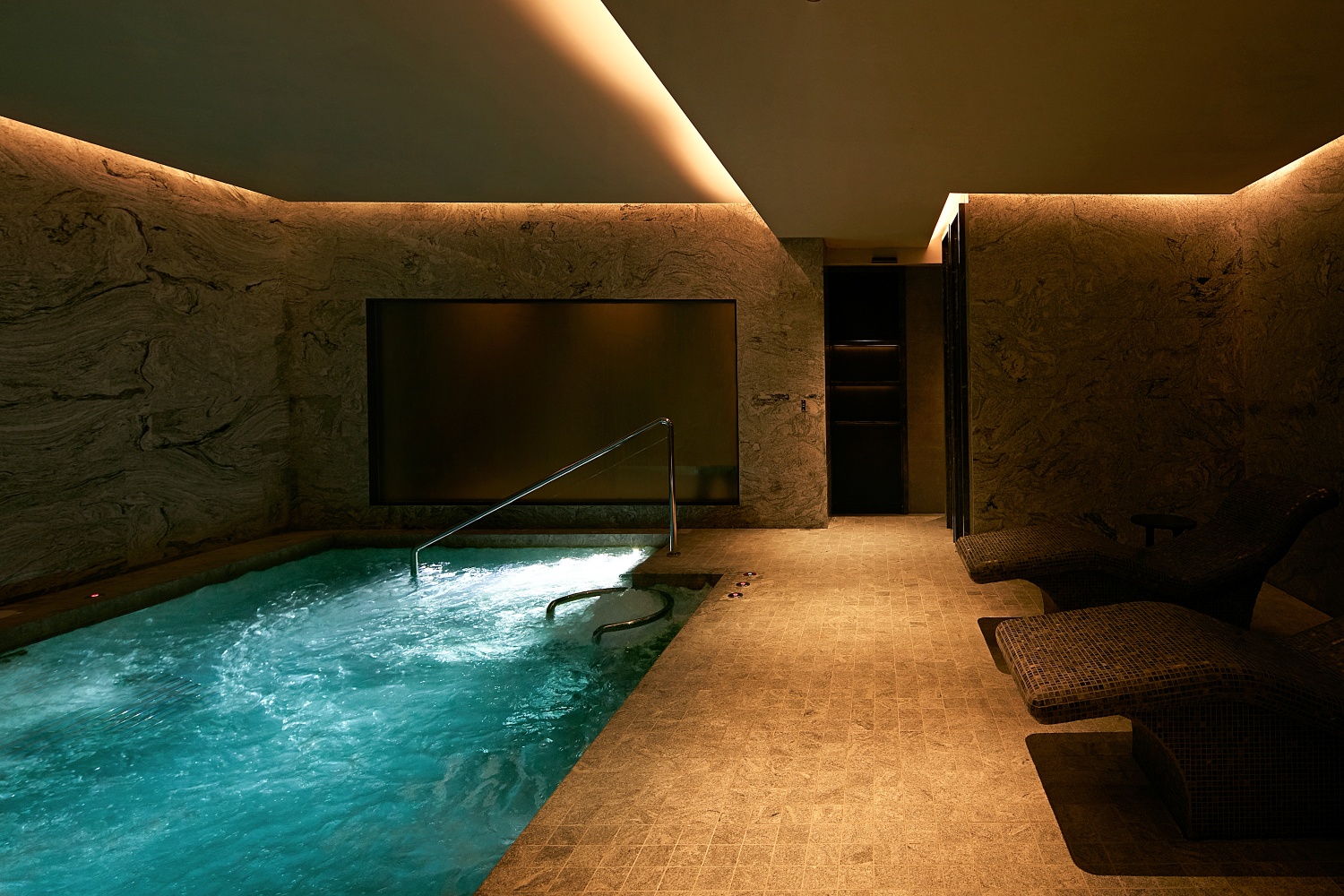
The wellness philosophy at Capella Bangkok, centered around Auriga Wellness, goes beyond traditional spa treatments. Saponara describes it as a "riverside sanctuary" that blends Thai, Chinese, Indian, and European healing traditions. However, the standout feature of their wellness program is its integration of Thai spiritual practices.
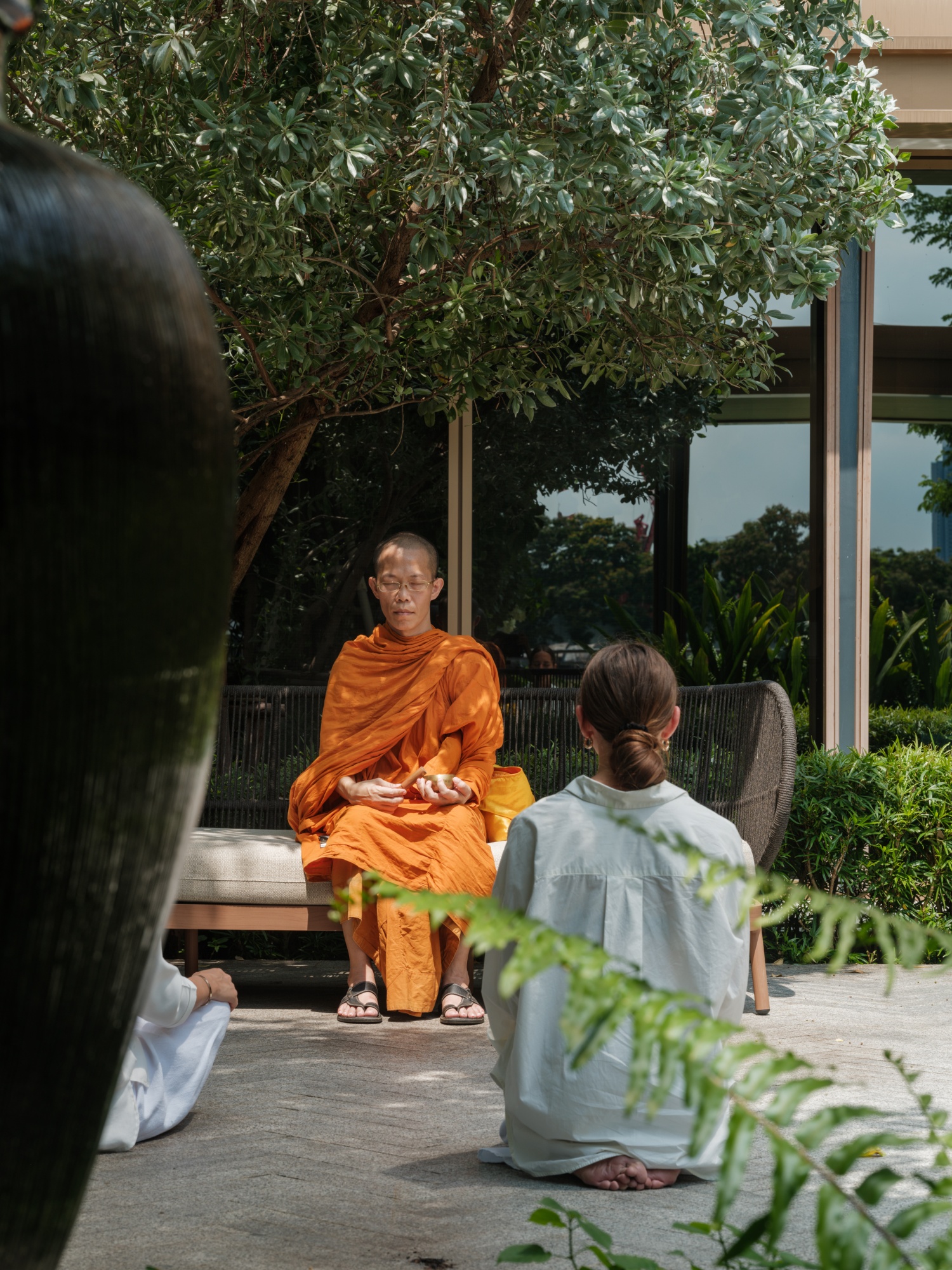
Through the "Capella Curates" program, guests can participate in "A Moment of Meditation" with Monk Phra Ajan Prasert. This guided experience allows visitors to engage with Buddhist traditions in a way that is respectful and educational. Saponara believes that such experiences are vital for modern travelers who seek emotional and mental balance. "Wellness is not simply an amenity," he stated. "It’s part of how we want our guests to feel—more present and perhaps a little more connected to Bangkok and themselves."
Leadership and the Human Element
Saponara’s leadership style is informed by a career spent in some of the world’s most competitive hospitality markets. His time in Shanghai taught him the value of pace and precision, while his tenure in Beijing highlighted the importance of cultural nuance. His experience in the Maldives reinforced the emotional bond between guests and the natural environment.
In Bangkok, Saponara has focused on the "human touch." He maintains that while technology can streamline the guest journey, it cannot replace genuine hospitality. "Genuine hospitality cannot be scripted," he said, emphasizing that his team is encouraged to understand each guest’s preferences intuitively. This philosophy appears to be yielding results; the hotel reports a high rate of returning guests, a key metric for long-term viability in the luxury sector.
Chronology of Key Milestones
- October 2020: Capella Bangkok officially opens its doors as part of the Chao Phraya Estate development.
- 2021: Côte by Mauro Colagreco receives its first Michelin star within a year of operation.
- 2022-2023: The hotel establishes its "Greenhouse" project, solidifying its commitment to sustainable culinary practices.
- 2024: Côte by Mauro Colagreco is elevated to two Michelin stars, and the hotel receives top rankings in "World’s Best" lists by various travel publications.
- 2026: Named Best Global Hotel for Food & Drink by Food & Wine, marking a pinnacle in its culinary strategy.
Broader Implications for the Thai Hospitality Industry
The success of Capella Bangkok has broader implications for Thailand’s tourism strategy. As the country seeks to move away from mass tourism and toward high-value, sustainable travel, properties like Capella serve as a blueprint. The hotel’s focus on the Charoenkrung district has also contributed to the "creative district" movement, encouraging the preservation of historic warehouses and the promotion of local art galleries like Warehouse 30.
Saponara’s personal recommendations for guests—such as visiting the 19th-century temple Wat Prayoon or exploring the "green lung" of Bang Krachao—reflect a desire to distribute tourism benefits beyond the usual hotspots. This local-centric approach is increasingly favored by municipal planners who want to prevent "over-tourism" while maintaining a vibrant cultural fabric.
Future Vision: Evolving with the Modern Traveler
Looking ahead, Saponara envisions Capella Bangkok as a place that continues to evolve without losing its "soul." He predicts that the future of luxury will be defined by how well a hotel understands and remembers its guests. While technology will inevitably play a larger role in operational efficiency, Saponara believes the industry’s ultimate value proposition remains the same: the creation of lasting memories.
"Success, for me, is seeing the same guests return years from now… and still feel that same sense of warmth and familiarity," Saponara concluded. For Capella Bangkok, the objective is to remain a "home by the river," a feat that requires a constant balance between maintaining high standards and fostering a relaxed, authentic atmosphere. As the Bangkok riverfront continues to develop, Capella’s established identity as a bastion of quiet luxury provides it with a competitive edge in an increasingly crowded market.
