
 By admin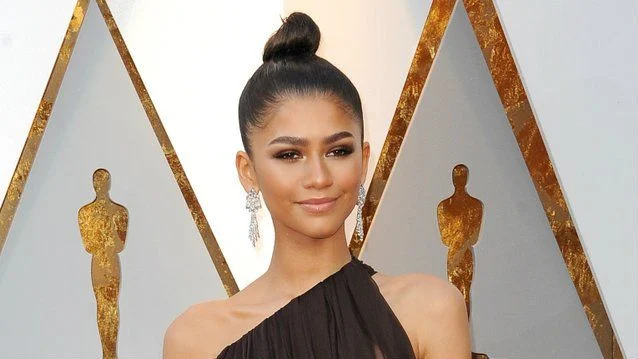
Hollywood star Zendaya recently addressed the widespread confusion surrounding hyper-realistic, AI-generated wedding photos of herself and partner Tom Holland, confirming on Jimmy Kimmel Live! that the images circulating across social media were entirely fabricated. The actress’s candid revelation has not only set the record straight for millions of fans but has also ignited a crucial conversation about the escalating challenges posed by artificial intelligence in an increasingly digital world, particularly concerning celebrity privacy, media literacy, and the rapid spread of misinformation.
The Genesis of a Viral Hoax: AI-Generated Nuptials
The viral images, which depicted Zendaya in a pristine bridal gown and Tom Holland in a classic tuxedo, posed in a series of romantically staged wedding scenes, first appeared online and swiftly captured the internet’s attention. What made these particular images so compelling and deceptive was their remarkable realism, a testament to the sophisticated capabilities of modern AI image generation tools. Many users, including devoted fans of the beloved "Spider-Man" couple, were convinced they were authentic, leading to an explosion of congratulations and speculative headlines across various platforms.
The photos were initially shared by a digital artist on social media. Crucially, the artist had included a clear disclaimer indicating that the images were AI-generated and not real photographs of the celebrities. Despite this explicit labeling, the visual fidelity of the creations proved too powerful, overriding the textual warning for countless viewers. The post rapidly accumulated over 11 million likes, shares, and comments, demonstrating the sheer velocity with which digitally altered content can proliferate in the absence of critical scrutiny. Eventually, in response to the overwhelming misinterpretation and subsequent media attention, the original post was reportedly deleted by the artist, though by then, the images had already been widely disseminated and cached across the internet.
Zendaya’s Candid Confession on Jimmy Kimmel Live!
During her appearance on the popular late-night talk show, Zendaya, known for her composure and directness, directly confronted the rumors that had taken the internet by storm. When prompted about the viral photos, she recounted the surreal experience of encountering fans who genuinely believed she had secretly tied the knot. "Many people have been fooled by them," she stated, emphasizing the pervasive nature of the confusion. She elaborated on personal encounters, sharing, "People were like, ‘Oh my god, your wedding photos are gorgeous.’ And I was like, ‘Babe, they’re AI.’" Her anecdote underscored the alarming degree to which advanced AI imagery can blur the lines between reality and fiction, even in face-to-face interactions.
The revelation provided a much-needed dose of reality amidst fervent speculation. While Zendaya’s comments clarified the fabricated nature of the wedding photos, she deliberately maintained the couple’s characteristic privacy regarding their actual relationship status. It is widely known that Zendaya and Tom Holland, who met on the set of Spider-Man: Homecoming in 2016 and eventually confirmed their romance years later, are engaged. However, the exact timeline and details of their wedding plans, if any, remain undisclosed, further fueling public curiosity and making them prime targets for such viral hoaxes. Their consistent efforts to keep their personal lives out of the spotlight inadvertently contribute to the fertile ground for speculation whenever such realistic, albeit fake, content emerges.
The Relationship Timeline: A History of Public Interest and Private Moments
The public fascination with Zendaya and Tom Holland’s relationship began almost immediately after they were cast as Peter Parker and MJ in the Marvel Cinematic Universe’s Spider-Man franchise. Initial rumors of a romance started circulating in 2017, but both actors consistently denied them, maintaining that they were just close friends. Over the years, paparazzi photos and subtle social media interactions continued to spark speculation among fans and media alike.
It wasn’t until July 2021, when photos of the two kissing in a car emerged, that their relationship was effectively confirmed. Since then, while occasionally offering glimpses into their bond through interviews or social media posts, they have largely upheld a pact of privacy. Holland, in particular, has often spoken about the challenges of their relationship being under constant public scrutiny. The widespread reports of their engagement, while not officially confirmed by the couple, have further cemented their status as one of Hollywood’s most beloved and closely watched pairs. This history of public interest juxtaposed with their desire for privacy creates an environment where hyper-realistic AI-generated content, designed to mimic private moments, can easily gain traction and credibility.
The Broader Landscape: AI’s Impact on Entertainment and Authenticity
This incident is far from isolated; it represents a burgeoning trend within Hollywood and the broader entertainment industry—the rapid rise of hyper-realistic AI-generated content. The capabilities of generative AI models, such as Midjourney, DALL-E, and Stable Diffusion, have advanced exponentially in recent years, enabling users to create incredibly convincing images, videos, and audio clips with minimal effort. These tools are increasingly being utilized for a myriad of purposes, ranging from creative artistic expression to generating marketing materials, and, as evidenced here, fabricating scenarios involving public figures.
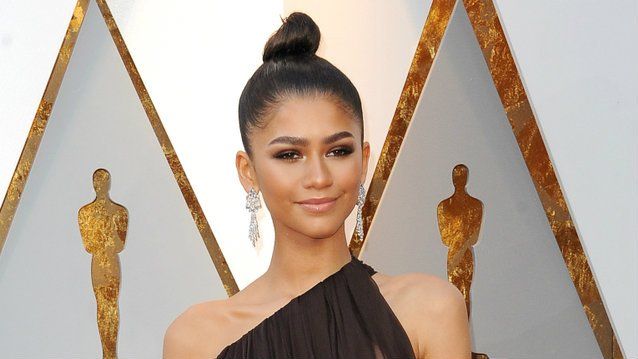
For actors, creators, and indeed, the general public, this technological leap raises profound questions about digital authenticity and media literacy. The ability to distinguish between genuine content and AI-generated fakes is becoming increasingly difficult. This challenge is exacerbated by the architecture of social media platforms, which prioritize engagement and virality, often without adequate mechanisms to fact-check or label AI-generated content effectively before it spreads globally.
The implications for entertainment professionals are multifaceted and concerning. Viral AI content can:
- Damage Reputations: False narratives or inappropriate imagery can tarnish a celebrity’s public image.
- Undermine Trust: If audiences cannot discern real from fake, their trust in media and public figures erodes.
- Create Legal and Ethical Headaches: Issues around intellectual property, deepfake legislation, and the right to one’s own image become more complex.
- Blur Professional and Personal Boundaries: AI can intrude on private lives, creating scenarios that never happened.
- Influence Public Opinion: Fabricated content can manipulate perceptions of events, individuals, or even political discourse.
This incident involving Zendaya and Tom Holland serves as a stark reminder of these growing concerns. It highlights how quickly misinformation can spread, even when an original disclaimer exists, and how challenging it is for individuals to combat narratives amplified by viral algorithms.
Historical Context: A Precedent of Digital Manipulation
While the sophistication of AI has reached new heights, the concept of digitally manipulating celebrity images is not new. Before the advent of generative AI, simpler photo editing tools like Photoshop were often used to create fake paparazzi shots, alter magazine covers, or even composite celebrities into unlikely scenarios. What differentiates the current wave of AI-generated content is its scale, speed, and the inherent difficulty in detecting manipulation without specialized tools.
The rise of "deepfakes" – AI-generated videos or audio that depict individuals saying or doing things they never did – has been a major concern for several years. From politicians delivering fake speeches to actors appearing in non-consensual adult content, deepfake technology has already demonstrated its potential for harm. The Zendaya wedding photos, while less malicious in intent, fall under the broader umbrella of AI-driven visual fabrication, contributing to a landscape where digital evidence can no longer be blindly trusted. This continuous evolution necessitates a heightened sense of skepticism and robust educational efforts for media consumers.
Addressing the Challenge: Industry Response and Media Literacy
The entertainment industry is already grappling with the implications of AI. During the 2023 WGA and SAG-AFTRA strikes, the use of AI to replicate actors’ likenesses and writers’ styles without fair compensation or consent was a central point of contention. Unions are actively seeking stronger protections for talent against unauthorized digital replication. This push for regulation reflects a growing awareness of the need to safeguard creative control and individual rights in the age of AI.
Beyond industry-specific concerns, there is a pressing need for enhanced media literacy education. Individuals must be equipped with the skills to critically evaluate online content, understand the capabilities of AI, and recognize potential indicators of synthetic media. This includes:
- Fact-checking sources: Always cross-reference information with credible news outlets.
- Examining details: Looking for inconsistencies or unnatural elements in images or videos (e.g., distorted hands, unusual backgrounds, uncanny valleys).
- Considering the source: Questioning the motives of those sharing content, especially if it appears too sensational or unbelievable.
- Understanding AI disclaimers: Recognizing that even with disclaimers, content can be misinterpreted.
Social media platforms also bear a significant responsibility. Implementing clearer labeling for AI-generated content, developing more effective detection tools, and adjusting algorithms to prioritize verified information over viral misinformation are crucial steps in mitigating the spread of such hoaxes. Some platforms have begun experimenting with AI detection tools and content labels, but the arms race between AI generation and detection is ongoing.
Conclusion: A Call for Critical Engagement in the Digital Age
Zendaya’s direct response to the viral AI wedding photos serves as a potent reminder of the fragility of truth in the digital era. While the incident, in this case, revolved around celebrity romance, its implications extend far beyond the entertainment sphere, touching upon issues of trust, privacy, and the integrity of information itself.
The ease with which convincing, yet fabricated, narratives can proliferate online underscores a fundamental shift in how we consume and interpret media. It demands a collective commitment to critical thinking and a proactive approach to media literacy. As AI technology continues its rapid advancement, the onus is on individuals, tech companies, and regulatory bodies alike to navigate this complex landscape responsibly. In a world where not everything that looks real actually is, even global stars like Zendaya are not immune to the effects of AI-driven viral trends, making the ability to question what we see online more essential than ever before.