
 By Eva Lovia
While genetics play a significant role in determining an individual’s natural skin type, including oil production, dietary choices can profoundly influence the quantity and quality of sebum secreted by the skin. Registered Dietitian Nutritionist Molly Knudsen, M.S., RDN, highlights that understanding this connection is crucial for managing oily skin and potential acne breakouts. The body requires a certain level of sebum for skin barrier function, providing essential fatty acids, ceramides, and antioxidants. However, an overproduction of sebum, often referred to as seborrhea, can lead to clogged pores and acne. This article delves into the dietary factors contributing to oily skin and offers evidence-based recommendations for foods that can help regulate sebum production and promote healthier skin.
The Gut-Skin Axis: Unraveling the Dietary Connection to Oily Skin
The intricate relationship between the digestive system and the skin, known as the gut-skin axis, is a growing area of scientific interest. Emerging research suggests that the composition of the gut microbiome can influence systemic inflammation and hormonal balances, both of which are intrinsically linked to skin health and oil production. Knudsen explains that when the body experiences internal imbalances, these can manifest externally, impacting skin conditions like oiliness and acne. While specific foods may not directly "treat" acne, their impact on internal processes can either exacerbate or alleviate skin concerns.
Historically, dietary advice for acne has often been anecdotal. However, a growing body of scientific literature is beginning to validate and expand upon these observations, providing a more nuanced understanding of how food affects our skin. This shift towards an evidence-based approach underscores the importance of a holistic perspective, considering both topical treatments and internal nutrition for comprehensive skin management.
Identifying the Culprits: Foods That May Exacerbate Oily Skin
Several dietary patterns and specific food groups have been identified as potential contributors to increased oil production and acne. These often stem from the prevalence of Western dietary habits, characterized by an imbalance in essential fatty acids and a high intake of refined carbohydrates and sugars.
Unhealthy Vegetable Oils and Fatty Acid Imbalance
A cornerstone of the Western diet is its disproportionately high ratio of omega-6 to omega-3 fatty acids, often cited as ranging from 10:1 to 20:1, compared to a more balanced 2:1 to 3:1 ratio found in non-Western diets. Omega-6 fatty acids, while essential, can promote pro-inflammatory processes within the body when consumed in excess. Scientific studies have linked these inflammatory pathways to the development and severity of acne. While not all omega-6 rich oils are inherently unhealthy, the sheer volume consumed in many modern diets, often from processed foods and common cooking oils like soybean, corn, and sunflower oil, can create an inflammatory environment that may negatively impact skin health. This imbalance can disrupt the body’s natural anti-inflammatory responses, potentially leading to increased sebum production.
High Glycemic Foods and Their Hormonal Impact
Foods with a high glycemic index (GI) or glycemic load (GL) significantly impact blood sugar levels. Refined carbohydrates, such as white bread, pasta, sugary cereals, and sweetened beverages, are rapidly digested, leading to a swift increase in blood glucose. This spike in blood sugar triggers a surge in insulin production. Insulin, in turn, can stimulate the production of androgens, commonly known as male hormones, which are present in both men and women. Elevated androgen levels have been directly correlated with increased sebum production in the skin. Furthermore, high insulin levels can prompt the skin to generate more skin cells, potentially exacerbating existing acne by contributing to pore blockages. This hormonal cascade initiated by high-glycemic foods creates a fertile ground for increased oiliness and acne breakouts.
The Dairy Debate: Insulin, IGF-1, and Acne Severity
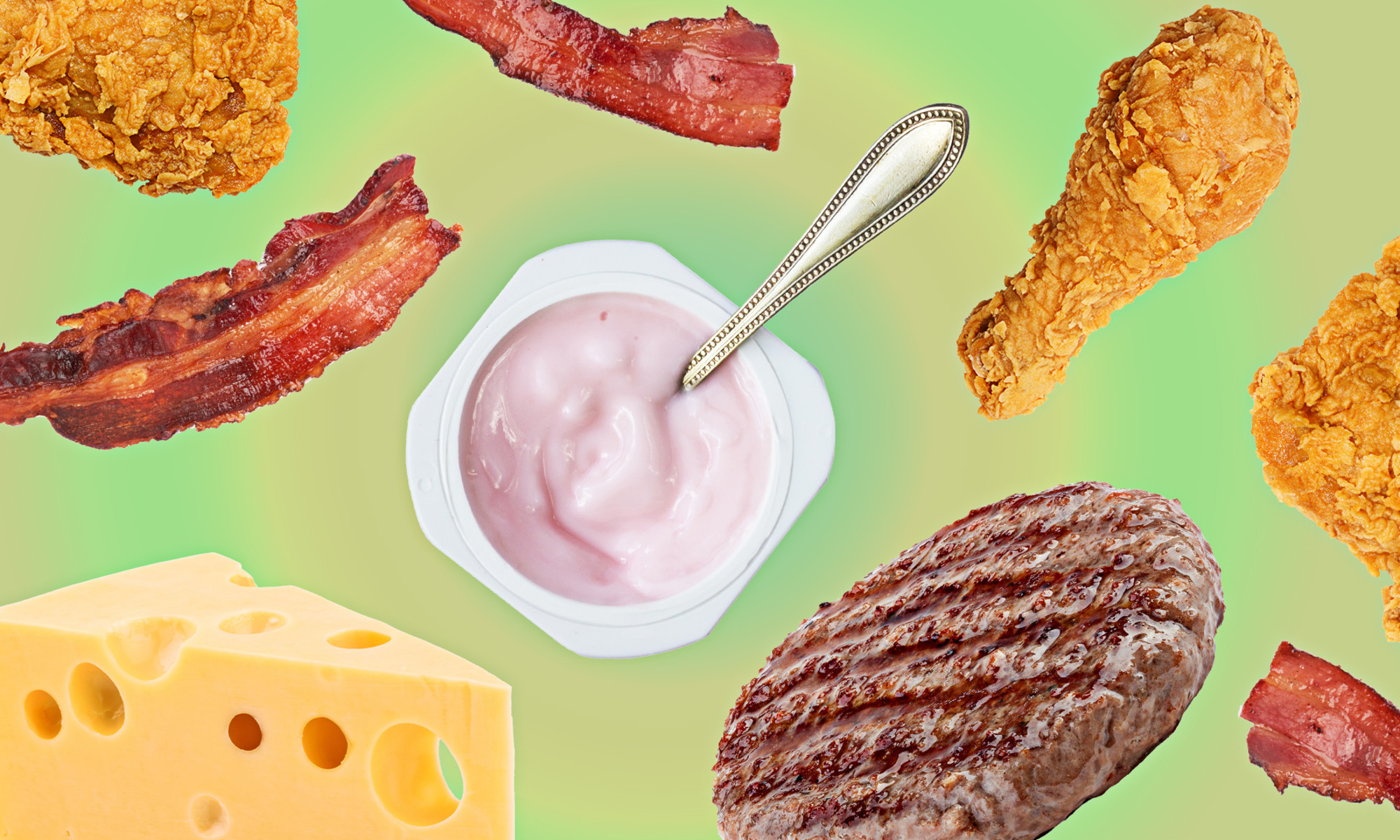
Dairy products have long been implicated in acne development, and research offers some scientific backing for this association. Similar to high-glycemic foods, the amino acid profile of milk can stimulate the release of insulin and insulin-like growth factor 1 (IGF-1). IGF-1 has been shown to correlate with increased acne severity. A comprehensive systematic review and meta-analysis examining dairy intake across nearly 80,000 individuals aged 7 to 30 years found a statistically significant association between daily milk consumption and a higher likelihood of experiencing acne compared to those who abstained from milk.
However, it is crucial to acknowledge that the evidence is not definitive for everyone. Many studies are observational, and individual sensitivities or mild intolerances to dairy components might play a role in specific cases. For individuals who consume dairy without experiencing adverse skin reactions, there may be no need for complete elimination, especially considering the nutritional benefits of dairy. The decision to include or exclude dairy should ideally be personalized, based on individual responses and professional guidance.
Greasy Foods: A Misconception and a Caution
Contrary to popular belief, directly consuming greasy or fatty foods does not directly cause the skin to produce more oil. The sebaceous glands’ oil production is not typically influenced by the fat content of ingested food in this manner. However, this does not absolve these foods from contributing to skin issues. The concern with greasy foods often lies in indirect factors. For instance, touching one’s face after handling greasy foods, or being in environments saturated with grease (such as commercial kitchens), can introduce external oils and contaminants to the skin, leading to clogged pores and breakouts. Therefore, while the food itself might not be the direct culprit for increased oil production, hygiene and environmental factors associated with consuming them can pose a risk.
Nourishing Your Skin: Foods That Support Balanced Oil Production
Fortunately, a variety of nutrient-dense foods can help regulate sebum production, reduce inflammation, and promote overall skin health. Incorporating these into one’s diet can be a proactive approach to managing oily skin.
Omega-3 Fatty Acids: The Anti-Inflammatory Powerhouses
To counteract the pro-inflammatory effects of an omega-6 dominant diet, increasing the intake of omega-3 fatty acids is paramount. Fatty fish such as salmon, mackerel, and sardines are excellent sources of EPA (eicosapentaenoic acid) and DHA (docosahexaenoic acid), highly bioavailable forms of omega-3s. Research has indicated a correlation between higher consumption of omega-3 rich foods and lower rates of acne. These fatty acids are potent anti-inflammatories, playing a role in pathways that can quell the secretion of pro-inflammatory cytokines and reduce leukotriene B4 synthesis, both of which are beneficial in managing acne.

Gamma-Linolenic Acid (GLA): A Beneficial Omega-6
While an excess of omega-6 fatty acids can be detrimental, gamma-linolenic acid (GLA) is a specific omega-6 fatty acid that has demonstrated benefits for skin health. GLA is found in seeds like evening primrose, borage, and hemp hearts. Studies have explored the effects of both topical and dietary supplementation with GLA-rich oils for inflammatory skin conditions. One notable intervention study involving women found that supplementation with both GLA-rich borage oil and flaxseed oil (rich in alpha-linolenic acid, an omega-3) led to improvements in skin condition, including reduced redness and enhanced hydration, after 12 weeks. Proper skin hydration is critical, as dehydrated skin may compensate by overproducing oil. Incorporating hemp hearts into meals, such as oatmeal, smoothies, or salads, offers a convenient way to increase GLA intake.
Probiotic-Rich Foods: Cultivating a Healthy Gut Microbiome
The gut-skin axis highlights the profound connection between gut health and skin appearance. Probiotics, the beneficial live microorganisms residing in the gut, can positively influence skin health through their role in regulating systemic inflammation and metabolic functions. A healthy gut microbiome can produce beneficial substances that modulate skin cell turnover and fat metabolism. Fermented foods like yogurt (ensure it contains live and active cultures), kefir, kimchi, and sauerkraut are excellent sources of probiotics. These foods introduce beneficial bacteria to the gut, helping to rebalance the microbiome and potentially leading to clearer, less oily skin.
Prebiotic-Rich Foods: Fueling Beneficial Gut Bacteria
Prebiotics are non-digestible fibers that serve as food for the beneficial bacteria in the gut. By nourishing these microbes, prebiotics indirectly support the production of beneficial substances, such as short-chain fatty acids (SCFAs), which have systemic health benefits. Foods rich in prebiotics include asparagus, bananas, Jerusalem artichokes, chicory root, and garlic. When these prebiotics are fermented by gut bacteria, they yield SCFAs that contribute to overall health, including the health of the skin. A diet that incorporates both prebiotics and probiotics is considered essential for maintaining a balanced and thriving gut microbiome, which in turn can positively influence skin health and oil regulation.
The Takeaway: A Holistic Approach to Oily Skin Management
Managing oily skin and associated acne requires a comprehensive approach that extends beyond topical treatments. Understanding the intricate connection between diet, gut health, and skin function is paramount. While research into the specific dietary triggers for skin conditions is continuously evolving, current evidence suggests that overall dietary quality plays a more significant role than individual "trigger" foods. By focusing on a diet rich in healthy fats, complex carbohydrates, and beneficial bacteria from both probiotic and prebiotic sources, individuals can proactively support their skin’s natural oil regulation and reduce the likelihood of breakouts.
The scientific consensus points towards a diet that emphasizes whole, unprocessed foods, balanced fatty acid profiles, and supports a healthy gut microbiome as the foundation for healthier skin. This holistic perspective empowers individuals to make informed dietary choices that contribute to a more balanced complexion and overall well-being.