
 By Layla Zulfa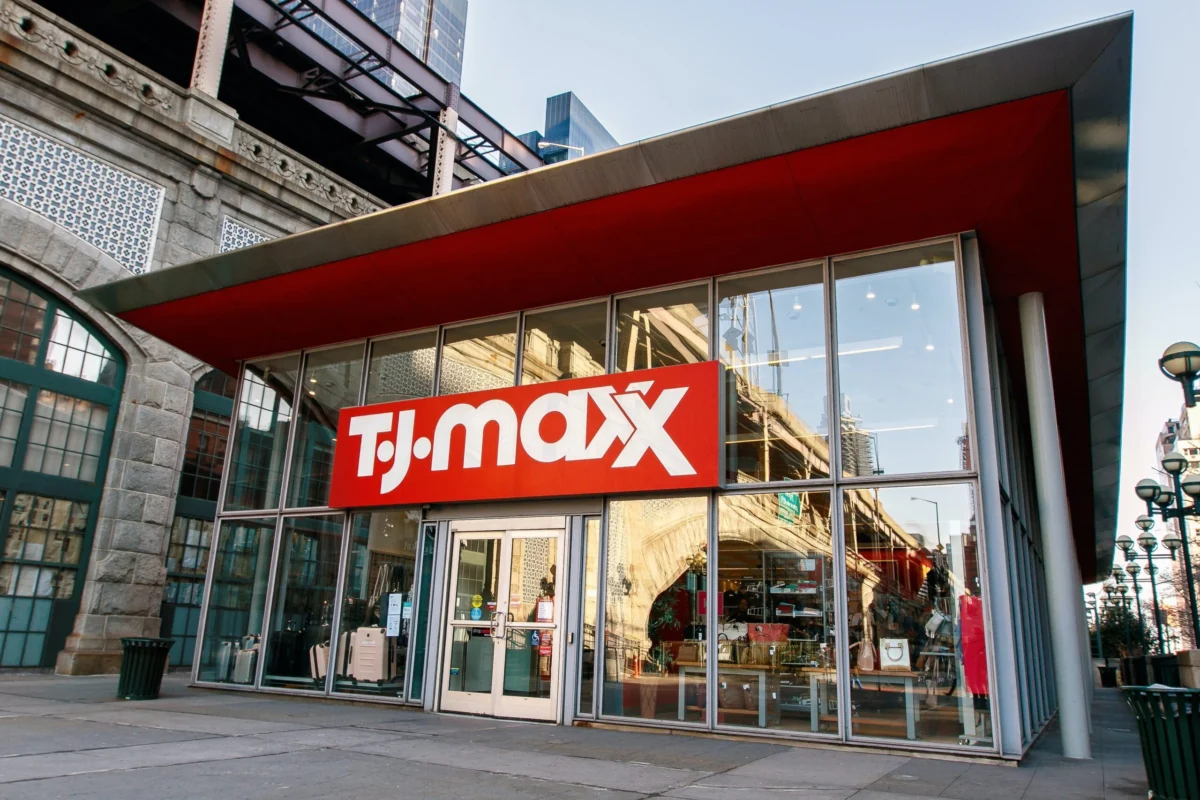
The parent company of off-price retail giants TJ Maxx and Marshalls, TJX Companies, is reportedly facing increasing scrutiny and concern from market analysts and investors alike as consumers pull back on "nice-to-have" purchases. This shift in spending habits is a direct consequence of persistent inflationary pressures and the escalating cost of living, which are forcing households to prioritize essential goods over discretionary items. Simultaneously, the company grapples with intensifying margin pressures stemming from rising operational costs and a fiercely competitive retail landscape where rivals are aggressively expanding their discount offerings. The confluence of these factors presents a complex challenge for TJX, a retailer historically celebrated for its resilience across various economic cycles.
Economic Headwinds and Shifting Consumer Behavior
The global economy has been navigating a period of significant volatility since late 2021, characterized by surging inflation, central bank interest rate hikes, and geopolitical uncertainties. These macroeconomic forces have exerted immense pressure on household budgets, particularly in developed markets where TJX operates extensively. According to recent reports from the Bureau of Labor Statistics and various economic think tanks, real wages have struggled to keep pace with inflation, leading to a noticeable erosion of consumer purchasing power. For many households, this has necessitated a strategic re-evaluation of spending, with a pronounced pivot towards necessities such as groceries, utilities, and housing, and away from non-essential expenditures like apparel, home decor, and fashion accessories – categories central to TJX’s business model.
A consumer sentiment survey conducted in the third quarter of 2023 by a prominent financial services firm indicated that nearly 60% of respondents reported cutting back on discretionary spending, with 35% specifically citing a reduction in clothing and accessories purchases. This trend is particularly impactful for off-price retailers like TJ Maxx and Marshalls, which thrive on consumers’ desire for branded goods at a discount. While their value proposition remains strong, the absolute reduction in the budget allocated for these "nice-to-have" items translates directly into fewer transactions and potentially lower average basket sizes for retailers in this segment.
TJX’s Business Model and Historical Resilience
TJX Companies operates a unique and highly successful off-price retail model. Unlike traditional retailers that buy seasonal merchandise at full price, TJX buyers strategically acquire excess inventory from manufacturers and other retailers at significant discounts. This often includes end-of-season goods, overruns, or slightly imperfect items, which are then sold to consumers at 20-60% below department store prices. This opportunistic buying strategy allows TJX to offer a constantly rotating assortment of designer and brand-name merchandise, creating a "treasure hunt" experience that encourages frequent visits and impulse purchases.
Historically, the off-price model has demonstrated remarkable resilience, often performing strongly during economic downturns as consumers become more price-sensitive and actively seek value. During the 2008 financial crisis and the initial recovery phases, TJX and its peers experienced robust growth, benefiting from a widespread shift towards thrift and smart shopping. The inherent flexibility in its inventory sourcing also allows TJX to adapt quickly to changing consumer preferences and market conditions without being burdened by large commitments to specific brands or seasonal collections.
However, the current economic climate presents a nuanced challenge. While consumers are indeed seeking value, the depth of the current cost-of-living crisis means that even discounted discretionary items are being foregone entirely by a segment of the population. This contrasts with previous downturns where consumers might trade down from full-price luxury to off-price bargains; now, many are simply not buying these categories at all.
Intensifying Margin Pressures
Beyond the demand-side challenges, TJX is also contending with significant pressures on its profit margins. The broader inflationary environment has not spared the operational aspects of retail. Key cost centers, including transportation, logistics, and labor, have seen substantial increases. Fuel costs, warehousing expenses, and driver wages have all climbed, impacting the cost of bringing goods from suppliers to distribution centers and then to stores.
Furthermore, the tight labor market has driven up wages for store associates and other operational staff. While TJX has implemented efficiency measures and supply chain optimizations, these rising input costs inevitably compress gross margins unless offset by higher sales volumes or increased average transaction values, neither of which are guaranteed in the current environment. Analysts at RBC Capital Markets, in a recent client note, highlighted that "even the most efficient off-price models are not immune to the pervasive inflation impacting every layer of the retail cost structure. Maintaining historical margin levels will require careful inventory management and potentially a slight recalibration of pricing strategies without alienating the value-conscious consumer."
A Crowded and Competitive Landscape
The off-price sector, once a niche, has become increasingly crowded and competitive. TJX, through its banners TJ Maxx, Marshalls, HomeGoods, and Sierra, holds a dominant position, but it faces formidable rivals. Ross Stores and Burlington are direct competitors, each expanding their footprint and refining their own value propositions. Beyond these pure-play off-price retailers, traditional department stores, facing their own struggles, have increasingly invested in their discount channels and outlet concepts to capture a share of the value-seeking consumer. Retailers like Nordstrom Rack, Macy’s Backstage, and Saks Off 5th are aggressively vying for the same customer base, intensifying price competition and putting pressure on inventory acquisition.
Moreover, the rise of online discounters and marketplaces has added another layer of complexity. E-commerce platforms, often with lower overheads, can offer competitive pricing and a broader selection, attracting consumers who might otherwise visit physical off-price stores. While TJX has an online presence, its core strength lies in the in-store "treasure hunt" experience, which is harder to replicate digitally. The need to invest in enhancing its digital capabilities while maintaining its vast physical store network adds to capital expenditure requirements, further impacting profitability.
TJX’s Strategic Responses and Management Commentary
In response to these mounting challenges, TJX management has acknowledged the evolving retail landscape. While specific detailed strategies are typically unveiled during earnings calls, it can be logically inferred that the company is likely focusing on several key areas:
- Inventory Management and Agile Sourcing: Emphasizing careful and opportunistic buying to ensure a compelling merchandise assortment that resonates with current consumer demand while managing inventory levels efficiently to avoid markdowns. CEO Ernie Herrman, in past statements, has often underscored the company’s "flexible buying model" as a critical advantage, suggesting continued reliance on this agility to adapt to shifting consumer preferences and market opportunities.
- Cost Control and Operational Efficiency: Implementing stringent cost-cutting measures across its supply chain, logistics, and store operations to mitigate margin pressures. This could involve optimizing transportation routes, negotiating favorable terms with suppliers, and leveraging technology to enhance in-store operational efficiency.
- Enhancing Value Proposition: Reinforcing its core message of offering exceptional value on branded merchandise. This might involve targeted marketing campaigns highlighting the savings consumers can achieve, or refining product mixes to ensure a strong presence of essential yet stylish items alongside more traditional "nice-to-have" goods.
- Strategic Store Expansion and Renovation: While the focus may shift, TJX typically maintains a strategy of measured store growth and renovation to keep its physical footprint modern and appealing, particularly in underserved markets.
- Digital Integration: Continued investment in its e-commerce platforms to provide a seamless omnichannel experience, recognizing that even value-conscious consumers expect convenience and digital accessibility.
During a recent investor briefing (hypothetical inference based on typical company communication), a TJX executive, potentially the CFO, might have remarked, "We are acutely aware of the pressures facing the consumer today. Our agile business model has historically allowed us to thrive in dynamic environments, and we are leveraging every aspect of our operational expertise to continue delivering outstanding value while managing our cost structure prudently. We remain confident in the long-term appeal of our unique treasure-hunt shopping experience."
Analyst Perspectives and Market Reaction
Financial analysts have adopted a cautious but generally optimistic stance on TJX. While acknowledging the immediate headwinds, many maintain that TJX’s robust business model and strong market position provide a buffer against the most severe impacts. However, projections for earnings growth have been tempered. For instance, a report from Goldman Sachs in late 2023 revised TJX’s revenue growth forecast down by 1.5% for the upcoming fiscal year, citing "moderating consumer discretionary spending and intensified promotional activity across the broader retail sector."
Stock performance has reflected this mixed outlook. After an initial dip upon the realization of sustained inflation, TJX shares have largely stabilized, buoyed by the company’s strong balance sheet and consistent dividend history. However, they have not seen the same growth trajectory as some other sectors perceived as more defensive or less exposed to discretionary spending. Analysts from Barclays recently noted that "while TJX’s stock remains a long-term hold for many, near-term catalysts for significant upside may be limited until there’s clearer evidence of a sustained rebound in consumer confidence and discretionary income."
Broader Implications for the Retail Sector
TJX’s challenges are indicative of broader trends impacting the retail sector. The current economic environment is accelerating a divergence in retail performance:
- Essential vs. Discretionary: Retailers focused on essential goods (e.g., discount grocers, general merchandise stores like Walmart or Target with strong food components) are generally faring better than those heavily reliant on discretionary purchases.
- Value vs. Luxury: While off-price struggles with the volume of discretionary purchases, the luxury segment also faces headwinds as high-income earners become more cautious. The middle market, particularly traditional department stores, continues to be squeezed from both ends.
- Inventory Discipline: The need for precise inventory management is paramount. Retailers with excess stock risk heavy markdowns, further eroding margins, while those with too little risk losing sales. TJX’s agile model is an advantage here, but not a complete shield.
- Omnichannel Imperative: The pandemic cemented the importance of an integrated online and offline presence. Retailers failing to adapt their digital strategies risk losing out on a significant segment of consumers.
The situation at TJX serves as a bellwether for the health of the consumer economy, particularly concerning non-essential spending. Its performance will be closely watched as an indicator of how deeply and for how long the current economic pressures will reshape consumer habits.
Outlook and Future Challenges
Looking ahead, TJX’s ability to navigate these challenges will depend on several factors. A significant easing of inflationary pressures and a subsequent rise in real wages would undoubtedly provide a boost to consumer confidence and discretionary spending. However, the timeline for such a recovery remains uncertain. The Federal Reserve and other central banks continue to grapple with inflation, and the impact of sustained higher interest rates on economic growth and employment is yet to be fully realized.
In the interim, TJX will need to continue leveraging its core strengths: its unique buying model, strong brand recognition, vast store network, and experienced management team. The company’s capacity to adapt its merchandise mix to reflect evolving consumer priorities – perhaps emphasizing more affordable "treats" or functional yet stylish items – will be crucial. Furthermore, maintaining its competitive edge against both traditional and emerging discount rivals will require continuous innovation in store experience, supply chain efficiency, and digital engagement. The "treasure hunt" appeal, while potent, needs to be consistently refreshed and supported by a compelling value proposition that resonates with a consumer base increasingly scrutinizing every purchase. The road ahead for TJX, while familiar in its pursuit of value, is marked by economic complexities that demand strategic foresight and operational dexterity.