
 By admin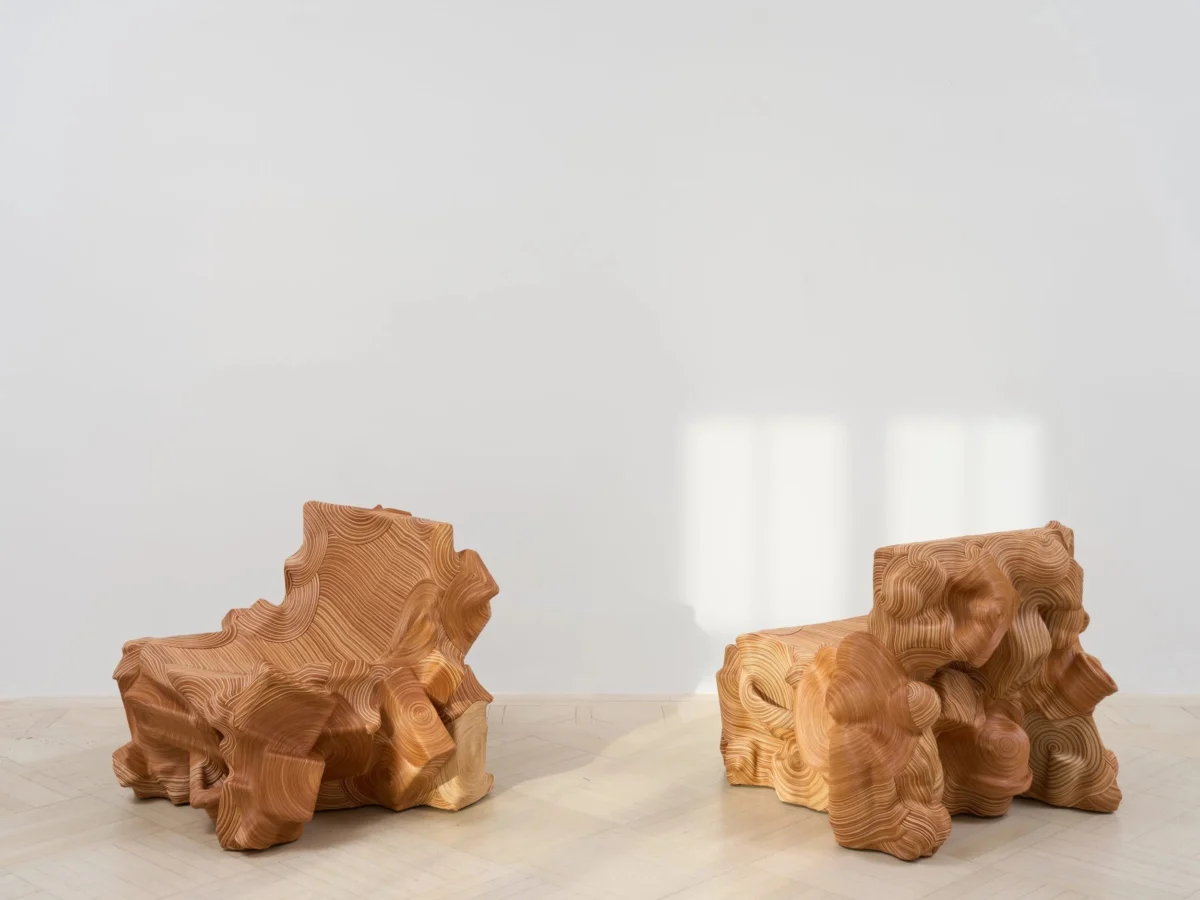
The global collectable design market has witnessed a seismic shift over the last decade, transitioning from a niche interest for connoisseurs to a robust pillar of the international art world. As auction houses like Christie’s and Sotheby’s report record-breaking figures for 20th and 21st-century design, the "collectable chair" has emerged as the quintessential medium for this movement. No longer viewed merely as a utilitarian object, the chair has become a canvas for sculptural intent, material experimentation, and cultural narrative. From the avant-garde studios of Seoul to the historic galleries of Paris, a new generation of designers is challenging the boundaries of domestic space, transforming the act of sitting into an intellectual and aesthetic experience.
This evolution is fueled by a deliberate rejection of mass-production models that defined the mid-century modern era. While the 20th century sought to bring good design to the masses through scalability, the 21st-century "design-art" movement prioritizes rarity, craftsmanship, and conceptual depth. Industry analysts note that the rise of digital marketplaces and specialized design fairs, such as Design Miami, PAD Paris, and Collectible Brussels, has provided a global platform for these one-of-a-kind and limited-edition pieces. These chairs serve as storytelling devices, where the convergence of form, texture, and structure conveys a distinct vision grounded in environmental insights, personal history, or architectural theory.
The Economic and Cultural Context of Collectable Design
The financialization of furniture has turned functional objects into high-yield assets. According to market reports from Art Basel and UBS, the demand for limited-edition design grew by double digits between 2019 and 2024. Collectors are increasingly looking for "investment-grade" furniture that offers the same provenance and scarcity as fine art. In this climate, the chair—often referred to as the "portrait" of furniture design—is the most sought-after typology. It is an object that must reconcile the rigid requirements of human ergonomics with the boundless freedom of artistic expression.
The following eight designs represent the current zenith of this movement, showcasing how designers are utilizing unconventional mediums—ranging from salvaged industrial waste to precision-cast resins—to redefine the interior landscape.
1. Reclaimed Narratives: Sae Jung Oh’s Salvage Chair
Sae Jung Oh, a South Korean designer based in Rhode Island, has gained international acclaim for her "Salvage" series, which addresses the excess of consumer culture. Her Salvage Chair is a masterclass in the reconstruction of urban detritus. By meticulously wrapping discarded objects—such as electrical cables, plastic parts, and salvaged metal—in thin strips of jute or leather, she creates a unified, organic form that masks its chaotic origins.
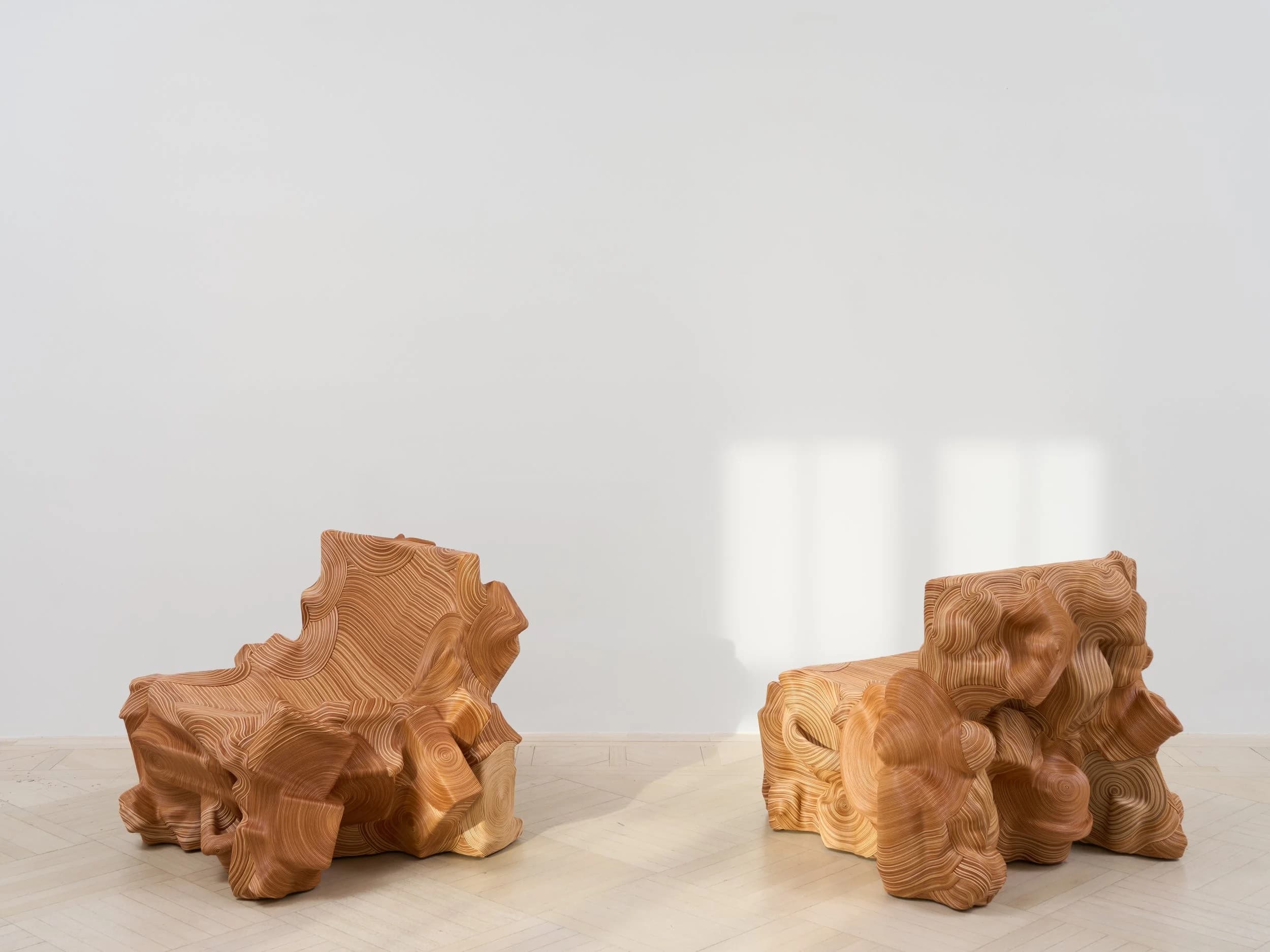
The process-driven nature of Oh’s work means that each chair takes hundreds of hours to complete, ensuring that no two pieces are identical. The engineering challenge lies in maintaining structural integrity while working with an unpredictable internal armature of "trash." Beyond its aesthetic appeal, the Salvage Chair serves as a critique of the "throwaway" society, elevating overlooked industrial remnants into a high-value collectible that resides in the permanent collections of major museums, including the Cooper Hewitt, Smithsonian Design Museum.
2. Liquid Form: Faye Toogood’s Roly-Poly Raw Chair
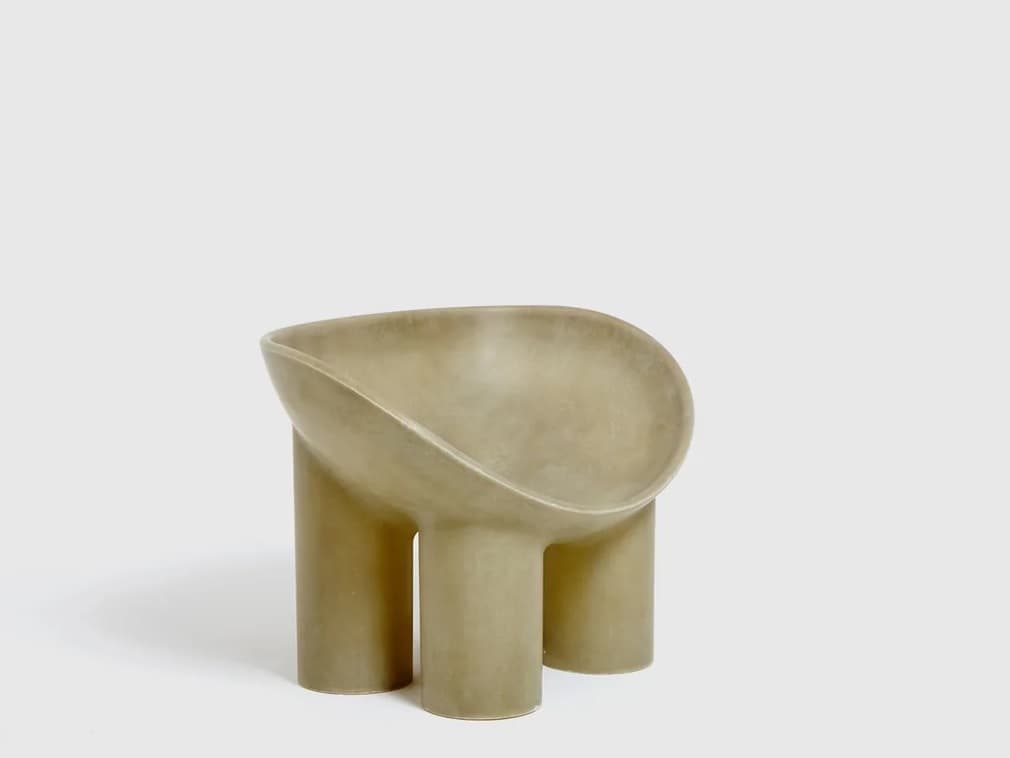
British designer Faye Toogood has become a household name in high-end design, known for her "Assemblage" collections that explore material honesty. Her iconic Roly-Poly Chair, originally launched in 2014, has seen various iterations, but the "Raw" version marks a return to her sculptural roots. Unlike the mass-produced polyethylene versions available through Italian brand Magis, the Roly-Poly Raw is a limited-edition piece cast in fiberglass.
The "Raw" iteration emphasizes the tactile, hand-sculpted quality of the original clay model. Its bulbous, four-legged silhouette draws inspiration from the primordial and the maternal, challenging the linear, masculine traditions of modernist furniture. Toogood’s work often bridges the gap between the industrial and the artisanal, with the Roly-Poly Raw serving as a testament to her ability to turn a simple, squat form into a monumental work of art.
3. Heritage Recast: Jiri Krejcirik’s Ode to Chair 14
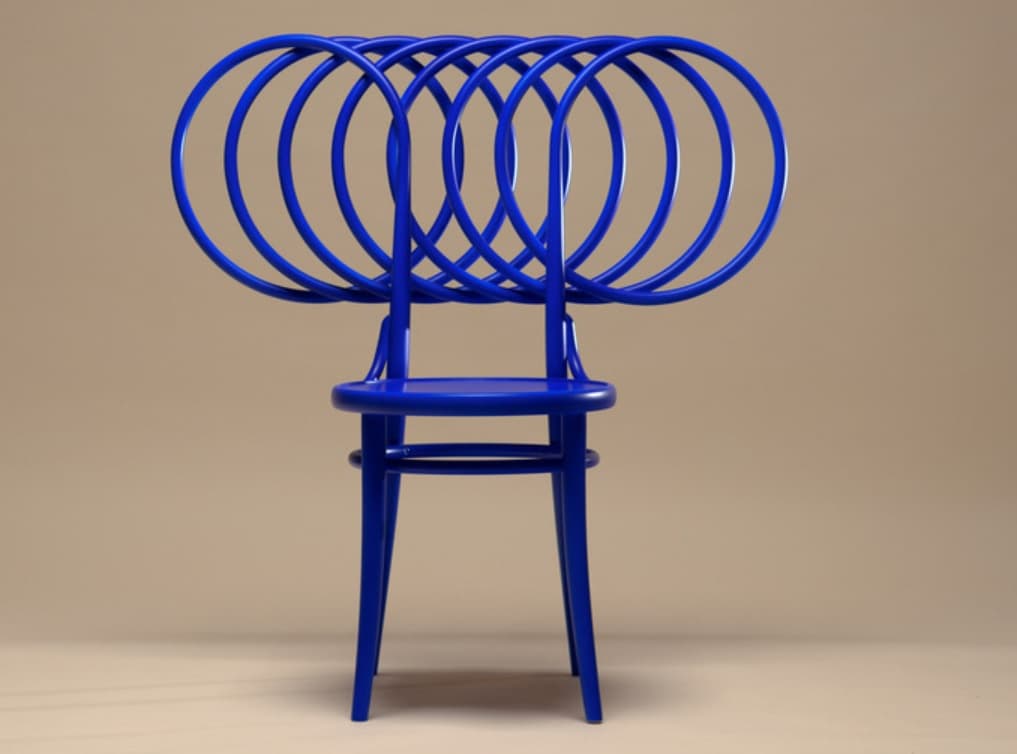
The Thonet Chair No. 14, designed in 1859, is arguably the most successful commercial product in history, with over 50 million units sold by 1930. Czech designer Jiri Krejcirik pays homage to this industrial legacy while simultaneously deconstructing it in his "Ode to Chair 14." By utilizing the original bentwood technology but radically altering the proportions and geometry, Krejcirik creates a piece that feels both familiar and alien.
Krejcirik’s design features exaggerated, oversized circular backrests that push the limits of what steam-bent wood can achieve. The piece highlights the tension between 19th-century mass production and 21st-century sculptural expression. By using pre-existing Thonet molds in a non-traditional manner, the designer explores the concept of "industrial heritage" as a raw material for new artistic discourse.
4. Industrial Poetics: Sabine Marcelis’ Gradient Resin Seat
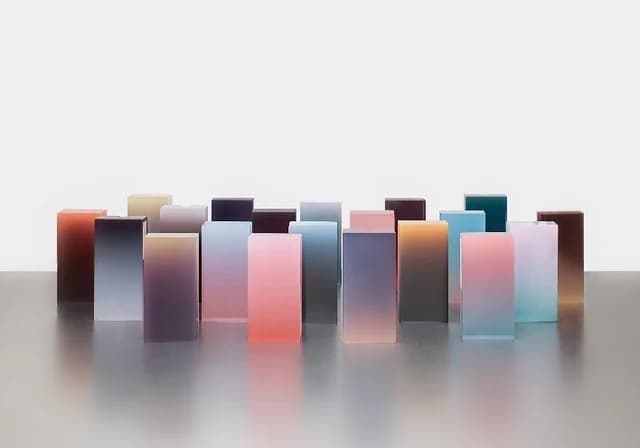
Based in Rotterdam, Sabine Marcelis has become a leading figure in the use of resin as a primary medium. Her Gradient Resin Seat is an exploration of the physics of light. Through a technically demanding casting process, Marcelis creates a solid block of resin that transitions from opaque to translucent, capturing and diffusing light in a way that changes depending on the time of day and the viewer’s perspective.
The production of these seats requires surgical precision; the slightest impurity or temperature fluctuation during the curing process can ruin the clarity of the material. Marcelis’ work is often described as "industrial poetics," as she uses synthetic, man-made materials to mimic natural phenomena like the atmospheric shifts at dawn or dusk. These chairs function as "light-responsive objects," blurring the line between furniture and installation art.
5. Structural Expression: Nacho Carbonell’s Growth Chair
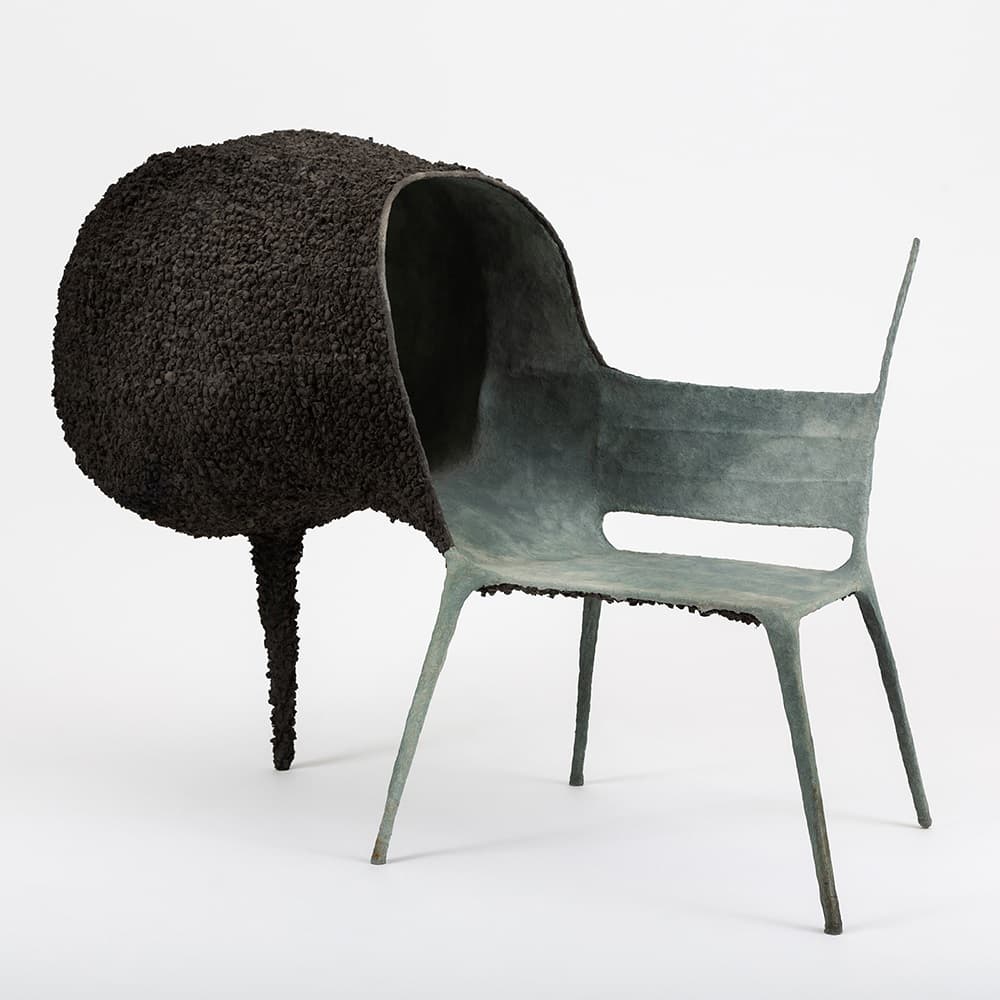
Spanish designer Nacho Carbonell, working out of Eindhoven, is known for his highly tactile, organic structures that often appear as though they are "growing" out of the ground. His Growth Chair is a prime example of his "tactile design" philosophy. Constructed from a mix of steel armatures, epoxy resins, and various textiles, the chair features an expansive, canopy-like structure that envelops the sitter.
Carbonell’s work is characterized by a deliberate rejection of the "finished" look common in industrial design. Instead, he favors an intuitive, manual assembly process that leaves behind the traces of his hands. The Growth Chair challenges the notion that furniture should be subservient to the architecture of a room; instead, it acts as an autonomous organism that redefines the space it occupies.
6. Sculptural Comfort: Raphael Navot’s Whale Armchair
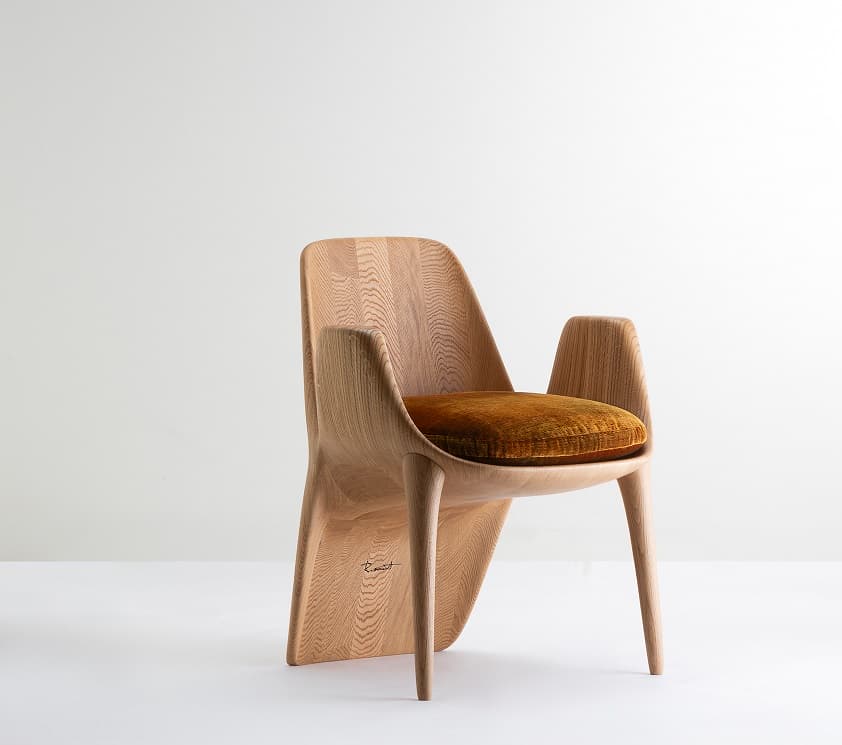
Raphael Navot, named Designer of the Year at Maison&Objet 2023, focuses on "natural craftsmanship." His Whale Armchair is a study in monumentality and softness. Inspired by the anatomy of marine mammals, the chair features a hand-carved wooden frame and upholstered sections that mimic the fluid, powerful curves of a whale’s fins.
Navot’s approach is deeply rooted in the "Slow Design" movement, emphasizing traditional techniques and high-quality natural materials. The Whale Armchair is designed to be as much a tactile experience as a visual one, with the designer stating that the piece is intended to evoke a sense of "domestic protection." By scaling up the proportions of a standard armchair, Navot creates a sense of "sculptural comfort" that anchors a room.
7. Artsy Aesthetic: China Chair by Chen Darui
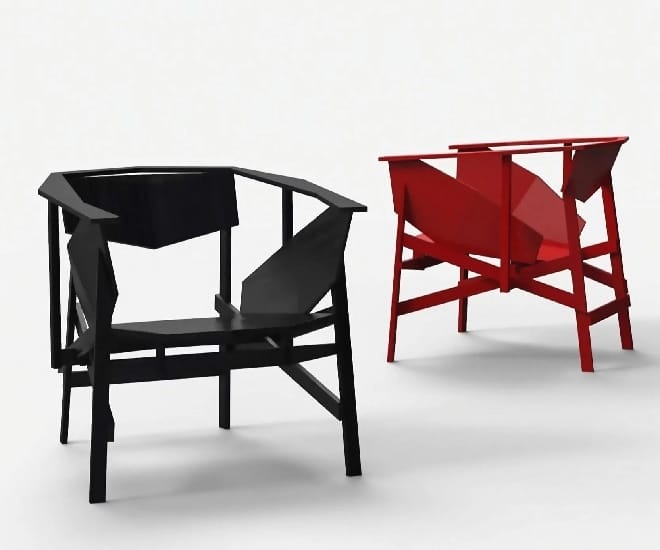
Chinese designer Chen Darui is a pivotal figure in the "New Chinese" design movement, which seeks to reconcile traditional Eastern aesthetics with contemporary Western modernism. His China Chair, designed in 2024, is a radical departure from the minimalist "International Style." Made of oak and finished in traditional black or red lacquer, the chair is a complex arrangement of sharp angles and intersecting planes.
Darui describes the design as a "demolition" of modernist logic. By breaking down the traditional four-legged chair into a series of aggressive, architectural geometries, he creates a piece that is visually arresting from every angle. Available in a strictly limited edition of 199 signed pieces, the China Chair is a reflection on how innovation can be born from the deconstruction of tradition.
8. Digital Craft: Jean-Baptiste Anotin “Godspeed Object” Chair
Operating under the studio name "Waiting for Ideas" in Paris, Jean-Baptiste Anotin represents the cutting edge of "Brutalist Elegance." His Godspeed Object chair is a striking example of "digital craft," where computer-aided design meets industrial fabrication. Made from shaped aluminum, the chair features a glistening, reflective surface that emphasizes its metallic, machine-age origins.
With only eight pieces in existence, the Godspeed Object is a high-rarity collectible. Anotin’s work reflects a broader trend in the 2020s toward "Industrial Brutalism," where the raw aesthetics of the factory are refined for the luxury gallery. The chair is designed to act as a "moment of pause," where the play of light on its surface forces the observer to acknowledge the object as a piece of modern art rather than just a seat.
Broader Impact and the Future of the Domestic Gallery
The emergence of these eight designs signals a broader cultural shift in how we perceive the home. As the boundaries between work, life, and art continue to blur, the domestic space is increasingly being curated with the same intentionality as a private museum. This "gallery-led" approach to interior design prioritizes the "hero piece"—an object that commands attention and sparks conversation.
From a sustainability perspective, the collectable design movement offers a compelling alternative to the "fast furniture" cycle. While the price points are high, these pieces are built to last for generations, often appreciating in value over time. They represent a return to the "patronage" model of design, where collectors support the research and development of new materials and techniques that may eventually trickle down to the wider market.
As we move further into the 21st century, the humble chair remains the ultimate test of a designer’s vision. Whether through the salvage of urban waste or the precision of digital fabrication, these eight creators are proving that seating is no longer just about the body—it is about the mind, the environment, and the enduring power of the human imagination. In the world of avant-garde furniture, the chair has finally taken its seat at the table of high art.