
 By admin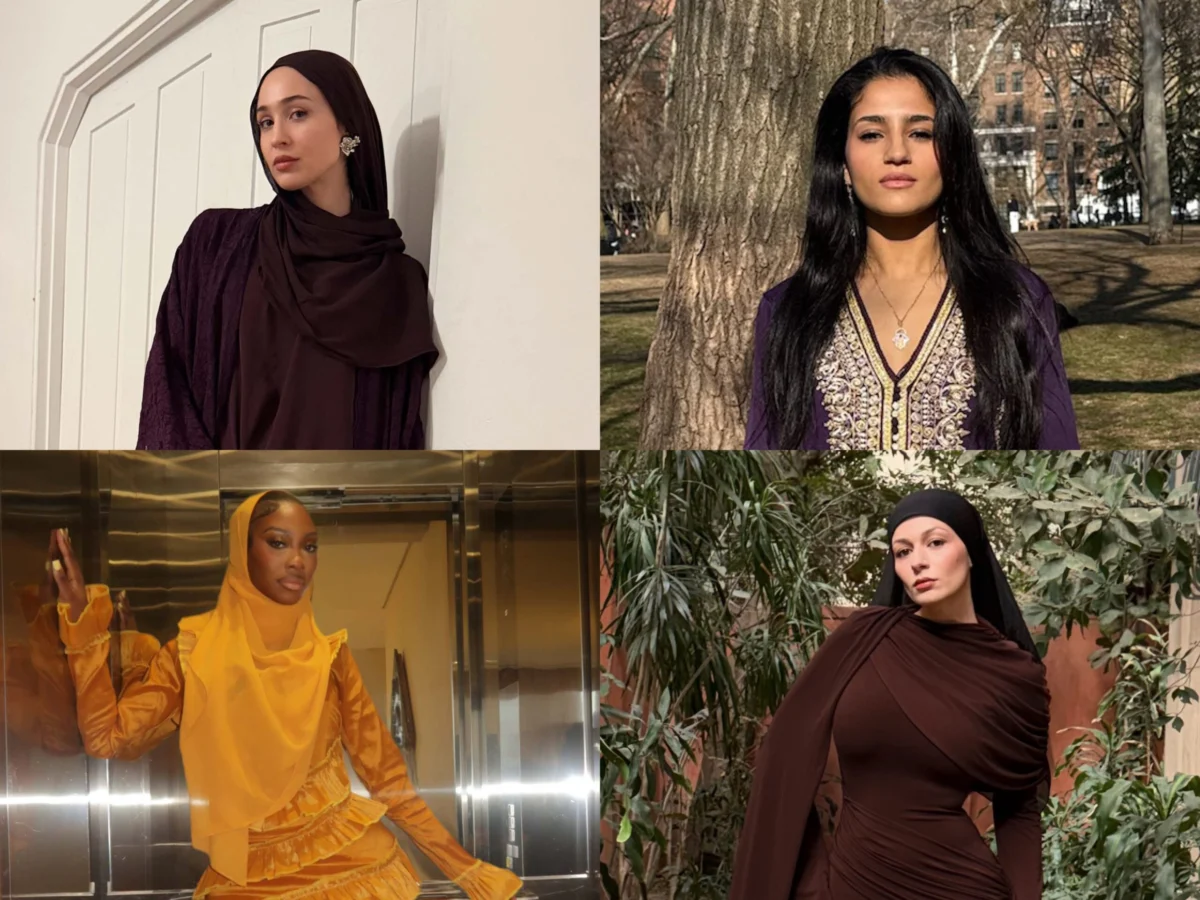
The act of dressing can often transcend mere utility, evolving into a deliberate ritual, a quiet, repeated gesture mirroring the structured intention of spiritual practice. For many, it serves as a private ceremony, a prelude to public engagement, imbuing daily routines with deeper meaning. This profound connection between adornment and devotion is particularly explicit within Islam, especially during the auspicious occasion of Eid. Marking the joyous conclusion of Ramadan’s 30 days of fasting, Eid al-Fitr (and similarly, Eid al-Adha) sees Muslims globally drawing inspiration from the teachings of Prophet Muhammad, who encouraged followers to don their finest attire for the celebration. This directive extends beyond superficial appearance, embodying a state of purity, gratitude, and dignity, where cleanliness and beauty become outward manifestations of the internal transformation fostered by a month of spiritual discipline.
The Spiritual Significance of Eid Attire
Eid, a day of immense joy and communal gathering, signifies spiritual renewal and thanksgiving. For the global Muslim community, numbering over 1.8 billion, it is a time of congregational prayers, family visits, gift-giving, and shared meals. Central to these celebrations is the emphasis on personal presentation. Islamic teachings, particularly the Sunnah (the practices and teachings of Prophet Muhammad), highlight the importance of looking one’s best. This isn’t vanity but rather an expression of gratitude to Allah for the blessings of Ramadan and a demonstration of respect for the sanctity of the day. The act of wearing new or best clothes, applying perfume (attar), and ensuring cleanliness is considered an act of worship itself, a way of honoring the festive spirit and embodying the internal state of purity achieved through fasting and prayer.
Historically, the practice of adorning oneself for religious festivals predates modern fashion trends. From the earliest days of Islam, communities understood dressing well as a mark of respect for the occasion and for fellow congregants. The meticulous preparation, from bathing to selecting garments, forms a personal rite that reinforces the spiritual significance of the day. This tradition has been passed down through generations, evolving with cultural contexts while retaining its core religious essence.
The Global Phenomenon of Modest Fashion

In recent years, the intersection of faith and fashion has given rise to the booming modest fashion industry, a sector estimated to be worth hundreds of billions of dollars globally. Eid, as a peak consumption period, plays a significant role in this market. Designers and brands increasingly cater to the demand for stylish yet faith-compliant attire, offering a diverse range of options from traditional garments like abayas, thobes, and kaftans to contemporary modest wear that blends global trends with Islamic principles. This evolution reflects a broader cultural shift where Muslims, particularly younger generations, are asserting their identity through fashion that is both faithful and trend-conscious.
The growth of social media platforms has amplified this trend, allowing modest fashion influencers and brands to reach wider audiences and democratize style. What was once a niche market is now a mainstream phenomenon, influencing global fashion narratives and promoting inclusivity. This dynamic environment means Eid fashion is no longer monolithic but a vibrant tapestry of individual expression, cultural heritage, and modern design.
Personal Narratives: Weaving Faith and Style for Eid
The personal connection to Eid attire is deeply resonant for many, as evidenced by conversations with stylish Muslims who view dressing up not as an act of vanity, but as a profound expression of recognition, joy, acknowledgment, and fulfillment. Their approaches illustrate the rich diversity within this tradition.
Noor Elkhaldi: Tradition Meets Contemporary Chic
For Noor Elkhaldi, Eid is synonymous with large family gatherings, a cherished Sunnah tradition that emphasizes togetherness. Her approach to Eid dressing is rooted in this spiritual directive: "It’s Sunnah to wear your best clothes on Eid, so I just try to wear something that reflects that. I also make sure I’m freshly showered and smell nice." This year, she chose a long dress in a rich brown shade by Khanum’s, featuring a draped overlay, paired with a black crinkle chiffon hijab from Vela Scarves, and a sage green Prada Cleo shoulder bag. Her choice of Coperni platforms, though hidden, speaks to a desire for personal comfort and confidence.

Noor highlights the recent "moment" abayas have been experiencing in fashion, a trend she embraces. However, her most memorable Eid look was a Palestinian thobe, a gift from her sister from Gaza. This choice underscored the deep connection between attire and heritage: "It felt really special to wear a piece from my homeland." Her preparation, often last-minute, focuses first on the outfit, then accessories, with makeup remaining simple, reflecting the day’s focus on spiritual and familial connection over elaborate presentation. This blend of traditional elements with high-fashion accessories exemplifies the modern Muslim woman’s approach to Eid dressing.
Tia Adeola: Cultural Heritage and Designer Vision
For designer Tia Adeola, this Eid held particular significance, marking her return to observing Ramadan since her early teens. This renewed spiritual commitment profoundly influenced her approach to Eid dressing. Reflecting on her childhood, she recalls her mother dressing her and her sister in "full Nigerian attire: iro, buba, gele, and then layer a hijab over it." This blend of cultural and religious dress instilled in her a deep appreciation for the intentionality behind Eid fashion. "Looking back at those photos now, there’s something so beautiful about that blend of culture and faith," she shared.
As a designer, Tia views Eid attire as a narrative tool. This year, she focused on creating a cohesive look, ensuring her modest Tia Adeola dress, with its soft ruffles and sculpted silhouette, harmonized with her hijab, jewelry, and glam. Her emphasis is on "feeling aligned, comfortable, and present for the day," rather than being "overly styled." Her design choice for Eid—a modest dress styled with a hijab that offers coverage while still highlighting the garment’s design—reflects her belief that "modesty doesn’t take away from expression, but enhances it." Tia also notes the evolution of abayas from "understated" to explorations of "color, embroidery, structure, even subtle waist definition," celebrating the increased versatility and individuality within modest fashion. Her journey underscores how personal faith, cultural roots, and professional identity intertwine to create meaningful Eid ensembles.
Sarah Daoui: Ancestral Echoes in Modern Celebrations
Eid mornings for Sarah Daoui are steeped in family tradition, particularly the joyful chaos of siblings gathering. Even as adults living independently, they maintain the ritual of sleeping over the night before Eid to share those precious moments. Sarah eloquently describes the unique sight of her family moving "completely as a unit" through New York streets in their traditional outfits, a powerful symbol of unity and cultural pride. Her most cherished Eid memory involves praying in Washington Square Park, a surreal experience of collective peace amidst the city’s awakening.

Sarah approaches her Eid outfit with intention, typically planning it the day before. Her focus is on the interplay of elements—jewelry, belt, and the layers of a kaftan—all built around the chosen color of her dress. This year, her look is a poignant homage to her heritage: an Algerian kaftan from her parents’ hometown of Oran, adorned with her grandmother’s jewels, including a ceremonial Hand of Fatima necklace, and striking black kohl on her eyes. This ensemble is a "conversation" between her two great-grandmothers, one known for her kohl-lined eyes and the other for her powerfully colored dresses and grand jewels. Sarah observes a "timelessness" in Eid outfits, seeing them as "a moment of sharing heritage and culture through style," a distinctive beauty she finds amplified in New York’s diverse Muslim community. Her narrative powerfully illustrates how Eid attire serves as a living connection to ancestry and cultural legacy.
Maria Al-Sadek: A Bold Expression of Faith and Individuality
Maria Al-Sadek represents a more planned approach to Eid dressing, having ordered her abaya earlier in Ramadan to avoid the "chaos and full closet explosion" of last-minute preparations. Like others, she prioritizes the main outfit before moving to makeup and jewelry. This year, her choice was an RS Archive purple lace abaya and underdress, layered unexpectedly over a vintage Prada spring 1996 skirt and Fanci Club boots, completed with a Margiela bag and a Vela hijab in Deep Berry.
Maria candidly admits to not typically being an "abaya-Eid-outfit girl," but the specific shade of purple captivated her. Her personal "spin" on the matching set involved adding "a pop of green with the skirt and boots," making the look distinctly her own. This demonstrates a contemporary desire to infuse traditional garments with personal style and high-fashion elements. Maria also expresses appreciation for the "cultural-wear trend," recalling a previous Eid where she wore a traditional Palestinian thobe. Her aspiration to create a Puerto Rican cultural look for a future Eid highlights the growing intersectionality of identities and the desire to celebrate all facets of one’s heritage through festive attire. Her style embodies the dynamic evolution of Eid fashion, where traditional garments are reinterpreted through a lens of individuality and global fashion sensibilities.
The Evolving Landscape of Eid Fashion
The narratives shared by Noor, Tia, Sarah, and Maria collectively illustrate a significant evolution in Eid fashion. While the core tenets of modesty, cleanliness, and celebration remain, the expression of these values has become increasingly diverse and sophisticated. The abaya, once primarily a functional garment, has transformed into a canvas for designers, featuring intricate embroidery, varied silhouettes, and luxurious fabrics. Modest fashion brands are now key players in the global apparel market, with events like Modanisa Fashion Week showcasing the latest trends and innovations.

This evolution is not merely aesthetic; it carries profound cultural and economic implications. It fosters a sense of pride and representation for Muslims worldwide, challenging stereotypes and showcasing the richness and dynamism of Islamic culture. The ability to find stylish, faith-compliant clothing empowers individuals to express their identity authentically. Furthermore, the economic impact is substantial, creating jobs, supporting designers, and contributing to local and global economies, particularly in regions with large Muslim populations.
The "cultural-wear trend" noted by Maria and the Palestinian thobe worn by Noor underscore the importance of preserving and celebrating ethnic heritage through dress. Eid becomes an occasion not only to honor one’s faith but also to connect with ancestral roots, showcasing the vibrant tapestry of Muslim cultures from Nigeria to Palestine, Algeria to the wider diaspora. This fusion of cultural identity with religious observance makes Eid fashion a powerful statement of self and community.
Conclusion: A Tapestry of Faith, Culture, and Style
The rituals of dressing for Eid are far more than a simple act of choosing clothes; they are an intricate tapestry woven with threads of faith, cultural heritage, and personal expression. From the spiritual imperative to don one’s best attire as a symbol of gratitude and purity, to the contemporary interpretations that blend traditional garments with high fashion and ancestral homages, Eid fashion is a dynamic and evolving phenomenon. It reflects the internal transformation of Ramadan, celebrates communal joy, and serves as a vibrant platform for identity affirmation. As the modest fashion industry continues to grow and diversify, Eid attire stands as a testament to the enduring power of clothing to communicate deeply held values, connecting individuals to their faith, their family, and their place in a global community.