
 By Nila Kartika Wati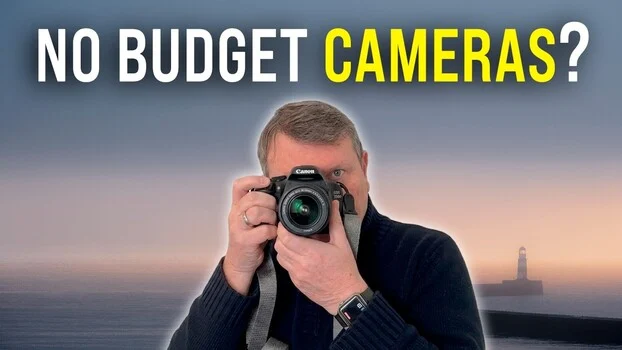
Buying a dedicated camera was once an accessible rite of passage for aspiring photographers, offering a clear step-up in quality and control from simpler point-and-shoot devices; however, that crucial entry-level market has largely evaporated, transforming the once-seamless transition from smartphone photography to "real camera" photography into a daunting financial barrier. This significant shift, meticulously detailed by industry observer Jason Row of Rowtography in a recent candid video, highlights how camera manufacturers have inadvertently created a market structure that effectively excludes beginners, fundamentally altering the landscape for photographic enthusiasts worldwide. Row’s analysis points to a confluence of technological advancements, market forces, and evolving consumer culture that has reshaped the industry, leaving a void where introductory products once thrived.
A Historical Perspective: From Accessibility to Exclusivity
For decades, the camera market was structured with clear progression paths. In the film era, from simple point-and-shoots to advanced SLRs, consumers could incrementally invest in their photographic journey. The dawn of the digital age in the late 1990s and early 2000s initially democratized photography further. Digital compact cameras proliferated, offering instant gratification and ease of use, while digital single-lens reflex (DSLR) cameras began to replace their film counterparts, becoming increasingly affordable. By the early 2010s, models like the Nikon D5100 represented the epitome of an accessible entry-level DSLR. Launched in 2011, the D5100, often bundled with a versatile kit lens (e.g., 18-55mm), could be purchased for approximately £450 to £500. This price point offered a gateway to interchangeable lenses, larger sensors, and manual controls – features that promised superior image quality and creative freedom compared to the nascent smartphone cameras of the time. This era fostered a vibrant ecosystem where beginners could experiment, learn, and gradually upgrade their equipment as their skills and interests evolved. The expectation was that a beginner, after mastering their initial kit, would naturally aspire to more advanced lenses and camera bodies, thereby fueling sustained growth for manufacturers.
The Dual Forces: Technology Creep and the Smartphone Revolution
Jason Row identifies two primary drivers behind the demise of this once-robust entry point: "technology creep" and the pervasive "smartphone revolution." The former refers to the relentless integration of advanced features into even the most basic camera models, pushing up manufacturing costs and, consequently, retail prices. What constituted an entry-level camera in 2012, offering fundamental photographic controls and a decent sensor, has been supplanted by devices laden with sophisticated autofocus systems, high-resolution video capabilities (often 4K or even 8K), advanced image stabilization, and complex connectivity options. While these features represent genuine technological progress, they also inflate the price tag. Today, an equivalent "entry-level" experience – typically a mirrorless camera – now commands a price closer to £1,000, often without the inclusion of a versatile kit lens that was once standard. The basic kit lens, if available, often comes with compromises, or consumers are pushed towards more expensive lens options from the outset.
Simultaneously, the smartphone revolution has fundamentally reshaped consumer expectations and market dynamics. Emerging in force around 2007 with the original iPhone and gaining rapid traction through the 2010s, smartphones effectively decimated the compact camera market. These pocket-sized devices offered unparalleled convenience, connectivity, and, crucially, increasingly sophisticated computational photography capabilities. Users could capture, edit, and share high-quality images instantly, all from a single device they carried everywhere. This eliminated the need for a separate, dedicated compact camera for casual photography, thereby drying up the primary pipeline that historically fed curious newcomers into the more advanced DSLR market. Without the stepping stone of the compact camera, many potential enthusiasts never encounter the traditional camera ecosystem, remaining content within the increasingly capable confines of their smartphones.
The Price of Progress: Lenses and the Premium Push
The escalating cost extends beyond camera bodies to the critical lens market, mirroring the trends seen in camera bodies. Lenses that were once considered budget-friendly workhorses have seen their prices soar. Row highlights that a general-purpose zoom lens, such as a 24-105mm – a focal range that is versatile but not inherently "fast" (i.e., with a wide maximum aperture) or cutting-edge in terms of exotic glass elements – now typically retails for well over £500. This category of lenses, previously a staple for hobbyists seeking a balance of performance and affordability, has been burdened with advanced features. Manufacturers now routinely integrate complex optical image stabilization systems, sophisticated internal focusing mechanisms, focus limiters, and even USB-C ports for firmware updates directly into their lenses.
While these technological enhancements undeniably improve performance and user experience for discerning photographers, Row critically questions their utility for someone just embarking on their photographic journey. A beginner, still grappling with exposure triangles and compositional rules, may not fully leverage or even require the nuanced benefits of advanced stabilization or specialized focus functions. The added cost, however, is baked into the price, contributing significantly to the financial wall facing newcomers. This strategy reflects a broader industry pivot towards higher-margin products and a focus on professional and serious enthusiast segments, rather than volume sales at the entry-level.
Market Data: A Declining Tide and Shifting Focus
Industry statistics from organizations like the Camera & Imaging Products Association (CIPA) underscore the dramatic transformation of the market. Global camera shipments have plummeted over the last decade, particularly in the compact camera segment. In 2010, the industry shipped over 120 million digital cameras worldwide; by 2022, that number had fallen to just under 8 million units. The decline in interchangeable lens camera (ILC) shipments, while less severe than compacts, also reflects a contraction, moving from a peak of over 20 million units in 2012 to roughly 7 million units in 2022.
Crucially, within the ILC segment, the shift has been from lower-priced DSLRs to higher-priced mirrorless cameras. Manufacturers have increasingly focused their research and development efforts on advanced mirrorless systems, which offer superior autofocus, faster burst rates, and often better video capabilities, but come at a premium price point. This strategic pivot, driven by diminishing returns on entry-level models and intense competition from smartphones, has allowed manufacturers to maintain profitability despite declining unit sales by increasing the average selling price per unit. The vacuum created by the retreat from budget-friendly options has not been filled, leaving a significant gap for aspiring photographers.
The Cultural Dimension: Cameras as Aspirational Luxury
Beyond technological and economic factors, Row also highlights a less-discussed cultural dimension: the increasing perception of dedicated cameras as luxury goods. In certain market segments, cameras are purchased not solely for their photographic capabilities but as lifestyle accessories or status symbols. High-end mirrorless cameras, particularly those with retro-inspired designs, have become fashionable items, coveted as much for their aesthetic appeal and brand prestige as for their imaging prowess. This demand, driven by consumers who might "wear" their cameras rather than rigorously "shoot" with them, provides manufacturers with additional justification to push prices higher, regardless of whether the underlying technology intrinsically warrants such premium valuations. This aspirational appeal allows for greater profit margins and further cements the idea that serious photography is an expensive pursuit, inadvertently reinforcing the financial barrier for true beginners.
Industry Responses and Strategic Realignments
Major camera manufacturers like Canon, Nikon, Sony, and Fujifilm have adapted their strategies in response to these market shifts. Faced with the unstoppable rise of smartphone photography and declining overall unit sales, their focus has shifted from a volume-driven approach to a value-driven one. This means prioritizing the development and marketing of high-end, feature-rich mirrorless cameras and premium lenses that cater to professional photographers, content creators, and serious enthusiasts who are willing and able to invest significantly.
From an industry perspective, this pivot is a rational business decision. Research and development costs for advanced imaging sensors, processors, and optical designs are substantial. By focusing on higher-margin products, manufacturers can recoup these investments and ensure profitability. They argue that the advanced features integrated into modern cameras, even entry-level ones, represent genuine innovation and provide users with capabilities far beyond what was available a decade ago. While this reasoning holds true for performance metrics, it overlooks the critical role of accessibility in nurturing new talent and maintaining a broad customer base for the long term. The industry has effectively traded a wide, shallow pool of potential customers for a narrower, deeper one.
The Lifeline: Third-Party Manufacturers and the Robust Used Market
Despite the challenges, glimmers of hope remain for aspiring photographers. Row rightfully credits third-party lens manufacturers as a crucial saving grace. Companies like Sigma and Tamron have long produced high-quality lenses that offer excellent performance at a fraction of the cost of their first-party counterparts. More recently, a growing wave of Chinese brands, such as 7Artisans, Viltrox, and Laowa, have entered the market, producing solid, often manual-focus, glass at prices that are significantly more accessible. These manufacturers are effectively filling the void left by major brands, offering alternatives that are closer to the budget end of the market’s historical pricing. Their existence is vital for providing options to photographers who are unwilling or unable to spend thousands on native brand lenses.
Furthermore, the used market presents an incredibly robust and viable pathway into dedicated camera photography. The industry’s rapid shift from DSLR technology to mirrorless systems has flooded the second-hand market with highly capable DSLR bodies and their corresponding lens ecosystems. These cameras, which were once cutting-edge and commanded premium prices, are now available at a fraction of their original cost. A used DSLR from a few generations ago can still deliver exceptional image quality, offers access to a vast array of affordable used lenses, and provides the tactile experience and manual control that differentiate dedicated cameras from smartphones. For instance, a used Nikon D5100 or a Canon EOS Rebel series camera, paired with a couple of budget-friendly prime or zoom lenses, can provide an excellent learning platform for a few hundred pounds, offering significantly more photographic potential than a smartphone without the prohibitive upfront investment of new mirrorless gear. Row’s video provides invaluable guidance on navigating this used market, detailing what to look for and what realistic expectations to set, making it an essential resource for anyone contemplating this path.
Implications for Aspiring Photographers and the Future of the Industry
The implications of this market transformation are profound. For aspiring photographers, the loss of an affordable entry-level "on-ramp" means a significantly higher barrier to entry. This could potentially stifle creativity and limit the pool of talent entering the field, as fewer individuals will have the opportunity to experiment and develop skills with dedicated equipment. While smartphones are excellent tools for casual photography, they often lack the physical controls, sensor size, and lens versatility required for deeper photographic exploration and mastery.
For the camera industry itself, the long-term impact is less clear. While focusing on high-end, high-margin products can ensure short-term profitability, a failure to cultivate a new generation of users through accessible entry points could lead to a shrinking customer base in the future. The "pipeline" of curious newcomers who might eventually graduate to premium gear has been severely compromised. Rebuilding this on-ramp, perhaps through renewed investment in truly entry-level mirrorless systems or by actively supporting the used market and third-party manufacturers, may be crucial for the sustained health and growth of the dedicated camera industry in the decades to come. The challenge lies in finding a balance between technological innovation and fundamental accessibility, ensuring that the art of photography remains open to all, regardless of their financial means.