
 By admin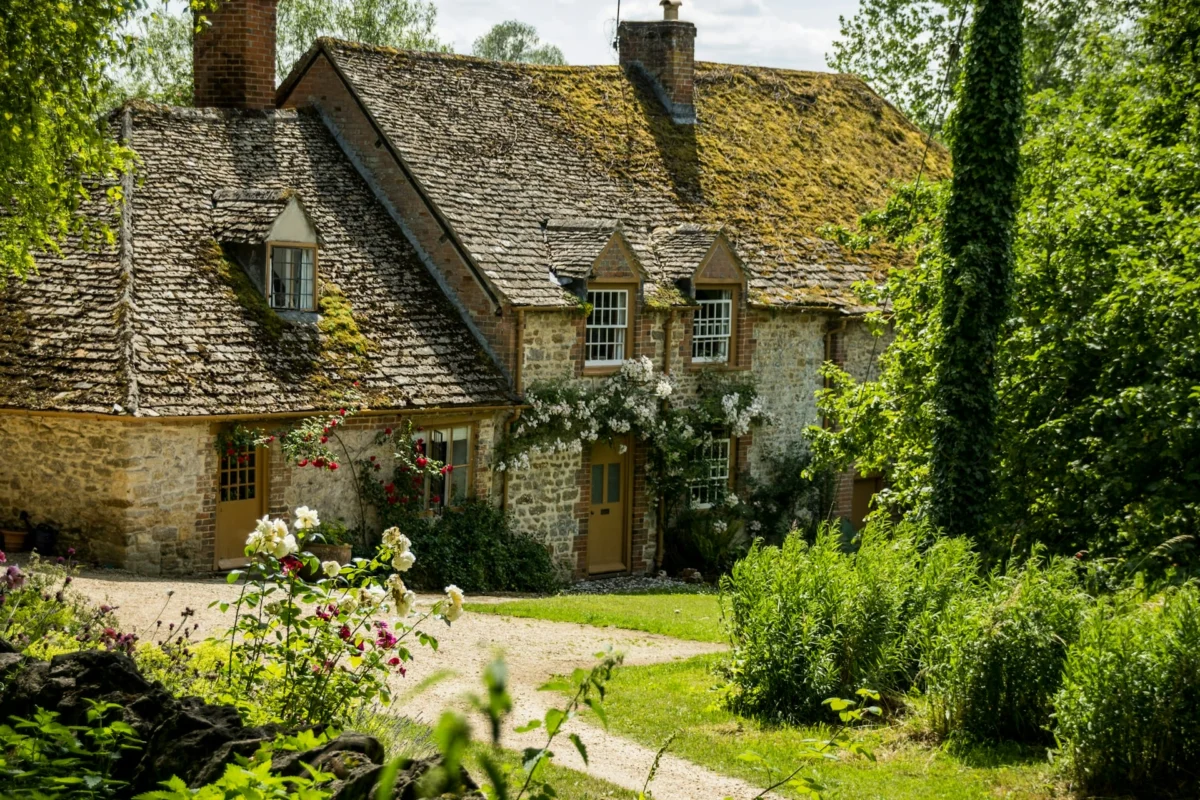
The United Kingdom’s travel sector is currently experiencing a profound structural shift as "slow travel"—a philosophy prioritizing mindfulness, local immersion, and environmental sustainability—gains significant traction among both domestic and international tourists. Traditionally characterized by high-intensity itineraries designed to maximize landmark sightings within limited timeframes, modern British tourism is increasingly defined by a more deliberate, restorative pace. This transition is particularly evident across the British countryside, where rolling hills, ancient woodlands, and tranquil villages are being repositioned as essential infrastructure for mental well-being and sustainable economic growth.
Industry analysts suggest that this movement represents a departure from the "bucket-list" culture that dominated the early 21st century. Instead of the physical and mental exhaustion often associated with traditional holidays, travelers are now seeking "restorative getaways" that allow for a genuine reset of the mind and body. This trend is not merely a lifestyle preference but a response to the increasing pressures of digital connectivity and urban density, positioning the British landscape as a primary asset in the burgeoning global wellness tourism market.
The Evolution and Chronology of the Slow Travel Movement
The roots of slow travel can be traced back to the "Slow Food" movement, which originated in Italy during the 1980s as a protest against the proliferation of fast-food chains and the loss of local culinary traditions. By the early 2000s, this philosophy had expanded into "Slow Cities" (Cittaslow) and eventually into the broader travel industry. In the United Kingdom, the movement began to gain momentum in the 2010s, but it was the global pandemic of 2020–2022 that served as the primary catalyst for its current dominance.

During the period of restricted international movement, British residents were forced to rediscover local landscapes. This era fostered a deeper appreciation for the UK’s National Parks and Areas of Outstanding Natural Beauty (AONBs). By 2023, what was once a necessity had become a preferred mode of travel. Data from travel associations indicates that the demand for "staycations" has evolved from a budget-friendly alternative into a luxury-tier choice, with travelers spending more time in single locations rather than transiting through multiple regions.
In 2024, the movement has matured into a sophisticated sector of the economy. The timeline of this evolution shows a clear trajectory from niche environmentalism to a mainstream luxury and wellness staple. Modern slow travel in the UK is now supported by a robust infrastructure of boutique eco-lodges, high-end spa retreats, and curated local experiences that emphasize quality over quantity.
Supporting Data: The Intersection of Wellness and Tourism
The appeal of slow travel is increasingly supported by empirical data linking nature immersion to measurable health outcomes. According to a 2023 report by the Office for National Statistics (ONS), engagement with green and blue spaces in the UK is valued at billions of pounds in terms of health and well-being benefits. Furthermore, psychological research into "Attention Restoration Theory" (ART) suggests that urban environments deplete cognitive resources, whereas natural settings—such as those found in the Cotswolds or the Scottish Highlands—allow the brain to recover from "directed attention fatigue."
Market research from organizations like ABTA (The Travel Association) reveals that approximately 45% of travelers now prioritize "sustainability" and "wellness" when booking their annual leave. In the UK, this has translated into a 30% increase in bookings for rural accommodations that offer "digital detox" amenities or proximity to walking trails. The economic impact is also notable; slow travelers tend to stay in one location for an average of 7 to 10 days, compared to the 2-to-3-day stays typical of traditional sightseeing tours. This longer duration results in higher per-capita spending within local economies, benefiting small businesses, farm shops, and independent artisans.
Regional Case Studies: The Landscapes of Restoration
The British countryside offers a diverse array of settings that cater to the slow travel philosophy. Each region provides a unique backdrop for mindful exploration:
The Cotswolds and the English Heartland
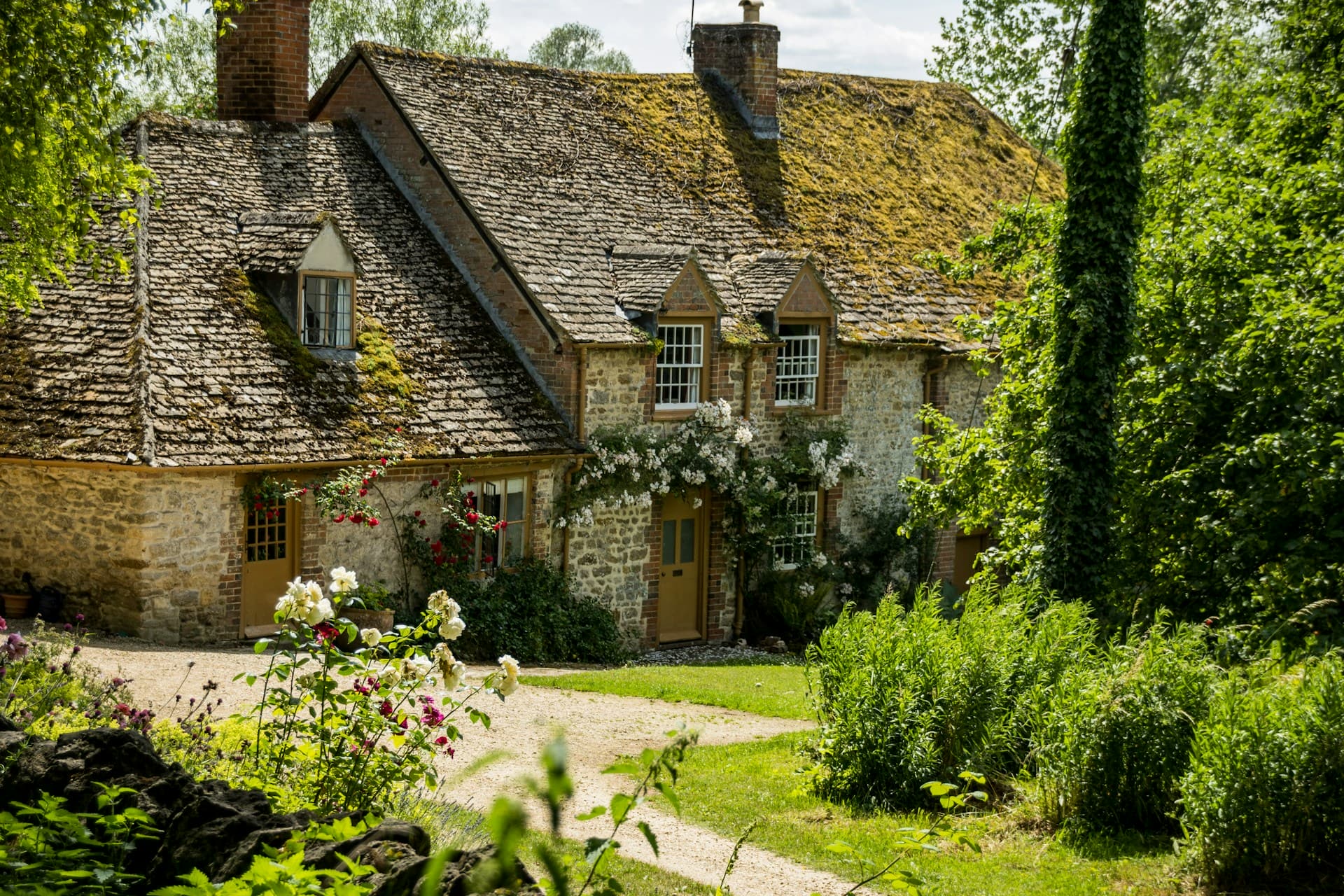
The Cotswolds, an Area of Outstanding Natural Beauty, remains the quintessential destination for slow travel. Its network of honey-colored stone villages and ancient footpaths encourages a walking-based exploration. The region has successfully integrated luxury hospitality with agricultural heritage, allowing visitors to engage with "farm-to-fork" dining experiences. By staying in a single village for a week, travelers can observe the subtle shifts in the landscape and develop a genuine connection with the local community.
The Scottish Highlands and the North
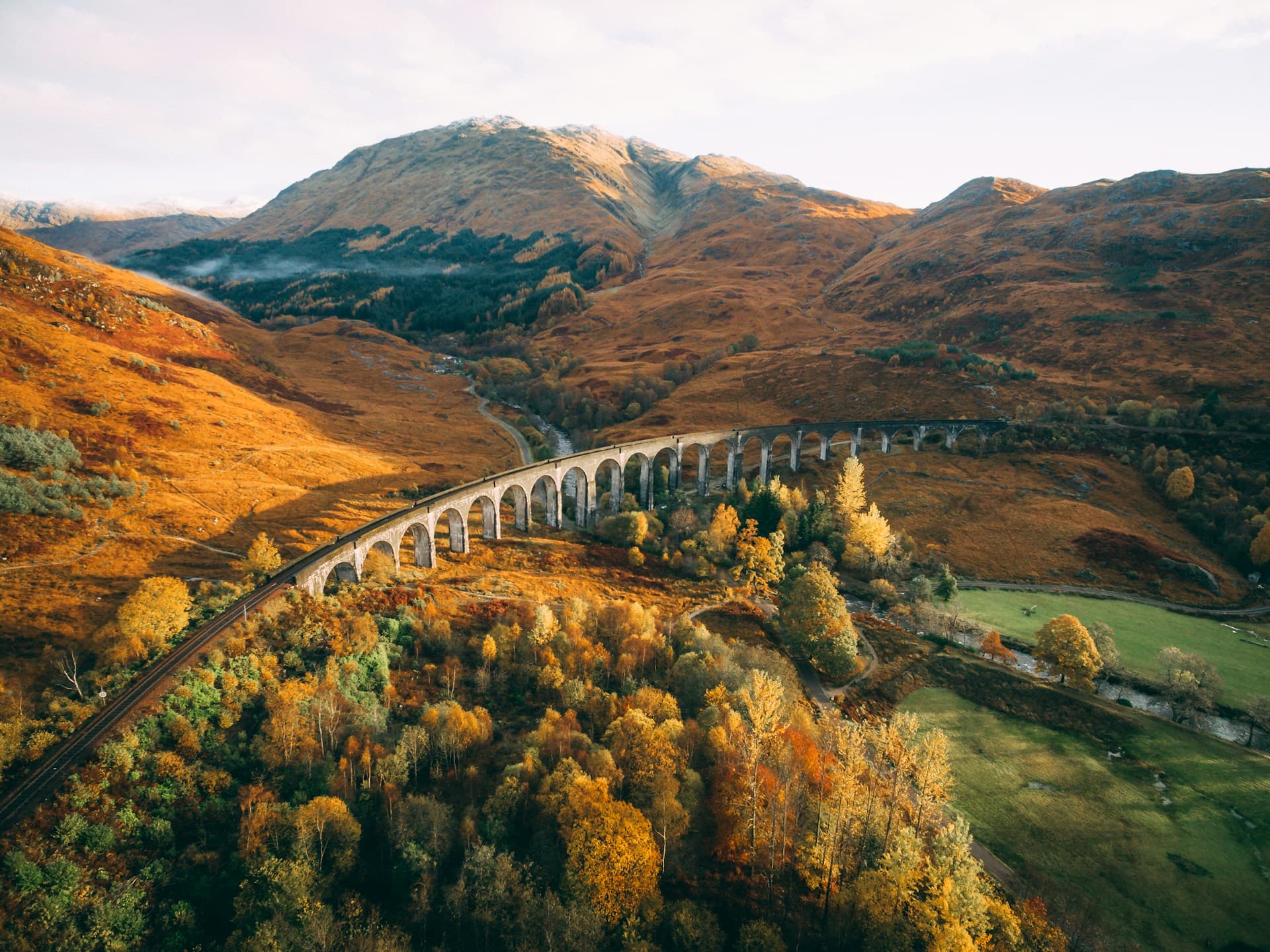
In Scotland, the slow travel movement offers a vital alternative to the "overtourism" seen on popular routes like the North Coast 500. Mindful travelers are increasingly choosing to base themselves in areas like the Cairngorms National Park or the Isle of Skye for extended periods. This approach mitigates the environmental impact of vehicle emissions and allows for deeper engagement with Gaelic culture and the dramatic, rugged topography of the North.
The South West: Devon and Cornwall
The coastal paths of Devon and Cornwall provide a "blue space" equivalent to the green hills of the interior. Slow travel here often involves coastal hiking and sea-based wellness activities. The region has seen a surge in "quiet luxury" accommodations, where the primary draw is not proximity to tourist hotspots but rather the sound of the Atlantic and the availability of fresh, locally sourced seafood.
The Role of the Hospitality Sector and Official Responses
The UK hospitality industry has responded to the slow travel trend by pivoting toward "purpose-driven" luxury. High-end spa hotels and country manor houses are no longer just providers of accommodation; they have become centers for rejuvenation. Facilities such as thermal pools, forest bathing sessions, and expert-led meditation are now standard offerings.
A spokesperson for a leading UK travel collective noted: "The modern traveler is looking for more than a bed; they are looking for an environment that facilitates a lifestyle change, even if only for a week. We are seeing a significant rise in guests who arrive with the intention of doing nothing—reading by a fire, walking in private gardens, and eating food grown on the estate."
Official tourism bodies, including VisitBritain, have also adjusted their marketing strategies to align with these shifts. There is a concerted effort to promote "dispersal"—encouraging visitors to move away from congested cities like London and Edinburgh and into rural areas. This strategy serves a dual purpose: it reduces the strain on urban infrastructure and redistributes tourism revenue to rural communities that were previously overlooked.
Broader Impact and Implications for Sustainability
The implications of the slow travel movement extend far beyond personal wellness. From an environmental perspective, slow travel is inherently more sustainable. By reducing the frequency of flights and long-distance car journeys between multiple destinations, travelers significantly lower their carbon footprint. The emphasis on local consumption also reduces the environmental costs associated with the global food supply chain.
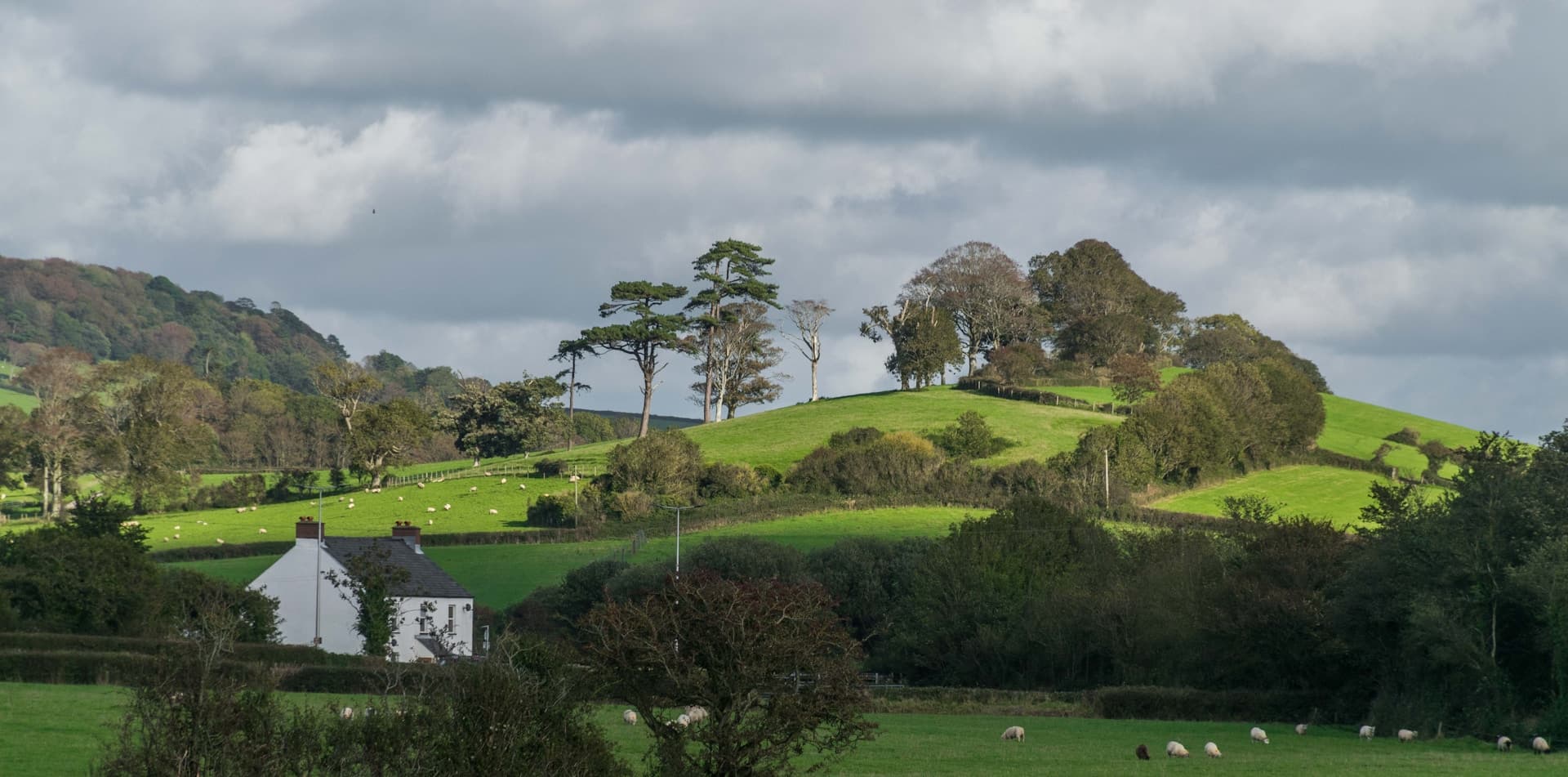
Furthermore, slow travel addresses the socio-economic challenges of "extractive tourism," where visitors consume resources without contributing to the local social fabric. By spending time in a single village, engaging with local artisans, and supporting independent galleries, slow travelers foster a symbiotic relationship with their host communities. This leads to the preservation of traditional crafts and the maintenance of rural heritage sites that might otherwise face neglect.
As the global travel industry continues to recover and evolve, the United Kingdom’s focus on the restorative power of its countryside serves as a blueprint for the future. The art of slowing down is no longer a luxury reserved for the few; it is becoming a fundamental requirement for a society seeking to balance the demands of modern life with the need for genuine connection and rest.
Future Outlook: Planning the Quiet Escape
Looking ahead to the 2025–2030 period, analysts predict that slow travel will become the dominant paradigm for the British tourism industry. The integration of technology—such as apps that highlight quiet walking routes or platforms that connect travelers with local workshops—will further facilitate this trend without compromising the "offline" nature of the experience.
For the traveler, the process of planning a quiet escape begins with a shift in mindset. It requires the courage to leave the itinerary blank and the willingness to choose a single base from which to explore. Whether it is the rugged coastline of Cornwall, the mist-covered valleys of the Lake District, or the quiet woodlands of the New Forest, the British countryside stands ready to offer the profound benefits of the slow travel experience. This movement confirms that in an age of constant acceleration, the most radical and rewarding journey is the one that takes its time.