
 By Layla Zulfa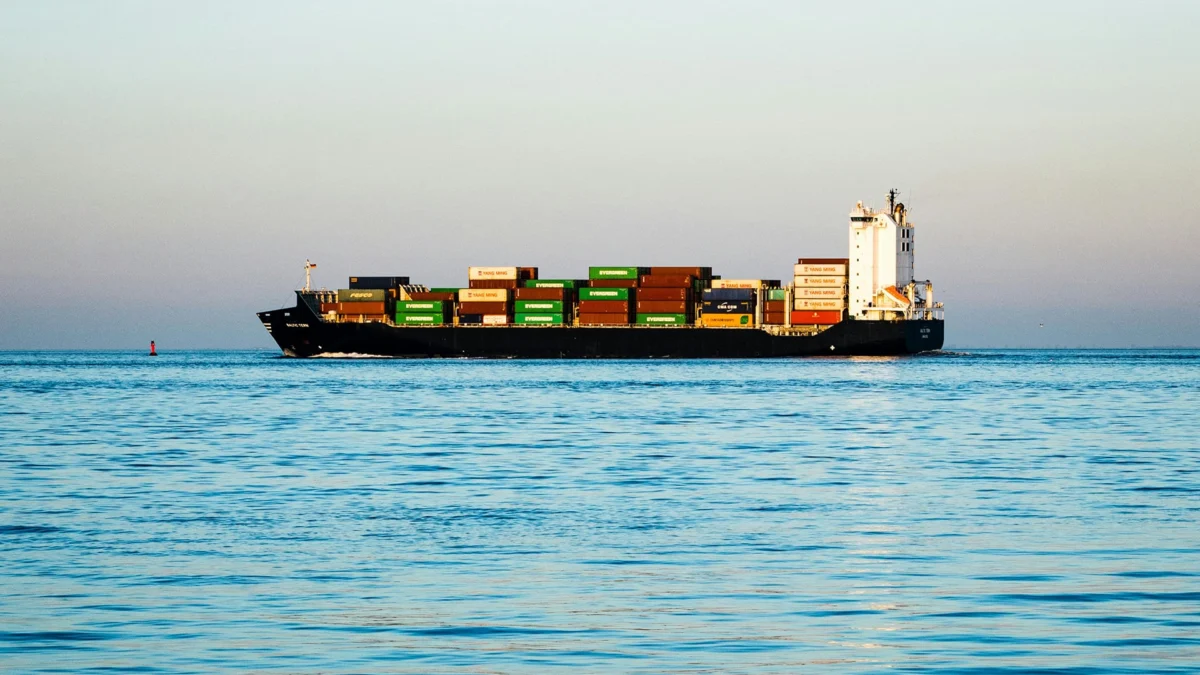
The global fashion and textile industry finds itself at a critical juncture, navigating a confluence of complex challenges ranging from heightened geopolitical instability in key energy-producing regions to intensified regulatory scrutiny over labor practices, all while facing an urgent imperative to decarbonize its vast manufacturing footprint. Textile hubs worldwide are already experiencing the cascading risks emanating from the broader Middle East, particularly impacting energy markets and shipping routes, as Washington simultaneously ramps up investigations into forced labor allegations, threatening to revive and expand tariffs on imported goods. Concurrently, a significant stride towards environmental responsibility is emerging with the potential establishment of a unified standard for decarbonization in fashion’s factories, promising to provide much-needed clarity and accountability in the industry’s sustainability efforts.
Geopolitical Instability and Its Ripple Effects on Global Supply Chains
The ongoing geopolitical tensions in the Middle East, often centered around Iran and its regional proxies, have sent shockwaves through global commodity markets and international shipping arteries. While the initial news snippet refers to a "conflict in Iran," the broader context points to sustained instability in the region, particularly impacting crucial maritime passages like the Red Sea and the Strait of Hormuz. These waterways are vital for global trade, especially for oil and gas shipments, and any disruption inevitably translates into elevated energy prices and increased freight costs. Since late 2023, attacks on commercial shipping in the Red Sea, attributed to Houthi rebels, have forced numerous shipping lines to reroute vessels around the Cape of Good Hope, adding thousands of nautical miles and weeks to transit times between Asia and Europe. This diversion has not only inflated fuel consumption and operational expenditures but also driven up insurance premiums for vessels traversing high-risk zones.
For the textile and apparel sector, heavily reliant on a globalized supply chain stretching from raw material production in Asia to manufacturing hubs in Southeast Asia, South Asia, and Turkey, these disruptions are particularly impactful. Countries like Bangladesh, Vietnam, India, Pakistan, and Turkey, which collectively account for a significant share of global apparel exports, depend on timely and cost-effective delivery of raw materials (fibers, yarns, fabrics, accessories) and efficient export of finished goods. The cost of shipping a 40-foot container from Asia to Europe, for instance, has seen fluctuations of over 150% in recent months, reaching peaks reminiscent of the pandemic-era supply chain crunch. This surge in logistics costs directly translates into higher production expenses for manufacturers and, subsequently, increased wholesale and retail prices for fashion brands. Furthermore, extended transit times disrupt production schedules, delay product launches, and complicate inventory management, potentially leading to lost sales or increased warehousing costs. The volatility in oil markets, with Brent crude prices often reacting sharply to regional developments, exacerbates this challenge, making long-term planning and cost forecasting exceptionally difficult for an industry already operating on tight margins.
Washington’s Intensified Scrutiny on Forced Labor and Tariff Revival
In parallel with geopolitical turbulence, the global textile industry is facing a renewed and intensified focus from Washington on forced labor practices within supply chains. The U.S. government, particularly through Customs and Border Protection (CBP), is significantly ramping up its enforcement of existing legislation, most notably the Uyghur Forced Labor Prevention Act (UFLPA) enacted in December 2021. The UFLPA establishes a "rebuttable presumption" that goods produced wholly or in part in China’s Xinjiang Uyghur Autonomous Region are made with forced labor and are therefore prohibited from entering the U.S. market. This presumption places the burden of proof squarely on importers, requiring them to provide clear and convincing evidence that their goods are not tainted by forced labor.
The recent "ramping up" of probes suggests an expansion of CBP’s investigative capacity and a broadened scope of scrutiny. While Xinjiang cotton and related textile products remain a primary target, there is growing concern that the UFLPA’s principles and enforcement methodologies could extend to other regions or industries deemed high-risk for forced labor. This has led to increased audits, cargo detentions, and requests for extensive supply chain documentation from a wider array of textile-producing countries that might use components or raw materials originating from or processed in Xinjiang, even indirectly. Data from CBP indicates a steady increase in UFLPA-related enforcement actions, with hundreds of millions of dollars worth of goods detained since the Act’s implementation. For example, in the first year of UFLPA enforcement, CBP reported detaining over 4,000 shipments valued at more than $1.3 billion, with a significant portion being apparel, textiles, and footwear.
The potential "revival of tariffs" signals a possible shift in U.S. trade policy, where forced labor findings could trigger punitive duties beyond mere import prohibitions. This could involve the reapplication of Section 301 tariffs, similar to those imposed during the previous administration on a broad range of Chinese goods, or the introduction of new, targeted tariffs on products linked to forced labor from various countries. Such measures would drastically increase the cost of imports for U.S. fashion brands and retailers, forcing them to absorb higher expenses, pass them on to consumers, or fundamentally reconfigure their sourcing strategies. This renewed focus on ethical sourcing places an immense compliance burden on companies, necessitating robust supply chain mapping, comprehensive due diligence, and verifiable traceability systems extending to the lowest tiers of their production networks. Industry associations like the American Apparel & Footwear Association (AAFA) have repeatedly advised members to diversify their sourcing away from high-risk regions and invest heavily in transparency tools to mitigate these growing regulatory and reputational risks.
Decarbonization in Fashion: A New Standard on the Horizon
Amidst these geopolitical and regulatory headwinds, the fashion industry is also making concerted efforts to address its substantial environmental footprint, particularly concerning greenhouse gas emissions from manufacturing. For years, the absence of a universally accepted and consistently applied standard for measuring and reporting decarbonization progress in textile factories has hindered collective action and made meaningful comparison difficult. This fragmented landscape has often led to accusations of greenwashing, where brands might claim sustainability without verifiable metrics.
The prospect of a new, unified "standard to go off of" represents a significant breakthrough. While specifics often emerge from collaborative initiatives, such a standard would likely encompass comprehensive guidelines for measuring Scope 1 (direct emissions from owned or controlled sources), Scope 2 (indirect emissions from purchased energy), and Scope 3 (all other indirect emissions in a company’s value chain) emissions across the entire factory lifecycle. It would likely prescribe methodologies for energy audits, mandate the tracking of renewable energy adoption, set clear reduction targets aligned with scientific consensus (e.g., Science Based Targets initiative – SBTi), and establish verifiable reporting mechanisms. The goal is to provide a common language and framework that allows factories, brands, and regulators to accurately assess, benchmark, and improve environmental performance.
The establishment of such a standard could catalyze widespread adoption of sustainable manufacturing practices. It would incentivize investments in energy-efficient machinery, the transition to renewable energy sources (solar, wind), and the optimization of resource use within factories. For instance, a standardized approach could highlight that textile dyeing and finishing processes are among the most energy-intensive, encouraging targeted innovations in waterless dyeing technologies or closed-loop systems. Brands, under increasing pressure from consumers, investors, and upcoming regulations (like the EU’s Corporate Sustainability Reporting Directive), would have a clear pathway to demonstrate their commitment to climate goals, differentiate themselves, and mitigate risks associated with future carbon taxes or penalties. Organizations like the Sustainable Apparel Coalition (SAC) and ZDHC Foundation have already laid foundational work in this area, developing tools and guidelines that could feed into a broader industry-wide standard, fostering greater transparency and accountability across the global textile supply chain.
Industry Reactions and Strategic Realignments
The converging pressures of geopolitical instability, enhanced regulatory oversight, and the imperative for decarbonization are prompting significant strategic realignments across the global fashion and textile industry. Manufacturers in traditional textile hubs are vocal about the challenges. For example, the Bangladesh Garment Manufacturers and Exporters Association (BGMEA) has frequently highlighted the crippling impact of increased freight costs and energy price volatility on their competitiveness. They advocate for international support and stable energy policies to sustain their operations and protect jobs. Similarly, Vietnamese and Indian textile associations are investing in digital solutions for supply chain visibility and exploring closer regional sourcing options to mitigate transit risks.
Fashion brands, particularly those with a global footprint, are reacting by intensifying their efforts in supply chain diversification and traceability. Many are moving towards a "China plus one" or "Asia plus one" strategy, exploring new sourcing destinations in Latin America, Africa, or even nearshoring to countries closer to their primary markets. Investment in advanced traceability technologies, such as blockchain and digital product passports, is becoming a priority to ensure compliance with forced labor regulations and to provide verifiable data for sustainability claims. Brands are also setting ambitious decarbonization targets, often committing to Scope 1, 2, and 3 reductions validated by initiatives like SBTi. This involves collaborating closely with their tier-1 and tier-2 suppliers to implement energy efficiency measures, switch to renewable energy, and explore circular economy models that reduce waste and virgin material consumption. The shift is not merely compliance-driven but also increasingly viewed as a competitive advantage and a non-negotiable aspect of future-proofing their businesses against evolving consumer expectations and regulatory landscapes.
Broader Implications and The Path Forward
The intricate interplay of these factors suggests a profound transformation for the global textile and fashion industry. Economically, the combined effect of higher logistics costs, increased compliance expenses, and investments in sustainable technologies will likely translate into upward pressure on product prices. Consumers may face higher costs for apparel, while brands will need to absorb some expenses, potentially impacting profit margins. This could also accelerate the trend towards regionalization or nearshoring of supply chains, aiming to reduce exposure to distant geopolitical risks and complex transcontinental shipping.
Socially, the intensified focus on forced labor offers a critical opportunity to improve labor standards and human rights across the supply chain. While challenging for businesses, stringent enforcement can drive genuine change, protect vulnerable workers, and enhance brand reputation for ethical sourcing. However, it also necessitates careful consideration to avoid unintended negative consequences, such as mass job losses in scrutinized regions if brands abruptly pull out without supporting transition plans.
Environmentally, the emergence of a standardized approach to decarbonization holds the promise of significant progress towards climate goals. By providing clear metrics and accountability, it can drive innovation, accelerate the adoption of green technologies, and foster a more sustainable future for fashion manufacturing. This collective effort is crucial, given the industry’s substantial contribution to global emissions.
Ultimately, the confluence of these challenges underscores the imperative for resilience, transparency, and adaptability within global supply chains. Fashion and textile companies that proactively invest in robust risk management, comprehensive due diligence, and verifiable sustainability practices will be better positioned to navigate this complex landscape, meet evolving stakeholder expectations, and thrive in an increasingly uncertain yet sustainability-driven global economy. The current environment is not just a test of endurance but a catalyst for fundamental, transformative change in how fashion is made, moved, and consumed.