
 By Jia Lissa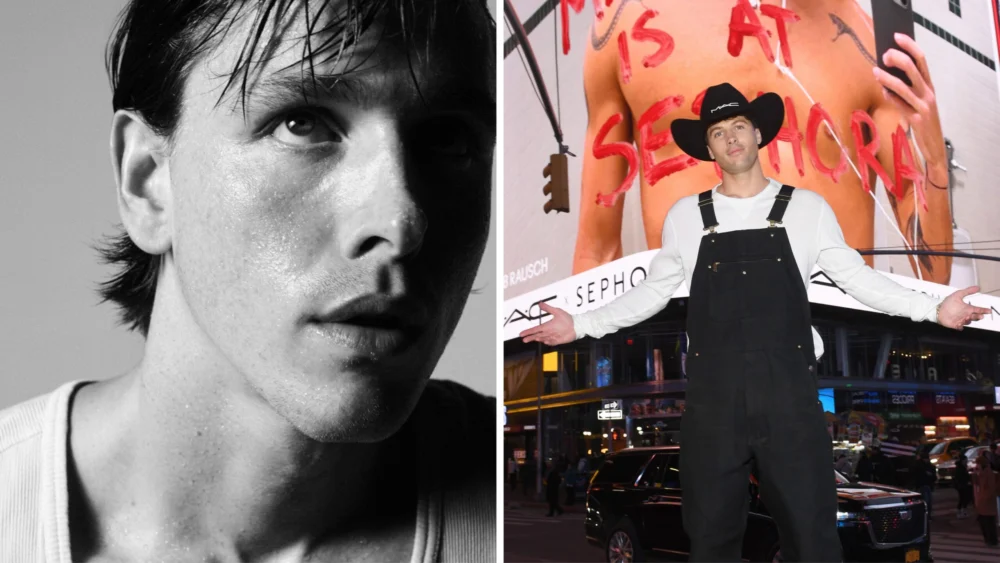
The landscape of beauty marketing is undergoing a dramatic, and frankly, surprising, evolution. For years, the prevailing narrative within the beauty industry, particularly at publications like Allure, was one of polite resistance from male celebrities when it came to discussing their personal grooming habits. Interviews with male talent, even those associated with major brands like Coach, often yielded vague, almost embarrassed responses regarding skincare. A notable instance involved James Franco, who, around 2018, when serving as a brand ambassador for Coach, responded to a query about his skincare routine with a hesitant, "Uhh, I use… Kiehl’s, I guess," with a clear reliance on his public relations handler for affirmation. This reticence wasn’t an isolated incident. Many talent managers expressed regret that their high-profile clients, often embodying the archetypal "Marvel superhero," were unwilling to publicly disclose any association with products perceived as "feminine," such as facial cleansers. While the exact phrasing may have been more diplomatic, the underlying message was clear: there was a palpable aversion among famous men to any public-facing engagement with the beauty industry.
This established norm has been dramatically upended in recent weeks by a noticeable influx of male celebrities, particularly those with a strong, conventionally attractive image, actively promoting beauty brands. This shift has been met with widespread industry commentary, with publications like WWD dubbing the trend "Heartthrob Marketing."
The Rise of the Male Beauty Ambassador
The current wave of male celebrity endorsements is marked by campaigns that are both prominent and, at times, unexpected. One of the most attention-grabbing examples is reality television star Rob Rausch. His sculpted physique was prominently featured in a campaign announcing the arrival of M.A.C. Cosmetics at Sephora. In a series of striking images, Rausch’s abs and chest were emblazoned with the iconic Ruby Woo lipstick shade, a testament to the brand’s expansion. One particular mirror selfie, shared on social media, showcased him holding the lipstick, with the announcement "M.A.C. is at Sephora" prominently displayed. This rollout was further amplified by images of Rausch sporting a black cowboy hat adorned with the M.A.C. Cosmetics logo, solidifying his role in the campaign. This strategic move by M.A.C. and Sephora represents a significant expansion into new demographic targeting, leveraging Rausch’s established fanbase and public appeal.
This trend extends beyond M.A.C. Other brands have similarly enlisted male talent to front their campaigns. Ed Westwick, known for his role as Chuck Bass in Gossip Girl, starred in a nostalgia-driven campaign for Lancôme’s Juicy Tubes. In his ads, Westwick reprised his iconic character, delivering a monologue that linked the product to the romantic allure of his on-screen persona. Similarly, actor Chad Michael Murray participated in the same campaign, revisiting a memorable kissing scene from A Cinderella Story with co-star Hilary Duff. Both actors were featured promoting the sentiment, "Kisses are better with Juicy Tubes," a clear appeal to a demographic that grew up with these cultural touchstones.
Further illustrating this burgeoning trend, actor Harris Dickinson became the face of Rhode’s Glazing Mist, marking the brand’s first male campaign star. While Dickinson’s involvement focused on a single product, the broader implication points to a growing acceptance of male representation in skincare marketing. In a more subtle yet impactful deployment, Milk Makeup teased the launch of its HydroGrip Gel Concealer during the 2026 Golden Globe Awards, featuring Heated Rivalry star Connie Storrie. The brand’s strategy involved showcasing the product’s application on Storrie, aligning with a celebrity known for his charisma and a fan base that could translate into consumer interest. Additionally, Merit Beauty highlighted its products through a “look breakdown” featuring co-star Hudson Williams during the 2026 Milano-Cortino Olympics, further demonstrating the widespread adoption of this marketing approach across various beauty sectors.

The "Heartthrob Marketing" Strategy: A Deeper Dive
The phenomenon of "Heartthrob Marketing," as described by WWD, centers on leveraging the appeal of desirable male figures to market products, particularly in beauty, to traditionally female demographics. What is particularly noteworthy is that these male ambassadors are often not the primary intended users of the products they promote. In many instances, they are not even depicted using the products themselves. Instead, their presence is strategically positioned to create an association between the product and an attractive male figure, thereby enhancing the product’s overall desirability. The underlying question for many observers is the precise strategic thinking behind these endorsements, particularly from the talent managers who orchestrate these appearances.
Unpacking the "Why": Consumer Psychology and Cultural Shifts
The impetus behind this marketing pivot warrants careful examination. While an immediate reaction might be skepticism, the underlying consumer psychology and evolving cultural dynamics offer potential explanations. Engagement with products is not inherently gendered; however, the dedicated fan bases cultivated by these "internet boyfriends" often skew heavily female. This phenomenon mirrors the substantial growth and enduring popularity of the romance genre in literature and film, which consistently ranks as the highest-grossing genre in literary fiction and typically centers on heterosexual pairings, often culminating in a "happily ever after."
Current discourse surrounding dating culture, prevalent across platforms like TikTok and various podcasts, indicates that many young women, who are also discerning beauty consumers, express a desire for partners who embody conventional attractiveness, possess emotional depth and intelligence, and demonstrate a secure sense of masculinity that allows them to embrace traditionally "feminine" interests, such as engaging with beauty routines. This ideal scenario, when executed with sincerity, is undeniably appealing. Introducing men to skincare and fragrances they find exciting is a positive development, fostering a more inclusive approach to personal grooming.
However, the marketing campaigns currently dominating the beauty space raise questions about authenticity and intention. The allure of Rob Rausch’s abs promoting a M.A.C. lipstick, or the potential influence of figures like Jeremiah Brown from Love Island or Sean Kaufman from The Summer I Turned Pretty on purchasing decisions at Ulta Beauty, prompts a critical analysis. The Ulta holiday campaign featuring these "hotties" with the caption, "Hotties who shop at Ulta on Black Friday? That’s my type," explicitly targets a female demographic’s preferences. Similarly, the question arises: would Harris Dickinson’s dewy complexion in a Rhode campaign resonate as strongly as if it were featured on a female celebrity like Hailey Bieber?
Echoes of Y2K: Nostalgia as a Marketing Tool
This trend bears a striking resemblance to early 2000s marketing strategies, particularly evident with brands like Abercrombie & Fitch. During that era, the mall store, considered a pinnacle of fashion in the first decade of the century, strategically placed shirtless male models outside its entrances. These "sexy sentries" served as a visual lure, attracting young women who were drawn to the models themselves and young men who aspired to the brand’s associated image. The models were not for sale, but their presence was instrumental in enhancing the brand’s overall appeal.
The Y2K era itself was a complex period characterized by a paradoxical blend of overt sexualization of youth and a simultaneous adherence to prudish values. Fashion trends like low-rise jeans and revealing clothing pushed boundaries of sexual suggestiveness for desirability, yet any overt expression of that sexuality could lead to negative labeling. This duality is exemplified by Britney Spears’ debut in a provocative schoolgirl outfit, followed by extensive discussions of her virginity pledge in interviews.

The current resurgence of Y2K nostalgia in beauty marketing, as Gen Z rediscovers styles favored by previous generations, is undeniable. However, viewing this era through a modern lens reveals the problematic aspects of its misogyny-fueled, fatphobic, and homophobic culture, which many find increasingly uncomfortable.
Nostalgia can offer a comforting respite from the relentless pace of modern life. Yet, it can also become a trap, fostering stagnation. The burnout from the "girlboss" culture of the past decade, the disillusionment with the concept of "having it all," and the ongoing crisis in modern masculinity are contributing factors to a collective yearning for simpler times. This sentiment, however, is manifesting in ways that risk regression and a reinforcement of gender essentialism, particularly in light of contemporary political and social discourse surrounding women’s bodily autonomy.
The Shifting Sands of Empowerment and Desire
The cyclical nature of trends, with a notable return every 30 years, is amplified by the rapid pace of cultural change, particularly over the last decade, as evidenced by the "2016 is the new 2026" social media trend. The marketing strategies of the 2010s, heavily focused on empowerment, have evolved into an emphasis on indulgence and desire. The realization that constant consumption is not inherently empowering, but rather detrimental to mental well-being, finances, and the environment, has led to a recalibration.
As women achieve conventional markers of power through economic and social mobility, brands are now strategizing how to capture the "female gaze." While men may no longer be a prerequisite for a secure and comfortable life for many women, and some are re-evaluating their additive benefit to quality of life until men meet evolving expectations for partnership, the desire for male companionship, for those attracted to men, remains.
What follows empowerment? Desire naturally emerges when resources are secure and abundant. Nostalgia flourishes in times of uncertainty about the future. The conditions are ripe for escapism and, as some therapists might term it, "maladaptive daydreaming." If the fantasy of having it all includes an attractive partner – a long-standing promise of beauty products – then these conventionally attractive male spokesmodels can serve as potent symbols of that aspiration. This strategy can be interpreted as dangling attractive men as a carrot, guiding consumers towards brands like Sephora, where M.A.C. Cosmetics has strategically placed itself. The recent fan meet-and-greet with Rob Rausch at Sephora, celebrating M.A.C.’s entry into the retailer, exemplifies this. The allure of a potential "meet-cute" scenario, a fantasy deeply embedded in popular culture, is a powerful marketing tool, until, perhaps, a celebrity’s real-life relationship status brings consumers back to reality.