
 By admin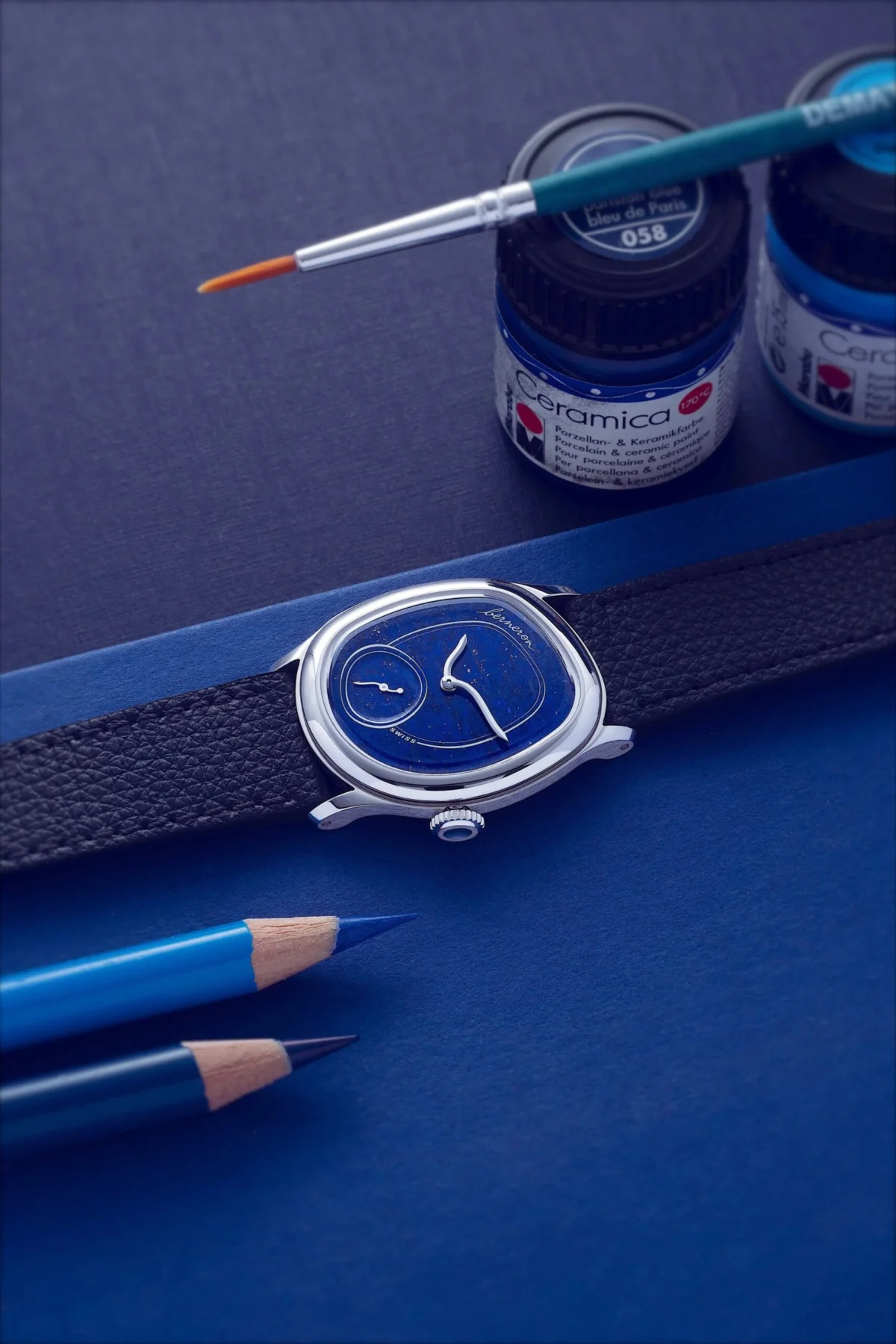
The circular wristwatch remains the most pervasive silhouette in the global horological market, with industry estimates suggesting that approximately 90 percent of all timepieces produced today feature a round case. This dominance is frequently attributed to the fundamental mechanics of the movement—gears are circular, and hands rotate around a central axis—yet a growing segment of designers and independent watchmakers is challenging the notion that the case must mirror the mechanics. Martin Frei, the co-founder of Urwerk, a brand renowned for its unconventional time displays, suggests that the industry’s reliance on the circle is as much a result of historical habit as it is of ergonomic necessity. By examining the evolution of "form watches"—timepieces where the case shape deviates from the circle—it becomes clear that the struggle between geometric logic and artistic sculpture is currently undergoing a significant renaissance.
The Mechanical Logic and Ergonomic Dominance of the Circle
The prevalence of the round watch is rooted in practical engineering. Because traditional mechanical movements are constructed using circular plates and rotating wheels, a round case provides the most efficient use of space, minimizing the overall footprint of the watch on the wrist. Furthermore, the physics of water resistance favors the circle; creating a uniform seal with gaskets is significantly simpler and more reliable on a round circumference than on a case with sharp angles or irregular curves.
From an ergonomic perspective, the round watch offers a "built-in balance." As every point on the circumference is equidistant from the center, the watch naturally avoids catching on clothing and sits comfortably against the anatomy of the wrist. Martin Frei concedes that this logic is sound, but argues that the industry’s obsession with functionalism—often echoing the round instrument panels of the automotive and aviation sectors—has created a decorative vacuum. As the mechanical watch transitions from a necessary tool to a luxury object of self-expression, the necessity of the circle is being questioned.
A Chronology of Departure: The Rise of the Form Watch
The history of non-round watches, or montres de forme, reveals that the industry was once far more adventurous. In the early 20th century, the distinction between a jeweler and a watchmaker was often blurred, leading to a period of intense geometric experimentation.
1904–1931: The Birth of Icons
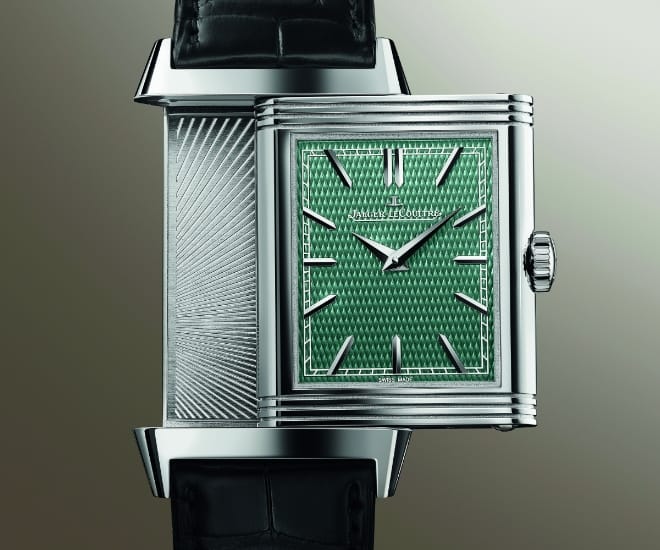
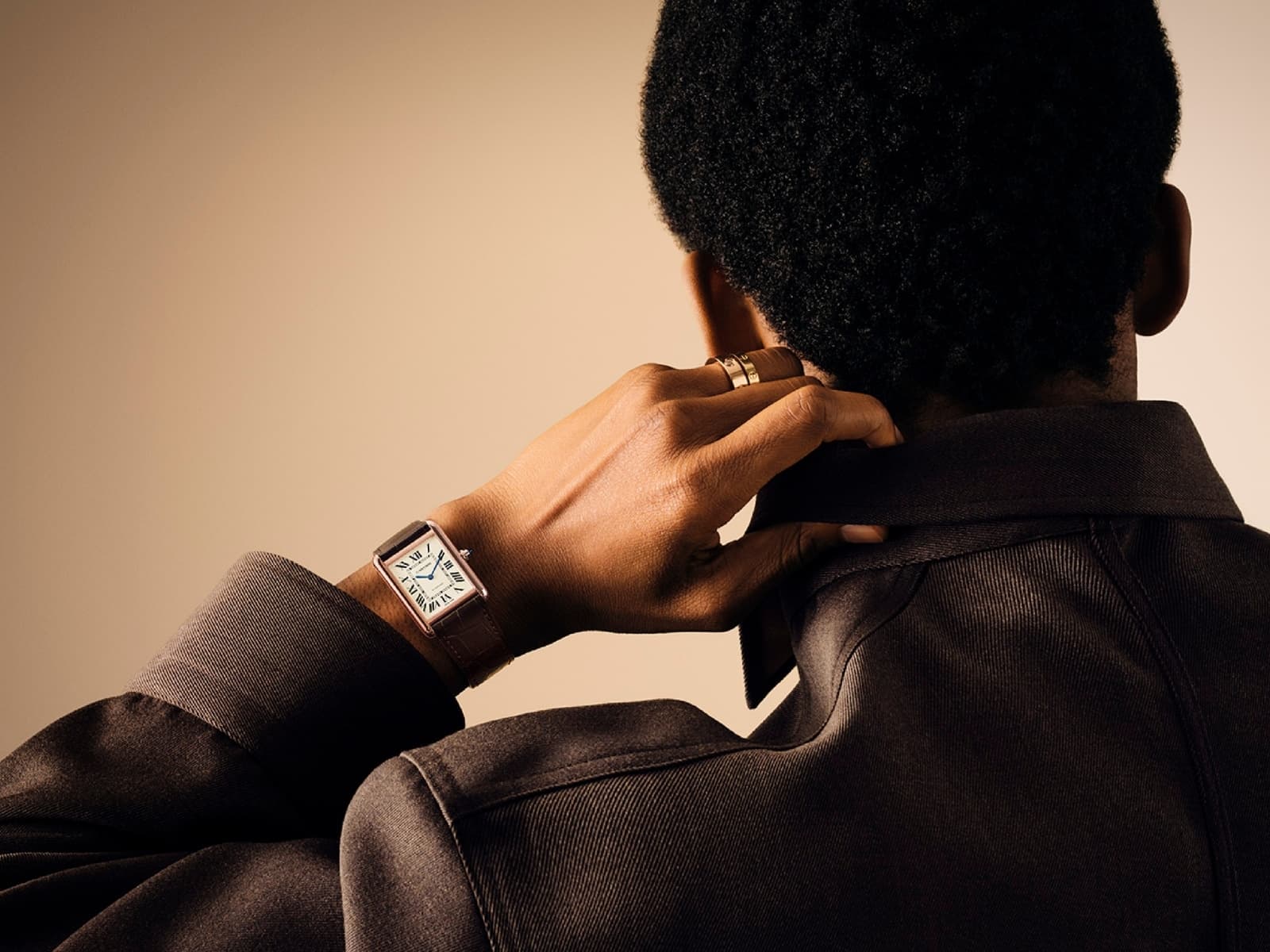
The departure from the pocket watch format necessitated new shapes for the wrist. Louis Cartier was a pioneer in this regard, introducing the square-cased Santos in 1904 for aviator Alberto Santos-Dumont. This was followed by the rectangular Tank in 1917 and the reversible, rectangular Jaeger-LeCoultre Reverso in 1931. During this era, brands like Vacheron Constantin and Patek Philippe frequently utilized cushion and tonneau (barrel) shapes, treating the watch case as a canvas for Art Deco expression.
1950s–1960s: The Golden Age of Asymmetry
The post-war era brought a surge in technological optimism and cultural shifts. Designers like Gilbert Albert at Patek Philippe pushed the boundaries of what a luxury watch could look like, introducing rhomboid and triangular cases that the brand described as a "glimpse of the future." Simultaneously, in the United States, Richard Arbib designed the Hamilton Ventura, an asymmetric, shield-shaped watch that became an icon of the "Space Age."
1969–1972: Disruptive Geometry
The late 1960s saw the introduction of the Heuer Monaco, a square-cased automatic chronograph that was initially met with commercial resistance. Its success was eventually cemented by its association with Steve McQueen, but its existence was a testament to the creative risks taken by external case-makers like Piquerez. Shortly thereafter, Gérald Genta introduced the Royal Oak for Audemars Piguet in 1972, utilizing an octagonal bezel that challenged the "superficial roundness" of the era.
The Role of External Specialists and Vertical Integration
One of the primary reasons for the diversity of shapes in the mid-20th century was the collaborative nature of the industry. Before the trend toward "in-house" vertical integration, watch brands relied heavily on independent case-makers such as Antoine Gerlach, Eggly & Cie, and the Star Watch Case Company. These specialists were not merely order-fulfillers; they were creative partners who proposed radical designs to brands.
Stephane Cheikh, managing director of the revived Dennison brand, notes that shape was historically the primary way to make a watch identifiable "from ten barstools away." As brands began to bring case production in-house during the late 20th century, the focus shifted toward manufacturing efficiency. Standardizing round cases allowed for faster production cycles and lower error rates in CNC (Computer Numerical Control) machining, leading to the "tyranny of the round" that defined the post-Quartz era.
The Manufacturing Complexity of Non-Round Forms
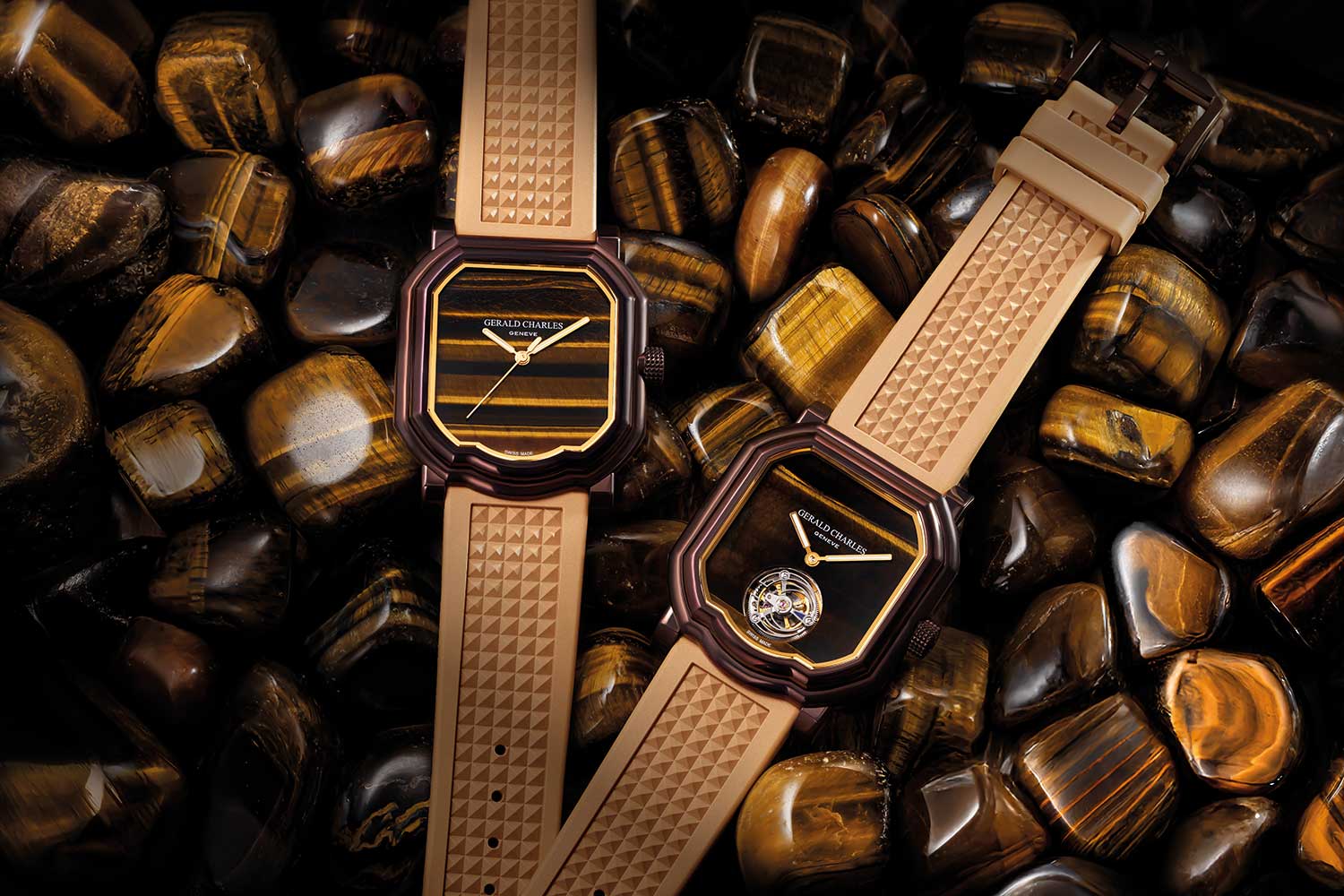
The technical challenges of producing a form watch remain a significant barrier to entry. Federico Ziviani, general manager of Gerald Charles, explains that every time a CNC machine must change direction to cut a non-round sapphire crystal or an asymmetric case, the risk of structural failure or aesthetic disharmony increases.
"Simply exploring shape increases the risk of getting it wrong," Ziviani states. "There is a fine line between a shape that looks right and one that looks odd and unharmonious." The production of a rectangular or tonneau-shaped sapphire crystal, for instance, requires specialized grinding processes to ensure that the edges do not become brittle under pressure—a non-issue for circular crystals where tension is distributed equally. This complexity translates directly to higher retail costs and longer development timelines, dissuading many established brands from deviating from proven round sellers.
The Modern Renaissance: Micro-brands and the "Apple Effect"
Despite these challenges, a new wave of demand is emerging, driven by a desire for individuality in a saturated market. The success of the Apple Watch, which famously adopted a rectangular form factor, has played a paradoxical role in this shift. By making a non-round shape the global standard for smartwatches, Apple effectively signaled a "difference" from the traditional mechanical world, inadvertently encouraging mechanical watch enthusiasts to seek out distinctive shapes as a form of counter-culture.
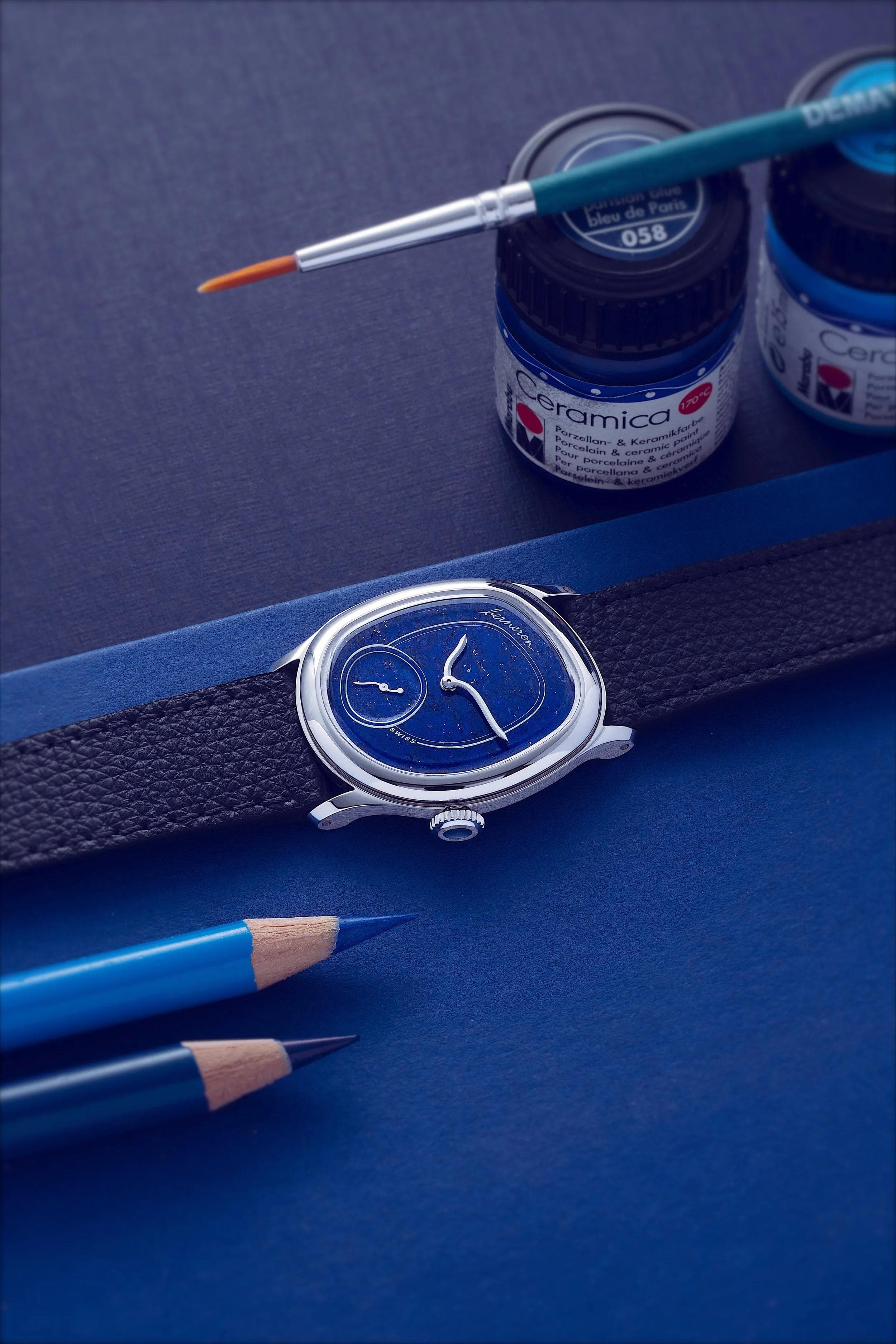
This has paved the way for "micro-brands" and independent artisans to thrive. Sylvain Berneron, whose "Mirage" watch features an artfully distorted, wonky geometry, found that his niche proposition resonated far more than expected. Initially hoping to sell 12 pieces, he now faces demand that exceeds his production capacity by a hundredfold. Other brands, such as Toledano & Chan with the Brutalist-inspired B1 and Anoma with its triangular A1, are proving that "wearable sculpture" is no longer a fringe interest but a viable commercial path.
The "Long Game" of Commercial Viability
For major luxury houses, the decision to launch a non-round watch is often a test of patience. Maximillian Büsser, founder of MB&F and formerly of Jaeger-LeCoultre, recalls a time in the 1990s when the Reverso—now a cornerstone of the JLC brand—was nearly impossible to sell. Similarly, the Audemars Piguet Royal Oak took three years to sell its first 2,000 units, a figure that would be considered a failure by modern corporate standards.
Nicholas Biebuyck, Heritage Director for TAG Heuer, points out that while avant-garde designs like the Monaco can become catalysts for change, they require decades of brand storytelling to find their audience. In a business climate that often demands immediate quarterly results, the "long game" required for a form watch to become an icon is a difficult sell for shareholders.
Broader Impact and the Future of Horological Aesthetics
As the functional utility of the mechanical watch continues to be superseded by digital technology, its role as a piece of "wearable craft" becomes its primary value proposition. This shift suggests that the next decade of watchmaking will be defined by design-focused propositions rather than incremental mechanical improvements.
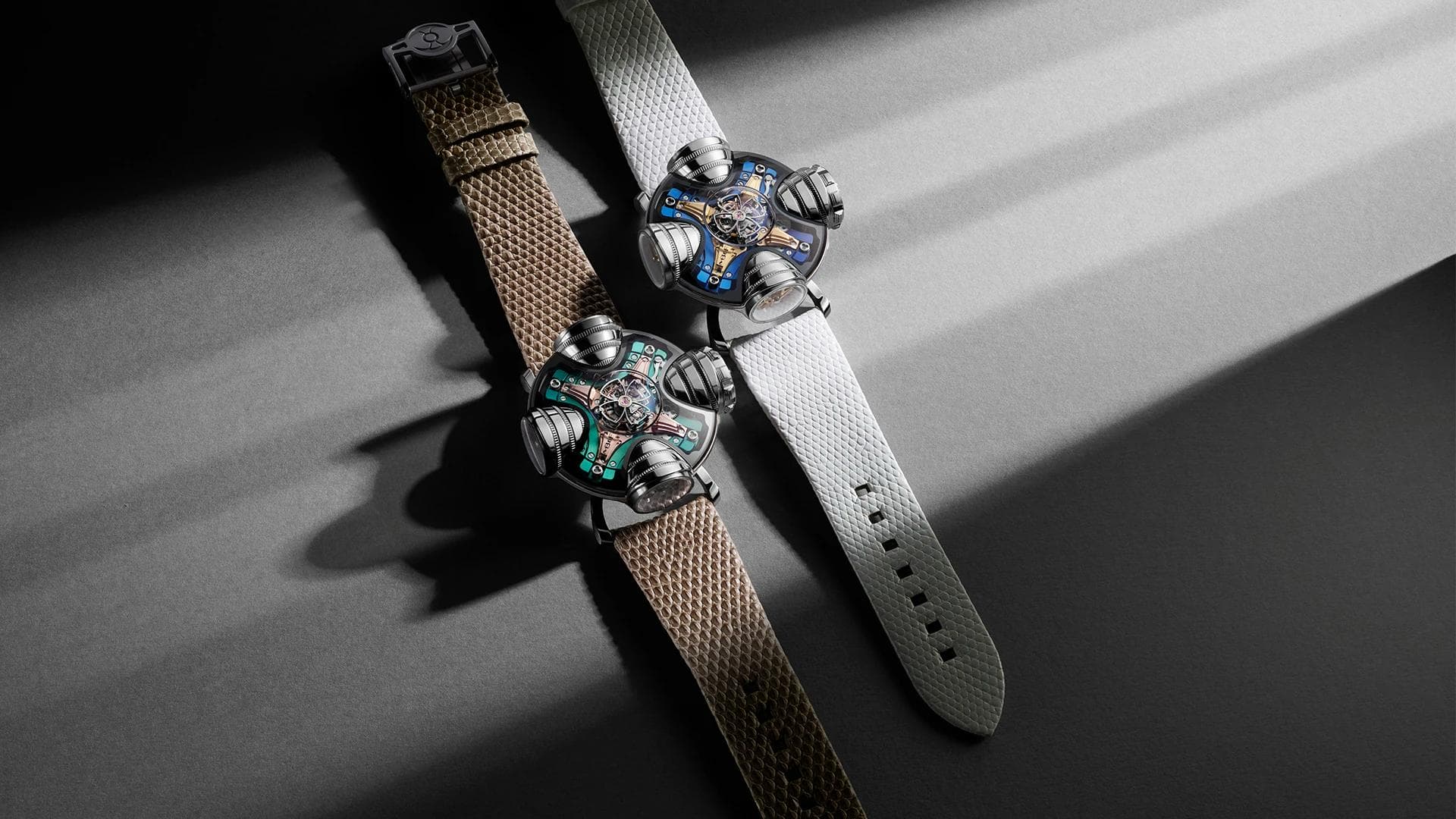
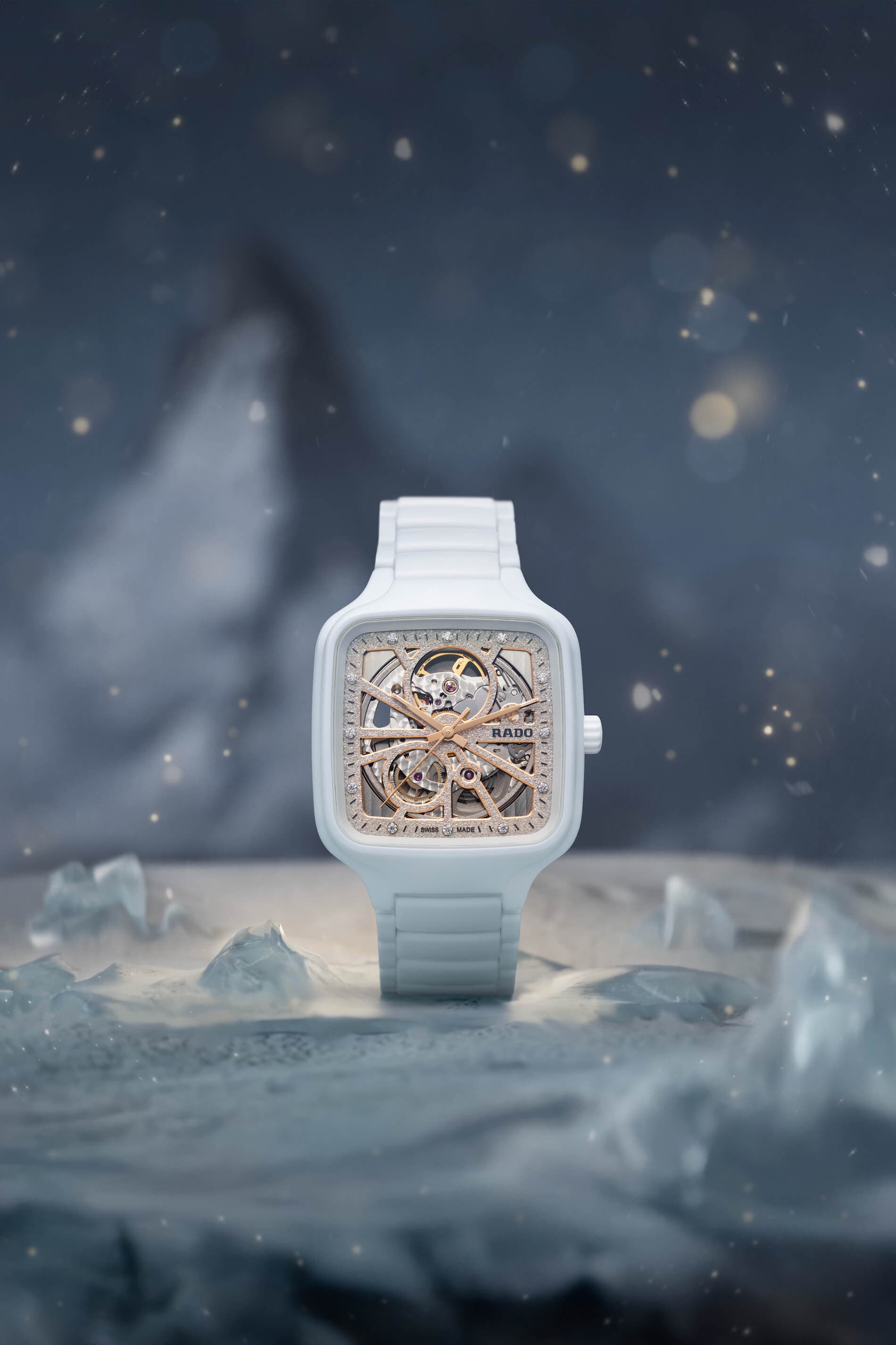
The industry is currently witnessing a reaction against the dominance of the steel sports watch—a category that has become increasingly homogenized. Donell Hutson, senior designer at Bulova, observes that consumers outside the traditional enthusiast circles are beginning to find round watches "too clean and boring." This sentiment is driving brands like Rado (with the True Square) and Hublot (with the Meca-10) to experiment with octagonal and amoebic forms.
The struggle between the mechanical necessity of the circle and the artistic desire for the form watch is far from over. However, the evidence suggests that the "tyranny of the round" is loosening its grip. In an era where a watch is worn to reflect a personality rather than just to track minutes, the industry must embrace the "scary and aggressive" nature of non-traditional shapes to remain relevant. The circle may be a necessity of mechanics, but the future of horology belongs to those willing to break it.