
 By admin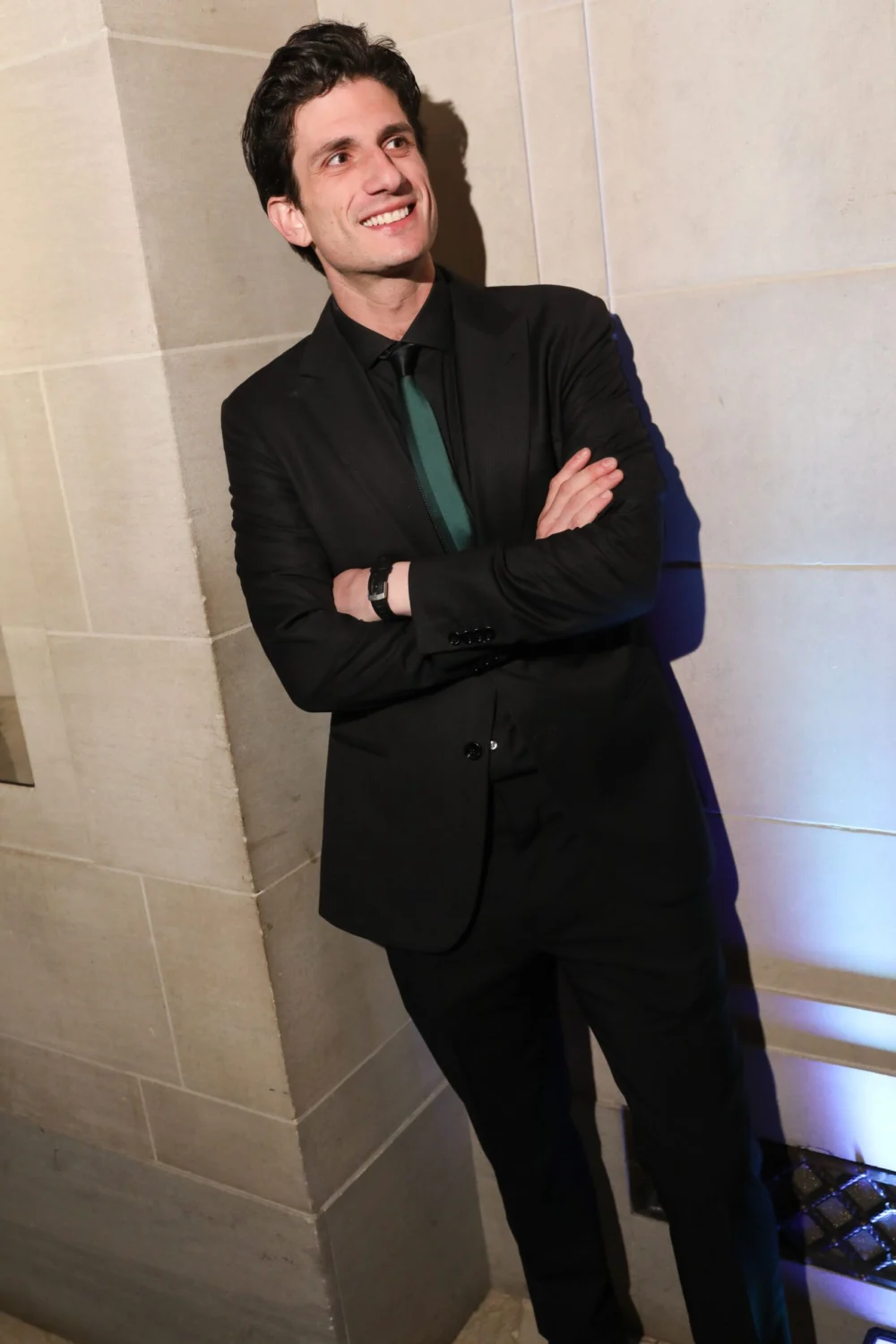
Few events more definitively signal the commencement of New York City’s vibrant spring social calendar than The Young Fellows Ball at The Frick Collection. On Thursday evening, the venerable institution played host to its highly anticipated annual benefit, drawing a distinguished assembly from the worlds of art, high fashion, politics, and media. This year’s iteration, themed "Travel Through Time," provided a captivating homage to the diverse centuries of world-class art meticulously preserved within the museum’s fabled collection, while simultaneously serving as a dynamic platform for contemporary philanthropy and cultural engagement.
The meticulously curated theme of "Travel Through Time" was not merely a decorative suggestion but a profound invitation to guests to immerse themselves in the historical narratives embedded within The Frick’s esteemed holdings. The bold and imaginative fashion choices on display unequivocally brought this theme to vivid life throughout the evening. Among the notable attendees, including Alessia Fendi, Ivy Getty, Jack Schlossberg, and Mark-Francis Vandelli, a significant number drew inspiration from the opulent court of Marie Antoinette, evidenced by the prevalence of voluminous panniers and gravity-defying pouf hairstyles, reminiscent of 18th-century French aristocracy. Other guests channeled the ethereal beauty of Renaissance-era paintings, gracing the halls in sweeping floral gowns layered with delicate tulle, evoking the romanticism and grandeur of the 15th and 16th centuries. One particularly striking ensemble featured an ornate chain headpiece, powerfully evocative of medieval armor, artfully paired with shimmering silver makeup, offering a playful yet sophisticated modern twist on historical aesthetics. This fusion of past and present, tradition and innovation, underscored the event’s unique ability to transcend temporal boundaries.
The Enduring Legacy of The Frick Collection
To fully appreciate the significance of The Young Fellows Ball, it is imperative to understand the foundational ethos and enduring legacy of The Frick Collection itself. Established by the industrialist Henry Clay Frick (1849–1919), the museum is housed in his former New York residence, a magnificent Gilded Age mansion on Fifth Avenue. Frick, a titan of industry and a discerning art collector, amassed an unparalleled collection of Old Master paintings, European sculpture, and decorative arts during his lifetime. Upon his death, he bequeathed his home and its contents to the public, transforming it into a museum dedicated to preserving and presenting art in an intimate, domestic setting, a stark contrast to the grand scale of many contemporary museums.
The Frick Collection opened its doors to the public in 1935, quickly establishing itself as a vital cultural cornerstone of New York City. Its collection, though relatively small in number compared to encyclopedic museums, is renowned for its exceptional quality and focus, featuring masterpieces by artists such as Bellini, Rembrandt, Vermeer, Goya, Turner, and Whistler. The museum’s intimate scale and carefully preserved period rooms allow visitors to experience art in a manner akin to how it was originally viewed by its collectors, fostering a deeply personal connection. The recent period, marked by the renovation of its permanent home and the temporary relocation to Frick Madison, has only heightened public anticipation for events held within its historic walls, underscoring its irreplaceable role in the city’s cultural tapestry.
The Young Fellows Program: Cultivating Future Patronage
The Young Fellows program, and its culminating annual ball, is a critical component of The Frick Collection’s strategy for engaging a new generation of patrons and ensuring its long-term viability. Instituted decades ago, the program aims to cultivate an appreciation for the arts and philanthropy among younger professionals and emerging collectors, typically those under the age of 40. Members gain exclusive access to the museum, including private viewings, lectures, and social events, fostering a sense of community and direct involvement with the institution’s mission.
The Young Fellows Ball, as the flagship event, serves multiple crucial functions. Primarily, it is a significant fundraising initiative, with proceeds directly supporting The Frick’s extensive array of programs, including art conservation, educational outreach, scholarly research, and the acquisition of new works. Beyond its financial contributions, the ball acts as a high-profile platform for the museum to showcase its relevance and dynamism to a younger, influential demographic. It is intentionally designed to be both an elegant social gathering and a meaningful cultural experience, bridging the gap between historical art and contemporary society. Over the years, the ball has cemented its reputation as one of the most coveted invitations on the New York social calendar, celebrated for its unique blend of artistic gravitas, sartorial splendor, and convivial atmosphere.
The Gainsborough Exhibition: A Timely Interplay of Art and Style
Central to this year’s "Travel Through Time" theme and the evening’s intellectual undercurrent was the newly unveiled exhibition, Gainsborough: The Fashion of Portraiture. This exhibition meticulously explores the intricate connection between Thomas Gainsborough’s distinctive artistic signatures and the prevailing styles that were de rigueur in 18th-century England. Thomas Gainsborough (1727–1788), alongside Sir Joshua Reynolds, was one of the preeminent British portrait and landscape painters of his era. Renowned for his fluid brushwork, elegant compositions, and ability to capture the psychological depth of his sitters, Gainsborough’s portraits often placed a significant emphasis on fashion, using clothing not just as adornment but as a means to convey social status, personality, and the aspirations of his subjects.

Aimee Ng, The Frick’s chief curator and the visionary behind the Gainsborough exhibition, articulated the profound synergy between the exhibition’s themes and the spirit of the ball. "A night like tonight reflects the individuality that Gainsborough was going for," she shared with Vogue. "You come as your best self, whether that’s in H&M or Chanel." Ng further elaborated on Gainsborough’s artistic philosophy, noting that his portraits were consistently elevated and beautiful, meticulously conveying his subjects as they wished to be perceived rather than strictly as they appeared. "We don’t know what anyone is wearing [in his portraits], but everyone is participating in the same joviality and is being themselves. It was aspirational; it didn’t have to reflect reality. Tonight feels a bit like that." This curatorial insight perfectly framed the guests’ exuberant embrace of historical fashion, highlighting how contemporary interpretation can echo the timeless human desire for self-expression and aspiration. The exhibition, which will remain on view at The Frick through May 25, 2026, promises to be a significant draw for both art historians and fashion enthusiasts, further solidifying the museum’s reputation for insightful scholarship.
An Evening of Refined Indulgence and Community
Beyond the main exhibition halls, where the vibrant interpretations of historical fashion captivated onlookers, partygoers discovered an exclusive VIP lounge designed to transport them to another distinct era: the glittering café society of 1920s Paris. This intimate setting, distinct from the grander, more bustling main areas, offered a moment of luxurious respite. Guests reclined in sumptuously plush booths, bathed in a soft, golden glow that evoked the romantic ambiance of a bygone Belle Époque salon. Here, amidst whispered conversations and sophisticated laughter, they sipped on exquisite Ruinart Champagne and savored delicate caviar bites, embodying the refined indulgence characteristic of Parisian intellectual and artistic gatherings of the early 20th century. This carefully crafted atmosphere underscored the museum’s commitment to providing a multi-sensory and immersive experience, marrying artistic appreciation with unparalleled hospitality.
The appeal of the Young Fellows Ball, however, extends beyond its aesthetic grandeur and gourmet offerings. For many, like Ivy Getty, who has cultivated a lifelong appreciation of the arts, the event holds a deeper personal significance. "I grew up in a family that prioritizes going to museums," Getty revealed. "Wherever we visited, we’d have a whole museum tour booked." This familial tradition instilled in her a profound respect for cultural institutions. Supporting the next generation of artists and events like the Young Fellows Ball, she added, feels particularly meaningful in an era increasingly dominated by modern technology, emphasizing the vital importance of preserving and celebrating tangible cultural heritage.
Casey Kohlberg, the evening’s distinguished vice chair, echoed this sentiment, emphasizing the profound sense of community that acts as a powerful magnet, drawing members back year after year. "It’s one of the best ways to meet people in New York who care about the same things as you," Kohlberg remarked. This focus on shared values—a passion for art, culture, and philanthropy—underscores the ball’s role not just as a fundraiser, but as a crucial nexus for networking and forging connections among like-minded individuals in a city known for its vibrant but often fragmented social landscape. The Young Fellows program effectively cultivates a supportive ecosystem for emerging leaders who are committed to the arts.
Broader Implications and Cultural Impact
The annual Young Fellows Ball represents more than just a celebratory kickoff to the spring season; it embodies a sophisticated model of cultural philanthropy with far-reaching implications. Its success highlights the enduring appeal of established cultural institutions like The Frick Collection, particularly when they innovate to engage younger audiences. In an increasingly competitive philanthropic landscape, the ability to attract and retain a vibrant community of young patrons is crucial for the long-term sustainability of museums. The funds raised from such events are instrumental in allowing The Frick to continue its world-class work in conservation, ensuring that priceless masterpieces are preserved for future generations, and to develop engaging educational programs that make art accessible to a broader public.
Furthermore, the "Travel Through Time" theme and the Gainsborough exhibition underscore the powerful and cyclical relationship between art and fashion. Fashion is not merely transient trend; it is a historical document, a reflection of societal values, technological advancements, and individual expression across different epochs. By explicitly connecting the sartorial choices of attendees to historical periods and to the 18th-century fashion depicted by Gainsborough, the ball serves as an intellectual exercise, demonstrating how art informs style and vice versa. This dialogue enriches the public’s understanding of both disciplines, elevating fashion beyond mere aesthetics to a significant cultural force.
From a broader economic perspective, high-profile events like the Young Fellows Ball contribute significantly to New York City’s cultural economy. The meticulous planning, elaborate catering, security, floristry, and staffing required for such a grand affair generate substantial economic activity, supporting numerous local businesses and skilled professionals. Moreover, its prominence on the social calendar attracts visitors and media attention, further cementing New York’s status as a global cultural capital.
In conclusion, The Frick’s Young Fellows Ball successfully merged historical reverence with contemporary dynamism, delivering an evening that was both an aesthetic marvel and a philanthropic triumph. By inviting guests to "Travel Through Time" through their attire and by spotlighting the Gainsborough: The Fashion of Portraiture exhibition, the museum not only celebrated centuries of artistic and sartorial evolution but also reaffirmed its vital role in fostering community, cultivating patronage, and enriching the cultural fabric of New York City. The event stands as a testament to the enduring power of art to inspire, connect, and transcend generations.