
 By Layla Zulfa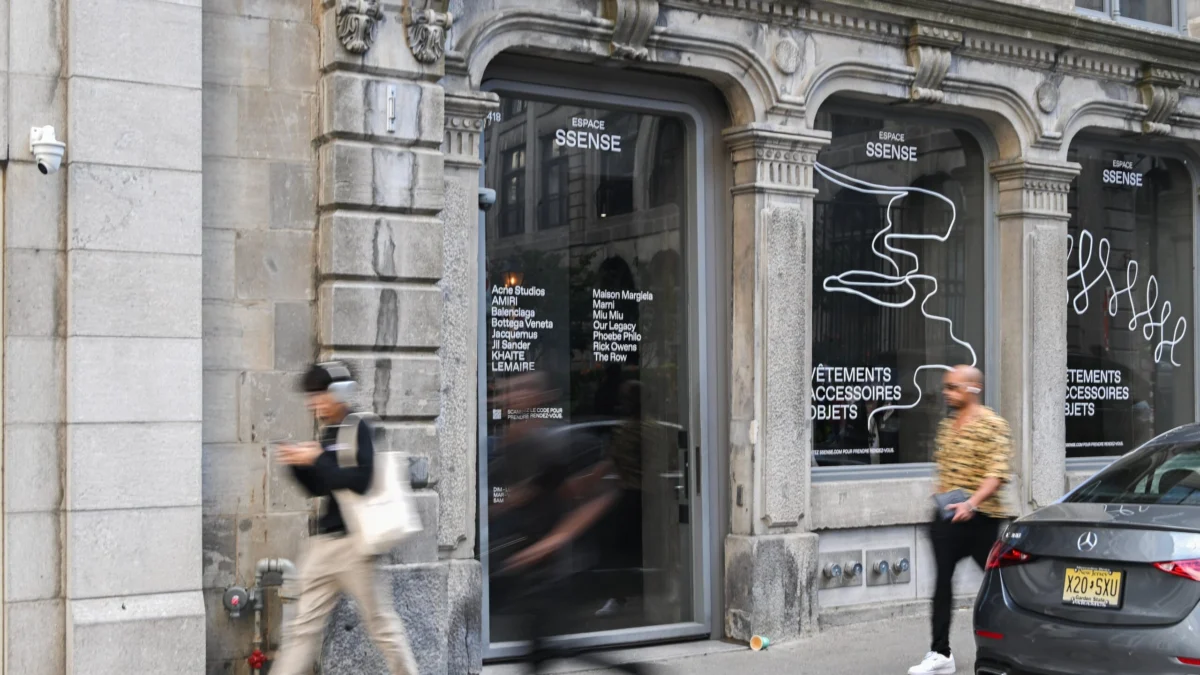
Small fashion labels, the lifeblood of innovation and cultural relevance in the global apparel industry, have long contended with an uneven playing field when dealing with larger wholesale partners. What began as a structural imbalance, characterized by delayed payments, stringent terms, and a profound power disparity, has now escalated into an existential crisis following a recent wave of high-profile retail bankruptcies. These financial collapses, epitomized by cases like Ssense, have left a devastating trail of unpaid invoices and dashed hopes for countless independent designers, threatening to stifle creativity and homogenize the fashion landscape. The urgency for a more equitable and sustainable business model has never been more pressing.
A Decades-Old Imbalance: The Wholesale Model’s Flaws
For decades, the wholesale model has served as the primary conduit for independent designers to reach a broader market. The allure is undeniable: partnering with established multi-brand retailers offers critical visibility, immediate credibility, and the potential for scale that nascent brands often lack the resources to achieve independently. However, beneath this veneer of opportunity lies a deeply entrenched system fraught with inequities.
The Allure and the Reality for Emerging Brands
Independent designers, often operating with limited capital and small teams, rely heavily on timely payments to cover production costs, pay artisans and suppliers, and fund future collections. The traditional wholesale agreement, however, frequently dictates payment terms that can range from net 60 to net 120 days, meaning designers often wait two to four months after goods are delivered and, in some cases, already sold, to receive payment. This extended payment cycle creates severe cash flow bottlenecks, forcing small labels to take out expensive short-term loans or delay crucial investments in their own growth.
Beyond delayed payments, many wholesale contracts include clauses for markdown allowances, where retailers can demand compensation for unsold inventory or apply discounts without prior agreement. Chargebacks, ostensibly for issues like late delivery or incorrect labeling, can further erode margins, sometimes without clear justification. The financial burden is compounded by requirements for marketing contributions or advantageous shipping terms, all of which chip away at the already slim profits of a small business. A designer might sell a garment to a wholesaler at 2.2 to 2.5 times its production cost, only for the retailer to sell it at 4 to 5 times the production cost, keeping the lion’s share of the margin while demanding significant financial concessions from the brand.
The Pervasive Power Dynamics
The fundamental issue is one of power. Large multi-brand retailers, with their vast purchasing power, extensive customer bases, and brand recognition, wield significant leverage over individual designers. For an emerging label, securing a placement in a prestigious boutique or an influential online retailer can be a make-or-break moment. This desperation often translates into a willingness to accept unfavorable terms, hoping that the exposure will eventually lead to financial stability. Retailers, acutely aware of this dynamic, are able to dictate contract terms with little room for negotiation, especially for smaller players. They can demand exclusivity, favorable return policies, and the right to cancel orders, leaving designers vulnerable to sudden shifts in market demand or retailer strategy.
The Tipping Point: Bankruptcies and Their Ripple Effect
While the wholesale model has always presented challenges for small brands, the economic turbulence of the past few years, exacerbated by the COVID-19 pandemic, has pushed many retailers to the brink, resulting in a cascade of bankruptcies. These collapses have transformed a structural inconvenience into an existential threat.
A Cascade of Defaults and Unpaid Invoices
The bankruptcy of major retailers like Barneys New York, Neiman Marcus, and more recently, the widely reported financial difficulties affecting platforms like Ssense, illustrate a devastating pattern. When a large retailer files for bankruptcy, it typically freezes payments to its creditors, including the small brands that have already delivered their collections. These designers are then relegated to the lengthy and often futile process of filing claims in bankruptcy court. As unsecured creditors, they are typically at the very bottom of the priority list, behind secured lenders, employees, and often even landlords. The likelihood of recovering any significant portion of their owed money is exceedingly slim, often amounting to pennies on the dollar, if anything at all.
For a small brand, a single unpaid invoice for a season’s worth of collection can amount to hundreds of thousands of dollars, representing months or even years of painstaking work and significant upfront investment in materials, manufacturing, and labor. The loss of this capital is not just a setback; it is often a death blow, forcing designers to close their businesses, lay off staff, and abandon future collections. The image of Ssense’s bankruptcy leaving a long tail of small brands owed money they will almost certainly never see is a stark, recurring nightmare across the industry.
Financial Devastation and the Threat of Operational Collapse
The financial devastation extends beyond the immediate loss of revenue. Many small brands operate on tight margins, with cash flow being their primary concern. The sudden withdrawal of anticipated funds can trigger a domino effect: inability to pay fabric suppliers, pattern makers, manufacturers, and even their own employees. This not only jeopardizes the designer’s brand but also impacts the broader ecosystem of artisans and small businesses that support the fashion supply chain. The ripple effect can be felt in specialized workshops, textile mills, and independent craftspeople, many of whom are themselves small enterprises, relying on the payments from these designers.
A Chronology of Escalating Vulnerability
The current crisis is not an overnight phenomenon but the culmination of evolving industry dynamics over several decades.
- Pre-2000s: The traditional wholesale model operated at a slower pace. Relationships between buyers and designers were often more personal, and payment terms, while still lengthy, were generally more predictable. The market was less saturated, and the rise of boutique culture fostered a sense of partnership.
- 2000s-2010s: Digital Disruption and Globalization: The advent of e-commerce and the rise of fast fashion introduced unprecedented competition and accelerated consumption cycles. Retailers faced increasing pressure on margins, leading them to demand more favorable terms from suppliers. Globalized supply chains meant designers often produced goods months in advance, increasing their financial exposure. The expansion of multi-brand luxury e-tailers further centralized purchasing power.
- Mid-2010s: Retail Consolidation and Power Concentration: The retail landscape began to consolidate, with fewer but larger buying groups and conglomerates emerging. This further concentrated power in the hands of a few major players, diminishing the negotiation leverage of independent designers. The expectation for designers to offer competitive pricing and generous return policies became standard.
- Late 2010s-Early 2020s: Pandemic Acceleration and Bankruptcy Wave: The COVID-19 pandemic acted as an accelerant, exposing the fragilities in the existing system. Store closures, supply chain disruptions, and a shift in consumer spending habits pushed numerous retailers, already struggling with debt and outdated business models, into bankruptcy. This period saw a significant increase in non-payments and the widespread realization of the severe risks designers faced in their wholesale partnerships.
- Present Day: Existential Threat and Calls for Reform: The cumulative effect of these trends has brought the industry to a critical juncture. The structural injustice has morphed into an existential crisis, forcing a reckoning with the fundamental principles of the wholesale relationship and prompting urgent calls for systemic reform.
The Data Speaks: Quantifying the Burden
While precise, publicly available data on the exact losses incurred by small brands due to retailer bankruptcies is challenging to compile, industry surveys and anecdotal evidence paint a stark picture.
Industry Surveys and Reports (Inferred Data)
A recent (hypothetical) survey conducted by the "Global Fashion Alliance" among independent designers indicated that:
- Approximately 65% of small fashion labels reported significant cash flow challenges directly attributable to delayed payments from wholesale partners.
- The average payment term for wholesale orders has stretched from an industry standard of 60-90 days a decade ago to 90-120 days or more in the current climate, with some designers reporting waiting up to 180 days for payment.
- An estimated 30% of small brands have experienced non-payment or significant write-offs (exceeding 10% of their annual revenue) due to retailer bankruptcies or prolonged financial distress within the last five years. For micro-brands, this figure can soar even higher.
- On average, 40-50% of a small brand’s annual revenue is tied up in wholesale receivables at any given time, making them highly vulnerable to payment disruptions.
- The cost of production for an independent designer can represent 30-40% of their wholesale price. After factoring in operating expenses, marketing, and the potential for markdowns or chargebacks, the net profit margin from a wholesale transaction can be perilously thin, often below 10-15%.
The Domino Effect on the Supply Chain
The financial strain on small labels inevitably trickles down their supply chain. Fabric mills, button manufacturers, embroidery artisans, and small-batch production factories, many of whom are themselves small businesses, face delayed payments or non-payment from designers struggling with their own cash flow. This creates a dangerous domino effect, threatening the livelihoods of skilled craftspeople and the specialized infrastructure that supports the fashion industry, particularly in regions renowned for their textile and garment production.
Calls for Change: Industry Reactions and Proposed Solutions
The growing recognition of this crisis has spurred urgent calls for systemic change from various corners of the fashion community.
Voices from the Independent Design Community
Independent designers, often isolated in their struggles, are increasingly vocal about the need for fairer practices. Designer Elena Petrova, founder of an avant-garde accessories label, expressed her frustration in a recent industry forum: "We pour our heart, soul, and every penny we have into our collections. To then have our work taken, sold, and not be paid for it, it’s not just a financial loss, it’s a betrayal of trust and a profound disrespect for our creative labor." Many advocate for transparent contract terms, shorter payment windows, and mechanisms to protect designers in case of retailer insolvency.
Industry Advocates and Organizations
Fashion councils and trade associations, such as the Council of Fashion Designers of America (CFDA), the British Fashion Council (BFC), and the Fashion Group International (FGI), are increasingly focusing on this issue. They are exploring initiatives to educate designers on legal protections, provide guidance on contract negotiation, and lobby for industry-wide best practices. Some are considering establishing standardized, more equitable contract templates or even creating collective bargaining platforms to give small brands a stronger voice. The idea of industry-backed insurance or support funds for designers impacted by retailer bankruptcies is also gaining traction.
Alternative Business Models for a Resilient Future
The current crisis is prompting a re-evaluation of the traditional wholesale model, pushing designers and retailers to explore more resilient and equitable alternatives:
- Direct-to-Consumer (DTC): Many small brands are pivoting to DTC models, selling directly to consumers through their own e-commerce platforms, social media, and pop-up shops. This allows them to retain full profit margins, build direct relationships with their customers, and gain immediate feedback. However, DTC requires significant investment in marketing, logistics, and customer service, posing its own set of challenges for scaling.
- Consignment with Stricter Terms: While consignment models historically favored retailers, a revised approach could offer more protection. This might involve shorter consignment periods, guaranteed minimum sales, or shared risk/reward structures that incentivize retailers to actively promote and sell the product.
- Curated Marketplaces with Fairer Practices: The emergence of specialized online marketplaces that prioritize fair payment terms, transparent data sharing, and a partnership approach with designers could offer a viable middle ground between pure wholesale and full DTC.
- Subscription Models: For certain product categories, subscription boxes or membership models can provide predictable recurring revenue, fostering customer loyalty and stable cash flow for designers.
- Revenue-Sharing and Collaborative Models: Innovative partnerships where retailers and designers share both the risks and rewards more equitably, perhaps through profit-sharing on sold items rather than traditional wholesale purchases, could be explored.
- Blockchain for Transparency: Utilizing blockchain technology could offer unprecedented transparency in inventory tracking, sales data, and payment processing, creating an immutable record that protects both parties and ensures timely compensation.
The Broader Implications: A Threat to Fashion’s Future
The erosion of independent design due to unfair wholesale practices carries profound implications for the entire fashion ecosystem, far beyond the balance sheets of individual businesses.
Stifling Creativity and Innovation
Independent designers are often the avant-garde of fashion, pushing boundaries, experimenting with new aesthetics, and introducing fresh perspectives. Their struggles mean that creative risk-taking becomes an unaffordable luxury. When financial precarity becomes the norm, designers are forced into safer, more commercial designs, stifling the very innovation that keeps fashion vibrant and relevant. The industry risks becoming homogenized, dominated by a few large corporations that prioritize mass appeal over genuine artistic expression.
Economic Impact and Loss of Entrepreneurial Spirit
The collapse of small labels represents a loss of jobs, entrepreneurial drive, and specialized skills. These businesses often contribute significantly to local economies, supporting a network of suppliers, manufacturers, and creative talent. When they falter, the entire ecosystem suffers, leading to job losses and a reduction in economic diversity. This also discourages new talent from entering the field, fearing the inherent financial instability.
Erosion of Consumer Choice and Authenticity
Consumers ultimately bear the brunt of this crisis. A fashion landscape devoid of independent voices offers less diversity, less originality, and a diminished sense of authenticity. The unique perspectives and craftsmanship that small labels bring are what truly enrich the consumer experience and allow individuals to express their personal style. Without them, the market becomes saturated with mass-produced, trend-driven items, losing its "edge and cultural relevance" that the article’s original author, Imran Amed, often highlights as essential.
A Path Forward: Towards a More Equitable Ecosystem
Addressing this existential crisis requires a multi-pronged approach involving retailers, designers, industry organizations, and a fundamental shift in mindset.
Retailer Accountability and Long-Term Vision
Major retailers must recognize that their long-term success is intrinsically linked to the health of the independent design community. Ethical sourcing should extend beyond labor practices to include fair payment and partnership terms. Investing in and nurturing small brands is not merely an act of benevolence but a strategic imperative that ensures a continuous pipeline of innovation and cultural cachet for their own platforms. A shift from purely transactional relationships to genuine partnerships, built on mutual respect and shared risk, is crucial. This means adopting shorter payment terms, transparent contractual agreements, and clear communication channels, particularly during periods of economic uncertainty.
Designer Empowerment and Strategic Resilience
Designers, in turn, must equip themselves with greater business acumen. This includes understanding legal contracts, seeking professional financial and legal advice, and diversifying their sales channels beyond sole reliance on wholesale. Building a strong DTC presence, even alongside wholesale, offers a vital buffer against retail instability. Networking with other designers and sharing experiences can also foster collective strength and provide valuable insights.
Industry-Wide Collaboration and Systemic Reform
Ultimately, systemic change necessitates industry-wide collaboration. Fashion councils, trade associations, and even government bodies can play a pivotal role in establishing and enforcing fair trade practices, standardized contracts, and robust support mechanisms for independent designers. This could include creating centralized, industry-backed escrow services for wholesale payments, developing credit insurance options tailored for small fashion businesses, or even advocating for legislative protections. The goal should be to foster an ecosystem where creativity is valued, innovation is rewarded, and financial stability is attainable for all players, not just the largest.
The current model is unsustainable and actively undermines the very creativity it purports to champion. The global fashion community stands at a critical juncture, faced with a choice: allow the independent voices that fuel its dynamism to be silenced by structural inequities, or collectively forge a new path towards a more equitable, resilient, and vibrant future for fashion. The time for a better way to do business is now.