
 By admin
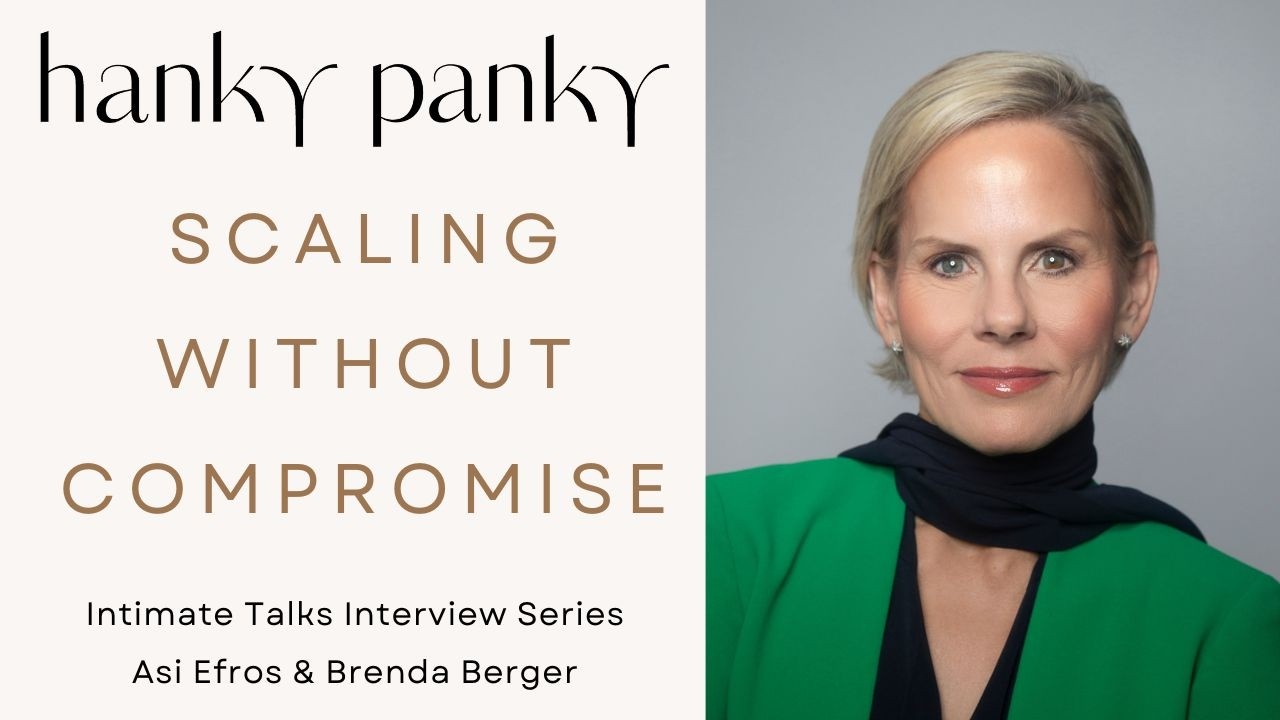
The trajectory of Hanky Panky, a brand synonymous with the "World’s Most Comfortable Thong," offers a masterclass in how a niche product can transform into a global phenomenon through strategic leadership and an unwavering commitment to brand integrity. In a recent retrospective, Brenda Berger, the former CEO of Hanky Panky, provided an in-depth look at the internal mechanics of the company, detailing its rise from a cult secret to a mainstream staple and the subsequent challenges of navigating a global pandemic. Berger’s journey with the brand, spanning two distinct tenures, highlights the delicate balance between maintaining a "Made in the USA" heritage and the pragmatism required to survive in an increasingly volatile global supply chain.
The 2004 Breakthrough: From Cult Secret to Front-Page News
Brenda Berger joined Hanky Panky in 2004, a pivotal year that would redefine the company’s market position. At the time, Berger was transitioning from the high-end luxury sector, having worked with brands such as Ghost, Moschino, and Aida Barni. Her move to the intimates sector was prompted by a growing buzz among multi-brand retailers who reported that Hanky Panky products were selling with unprecedented velocity. This momentum was codified in June 2004, when the Wall Street Journal published a front-page feature on the brand’s signature lace thong.

The article acted as a catalyst, transforming what had been a well-kept secret among fashion insiders into a national obsession. Berger recalls the atmosphere upon her arrival as one of high-octane productivity. The company’s New York City headquarters housed a full suite of sewing machines and a dedicated team of artisans. The sudden surge in demand meant that the office was constantly buzzing with the sound of production and the ringing of telephones from retailers desperate for inventory. This period marked the beginning of Hanky Panky’s transition from a boutique operation to a major player in the global lingerie market.
A Unique Business Model: The Power of Democratic Luxury
Hanky Panky’s success was built on a foundation that differed significantly from the premium luxury brands Berger had previously managed. She describes the brand’s appeal as "democratic"—accessible to a wide demographic of women while maintaining a high standard of quality. Central to this identity was the company’s commitment to manufacturing 100% of its products in the United States. This domestic production model allowed for a level of quality control and agility that few competitors could match.
The signature product, a one-size-fits-all lace thong, solved a perennial problem in the intimates industry: sizing complexity. By creating a product that was both comfortable and aesthetically pleasing, the founders, Gale Epstein and Lida Orzeck, had tapped into a market need that crossed generational and socioeconomic boundaries. Berger’s role as Sales Director during her first tenure (2004–2013) focused on leveraging this product-market fit to expand the brand’s footprint into the right retail channels, ensuring that growth did not come at the expense of brand positioning.
Strategic Scaling and the Importance of Selective Partnerships
As Hanky Panky began its global expansion, the leadership team adopted a philosophy of selective growth. Berger emphasizes that "who we said no to was as important as who we said yes to." This discipline was crucial in protecting the brand’s integrity. Rather than saturating every possible retail outlet, the company sought out distributors and retailers who understood the brand’s unique value proposition.
By maintaining production in New York City, the company could oversee every stitch, ensuring that the product remained consistent as volumes scaled. This proximity between design, production, and management fostered a culture of excellence. The global strategy involved working closely with international partners to tailor brand positioning to local territories while maintaining the core "Made in NYC" narrative that resonated with consumers seeking authenticity and ethical manufacturing.
The Return and the Pivot: Navigating a Period of Decline
After a six-year hiatus, during which she gained experience working with Scandinavian firms, Berger returned to Hanky Panky in 2019. She initially stepped into the role of co-CEO alongside co-founder Lida Orzeck. The company she returned to was facing a period of slight stagnation and decline, necessitating a fresh strategic approach. Her primary objective was to modernize the business, with a heavy focus on Direct-to-Consumer (DTC) channels, digital marketing, and wholesale product expansion.

One of Berger’s first major initiatives was the appointment of a Head of People & Culture. Recognizing that the company’s 140 employees—ranging from factory floor sewers to digital marketing specialists—needed a unified vision, she sought to bridge cultural and operational gaps. This focus on human capital was intended to prepare the company for a new era of growth. However, the strategic roadmap was abruptly rewritten only five months into her tenure by the onset of the COVID-19 pandemic.
Crisis Management: The 2020 Supply Chain Collapse
The arrival of COVID-19 presented an existential threat to Hanky Panky’s domestic manufacturing model. As New York City became the epicenter of the early pandemic, the company was forced to shut down its local production facilities for months. Paradoxically, while production halted, consumer demand for comfortable, high-quality intimates surged as the global population shifted to a work-from-home lifestyle.
Berger describes this period as a time of urgent transformation. The "Made in the USA" pride that had defined the brand for decades became a liability when the domestic supply chain disintegrated. Faced with the prospect of having no product to sell, Berger had to lead the company through a painful but necessary transition to "near-shore" manufacturing alternatives. This move was essential for survival, allowing the brand to maintain its quality standards while ensuring a reliable flow of inventory.

Beyond logistics, the pandemic required a radical shift in leadership focus. Berger had to manage layoffs, prioritize employee safety, and maintain morale during a period of intense uncertainty. The focus shifted from aggressive growth to stabilizing the foundation of the business and ensuring that the brand could weather the storm.
Leadership Philosophy: Trust, Verify, and Maintain Perspective
Reflecting on her tenure as CEO, Berger offers insights into the realities of executive leadership. She defines the role as one of engaging talent, creating energy, and owning the final results. A critical lesson she shares for founders and CEOs is the necessity of "trusting, but verifying." Even the most talented teams require clear Key Performance Indicators (KPIs) and robust reporting systems to remain aligned with the company’s broader goals.
Furthermore, Berger highlights the importance of emotional intelligence and perspective in leadership. She notes that a CEO’s job is to maintain a broader view of the business and not to match the stress levels of the team. "Just because something feels like an emergency to someone on your team doesn’t mean it actually is," she observes. This ability to distinguish between perceived urgency and actual strategic priorities is what allows a leader to guide a company through both periods of rapid growth and sudden crisis.

Industry Implications and the Legacy of Hanky Panky
The story of Hanky Panky, as told through Berger’s experience, reflects broader trends in the global fashion and apparel industry. The shift from purely domestic manufacturing to a more diversified near-shore model is a path many American heritage brands have had to follow to remain competitive in a globalized economy. However, the brand’s ability to maintain its "cult" status and consumer loyalty despite these changes speaks to the strength of its core product and the effectiveness of its brand storytelling.
Today, the intimate apparel market is more crowded than ever, with the rise of digital-native brands and a renewed focus on inclusivity and sustainability. Hanky Panky’s enduring relevance is a testament to the vision of its founders and the strategic stewardship of leaders like Berger. By focusing on a "democratic" luxury model and prioritizing product integrity, the brand carved out a space that has proven resilient against shifting fashion trends.
Conclusion: The Next Chapter for Brenda Berger
As Brenda Berger moves into her current role as a Fractional and Interim CEO, she carries with her the lessons of a career spent at the intersection of luxury, manufacturing, and mass-market retail. Her journey with Hanky Panky serves as a blueprint for how to scale a brand without losing its soul, how to lead through a global catastrophe, and how to evolve a corporate culture to meet the demands of the modern era. For the lingerie industry and the broader business world, the evolution of Hanky Panky remains a significant case study in brand longevity and adaptive leadership.