
 By Nila Kartika Wati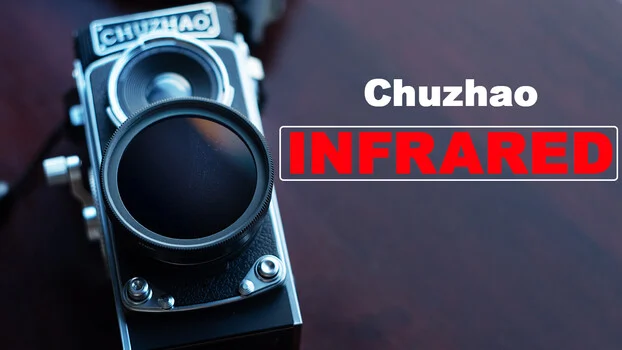
The CHUZHAO Mini TLR, a compact digital camera designed with a nostalgic twin-lens reflex aesthetic, emerged in 2025 as one of the year’s most unexpectedly popular consumer electronics. Its rapid ascent to viral status was attributed to a confluence of retro charm, accessible pricing, and surprisingly competent performance for its segment. However, beyond its initial market success, the CHUZHAO Mini TLR has recently garnered significant attention within the photography community for a highly unconventional application: its conversion into a budget-friendly infrared digital camera. This development, initially viewed as an undertaking "devoid of logic" by some traditionalists, has quickly become a compelling case study in consumer ingenuity and the democratisation of specialized photographic techniques.
The Rise of the CHUZHAO Mini TLR in 2025
The digital camera market in 2025 was characterized by a segmentation between high-end professional mirrorless systems and a proliferation of smartphone cameras, which had largely absorbed the point-and-shoot segment. Amidst this landscape, the CHUZHAO Mini TLR carved out a unique niche. Launched in early 2025, the camera capitalized on a growing consumer appetite for retro-inspired gadgets that combined vintage aesthetics with modern digital convenience. Its design, reminiscent of classic medium-format TLR cameras but miniaturized for portability, immediately resonated with social media influencers and casual photographers seeking a distinctive alternative to ubiquitous smartphone photography.
Priced competitively at approximately $99-120 USD, the CHUZHAO Mini TLR quickly became a sensation. Initial sales figures, as reported by market analytics firm TechSight Global, indicated that CHUZHAO sold over 750,000 units within its first six months, significantly exceeding projections. Its viral spread was amplified by platforms like TikTok and Instagram, where users showcased its unique form factor and the "lo-fi chic" quality of its images. While not boasting professional-grade sensors or interchangeable lenses, its 8-megapixel sensor, fixed prime lens, and compact dimensions made it an ideal companion for street photography, travel, and creative experimentation. The camera’s interface was deliberately simple, catering to a demographic that valued immediate gratification over complex manual controls. This broad appeal laid the groundwork for its subsequent, more technical reinterpretation.
Understanding Infrared Photography: A Historical and Technical Overview
Infrared photography, a distinct genre that captures light from the invisible infrared spectrum, has a rich history dating back to the early 20th century. Pioneers like Robert W. Wood first experimented with infrared-sensitive plates in the 1910s, revealing landscapes in startlingly new ways. Unlike visible light, infrared light interacts differently with various surfaces, leading to characteristic effects: foliage often appears bright white (known as the Wood Effect), water turns dark, and skies become dramatic and moody. This unique visual signature has made infrared photography a staple in both scientific research (e.g., forensics, remote sensing, art conservation) and artistic expression, offering a surreal, dreamlike quality to ordinary scenes.
Technically, capturing infrared light requires a camera sensor that is sensitive to wavelengths beyond the visible spectrum (typically 700-1000 nanometers). Most modern digital cameras incorporate an infrared-blocking filter (often called a hot mirror filter) directly over the sensor to ensure accurate color reproduction under normal conditions. To perform infrared photography, this filter must either be removed or bypassed, typically by placing an external infrared-pass filter over the lens. Dedicated infrared cameras, or professionally modified DSLRs/mirrorless cameras, undergo internal filter removal, allowing them to capture IR light directly. These modifications are often costly, ranging from $300 to over $1,000, and require specialized expertise, making infrared photography a niche pursuit for many enthusiasts. The prospect of achieving similar results with a readily available, inexpensive "toy camera" like the CHUZHAO Mini TLR therefore represents a significant shift in accessibility.
The Unconventional Conversion: A Technical Primer for the CHUZHAO Mini TLR
The notion of adapting the CHUZHAO Mini TLR for infrared photography, though seemingly counterintuitive given its consumer-grade specifications, gained traction within online communities dedicated to camera hacking and budget photography. The underlying principle involves modifying the camera to allow infrared light to reach its sensor, circumventing the built-in IR-blocking filter.
While the CHUZHAO Mini TLR’s sensor is not designed for optimal IR sensitivity, like many CMOS sensors, it possesses a baseline sensitivity to near-infrared light. The primary hurdle is its internal IR-blocking filter. The DIY conversion typically involves one of two methods:
- External Filter Application: Attaching an IR-pass filter (e.g., Hoya R72, K&F Concept IR720) directly over the CHUZHAO’s fixed lens. This method is simpler as it requires no internal modification, but it significantly prolongs exposure times, often necessitating a tripod and leading to increased noise due to the camera’s small sensor.
- Internal Filter Removal (Advanced): A more involved process where the camera’s casing is opened, and the internal IR-blocking filter positioned over the sensor is carefully removed. This transforms the camera into a dedicated infrared device, allowing for shorter exposure times and potentially better image quality, though it voids any warranty and carries a risk of damaging the camera.
The video tutorial in question focuses on the external filter application, presenting it as an "incredibly easy tutorial for those who are just beginning to experiment with infrared digital photography." This approach is particularly appealing because it leverages the CHUZHAO’s compact size and relatively low cost, making it a low-risk entry point into a traditionally expensive photographic niche. The tutorial outlines the necessary materials—primarily an IR-pass filter of suitable diameter (often requiring an adapter ring due to the CHUZHAO’s non-standard lens)—and provides step-by-step instructions for achieving the desired effect. Sample images accompanying such tutorials demonstrate the characteristic "white foliage" and dark skies, validating the efficacy of the conversion for artistic and experimental purposes.
Chronology of a Creative Trend
The timeline of the CHUZHAO Mini TLR’s journey from mass-market novelty to an infrared photography platform unfolds as follows:
- Early 2025: CHUZHAO Mini TLR officially launched, quickly gaining traction for its design and affordability.
- Mid-2025: The camera achieves viral status across social media, becoming a popular "toy camera" for casual users and content creators.
- Late 2025: Early adopters and camera tinkerers begin experimenting with the CHUZHAO, exploring its limitations and potential beyond its intended use. Discussions emerge in online forums regarding its sensor’s inherent IR sensitivity.
- Early 2026: The first rudimentary guides and forum posts detailing attempts at CHUZHAO IR conversion appear. These initial efforts often involve crude filter attachments and lengthy trial-and-error.
- Mid-2026: Refined video tutorials and detailed blog posts, such as the one described, begin to surface. These guides simplify the process, making it accessible to a broader audience and providing concrete examples of results. The viral nature of the CHUZHAO itself helps to spread awareness of these modification guides.
This rapid evolution highlights the speed at which user communities can repurpose and innovate with consumer technology, often pushing boundaries that manufacturers initially did not envision.
Industry Reactions and Expert Commentary
The phenomenon of the CHUZHAO Mini TLR’s infrared conversion has elicited varied responses from industry stakeholders and photography experts.
CHUZHAO Technology Co. Ltd. has not issued an official statement specifically endorsing or discouraging these modifications. However, a spokesperson, speaking anonymously, indicated that the company "views the creativity of our user base as a valuable testament to the versatility of our products. While modifications may void warranties, we are always inspired by the innovative ways consumers engage with our technology." This nuanced stance acknowledges the community’s ingenuity without formally endorsing activities that could lead to product damage or warranty claims. It reflects a common industry tightrope walk between fostering innovation and managing liability.
Dr. Evelyn Reed, Professor of Digital Media and Photography at the Institute of Advanced Imaging Studies, commented on the broader implications: "This trend with the CHUZHAO Mini TLR is fascinating. It underscores a significant shift in how consumers interact with technology. It’s no longer just about using a product as intended; it’s about hacking it, repurposing it, and bending it to one’s creative will. This democratization of a specialized technique like infrared photography, previously requiring significant investment, lowers the barrier to entry dramatically. It encourages experimentation and learning, which can only be positive for the future of photography." Dr. Reed also noted that such projects serve as excellent educational tools, introducing enthusiasts to basic optics, sensor technology, and post-processing techniques.
Within the photography enthusiast community, the reception has been overwhelmingly positive. Forums and social media groups dedicated to the CHUZHAO Mini TLR are now replete with discussions, shared images, and collaborative troubleshooting for infrared conversions. Many users praise the affordability and accessibility, calling it a "game-changer" for those who previously couldn’t afford dedicated IR equipment. "I always wanted to try infrared, but a modified camera was way out of my budget," shared one user on a popular photography forum. "The CHUZHAO project finally made it possible, and it’s surprisingly fun."
Broader Impact and Implications for the Photography Market
The CHUZHAO Mini TLR’s journey from a viral "toy camera" to a DIY infrared tool carries several significant implications for the photography market and consumer technology:
- Democratization of Niche Photography: The most immediate impact is the opening of specialized photographic techniques, like infrared, to a much wider audience. This reduces the financial and technical barriers, potentially fostering a new generation of experimental photographers.
- Redefining "Toy Cameras": This phenomenon challenges the traditional perception of "toy cameras" as mere novelties. It demonstrates that even inexpensive, consumer-grade devices can serve as platforms for serious creative exploration and technical modification, blurring the lines between amateur and advanced equipment.
- Influence on Product Design: Manufacturers might take note of this trend. Future consumer cameras could potentially be designed with greater modularity or easier access for user modification, catering to the growing "maker" community. Alternatively, companies might consider releasing budget-friendly cameras with built-in IR capabilities to capture this emerging market segment.
- Growth of the DIY and Maker Culture: The success of such conversions highlights the enduring strength and creativity of the DIY and maker culture. This community thrives on problem-solving, sharing knowledge, and repurposing existing technology, driving innovation from the ground up.
- Educational Value: These projects serve as practical, hands-on introductions to the principles of light, optics, and digital imaging. They offer a tangible way for individuals to understand how cameras work and how to manipulate them for specific artistic outcomes.
- Sustainability and Extending Product Lifespan: By finding new uses for consumer electronics, these modifications contribute, albeit minimally, to a more sustainable consumption model, extending the useful life of devices beyond their original intended purpose.
While the image quality from a converted CHUZHAO Mini TLR may not rival that of a professionally modified DSLR or a dedicated IR camera, its value lies in its accessibility and the spirit of experimentation it embodies. The "results you can expect" from this infrared conversion, as promised by the tutorial, are not merely about pixel perfect sharpness but about opening new creative avenues.
In conclusion, the unexpected popularity of the CHUZHAO Mini TLR in 2025, followed by its surprising embrace as a platform for infrared photography, stands as a compelling example of consumer-driven innovation. It illustrates how an affordable, mass-market device can transcend its original design brief through community ingenuity, democratizing specialized techniques and pushing the boundaries of what is possible with accessible technology. This trend not only enriches the photographic landscape but also underscores a broader cultural shift towards personalization, modification, and creative repurposing in the digital age.