
 By admin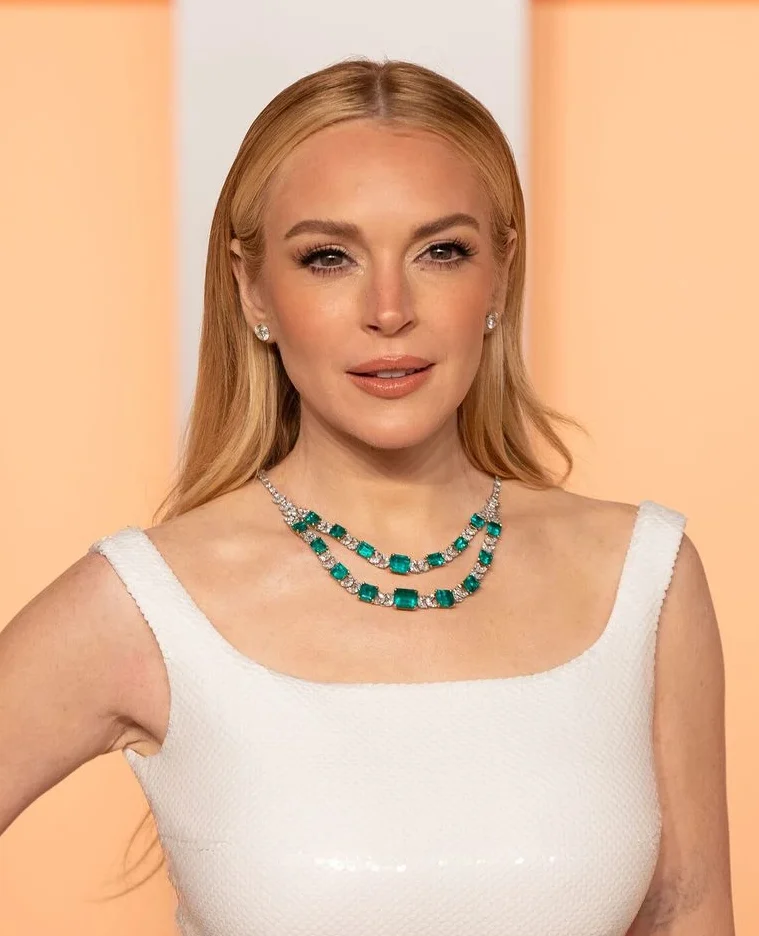
The 98th Academy Awards, held in 2026, marked a definitive shift in the cultural and economic function of the red carpet, transitioning the traditional "glamour walk" into a highly sophisticated, multi-layered system of brand commerce. While the Oscars have long been a platform for high fashion, the 2026 ceremony demonstrated that beauty and skincare have now reached a level of institutionalization that rivals the couture industry. What was once a private ritual of preparation has been transformed into a public-facing content asset, where clinical-grade preparation, digital storytelling, and commercial endorsements operate in total synchronicity.
This evolution is not a sudden phenomenon but the culmination of a trajectory that began in the early 2000s with the rise of celebrity branding and red carpet media. However, the 2026 season has solidified a new paradigm where the "look" is secondary to the "link." As stars like Demi Moore and Michelle Yeoh graced the carpet, the immediate dissemination of their beauty "recipes"—such as the specific use of Charlotte Tilbury’s Airbrush Flawless Setting Spray—highlighted how products are now positioned as markers of both desirability and commercial influence. This commodification turns the hours of preparation into a marketable spectacle that begins long before the first limousine arrives at the Dolby Theatre.
The Institutionalization of the Preparation Ritual
The modern red carpet timeline no longer begins at the step-and-repeat; it begins in the hotel suite, hours or even days prior to the event. The "Get Ready With Me" (GRWM) content format has moved from the fringes of social media influencers into the core strategy of legacy media entities. At the 2026 Oscars, publications such as Vogue and Vanity Fair continued to refine their high-production GRWM video series, transforming technical makeup application into programmed storytelling.
These videos serve a dual purpose. First, they provide fans with a sense of intimate participation and "backstage access," humanizing actors who might otherwise seem untouchable. Second, and more importantly, they function as streamlined vehicles for brand endorsements. When an actor like Hudson Williams participates in a Vanity Fair preparation segment, every serum, foundation, and hair tool used is a deliberate placement. This format allows brands to achieve visibility and "social proof" before the celebrity even hits the pavement. By the time the red carpet broadcast begins, the commercial narrative has already been established, and the products have already been identified by thousands of global consumers.
The Economy of the "Everyone Wins" Gift Bag
A significant component of this beauty-commerce ecosystem is the "Everyone Wins" Nominee Gift Bag. Although these collections are not officially sanctioned by the Academy of Motion Picture Arts and Sciences, they have become an integral part of the Oscars’ economic footprint. In 2026, these marketing-driven bags reached an estimated value of USD 350,000, bridging the gap between traditional red carpet beauty and the burgeoning sector of "extreme wellness."
The 2026 gift bags moved beyond simple cosmetics, featuring high-value clinical treatments and luxury experiences. Included in the haul were USD 25,000 facial rejuvenation packages, luxury cannabis products, and all-inclusive retreats to destinations like Sri Lanka. This shift indicates that the red carpet is now a launchpad for lifestyle products that promise more than just aesthetic enhancement; they promise a fundamental biological upgrade. For the brands involved, the association with Oscar nominees provides a level of prestige that traditional advertising cannot buy, positioning their clinical-grade products as the "secret" behind the flawless complexions seen by millions.
Red Carpet Beauty as a Strategic Career Pivot
For the modern actor, the face functions as a professional business card, and the 2026 Oscars provided a masterclass in using beauty as a tool for identity signaling. This is particularly vital for performers seeking to distance themselves from specific on-screen personas or to signal their readiness for new types of roles.
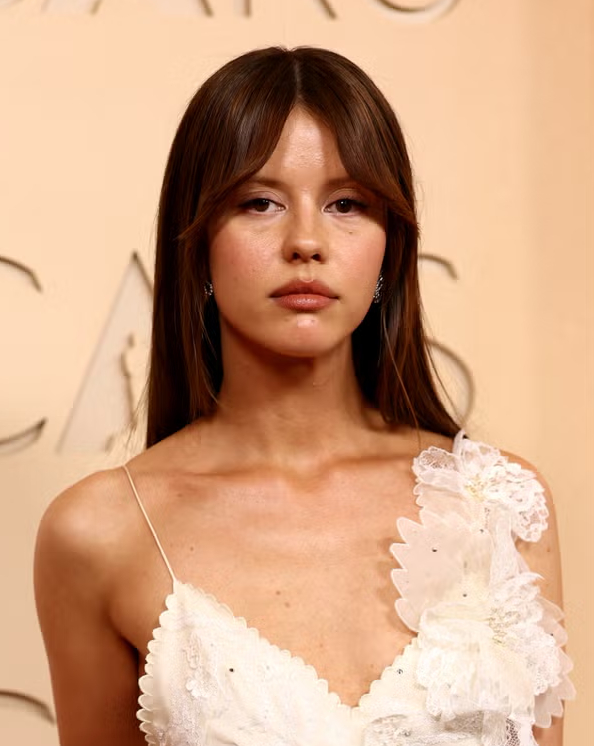
Mia Goth, an actress widely recognized for her intense and often unsettling roles in horror and arthouse cinema, utilized the 98th Oscars to market her versatility. By opting for a pulled-back, polished aesthetic featuring a neutral palette of Dior Forever Skin Glow and "Confident Nude" lips, Goth effectively signaled a departure from her genre-defined characters. The look was a "live audition" for leading roles in more traditional dramas or high-fashion campaigns.
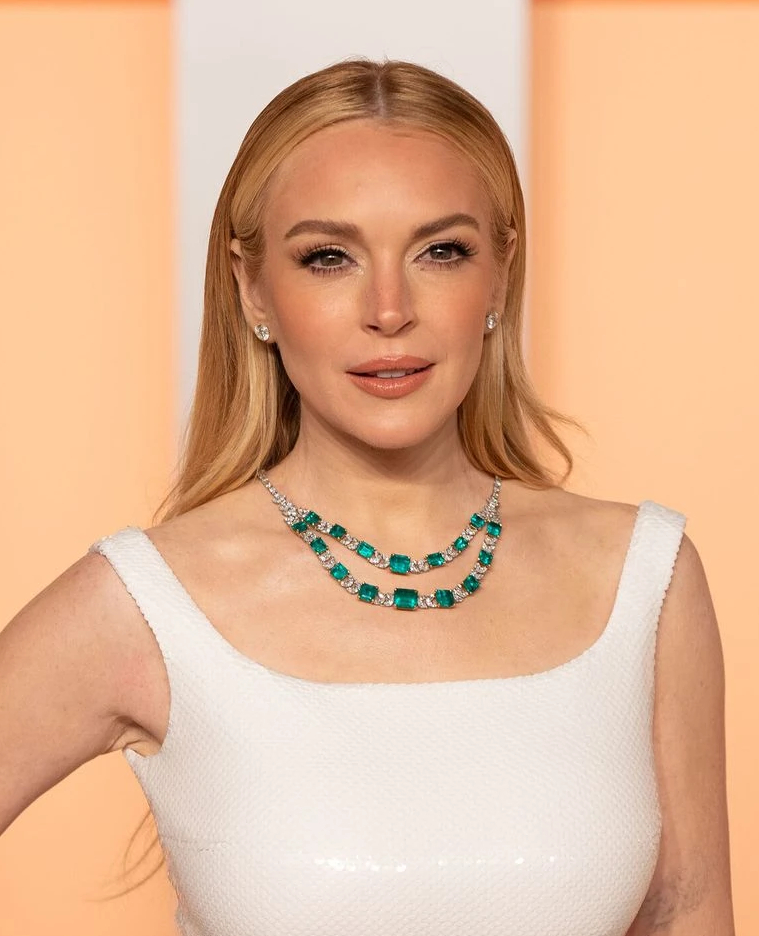
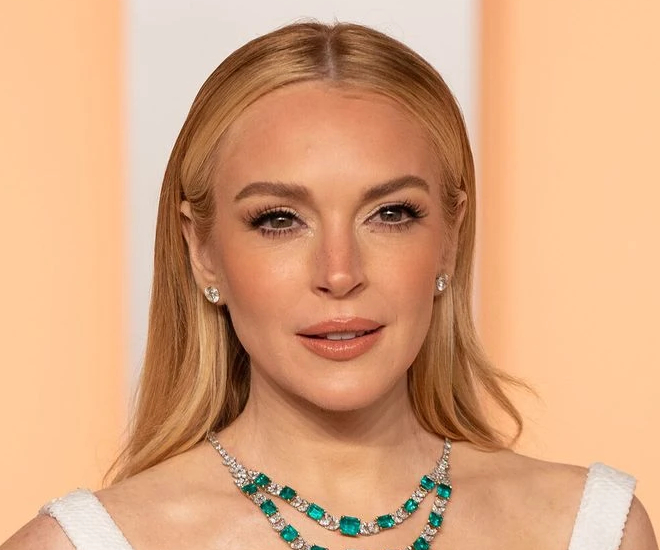
Similarly, Lindsay Lohan’s presence at the 2026 awards served as a cornerstone of her ongoing professional rebrand. Moving away from her 2000s-era tabloid persona, Lohan’s team utilized the aspirational accessibility of Charlotte Tilbury products. By favoring the "Hollywood Flawless Filter," Lohan projected a look that was both sophisticated and approachable, signaling her transition into a new era of acting and fashion ventures. For both actresses, the use of "effortless" or "blank-canvas" makeup was a strategic choice to ensure the focus remained on their evolving public personas rather than their past filmographies.
The Generational Divide: Blank Canvases vs. Legacy Veterans
The 2026 beauty system also highlighted a clear generational divide in how red carpet aesthetics are deployed. Younger actresses and rising stars often present themselves as "blank canvases." By maintaining a neutral, highly adaptable look, they remain "castable" in the eyes of directors and brand scouts. This was evident in the appearances of stars like Mikey Madison and Gracie Abrams. Madison’s use of Dior’s Rosewood tones and Abrams’ alignment with Chanel served as subtle indicators of their commercial appeal and fashion-world viability.
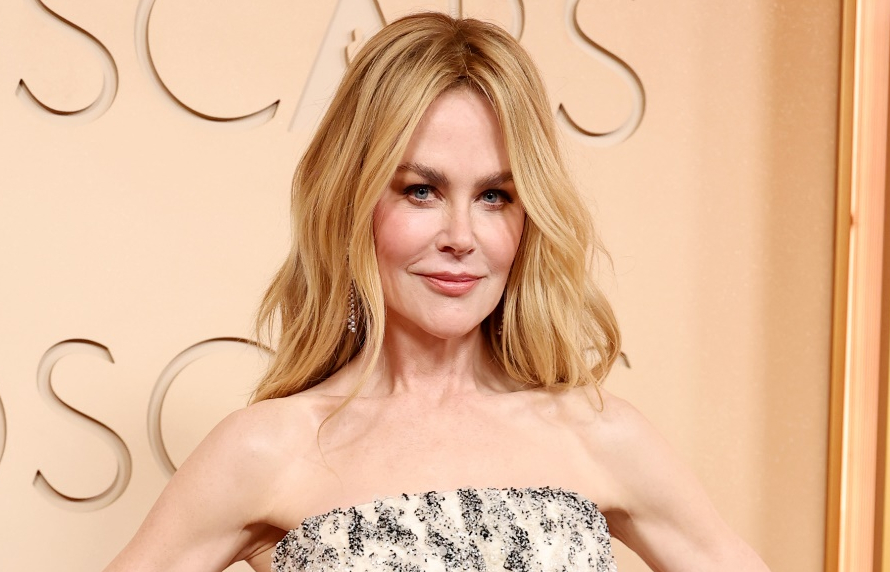
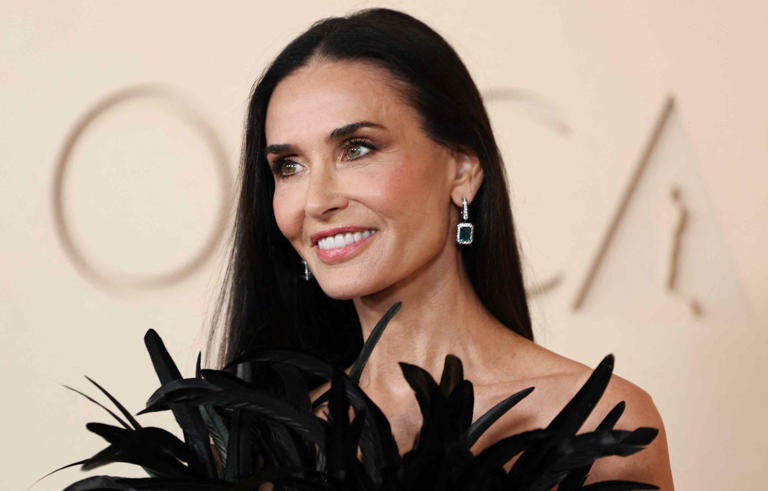
In contrast, veteran actresses such as Nicole Kidman and Demi Moore operated from a position of established authority. For these icons, the red carpet is not an audition but a reinforcement of a legacy. Kidman’s focus on extra-fine skincare and relaxed elegance emphasizes a brand that is already "settled" in the cultural zeitgeist. Moore’s pair of luminous skin with signature statement pieces projected a mastery of the red carpet that younger stars are still striving to achieve. For the veterans, beauty choices signal continuity and power, setting the standards that others follow.
Aspirational Accessibility and Market Saturation
Beneath the veneer of artistry, the 2026 Oscars functioned as a live-action campaign rollout for a handful of beauty powerhouses. A convergence toward a unified aesthetic—soft-focus skin, flushed tones, and blurred lips—was not a coincidence but the result of saturation strategies by brands like Dior Beauty, Chanel, and Charlotte Tilbury.
In this environment, makeup artists (MUAs) have evolved into brand ambassadors. By repeating "hero products"—such as Charlotte Tilbury’s "Pillow Talk Blush Balm Lip Tints"—across multiple high-profile clients like Kate Hudson and Demi Moore, brands create a sense of market inevitability. The aesthetic is presented as a high-stakes red carpet look, but the execution is standardized at the product level to ensure that the average consumer can replicate the results with a single purchase. This "aspirational accessibility" is the engine that drives the multi-billion dollar beauty industry.
The Rise of Strategic Authenticity: The "No-Makeup" Look
Perhaps the most sophisticated development at the 2026 Oscars was the strategic use of the "no-makeup" look. Exemplified by K-pop star and actress May Hong’s stripped-back preparation for Interview Magazine, this aesthetic is not a rejection of glamour but a pivot toward a different kind of commerce: the commerce of authenticity.
By trading high-glam artifice for "bare-faced" skin, celebrities create a sense of intimacy and trustworthiness that resonates with digital audiences. However, this "effortless" look is often the most expensive to achieve. It allows luxury brands to market USD 100 serums and USD 200 moisturizers as essential tools for wellness rather than mere decorative cosmetics. In this context, the face is no longer just a canvas for art; it is a controlled environment for demonstrating the efficacy of high-end skincare, turning "authenticity" into a premium commodity.
Conclusion: The Red Carpet as a Distribution Channel
As the 98th Academy Awards concluded, the data suggested that the red carpet has successfully evolved into a sophisticated distribution channel for the global beauty and wellness industries. By the time a celebrity reaches the final "step-and-repeat" area, the primary commercial work has already been completed. Through GRWM videos, gift bag placements, and strategic identity signaling, the "beauty system" ensures that every frame of film and every digital photograph serves a commercial purpose.
The 2026 Oscars demonstrated that in the modern era, the face of a celebrity is one of the most valuable pieces of real estate in the world. It is no longer a place for mere artistic expression; it is a high-functioning site of market dominance, professional rebranding, and global consumer influence. As the line between entertainment and commerce continues to blur, the red carpet remains the ultimate stage for the institutionalization of beauty.