
 By Nana Wu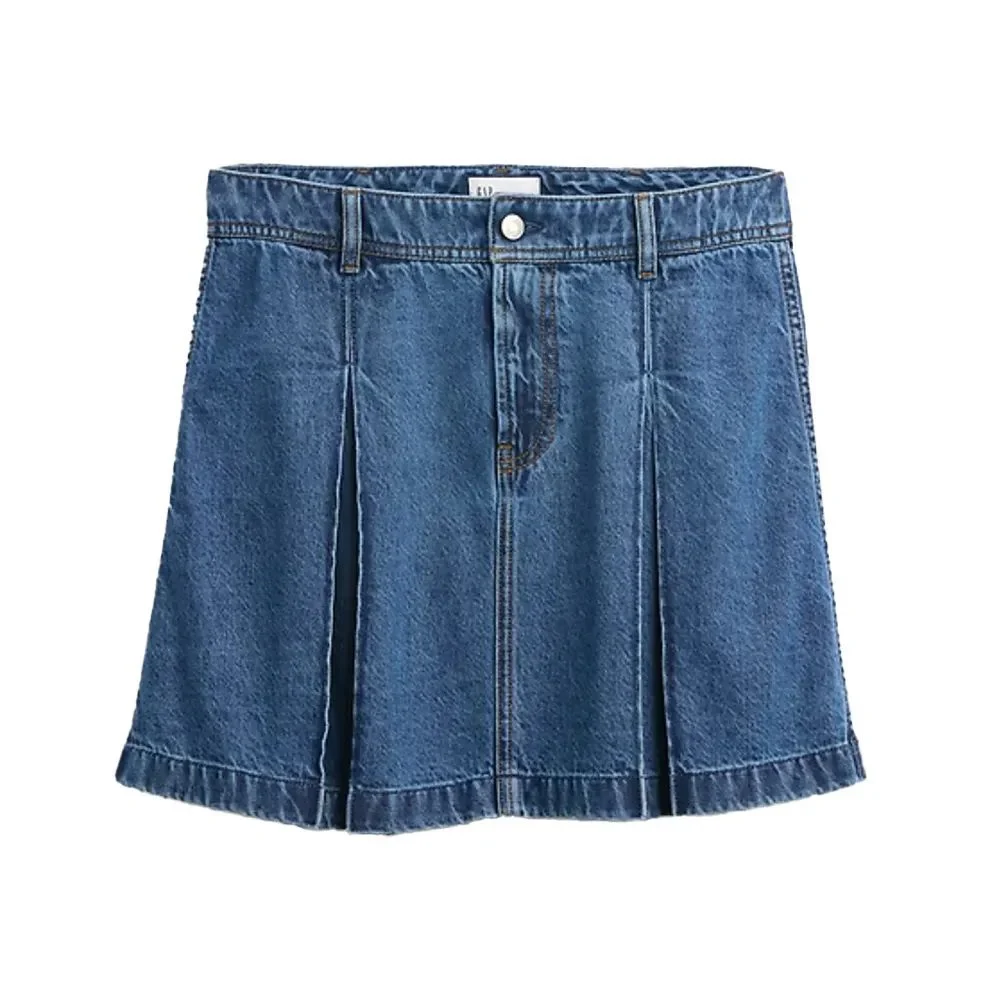
The fashion industry is preparing for one of the most anticipated retail events of the autumn season as New York-based designer Sandy Liang officially announces a comprehensive partnership with Gap. Scheduled for release on October 10, the collaboration, titled “Sandy’s Dream Closet,” consists of a 20-piece apparel collection that merges Liang’s signature whimsical, “cool-girl” aesthetic with the utilitarian heritage and mass-market reach of the iconic American retailer. This partnership represents a significant moment for both the independent designer and the retail giant, as they look to capture the intersection of high-fashion nostalgia and contemporary streetwear.
The collection serves as a retrospective of Liang’s own relationship with the brand, reimagining the garments that defined her childhood through a modern, sophisticated lens. Key highlights of the capsule include a structured trench coat featuring an oversized bow on the back—a hallmark of Liang’s design language—as well as her celebrated sherpa fleeces, Peter Pan collars, and meticulously pleated skirts. In a move that reflects the designer’s current life stage following the birth of her son, several items within the collection will be offered in children’s sizing, marking a rare expansion into the youth market for the Sandy Liang brand.
The Evolution of the High-Low Collaboration Strategy
The partnership between Sandy Liang and Gap arrives at a critical juncture for the American retail sector. For decades, Gap has utilized collaborations to maintain cultural relevance, ranging from its historical work with high-end designers to its more recent, highly publicized ventures. However, the choice of Sandy Liang signals a shift toward a more curated, aesthetic-driven approach. Liang, who founded her eponymous label in 2014, has cultivated a devoted following by blending downtown New York grit with hyper-feminine details, a style often categorized under the "coquette" or "balletcore" trends that have dominated social media platforms like TikTok and Instagram.
Market analysts suggest that this collaboration is a strategic move by Gap’s leadership, including President and CEO Richard Dickson, to recapture the brand’s status as a "pop culture brand." By aligning with a designer who possesses a distinct, cult-like following among Gen Z and Millennial consumers, Gap aims to bridge the gap between its legacy as a provider of basics and its aspirations to be a trendsetter. The "Sandy’s Dream Closet" collection follows a lineage of successful high-low partnerships in the industry, such as those seen at H&M and Target, which allow luxury-adjacent designs to be accessible at a fraction of their typical price points.
Aesthetic Continuity and Design Philosophy
Sandy Liang’s design philosophy has long been characterized by a balance of opposites: the delicate and the durable, the nostalgic and the futuristic. Her work often draws inspiration from her upbringing in New York’s Lower East Side and Chinatown, incorporating elements like floral patterns, lace, and bows alongside heavy-duty outerwear and functional cargo pants. This "utilitarian-whimsical" hybrid is the driving force behind the Gap collection.
The 20-piece range is anchored by items that have become synonymous with the Liang brand over the last decade. The sherpa fleece, which originally catapulted Liang to fame in the mid-2010s, is reimagined for Gap with updated silhouettes. The inclusion of Peter Pan collars on shirts and dresses speaks to a broader trend in feminine dressing that favors "girlhood" aesthetics—a theme Liang has explored extensively in her recent runway shows.
Furthermore, the "Sandy’s Dream Closet" collection addresses the current market demand for "normcore" essentials with a twist. By taking Gap’s timeless staples—denim, khakis, and hoodies—and injecting them with Liang’s specific design DNA, the collaboration offers consumers a way to participate in the designer’s world without the luxury price tag of her main line, where jackets often retail for over $600.
A Visionary Campaign: Sandy’s Dream Closet
To accompany the physical release, Gap and Liang have launched a multi-media campaign that emphasizes the narrative of childhood aspiration. The campaign features an animated short created by visual artist Annie Choi. This creative choice deviates from traditional high-fashion photography, opting instead for a storytelling medium that resonates with the collection’s theme of memory and imagination.
The animation captures a fictionalized version of Liang’s childhood, depicting her early dreams of a career in the fashion industry. The narrative arc culminates in the Gap partnership, framing the collection as the fulfillment of a lifelong ambition. This emotional branding strategy is designed to foster a deeper connection with consumers who grew up during the 1990s and early 2000s—an era when Gap’s television commercials and storefronts were ubiquitous symbols of American style.
In a press release, Liang expressed the personal significance of the project: “Growing up, Gap was the pinnacle of fashion. It’s incredible that I get to co-create with such an iconic brand that I treasured so much as a child, yet is still so relevant today. ‘Sandy’s Dream Closet’ illustrates how wearing Gap made me feel growing up, as I imagined being an adult one day and who I could be. I wanted to take the pieces that meant something to me as a kid and reimagine them through my lens today, celebrating girlhood in all its forms.”
Strategic Implications for Gap Inc.
For Gap Inc. (NYSE: GPS), the Sandy Liang collection is part of a broader revitalization strategy. After several years of fluctuating sales and leadership changes, the company has been aggressive in its efforts to streamline operations and re-energize its brand identity. Under the direction of Richard Dickson, who joined the company after a successful tenure at Mattel where he oversaw the resurgence of the Barbie brand, Gap is leaning heavily into its "heritage" while seeking out contemporary collaborators who can provide fresh perspectives.
The timing of the October 10 launch is also significant, as it places the collection at the start of the crucial fourth-quarter shopping season. Historically, limited-edition designer collaborations have served as powerful drivers of foot traffic to physical stores and increased engagement on e-commerce platforms. Given the high demand for Sandy Liang’s previous collaborations—including her highly successful footwear releases with Salomon and accessories with Baggu—industry insiders expect the Gap collection to sell out rapidly, potentially appearing on secondary resale markets shortly after the launch.
Chronology of Sandy Liang’s Rise to Prominence
To understand the weight of this collaboration, one must look at the trajectory of Sandy Liang’s career. A graduate of Parsons School of Design, Liang launched her brand with a focus on outerwear, specifically her now-famous fleeces. Her ability to tap into the "New York downtown" vibe quickly caught the attention of major retailers like Nordstrom and Saks Fifth Avenue.
- 2014: Launch of the Sandy Liang brand.
- 2017-2019: The brand expands into footwear and accessories, gaining a foothold in the global luxury market.
- 2020: Opening of the first Sandy Liang flagship store in the Lower East Side.
- 2023: Highly successful collaborations with Salomon and Baggu solidify her brand as a leader in the "lifestyle" fashion space.
- 2024: The announcement of the Gap partnership, marking her largest mass-market endeavor to date.
Liang’s influence extends beyond clothing; she has become a central figure in a movement that celebrates "Asian-American girlhood," often drawing on her heritage and the style of her grandmothers in New York’s Chinatown. This cultural specificity has given her brand an authentic voice that resonates deeply with a diverse global audience.
Analyzing the "Girlhood" Trend in Modern Retail
The "Sandy’s Dream Closet" collection arrives as the concept of "girlhood" has become a potent marketing tool and cultural touchstone. Designers like Liang, Simone Rocha, and Cecilie Bahnsen have led a movement that reclaims traditionally feminine symbols—bows, lace, and ruffles—as symbols of strength and self-expression rather than mere decoration.
By bringing this aesthetic to Gap, Liang is effectively democratizing a look that was previously restricted to the high-fashion circuit. This move is expected to have a ripple effect across the retail industry, encouraging other mass-market brands to explore more niche, designer-led aesthetics. The inclusion of children’s sizing further reinforces this theme, creating a multi-generational appeal that allows parents to share their fashion sensibilities with their children.
Market Reception and Future Outlook
Early reactions from the fashion community have been overwhelmingly positive. Social media metrics indicate a high level of anticipation, with "Sandy Liang x Gap" becoming a trending topic within minutes of the initial announcement. The collection’s focus on wearable, functional pieces like the bow-back trench and pleated skirts suggests a commercial viability that complements its editorial appeal.
As the October 10 release date approaches, Gap is expected to roll out additional marketing materials, including pop-up events and influencer partnerships. The success of this collaboration will likely serve as a blueprint for future Gap partnerships, as the brand continues to navigate a competitive retail landscape by leveraging the creative capital of independent designers.
In conclusion, "Sandy’s Dream Closet" is more than just a seasonal clothing line; it is a synthesis of personal history and corporate strategy. For Sandy Liang, it is a homecoming to a brand that sparked her initial interest in fashion. For Gap, it is a vital step in its journey to reclaim its position at the center of the cultural conversation. When the collection hits shelves and the digital storefront on October 10, it will represent a milestone in the ongoing dialogue between luxury design and everyday accessibility.