
 By Nana Wu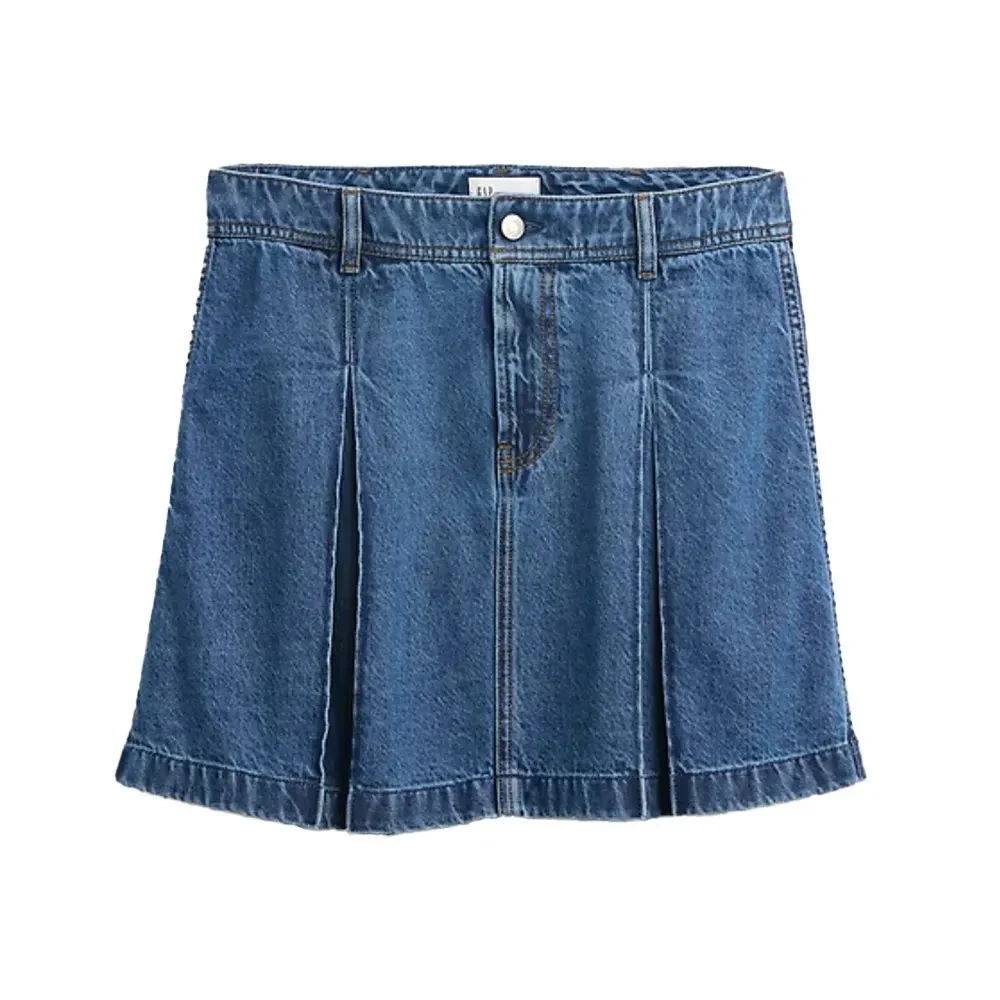
The global fashion landscape is set to witness a significant convergence of downtown New York City cool and American heritage retail as designer Sandy Liang announces a comprehensive partnership with Gap. This collaboration, titled "Sandy’s Dream Closet," represents a 20-piece apparel collection that merges Liang’s signature whimsical, hyper-feminine aesthetic with the utilitarian, democratic foundations of the Gap brand. Scheduled for a global release on October 10, the collection serves as both a nostalgic tribute to the designer’s upbringing and a strategic move for Gap as it continues to revitalize its brand identity through high-profile creative partnerships.
The partnership arrives at a pivotal moment for both entities. For Sandy Liang, the collaboration offers a platform to scale her "coquette" and "balletcore" sensibilities to a mass-market audience. For Gap, the project follows a string of successful creative endeavors aimed at reclaiming its status as a cultural touchstone. The collection is characterized by a balance of structured outerwear and playful detailing, most notably exemplified by a centerpiece trench coat featuring an oversized bow on the reverse—a motif that has become synonymous with Liang’s eponymous label.
Design Philosophy and Aesthetic Integration
At the heart of "Sandy’s Dream Closet" is the concept of reimagined nostalgia. Liang, who founded her brand in 2014, has long been celebrated for her ability to elevate "grandma" staples and childhood silhouettes into high-fashion essentials. This collaboration distills those elements into a cohesive 20-piece range that includes sherpa fleeces, Peter Pan collars, and pleated skirts.
The collection’s design language is rooted in what Liang describes as a "dream closet" from her childhood perspective. Growing up in New York, the designer viewed Gap as a premier destination for fashion, an sentiment shared by many who came of age during the brand’s retail dominance in the 1990s and early 2000s. By integrating her specific design DNA—such as delicate lace, heavy-duty utility fabrics, and idiosyncratic proportions—into Gap’s classic silhouettes, the collection offers a hybrid look that appeals to both the dedicated "Sandy Liang girl" and the traditional Gap consumer.
A notable inclusion in the collection is the expansion into children’s sizing. Inspired by the recent birth of her son, Liang has ensured that the "Dream Closet" is accessible to a younger generation, further emphasizing the themes of girlhood, growth, and the passage of time. This move also aligns with Gap’s historical strength in the children’s and infants’ apparel markets, providing a seamless integration of the designer’s personal life with the brand’s commercial infrastructure.
A Narrative of Nostalgia: The Official Campaign
To support the launch, the collaboration is accompanied by a unique marketing initiative: an animated short film created by visual artist Annie Choi. The campaign, also titled "Sandy’s Dream Closet," serves as a visual autobiography. It tracks Liang’s journey from a young girl dreaming of a career in the fashion industry to a professional designer collaborating with the very brand that defined her early understanding of style.
The choice of animation over traditional live-action photography underscores the whimsical nature of the collection. It reflects the "dream-like" quality of the partnership, positioning the collaboration not merely as a commercial transaction but as the fulfillment of a lifelong ambition. In an official press release, Liang articulated the emotional weight of the project, stating that Gap was the "pinnacle of fashion" during her formative years. She noted that the collection illustrates how wearing the brand made her feel as a child, imagining the adult she might one day become.
The Strategic Context of High-Low Collaborations
The Sandy Liang x Gap partnership is the latest entry in a long-standing industry trend of "high-low" collaborations, where luxury or independent designers partner with mass-market retailers. This strategy, pioneered by brands like Target and H&M in the early 2000s, has evolved into a sophisticated tool for brand positioning.
For Gap, these collaborations are essential to its modern turnaround strategy. Under the creative direction of Zac Posen and the executive leadership of Richard Dickson, Gap Inc. has sought to re-engage with the cultural zeitgeist. By partnering with designers who possess a cult-like following—such as Liang, DÔEN, or Palace—Gap effectively borrows the "cool factor" of these independent labels while providing them with the manufacturing scale and distribution networks of a global retail giant.
Market data suggests that these limited-edition drops are highly effective at driving foot traffic and digital engagement. For instance, Gap’s previous collaborations have frequently sold out within hours of launch, creating a "halo effect" that benefits the brand’s core product lines. By targeting the "Sandy Liang" demographic—largely comprised of Gen Z and Millennial consumers who prioritize individuality and "core" aesthetics—Gap is successfully diversifying its customer base.
Product Breakdown and Key Highlights
The 20-piece collection is meticulously curated to ensure that each item feels like a collector’s piece while maintaining everyday wearability.
- The Bow-Back Trench Coat: This item is widely considered the "hero" piece of the collection. It takes the quintessential Gap khaki trench and adds a dramatic, oversized bow to the back, instantly transforming a utilitarian staple into a statement of feminine fashion.
- Sherpa Fleece: A signature of the Sandy Liang brand, the fleece jackets in this collection utilize Gap’s historical expertise in cozy, durable fabrics. These pieces often feature contrasting zippers and floral or leopard print accents, bridging the gap between outdoor gear and street style.
- The Peter Pan Collar: Appearing on both shirts and dresses, the oversized, rounded collars provide the "schoolgirl" aesthetic that Liang’s fans adore.
- Pleated Denim and Skirts: Utilizing Gap’s denim heritage, the collection introduces pleated skirts and utility pants that offer a modern silhouette while nodding to the 90s era of the brand.
- Accessories: The collection includes branded caps and clear tote bags, providing entry-level price points for consumers who wish to participate in the collaboration without committing to larger apparel items.
Analysis of the "Girlhood" Aesthetic in Modern Retail
The success of Sandy Liang is inextricably linked to the rise of "girlhood" as a dominant cultural and fashion theme. This aesthetic, characterized by bows, ribbons, lace, and a playful embrace of traditional femininity, has seen a massive resurgence on social media platforms like TikTok and Instagram.
Liang is often credited as a primary architect of this movement in the contemporary fashion space. By partnering with Gap, this aesthetic is being democratized. No longer confined to the luxury price points of Liang’s main line—where dresses can retail for upwards of $600—the Gap collection allows a broader audience to access the "Sandy Liang look." This democratization is a key component of the collection’s appeal, as it celebrates "girlhood in all its forms" through a lens that is accessible to the general public.
Timeline and Release Information
The Sandy Liang x Gap collection is set to debut on October 10. It will be available through Gap’s official e-commerce platform and in select flagship stores globally. Given the historical performance of Liang’s previous collaborations—such as her highly coveted footwear drops with Salomon—industry analysts expect high demand and rapid sell-through rates.
The rollout follows a specific chronology of teaser content and community engagement. Following the initial announcement, the brand has utilized social media to showcase the animated campaign and provide "behind-the-scenes" looks at the design process. This slow-burn marketing approach is designed to build anticipation among "insider" fashion communities before the collection reaches the broader mass market.
Broader Implications for the Fashion Industry
The Sandy Liang x Gap collaboration serves as a case study for the future of retail. It demonstrates that for a heritage brand to remain relevant, it must be willing to view its own archives through the eyes of external creatives. By allowing Liang to "reimagine" Gap’s iconic styles through her specific lens, the brand is able to honor its past while simultaneously looking toward the future.
Furthermore, the inclusion of children’s sizing and the emphasis on the designer’s personal narrative suggest a shift toward more "human-centric" marketing in the corporate retail space. Consumers are increasingly looking for authenticity and emotional resonance in their purchases. The "Sandy’s Dream Closet" narrative provides exactly that—a story of a young girl’s dream coming full circle, packaged in a 20-piece collection that is as functional as it is sentimental.
As the October 10 launch date approaches, the fashion industry will be watching closely to see how this partnership performs. If successful, it will likely pave the way for more "niche-to-mass" collaborations, further blurring the lines between independent design and global retail. For now, fans of both brands are preparing for a release that promises to be one of the most significant fashion moments of the autumn season.