
 By Layla Zulfa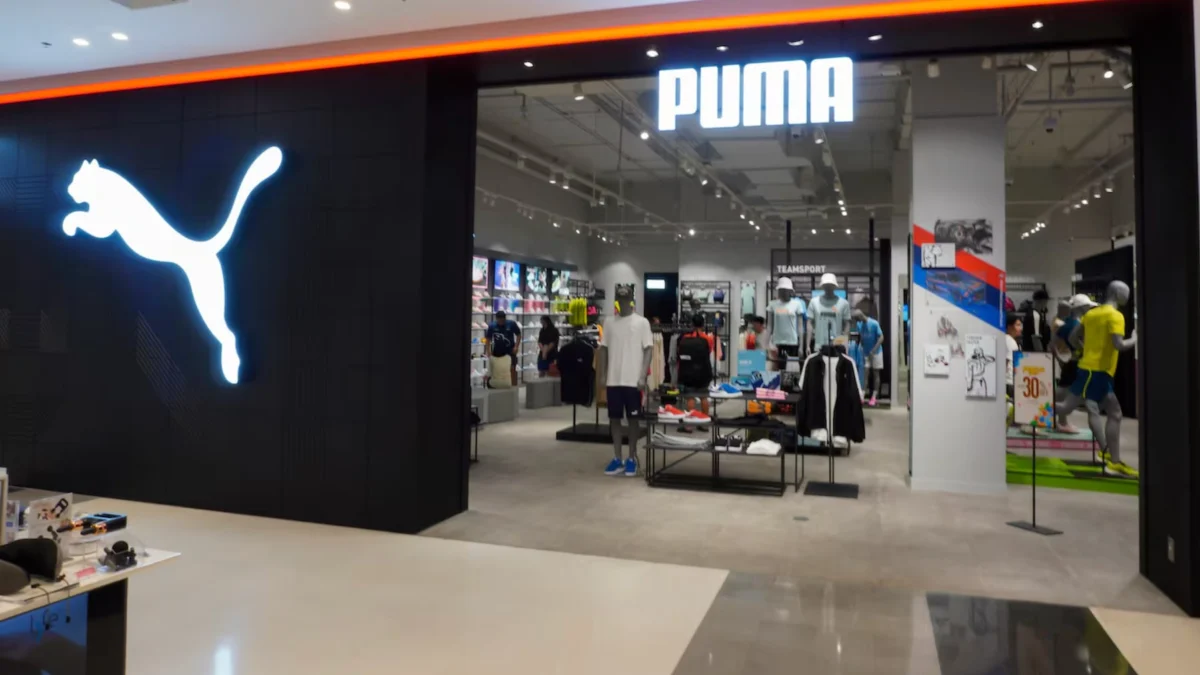
Puma SE, the German multinational corporation that designs and manufactures athletic and casual footwear, apparel, and accessories, has issued a strategic warning, designating 2026 as a critical transition year. This declaration underscores a comprehensive, multi-faceted initiative aimed at addressing persistent challenges, including significant excess inventories, the need for a revamped marketing strategy, and the imperative to accelerate new product development. The ultimate objective is to meticulously reposition the brand for a robust turnaround and sustained profitability in the highly competitive global sportswear market. This proactive announcement signals a commitment to undertaking short-term operational adjustments, even if they impact immediate financial performance, in pursuit of long-term strategic health and market leadership.
The Genesis of the Transition: Market Dynamics and Internal Pressures
Puma’s decision to earmark 2026 as a transition year stems from a confluence of factors, both macro-economic and specific to the company’s operational landscape. The global sportswear industry has experienced significant volatility in recent years. Following an unprecedented surge in demand for athleisure and home fitness wear during the initial phases of the COVID-19 pandemic, many brands, including Puma, ramped up production to meet projected continued growth. However, a rapid shift in consumer spending habits post-pandemic, coupled with inflationary pressures impacting discretionary income, led to a deceleration in demand, leaving retailers and brands with a glut of unsold inventory.
For Puma, this industry-wide challenge was exacerbated by specific internal strategic decisions, particularly concerning its distribution network in North America. In recent reporting periods, Puma’s revenue performance has been notably impacted by conscious efforts to streamline its distribution channels in this crucial market. While intended to optimize long-term profitability and brand perception, this streamlining involved reducing reliance on certain wholesale partners and pivoting towards a more controlled, direct-to-consumer (DTC) model. This strategic shift, while vital for margin improvement and direct customer engagement, inevitably leads to a temporary dip in reported sales as the company recalibrates its go-to-market approach. Industry analysts have observed that such distribution overhauls, while painful in the short term, are often necessary for brands seeking to enhance brand equity and achieve higher profitability by controlling the customer journey and avoiding excessive discounting through third-party channels. The immediate effect, however, is a reduction in order volumes from a subset of wholesale accounts, directly contributing to falling revenue figures in the preceding fiscal year.
A Chronology of Challenges and Strategic Shifts
Puma’s journey to this pivotal 2026 declaration can be traced through several key periods:
- 2020-2021: Pandemic Boom and Supply Chain Expansion: Like many in the athletic wear sector, Puma capitalized on the pandemic-driven surge in activewear and casual apparel. The company reported strong sales growth, particularly in e-commerce, and invested in expanding its production capabilities and supply chain to meet perceived sustained demand. This period also saw significant investment in marketing and athlete endorsements to maintain brand visibility.
- 2022-2023: Emerging Headwinds and Inventory Build-Up: As global economies reopened and consumer spending patterns diversified, the athleisure boom began to cool. Simultaneously, persistent supply chain disruptions, fluctuating freight costs, and geopolitical uncertainties created a complex operating environment. Brands that had over-ordered during the peak found themselves with mounting inventories. Puma, while still demonstrating resilience in certain markets, began to feel the pinch of increased promotional activity required to move stock. Reports from major retailers indicated an industry-wide inventory overhang, forcing brands to offer deeper discounts, which eroded profit margins.
- Late 2023 – Early 2024: North American Distribution Realignment: Recognizing the need for a more sustainable and profitable growth trajectory, Puma initiated its strategic realignment of distribution in North America. This involved a more selective approach to wholesale partners and an intensified focus on its direct-to-consumer channels, including its own retail stores and e-commerce platform. While strategically sound for the long term, this transition phase immediately impacted wholesale revenues, contributing to the "falling revenue this year" mentioned in the initial assessment. The company began to signal to investors that these necessary adjustments would have short-term financial implications.
- Mid-2024 – Present: Planning for 2026: As the implications of the inventory situation and distribution overhaul became clearer, Puma’s leadership began formulating a comprehensive plan to stabilize the business and set the stage for future growth. The designation of 2026 as a "transition year" is the formal communication of this strategy, indicating a period of intense internal focus on execution and a tempering of short-term financial expectations. This proactive communication aims to manage investor expectations and provide transparency regarding the strategic direction.
The Pillars of Puma’s 2026 Strategy
Puma’s blueprint for 2026 rests on three interdependent strategic pillars: inventory liquidation, marketing revamp, and new product development. Each pillar is designed to address specific challenges and contribute to the broader goal of a sustainable turnaround.
-
Aggressive Inventory Liquidation:
The sheer volume of excess inventory is a significant drain on capital and operational efficiency. Holding unsold goods incurs warehousing costs, ties up working capital, and risks product obsolescence. More importantly, it forces brands into perpetual promotional cycles, which can dilute brand perception and erode pricing power. Puma’s strategy for 2026 will involve:- Targeted Sales and Promotions: Implementing carefully managed sales events across various channels (e.g., clearance sections in retail, online flash sales, factory outlets) to move older stock without excessively damaging the brand’s premium image.
- Wholesale Partner Collaboration: Working closely with key wholesale partners to facilitate the sell-through of existing inventory, potentially through shared marketing initiatives or limited-time promotional offers.
- Reduced Forward Orders: Adjusting future production schedules and order volumes to prevent a recurrence of the inventory glut, aligning supply more closely with anticipated demand.
- Streamlined Product Lifecycle Management: Implementing more agile and responsive product lifecycle management processes to minimize overproduction and react more quickly to market shifts.
The challenge lies in balancing the need to clear stock rapidly with the imperative to protect brand value and maintain healthy profit margins. This is often a delicate act, requiring sophisticated data analytics and market segmentation.
-
Comprehensive Marketing Revamp:
In a highly saturated market, effective marketing is crucial for differentiating a brand and connecting with consumers. Puma’s marketing revamp is expected to be multi-faceted:- Re-evaluating Brand Messaging: Shifting from broad, generalized campaigns to more targeted and impactful storytelling that highlights Puma’s heritage in sports performance, its commitment to innovation, and its unique cultural relevance. This may involve emphasizing specific product categories or collaborations that resonate strongly with target demographics.
- Digital-First Approach: Further accelerating investment in digital marketing channels, including social media, influencer partnerships, and personalized online advertising. Leveraging data analytics to understand consumer behavior and deliver highly relevant content.
- Strategic Athlete and Cultural Endorsements: While Puma has a long history of high-profile endorsements, the revamp may involve a reassessment of its roster, focusing on athletes and cultural icons who embody the brand’s updated values and can drive authentic engagement.
- Experiential Retail and Brand Activations: Investing in unique in-store experiences and immersive brand activations that connect with consumers on an emotional level, moving beyond mere product display to create memorable brand touchpoints.
- Sustainability Storytelling: Highlighting Puma’s efforts in sustainable product development and ethical sourcing, appealing to an increasingly environmentally conscious consumer base.
The goal is to enhance brand desirability, increase market share, and reduce reliance on promotional pricing by strengthening brand equity through compelling narratives and authentic connections.
-
Accelerated New Product Development:
Innovation is the lifeblood of the sportswear industry. Puma’s commitment to new product development is essential for remaining competitive and driving future growth:- Performance Innovation: Continued investment in research and development to create cutting-edge athletic footwear and apparel that offers superior performance, comfort, and durability. This includes advancements in material science, biomechanics, and manufacturing processes.
- Lifestyle and Fashion Relevance: Balancing performance innovation with products that resonate with contemporary fashion trends and urban culture. This often involves collaborations with designers, artists, and other brands to create limited-edition collections that generate hype and desirability.
- Category Expansion: Exploring opportunities in underserved or emerging categories, or strengthening its position in core categories like running, basketball, and soccer.
- Sustainability-Focused Products: Developing new lines that utilize recycled materials, offer extended lifecycles, or employ more environmentally friendly manufacturing processes, aligning with both consumer demand and corporate responsibility goals.
- Agile Product Launches: Implementing more agile development cycles to bring new products to market faster, responding quickly to evolving consumer preferences and competitive pressures.
This focus on innovation aims to reinvigorate product offerings, create differentiation, and provide compelling reasons for consumers to choose Puma over its rivals.
Financial Implications and Market Reactions
The declaration of 2026 as a transition year inevitably carries significant financial implications. For investors, this signals a period of anticipated lower growth rates, potentially reduced profitability, and increased capital expenditure in the short term. The aggressive inventory liquidation will likely impact gross margins due to necessary markdowns, while increased investment in marketing and R&D will weigh on operating expenses.
Financial analysts typically react to such announcements with a mix of caution and understanding. While short-term financial forecasts may be adjusted downwards, a transparent and proactive strategic declaration is often viewed positively in the long run. It suggests that management is taking decisive action to address underlying issues rather than allowing them to fester. Key metrics that analysts will closely monitor in 2026 include:
- Gross Margin Evolution: To gauge the effectiveness of inventory liquidation efforts and the impact of promotional activities.
- Inventory Turnover: A critical indicator of how efficiently Puma is managing its stock.
- Direct-to-Consumer (DTC) Penetration: To assess the success of its distribution realignment and the shift towards higher-margin channels.
- Marketing Efficiency Ratios: To determine the return on increased marketing investments.
- Brand Health Metrics: Consumer surveys, social media sentiment, and brand recall will be crucial indicators of the marketing revamp’s success.
The market generally values clarity, and Puma’s announcement provides a clear roadmap, albeit one with acknowledged headwinds. The company’s share price might experience short-term fluctuations as investors digest the news, but a successful execution of the strategy could lead to significant long-term value creation.
Leadership and Corporate Governance
Puma’s strategic independence, following its spin-off from the French luxury group Kering (formerly PPR, controlled by the Pinault family), has provided it with greater autonomy to chart its own course. While Kering retained a minority stake for some time, Puma’s leadership team has progressively gained more direct control over strategic decisions. It’s worth noting the historical context that in early 2019, Anta Sports Products Limited, a major Chinese sportswear company, announced an agreement with the Pinault family to acquire their 29% stake in Amer Sports (which includes brands like Salomon and Arc’teryx, not Puma directly at that point, but highlights the broader portfolio management by Kering). Kering’s full divestment of Puma shares occurred over time, allowing Puma to operate as a fully independent entity on the stock market. This independence empowers current CEO Arne Freundt and his executive team to implement such a bold, long-term strategic overhaul without immediate pressure from a parent conglomerate with potentially differing objectives. Freundt, who took the helm in late 2022, has emphasized a focus on "brand elevation" and driving sustainable growth, aligning perfectly with the announced 2026 transition plan.
Broader Industry Context and Competitor Responses
Puma’s challenges and strategic response are not unique within the sportswear industry. Major competitors like Nike and Adidas have also grappled with inventory issues, supply chain disruptions, and the imperative to pivot towards a stronger DTC model. Nike, for instance, has aggressively pursued a strategy of reducing its wholesale footprint to focus on its own channels and key strategic retail partners, often resulting in short-term revenue impacts but long-term margin benefits. Adidas has similarly faced inventory woes and undergone leadership changes, signaling its own strategic recalibration efforts.
The industry is also witnessing several overarching trends:
- Direct-to-Consumer (DTC) Acceleration: The shift from wholesale to DTC channels offers brands greater control over pricing, customer experience, and data, leading to higher margins and stronger brand loyalty. However, it requires significant investment in e-commerce infrastructure, logistics, and retail presence.
- Sustainability as a Core Tenet: Consumers, particularly younger demographics, are increasingly prioritizing sustainability. Brands that integrate eco-friendly practices into product design, manufacturing, and supply chains are gaining a competitive edge.
- Performance vs. Lifestyle Blurring: The lines between high-performance athletic wear and everyday fashion continue to blur, demanding brands to innovate in both areas simultaneously.
- Data-Driven Personalization: Leveraging customer data to offer personalized product recommendations, marketing messages, and shopping experiences is becoming standard practice.
Puma’s strategic declaration for 2026 positions it within this dynamic landscape, signaling its intent not just to survive but to thrive by proactively adapting to these evolving market forces.
Looking Beyond 2026: The Turnaround Vision
The success of Puma’s 2026 transition year will be measured by its ability to emerge with a leaner inventory, a revitalized brand image, and a pipeline of innovative products that resonate with consumers. A successful turnaround would entail:
- Improved Profitability and Margins: A return to healthy gross and operating margins driven by reduced promotional activity, optimized distribution, and strong full-price sales of new products.
- Enhanced Brand Equity: A stronger, more distinct brand identity that commands premium pricing and fosters deep customer loyalty.
- Market Share Gains: Growth in key product categories and geographical markets, reflecting increased consumer preference and competitive strength.
- Sustainable Growth Trajectory: A business model that is agile, resilient, and capable of adapting to future market changes, driven by continuous innovation and efficient operations.
The path through 2026 will undoubtedly present challenges, requiring disciplined execution and unwavering commitment from Puma’s leadership and employees. However, by openly acknowledging the necessity of this transitional phase and outlining a clear strategic roadmap, Puma aims to lay a solid foundation for renewed growth and enhanced competitiveness in the years that follow. The global fashion and sportswear community will be keenly observing Puma’s journey, recognizing that its strategic adjustments reflect broader trends and challenges facing the entire industry.